Unaltered maximal power and submaximal performance correlates with an oxidative vastus lateralis proteome phenotype during tapering in male cyclists
Pieter de Lange, Giuseppe Petito, Hannah L. Notbohm, Antonia Giacco, Giovanni Renzone, Elena Silvestri, Arianna Cuomo, Frank Suhr, Thorsten Schiffer, Jonas Zacher, Federica Cioffi, Rosalba Senese, Andrea Scaloni, Moritz Schumann, Wilhelm Bloch

TL;DR
Reducing training volume by half in cyclists did not lower performance but improved muscle proteins related to energy production.
Contribution
The study shows that halving training volume boosts oxidative metabolism in muscles without harming performance.
Findings
Tapering increased proteins involved in mitochondrial aerobic respiration.
Tapering decreased proteins related to translation and actin organization.
Power at lactate thresholds increased in the control group but not in the taper group.
Abstract
Little is known on how a short‐term reduction of training volume changes muscle proteome and physiological parameters. We investigated the impact of halving training volume during regular training of cyclists on physiological parameters in relation to vastus lateralis protein profiles and fiber percentage ratios. Fifteen male cyclists (age: 30.1 ± 9.6 yrs.; VO2max: 59.4 ± 4.4 mL∙kg−1∙min−1; weekly training volume: 8.7 ± 2.3 h) participated in an 11‐week training intervention. During 2 weeks after a shared training programme for 9 weeks, a control group continued training and a taper group reduced training volume by 50%. No end‐point differences were found for peak power output, maximal oxygen uptake, or peak and mean power in a sprint test (p > 0.05), although in the taper group, muscle proteins involved in mitochondrial aerobic respiration increased whereas those involved in…
Genes, proteins, chemicals, diseases, species, mutations and cell lines named across the full text — each resolved to its canonical identifier and authoritative record.
Click any figure to enlarge with its caption.
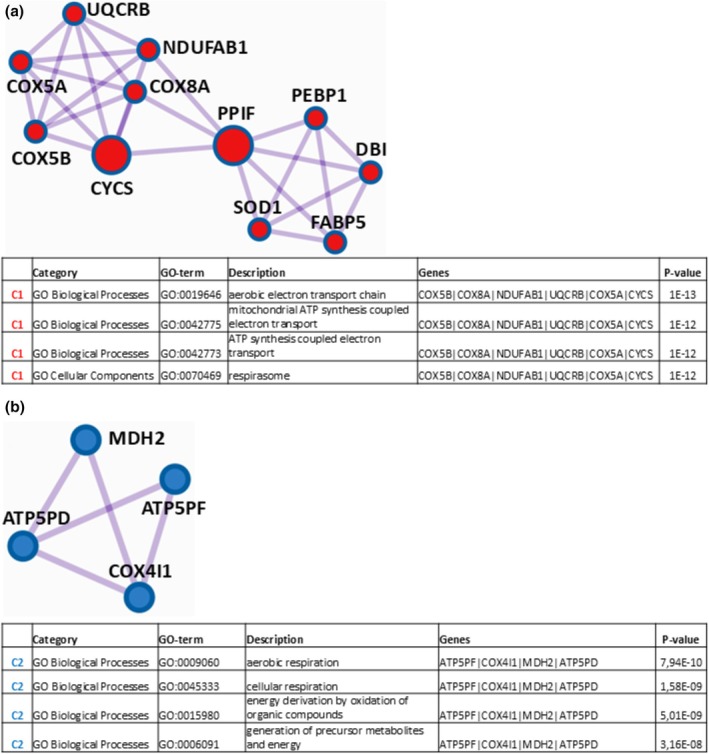 Figure 1
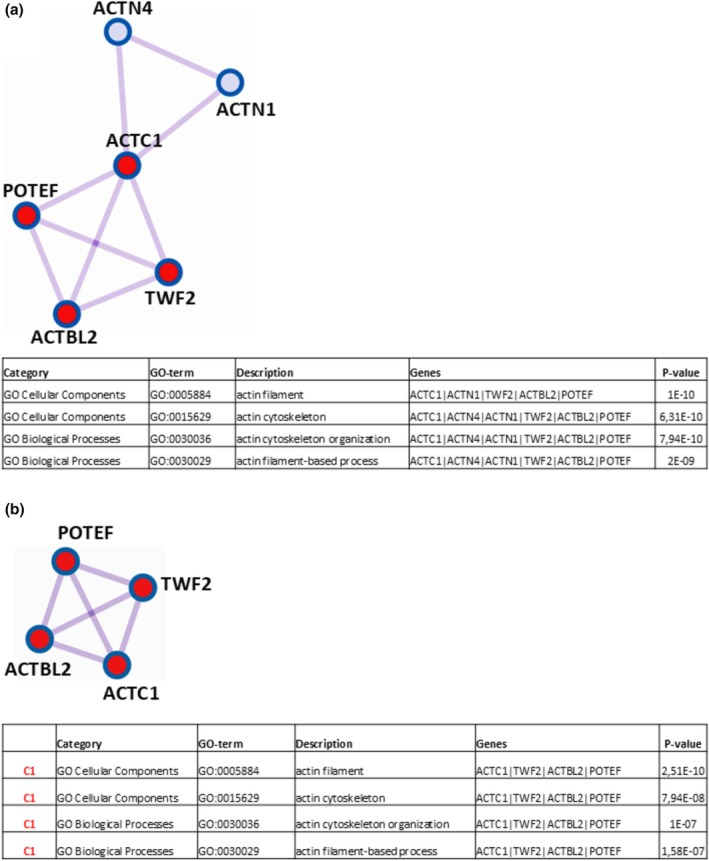 Figure 2
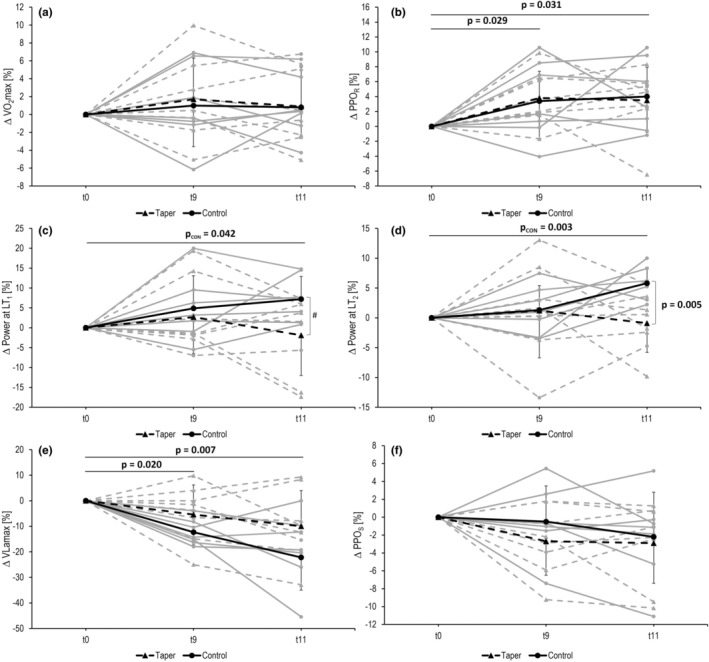 Figure 3
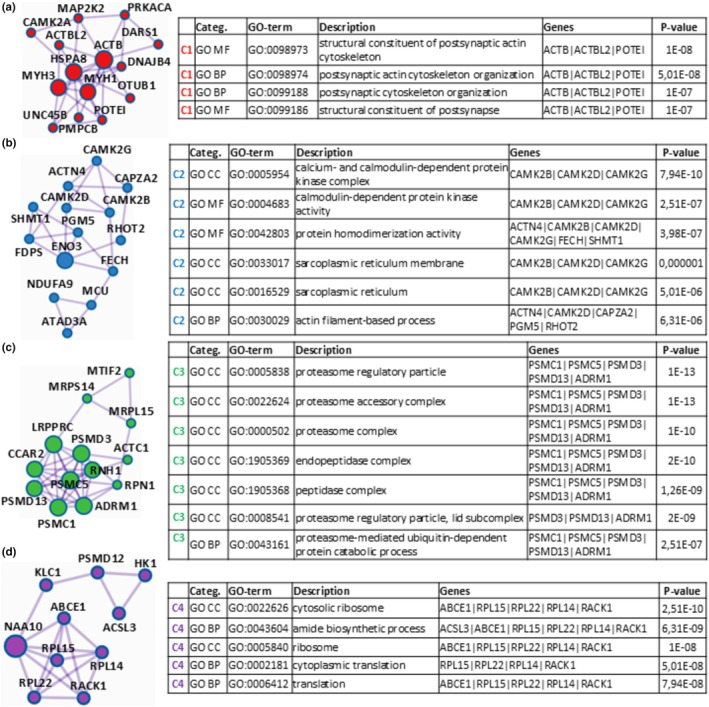 Figure 4
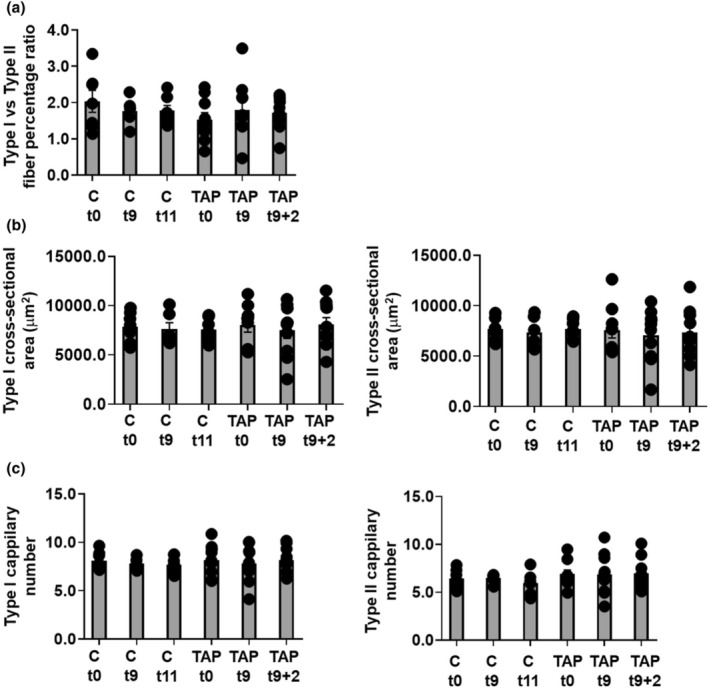 Figure 5
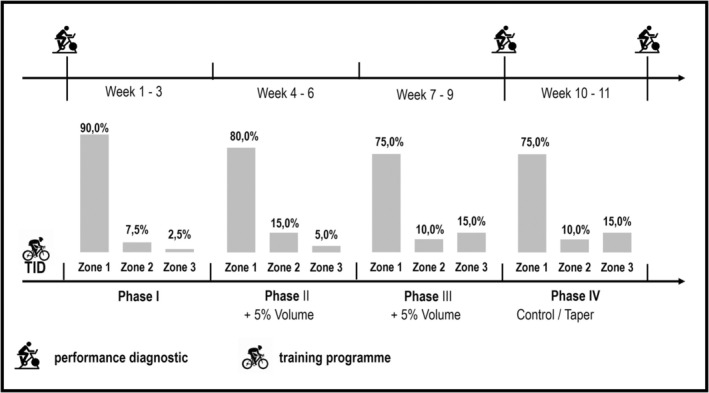 Figure 6
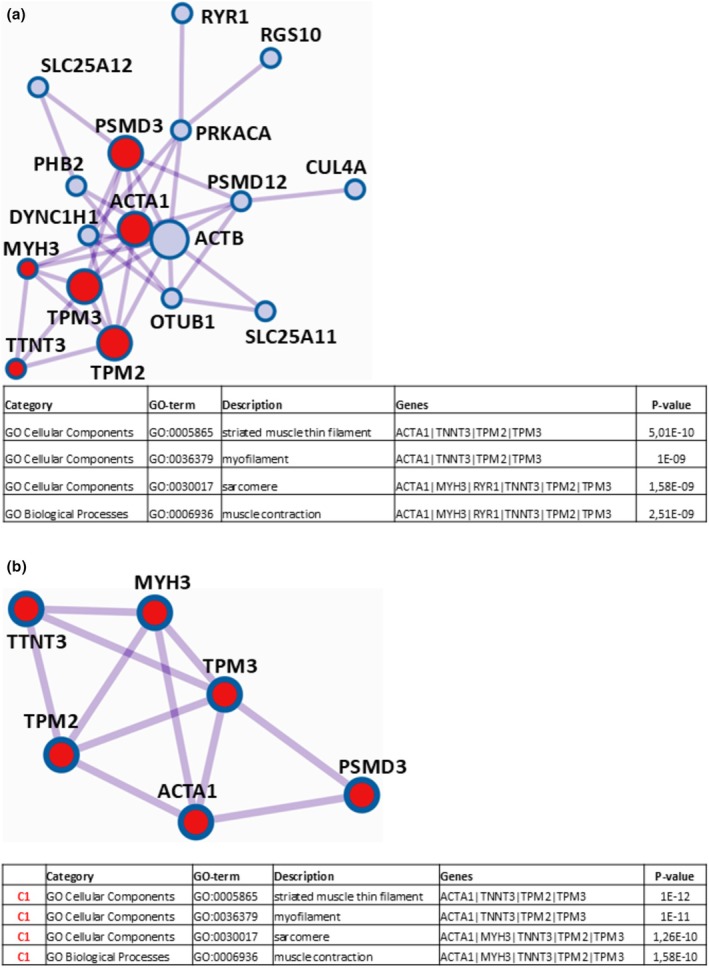 Figure 7
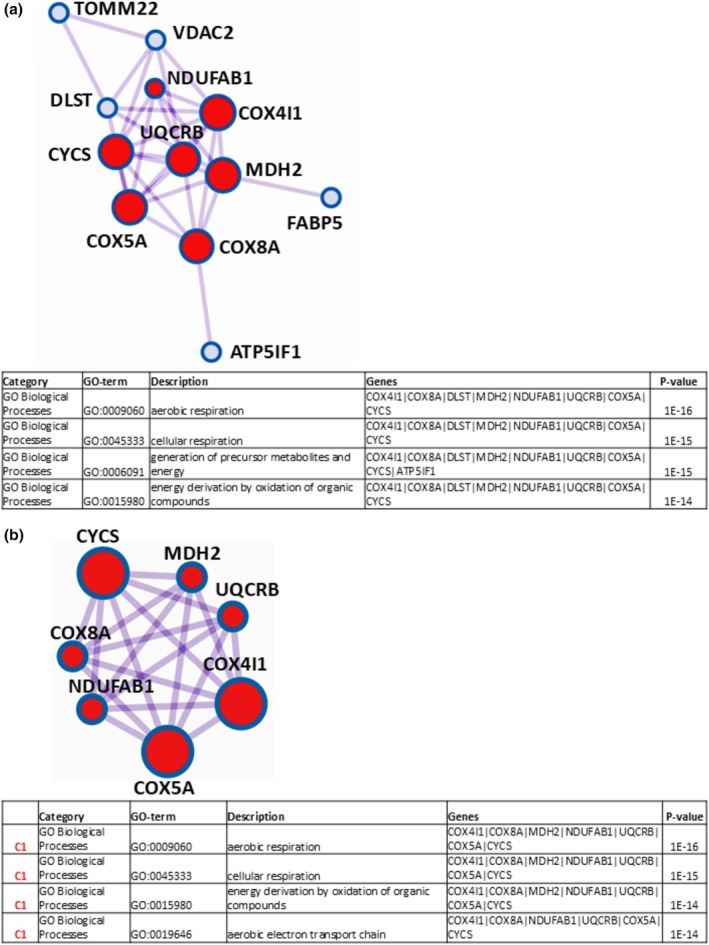 Figure 8
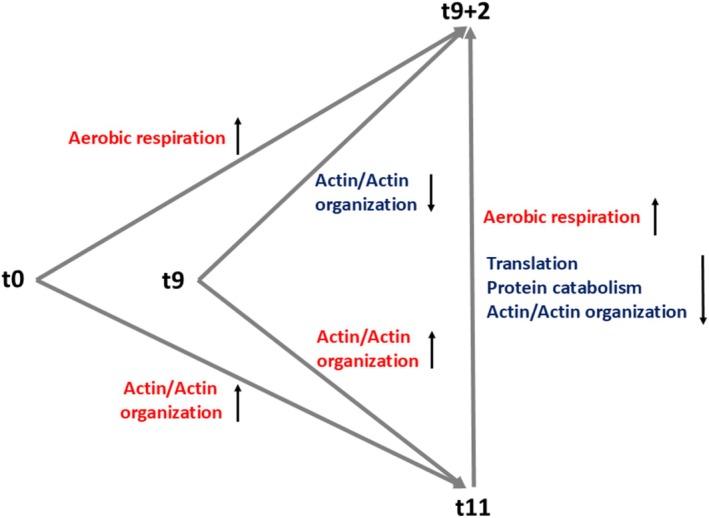 Figure 9
Peer Reviews
No public reviews on file for this paper yet. If you reviewed it on a platform where reviews are public (OpenReview, ICLR, NeurIPS, ICML), you can paste yours below so the community can read it here.
Videos
No videos yet. Explain this paper in a talk, walkthrough, or lecture? Add one.
Taxonomy
TopicsMuscle metabolism and nutrition · Genetics and Physical Performance · Exercise and Physiological Responses