Intelligent identification method of origin for Alismatis Rhizoma based on image and machine learning
Wenqi Zhao, Zongyi Zhao, Wen Zheng, Zimin Wang, Gaoting Yang, Zhiqiong Lan, Xiaoli Pan, Min Li

TL;DR
This study develops a fast and accurate method using images and machine learning to identify the origin of Alismatis Rhizoma, a natural medicine.
Contribution
The novel contribution is combining image-based features with a Random Forest model to achieve high accuracy in identifying AR origins.
Findings
The S + T-RF model achieved 99.17% accuracy in identifying two species of AR.
The same model achieved 96.67% accuracy in identifying four geographic origins of AR.
Image processing with machine learning offers a quick and effective solution for AR origin identification.
Abstract
Alismatis Rhizoma (AR) is widely utilized as a natural medicine across many Asian countries. However, in China, due to its complex origins, AR quality varies, which can affect clinical efficacy. Therefore, there is a need for a method that is both fast and objective to determine the source of AR. In this study, a total of 400 samples of two species and four geographic origins from AR were imaged and processed. From these images, 17 features were extracted, including three shape (S), two color (C), and 12 texture features (T), resulting in a total of 6800 data points. Four commonly used classification models Random Forest (RF), Extreme Learning Machine (ELM), Back Propagation (BP) neural network, and Support Vector Machines (SVM) were tested to find the optimal combination of AR fusion features and classification models. The S + T-RF combinations achieved the best results, with 99.17%…
Genes, proteins, chemicals, diseases, species, mutations and cell lines named across the full text — each resolved to its canonical identifier and authoritative record.
Click any figure to enlarge with its caption.
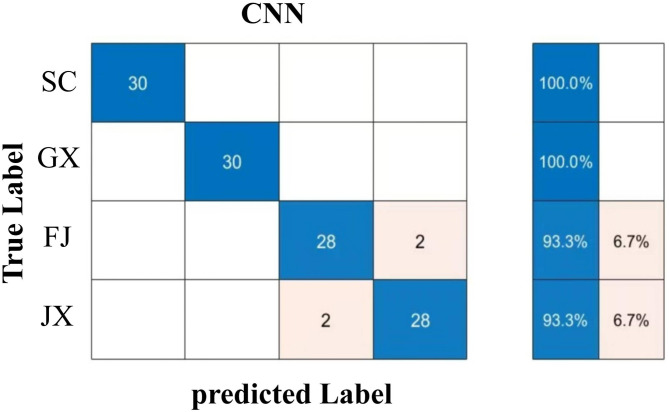 Figure 10
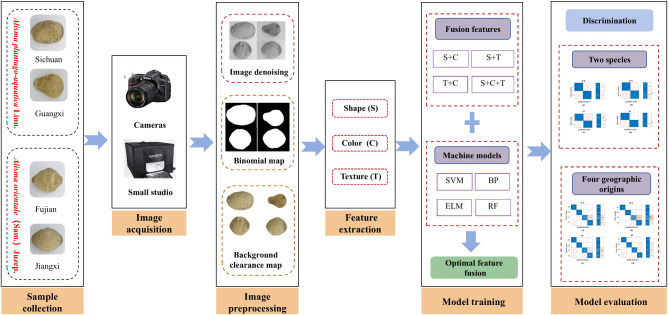 Figure 1
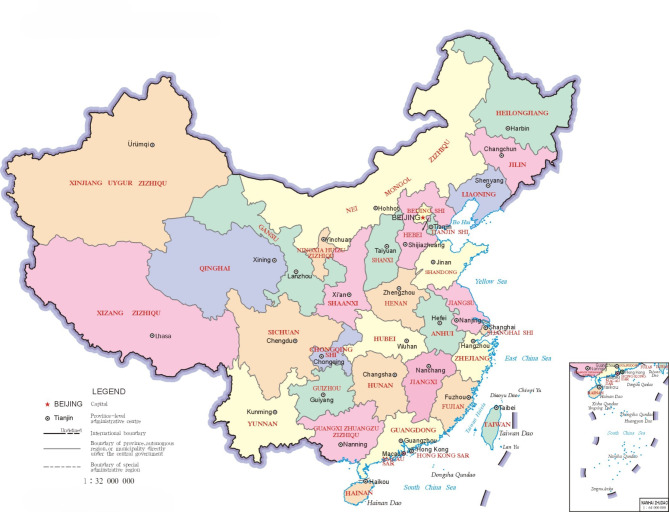 Figure 2
 Figure 3
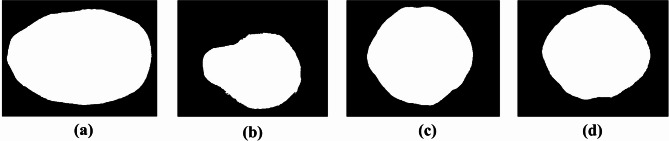 Figure 4
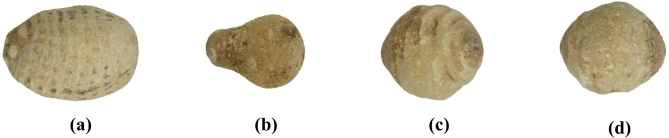 Figure 5
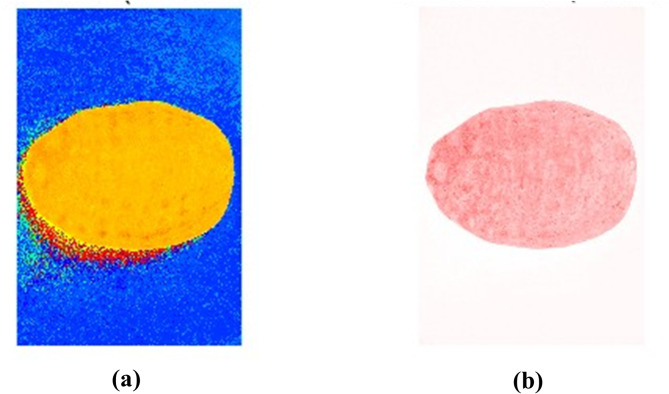 Figure 6
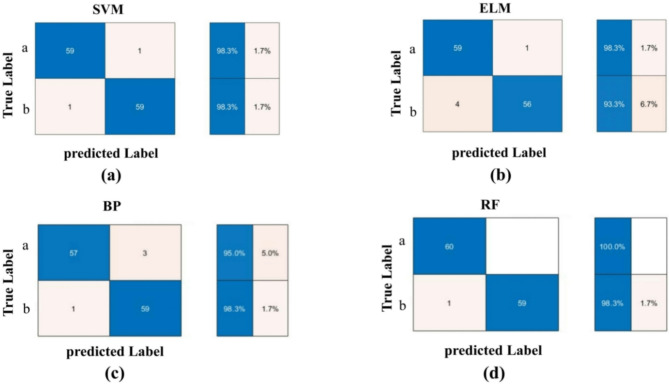 Figure 7
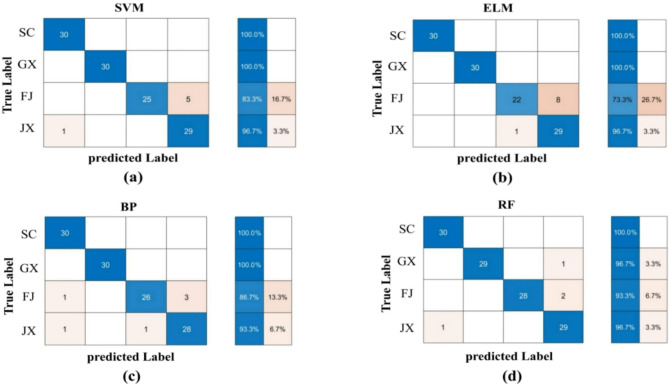 Figure 8
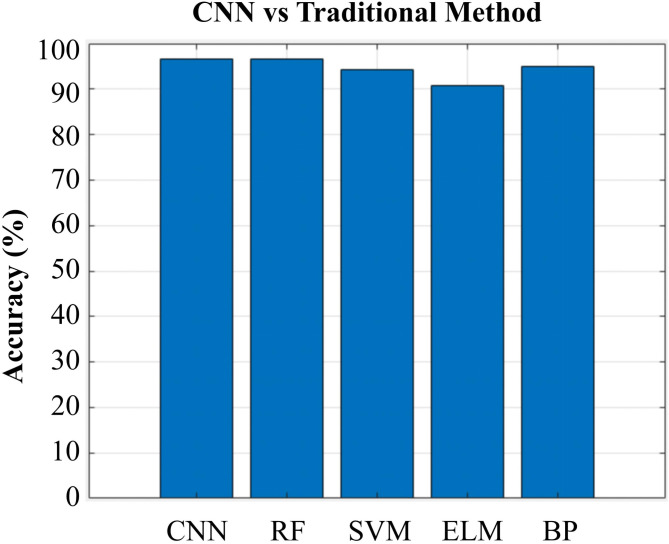 Figure 9
Peer Reviews
No public reviews on file for this paper yet. If you reviewed it on a platform where reviews are public (OpenReview, ICLR, NeurIPS, ICML), you can paste yours below so the community can read it here.
Videos
No videos yet. Explain this paper in a talk, walkthrough, or lecture? Add one.
Taxonomy
TopicsTraditional Chinese Medicine Studies · Traditional Chinese Medicine Analysis · Spectroscopy and Chemometric Analyses