Relative Contribution of Pharmacokinetics and Immune Signatures to Clinical Outcomes in Patients With HIV-associated Cryptococcal Meningitis
Katharine E Stott, Dumizulu Tembo, Cheusisime Kajanga, Ajisa Ahmadu, Dumisan Namakhwa, Ruwanthi Kolamunnage-Dona, Chandni Sarker, Melanie Moyo, Ebbie Gondwe, Wezi Chimang’anga, Madalitso Chasweka, Reya V Shah, David S Lawrence, Thomas S Harrison, Joseph N Jarvis, David G Lalloo

TL;DR
The study investigates how immune responses and drug exposure affect outcomes in HIV-related cryptococcal meningitis.
Contribution
The study identifies coordinated immune signaling and drug exposure as key factors in clinical outcomes.
Findings
Coordinated inflammatory responses in cerebrospinal fluid are linked to lower fungal burden and survival.
Amphotericin B exposure is significantly associated with early favorable outcomes.
Specific immune biomarkers do not predict early favorable outcomes or mortality.
Abstract
Host immune responses to HIV-associated cryptococcal meningitis are critical in disease outcome. Their interaction with antifungal drug exposure is poorly understood. This study explored associations between immune biomarkers, antifungal drug exposure, and clinical outcomes in HIV-associated cryptococcal meningitis. We analyzed serial plasma and cerebrospinal fluid immune biomarkers from 64 participants recruited from the AMBITION-cm trial. We estimated individual-level exposure to amphotericin B, flucytosine, and fluconazole. Associations between immune biomarkers, pharmacokinetic parameters, and clinical outcomes were evaluated. An inflammatory cerebrospinal fluid response, characterized by coordination between tumor necrosis factor-α, granulocyte colony-stimulating factor, and interleukin-7 signaling, was linked to low fungal burden, low intracranial pressure, and survival.…
Genes, proteins, chemicals, diseases, species, mutations and cell lines named across the full text — each resolved to its canonical identifier and authoritative record.
Click any figure to enlarge with its caption.
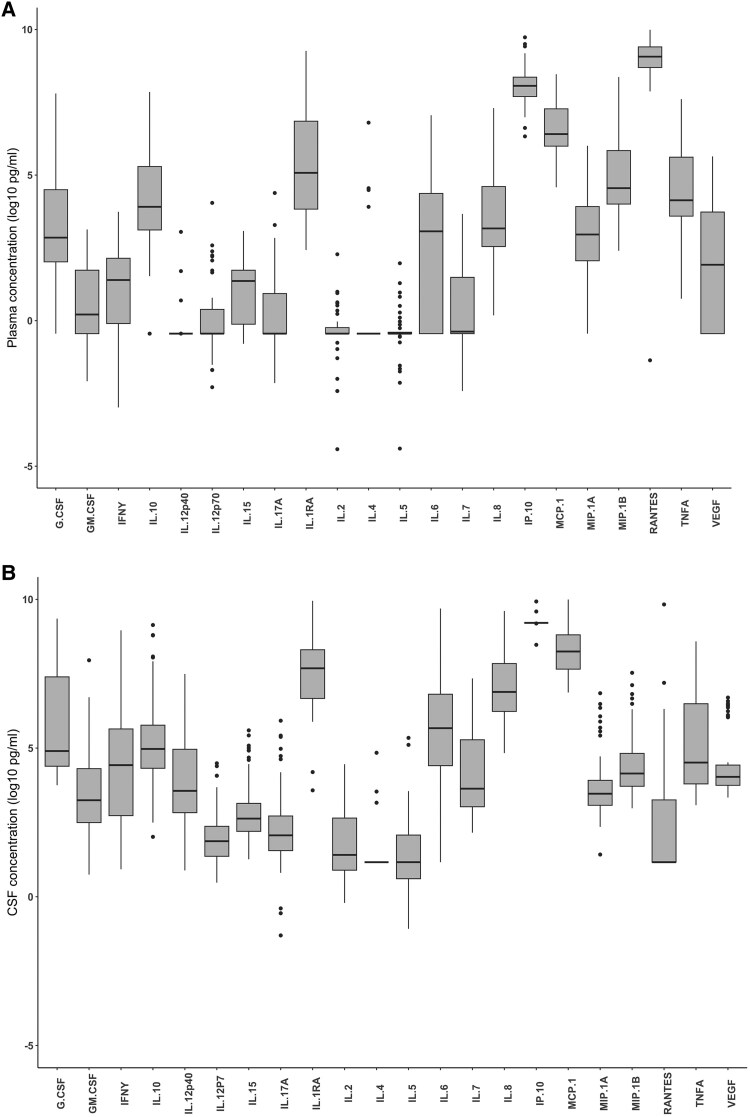 Figure 1
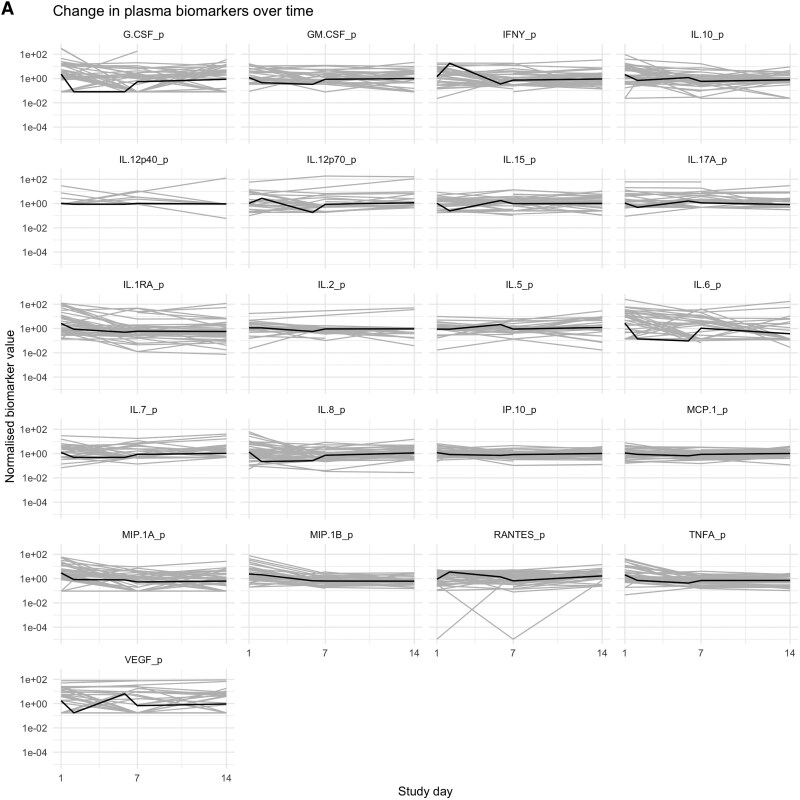 Figure 2
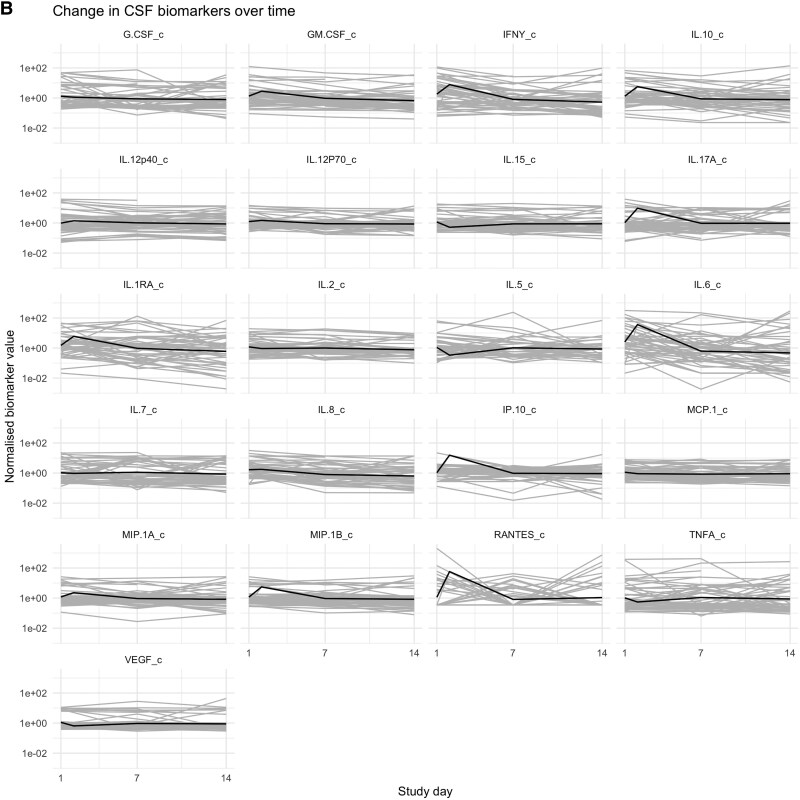 Figure 3
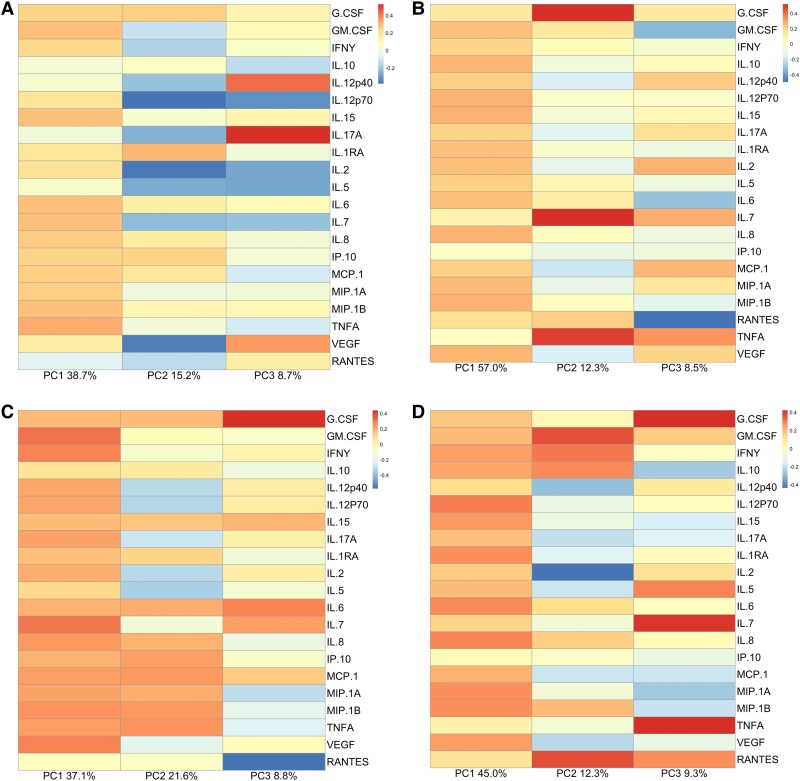 Figure 4
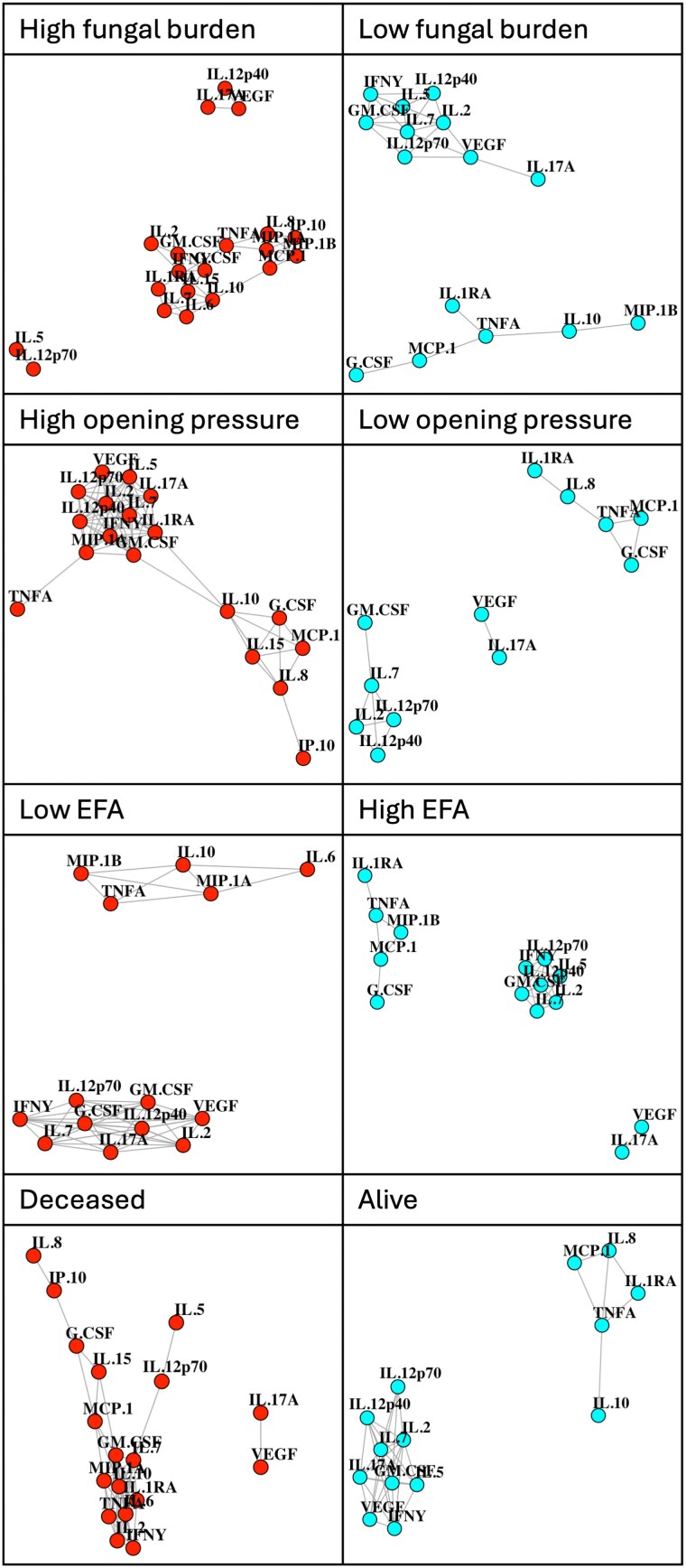 Figure 5
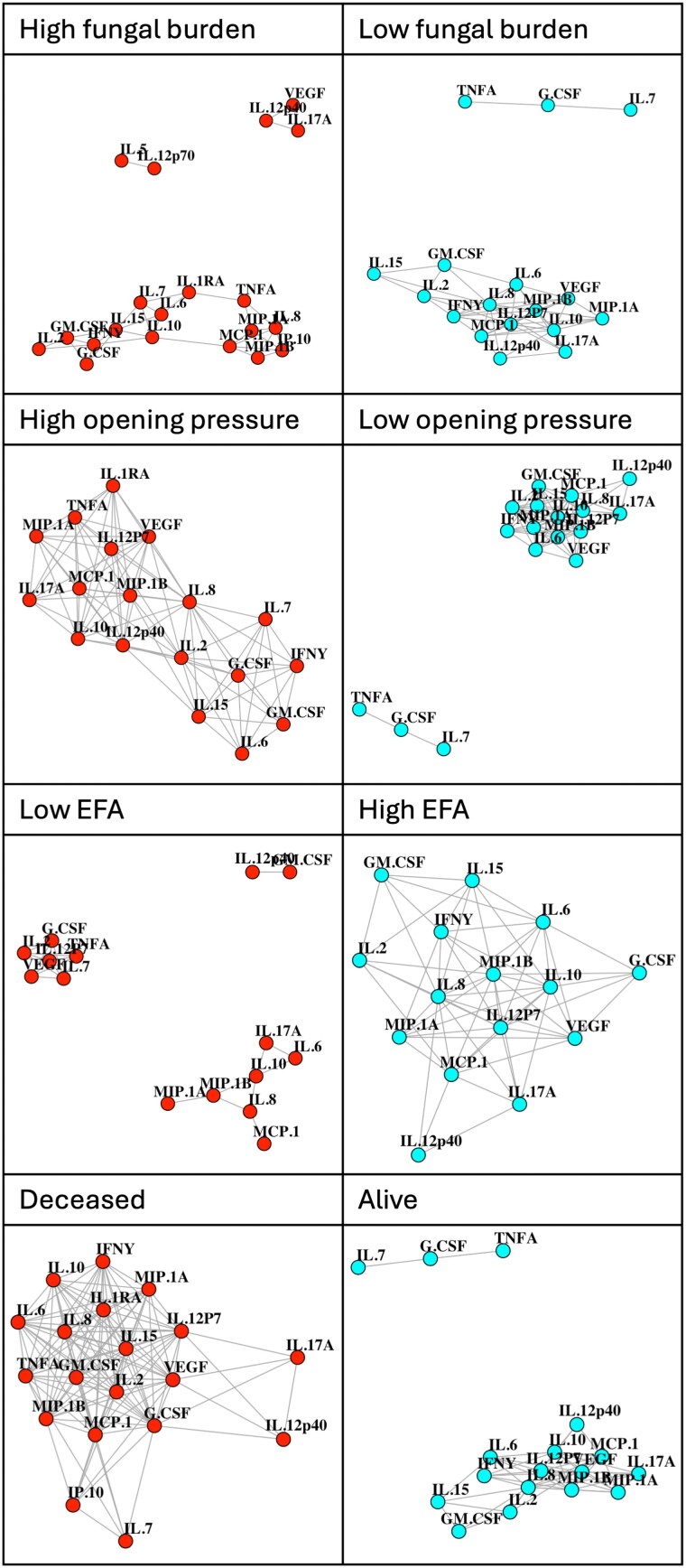 Figure 6
Peer Reviews
No public reviews on file for this paper yet. If you reviewed it on a platform where reviews are public (OpenReview, ICLR, NeurIPS, ICML), you can paste yours below so the community can read it here.
Videos
No videos yet. Explain this paper in a talk, walkthrough, or lecture? Add one.
Taxonomy
TopicsFungal Infections and Studies · Antifungal resistance and susceptibility · Nail Diseases and Treatments