Tuning Decomposition Temperature: A Structural Study of Ligand Directed Bonding and Fluxionality
Shreya Mrig, Petra Vasko, Salma Saeed, Abil E. Aliev, Kersti Karu, Caroline E. Knapp

TL;DR
This study explores how ligand design affects the decomposition temperature of aluminum compounds, aiming to create easy-to-handle precursors that decompose below 200°C.
Contribution
This is the first study to demonstrate ligand-directed design of aluminum compounds with low decomposition temperatures and inherent fluxionality.
Findings
Highly fluxional compounds with longer Al−N bonds showed significantly lower decomposition temperatures.
Systematic ligand variation revealed a direct link between structural dynamics and thermal decomposition profiles.
Solution-state dynamics observed via NMR and SCXRD correlate with solid-state decomposition behavior.
Abstract
In the first study of its kind towards the design and synthesis of easy‐to‐handle aluminium precursors that decompose at temperatures <200 °C: informed ligand choice and structural design of the compounds has caused inbuilt fluxionality leading to a markable decrease in the onset of decomposition temperatures. Eight thiourea ligands [L 1 H–L 8 H] were chosen with the steric bulk on the N atoms of these ligands varied systematically [L 1−4 H: RN(H)CS(NMe2) and L 5−8 H: RN(H)CS(NEt2); R=Me (L 1 H and L 5 H), Et (L 2 H and L 6 H), iPr (L 3 H and L 7 H) and Ph (L 4 H and L 8 H). Three families of aluminium compounds were synthesised by the reaction of these thiourea ligands with trimethylamine alane [Al(Lx)3 (1–7), trimethylaluminium [MeAl(Lx)2] (8–11) and triethylaluminium [EtAl(Lx)2] (12–14) respectively. The three most spatially encumbered compounds (Al(L3)3 (2), Al(L6)3 (5) and Al(L7)3…
Genes, proteins, chemicals, diseases, species, mutations and cell lines named across the full text — each resolved to its canonical identifier and authoritative record.
Click any figure to enlarge with its caption.
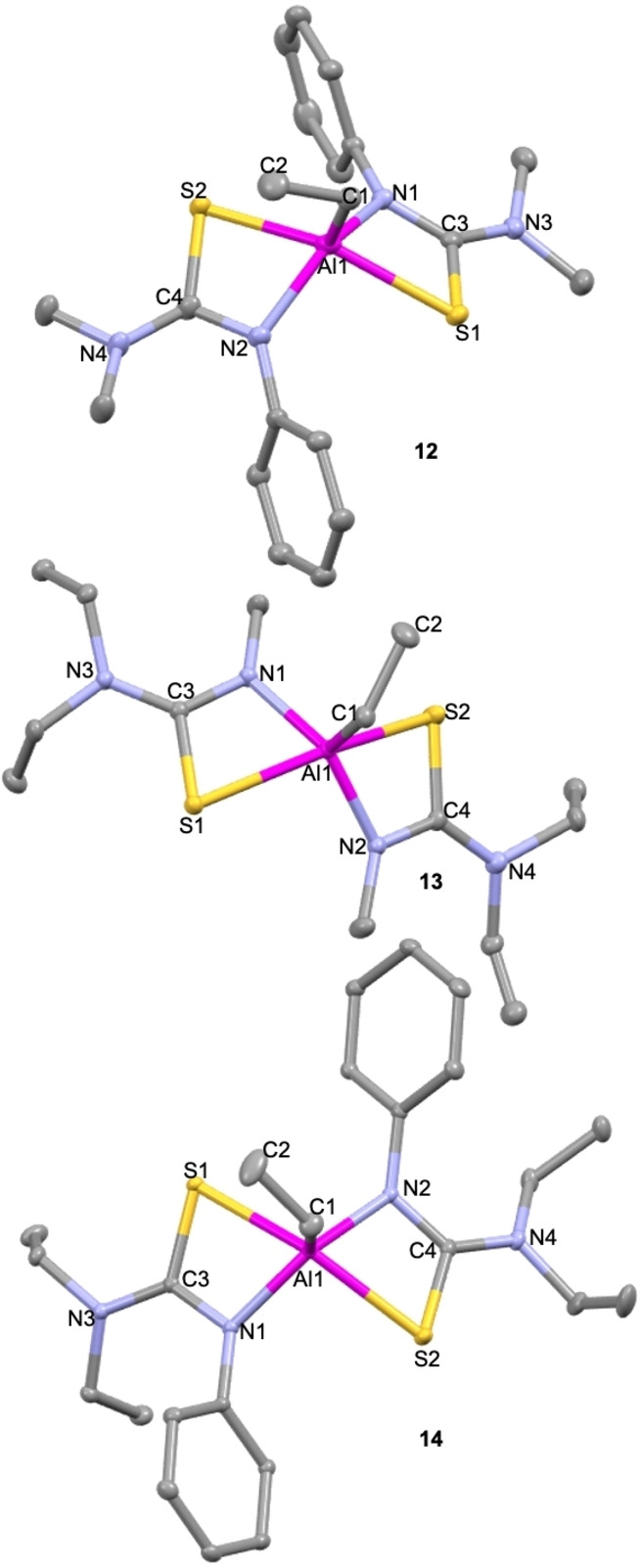 Figure 1
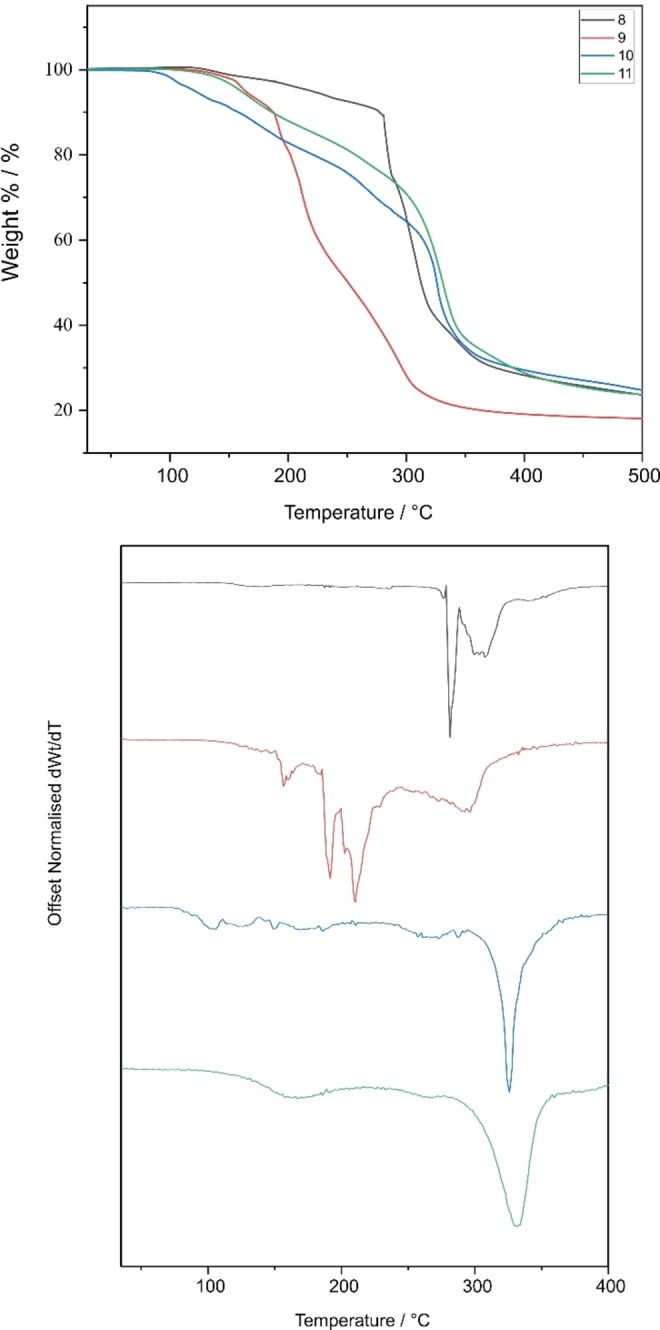 Figure 2
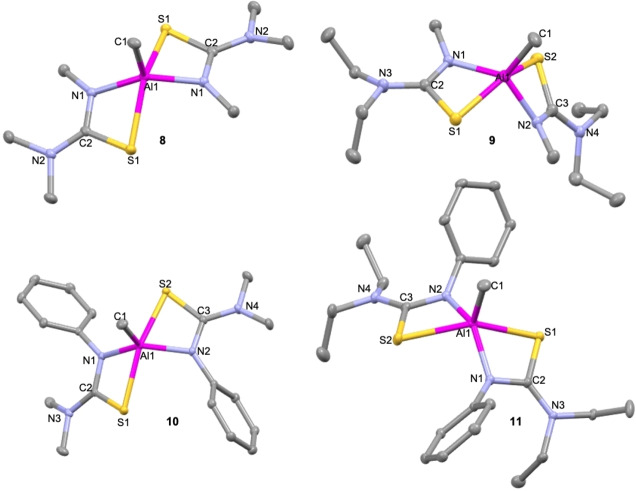 Figure 3
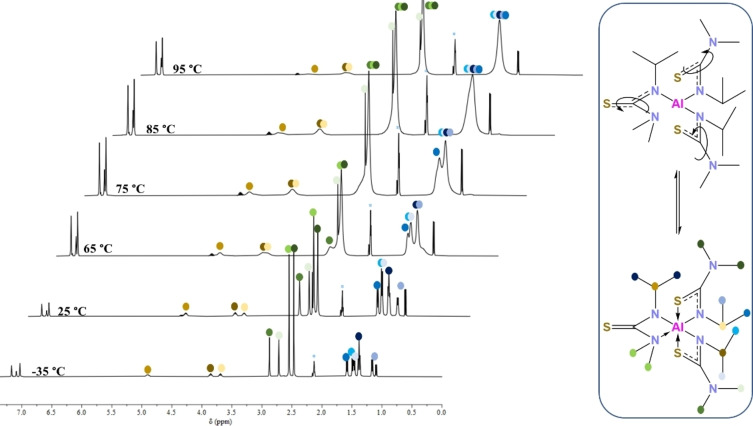 Figure 4
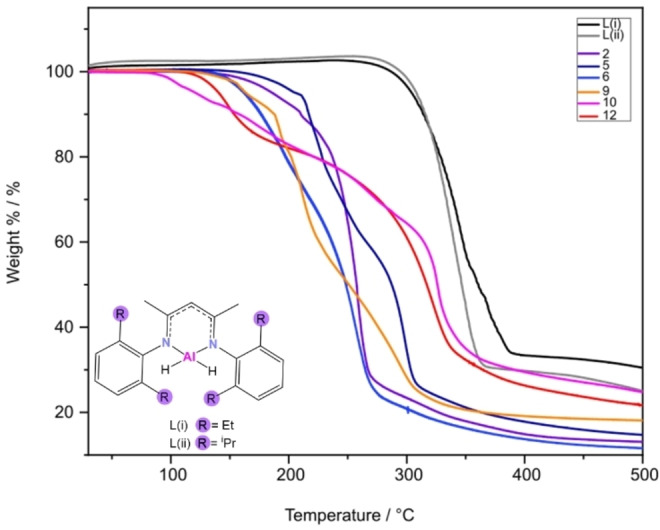 Figure 5
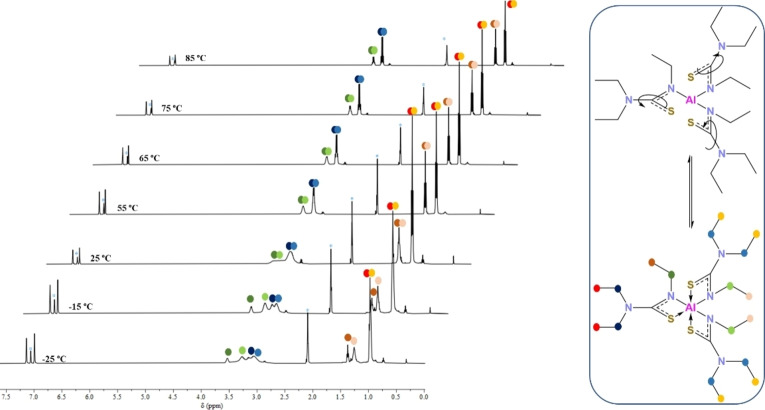 Figure 6
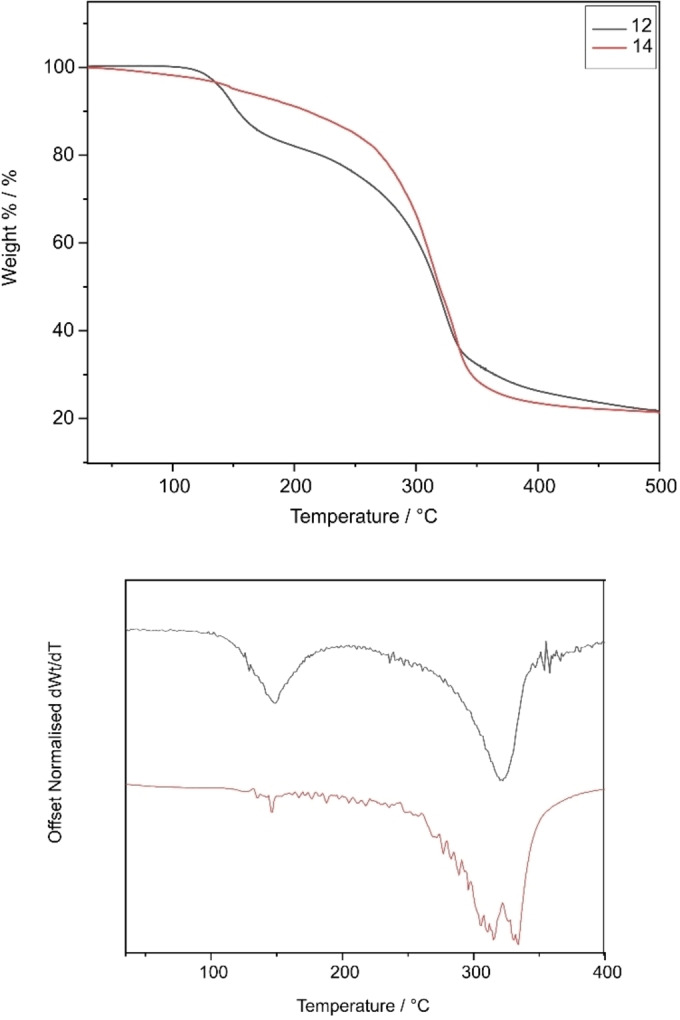 Figure 7
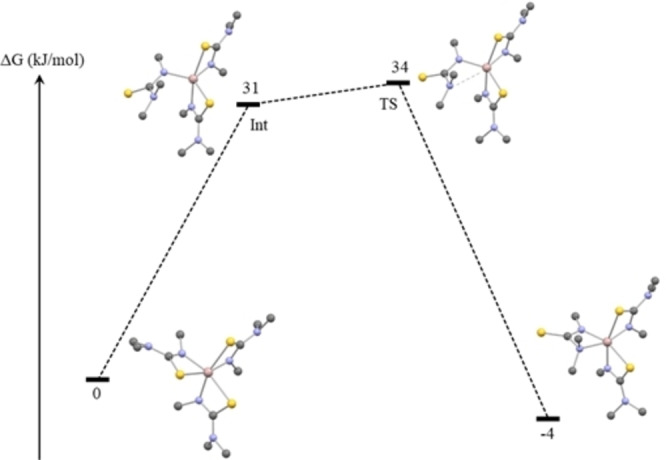 Figure 8
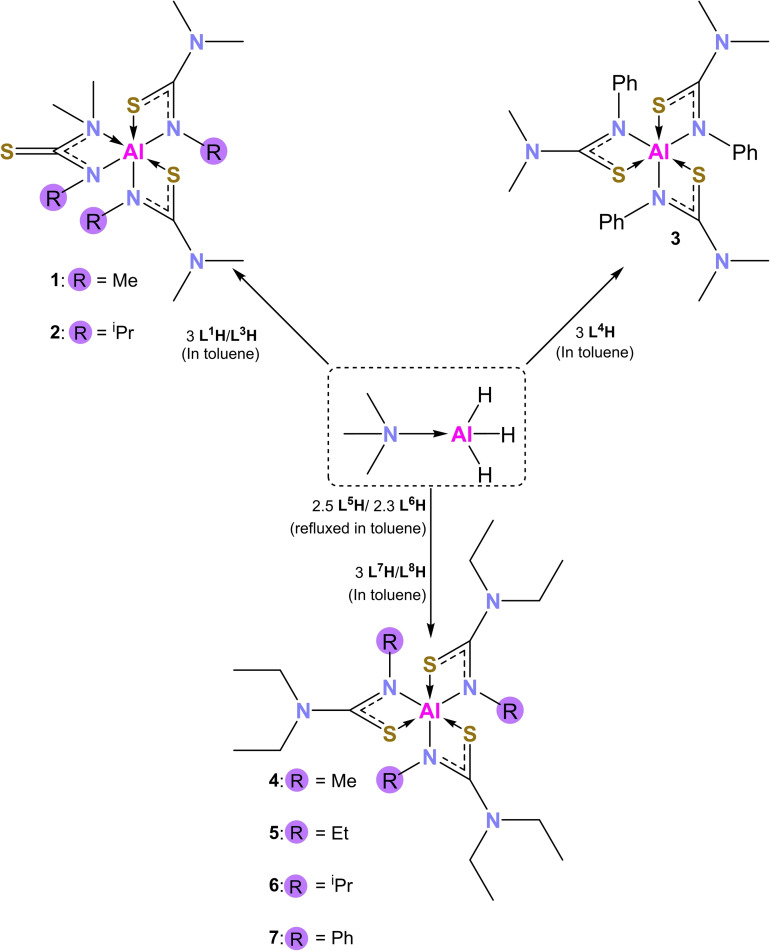 Figure 9
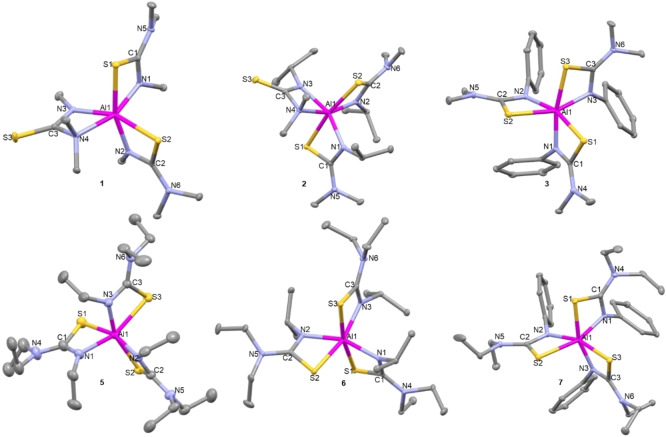 Figure 10
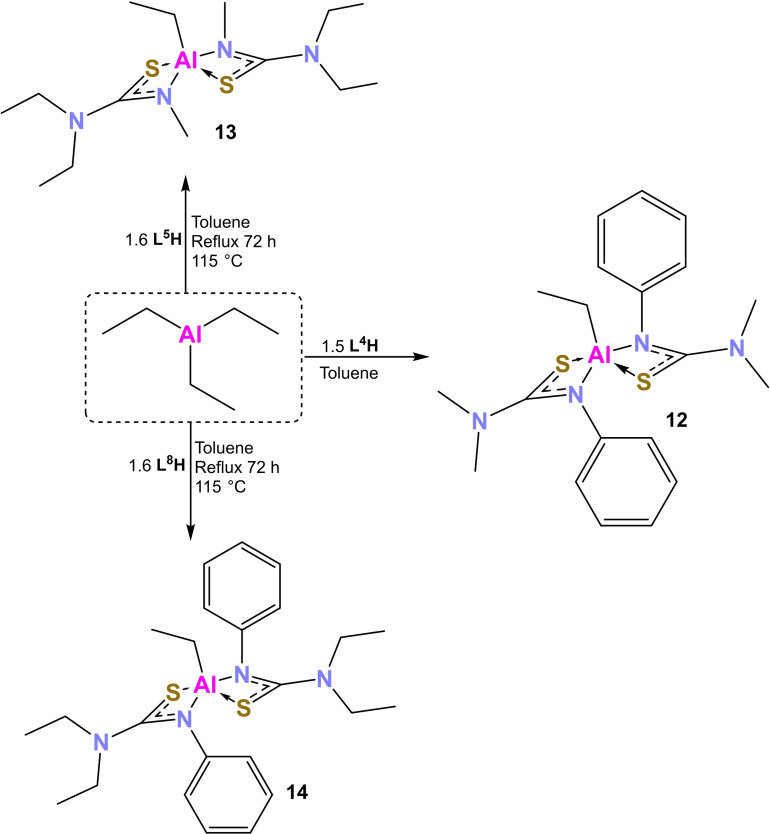 Figure 11
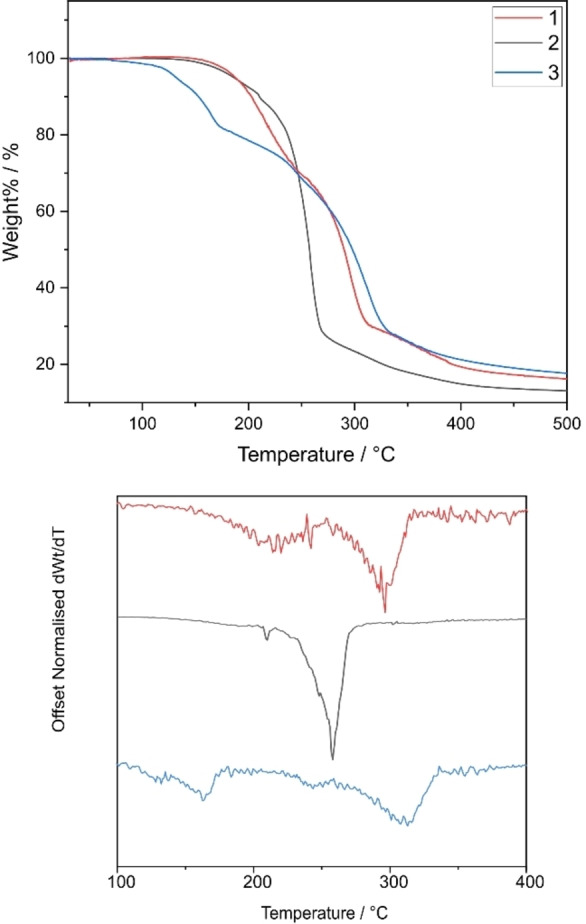 Figure 12
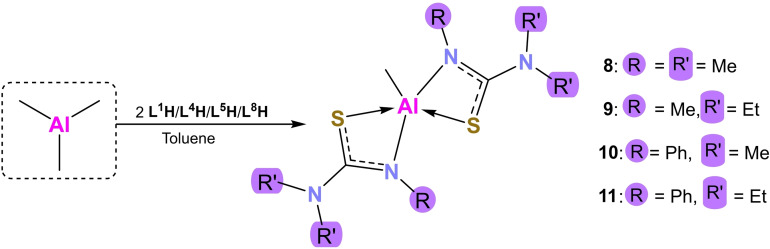 Figure 13
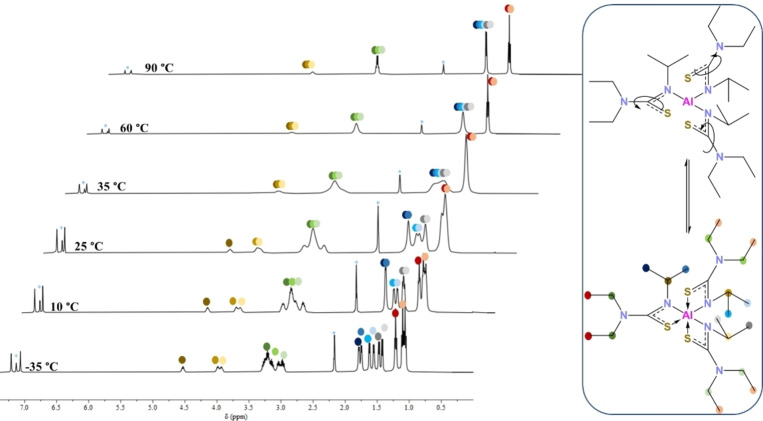 Figure 14
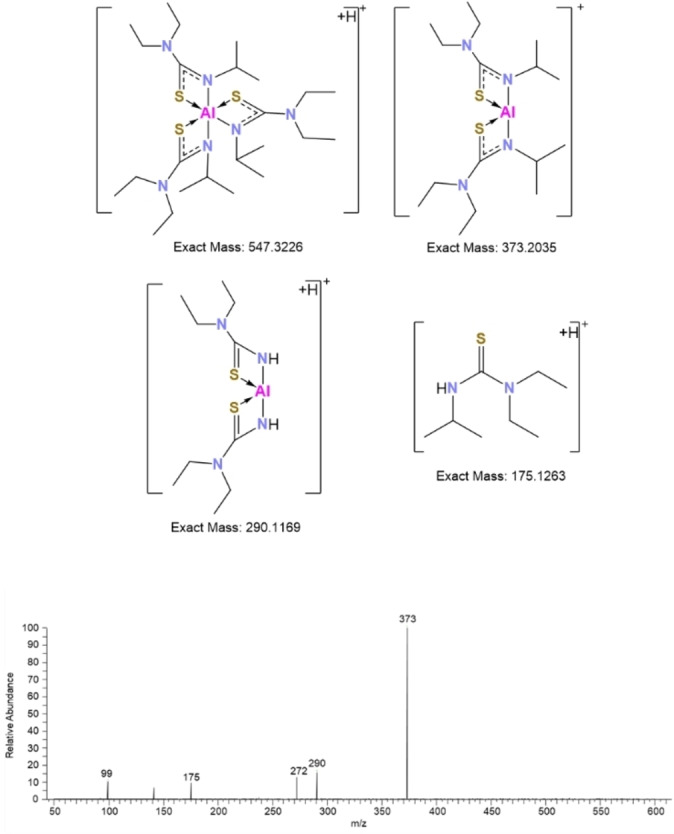 Figure 15
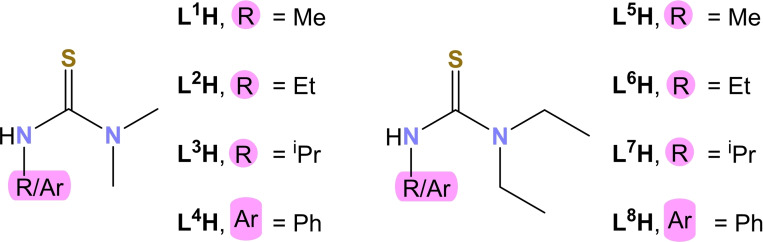 Figure 16
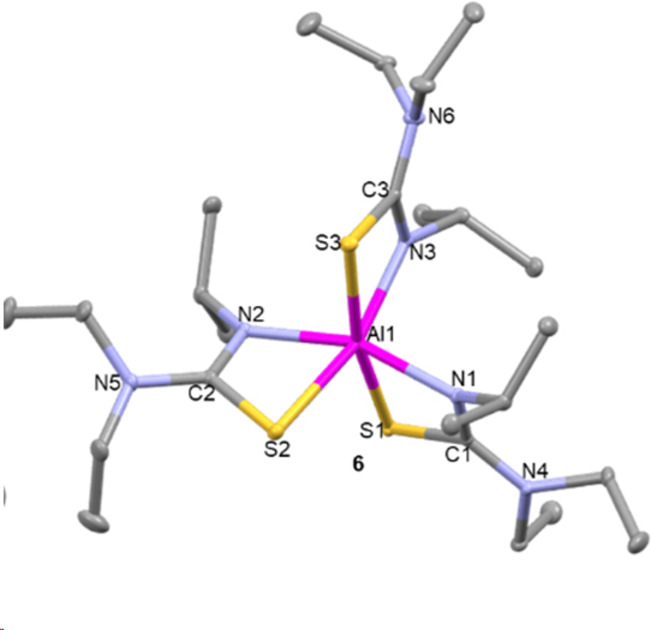 Figure 17
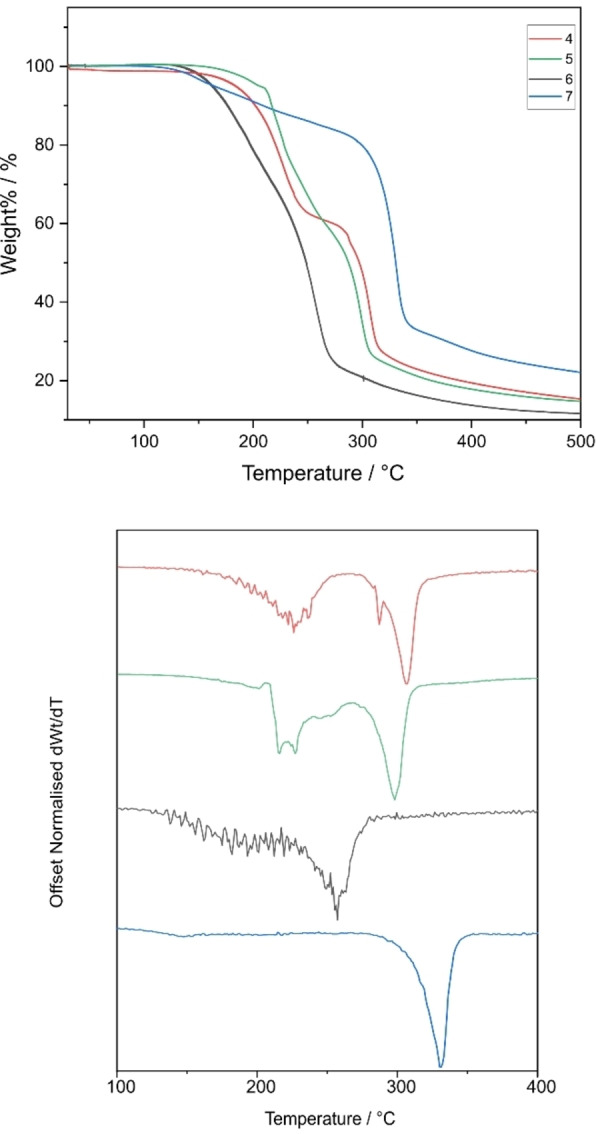 Figure 18
Peer Reviews
No public reviews on file for this paper yet. If you reviewed it on a platform where reviews are public (OpenReview, ICLR, NeurIPS, ICML), you can paste yours below so the community can read it here.
Videos
No videos yet. Explain this paper in a talk, walkthrough, or lecture? Add one.
Taxonomy
TopicsSynthesis and characterization of novel inorganic/organometallic compounds · Inorganic Chemistry and Materials · Organometallic Complex Synthesis and Catalysis