Dual-task effects of walking-speed on inhibitory control and decision-making under risk
Carlotta Maiocchi, Marta Milanesi, Nicola Canessa, Stefania Sozzi, Giulia Mattavelli, Antonio Nardone, Claudia Gianelli

TL;DR
This study explores how walking at different speeds affects decision-making and inhibitory control when performing dual tasks.
Contribution
The study replicates and expands on dual-task effects by examining inhibitory control and decision-making under risk in healthy individuals.
Findings
There was a significant difference in performance between single-task and dual-task conditions.
Walking speed did not affect cognitive task performance.
Postural alignment analyses confirmed cognitive prioritization strategies in healthy individuals.
Abstract
The effect of simultaneously performing two tasks (dual-task effects, DTEs) has been extensively studied, mainly focusing on the combination of cognitive and motor tasks. Given their potentially detrimental impact on real-life activities, the impact of DTEs has been investigated in both healthy individuals and patients. In this Registered Report, we aimed to replicate previous DTEs when a task requiring executive-inhibitory skills is involved while also expanding the evidence on basic facets of decision-making. We recruited 50 healthy young participants who performed a stop-signal task and two gambling tasks (loss-aversion and risk-aversion) while sitting and while walking at three treadmill speeds (normal, slow and fast). We report a significant difference in performance during single-task and dual-task, although with high individual variability. The data show no effect of the walking…
Genes, proteins, chemicals, diseases, species, mutations and cell lines named across the full text — each resolved to its canonical identifier and authoritative record.
Click any figure to enlarge with its caption.
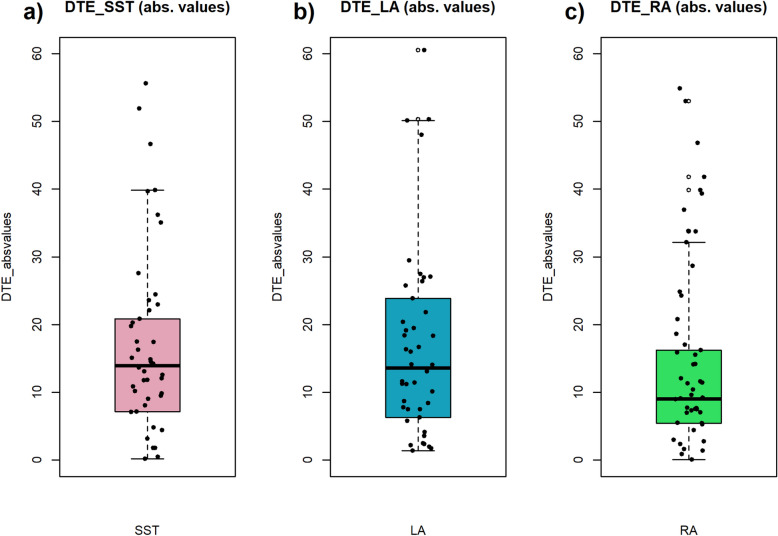 Figure 1
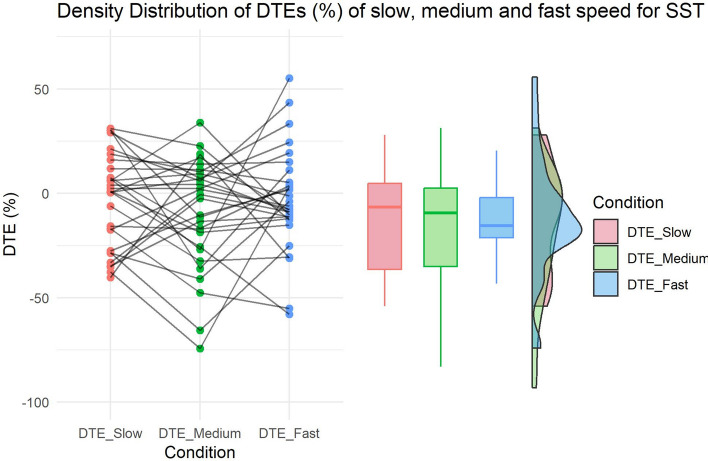 Figure 2
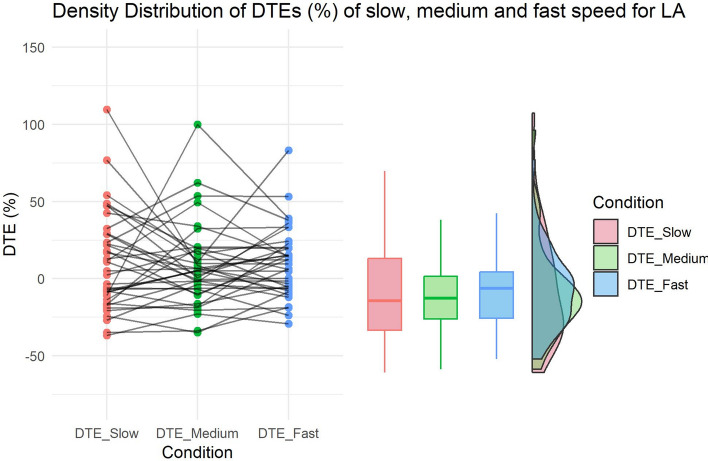 Figure 3
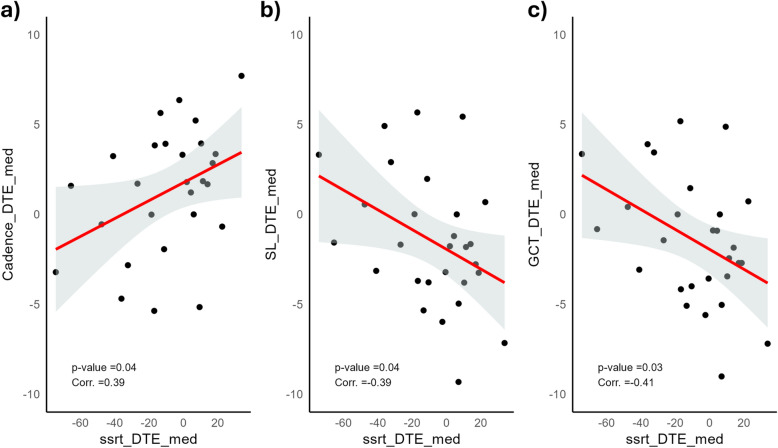 Figure 4
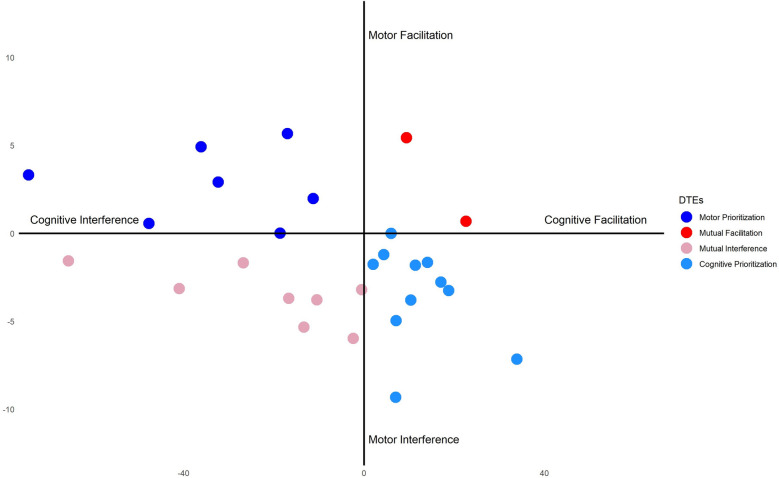 Figure 5
Peer Reviews
No public reviews on file for this paper yet. If you reviewed it on a platform where reviews are public (OpenReview, ICLR, NeurIPS, ICML), you can paste yours below so the community can read it here.
Videos
No videos yet. Explain this paper in a talk, walkthrough, or lecture? Add one.
Taxonomy
TopicsBalance, Gait, and Falls Prevention · Motor Control and Adaptation · Neural and Behavioral Psychology Studies