Advancing the synthesis of trimethylene carbonate: a high-yield green synthesis route
Zisheng Ning, Yuhan Li, Lingmei Dai, Dehua Liu, Wei Du

TL;DR
This paper introduces a new green method to efficiently produce trimethylene carbonate using enzymes and bio-based materials.
Contribution
A novel enzymatic synthesis route for trimethylene carbonate with high yield and environmental benefits is proposed.
Findings
A lipase-catalyzed process using 1,3-propanediol and dimethyl carbonate achieves an 88% TMC yield.
The by-product reacts with 1,3-PDO to regenerate an intermediate, improving overall yield.
1,3-PDO acts as both a reactant and acid catalyst in the nucleophilic substitution reaction.
Abstract
Trimethylene carbonate (TMC) is an innovative modifier for polylactic acid and a promising biodegradable polymer monomer with broad application potential. However, industrial production of TMC faces challenges such as high catalyst costs, safety issues, and environmental impacts. Enzymatic catalysis offers a potential alternative, but its low product yields have hindered progress. In this study, we introduce a novel synthesis route for TMC using bio-based 1,3-propanediol (1,3-PDO) and dimethyl carbonate (DMC) as substrates. This process involves lipase-catalyzed formation of the intermediate 3-hydroxypropyl methyl carbonate (P1), which is then cyclized to produce TMC. Notably, the by-product, C,C’-1,3-propanediyl C,C’-dimethyl ester (P2), reacts with 1,3-PDO to regenerate P1, further enhancing the overall TMC yield. The mechanism exploration reveals that 1,3-PDO acts as both a reactant…
Genes, proteins, chemicals, diseases, species, mutations and cell lines named across the full text — each resolved to its canonical identifier and authoritative record.
Click any figure to enlarge with its caption.
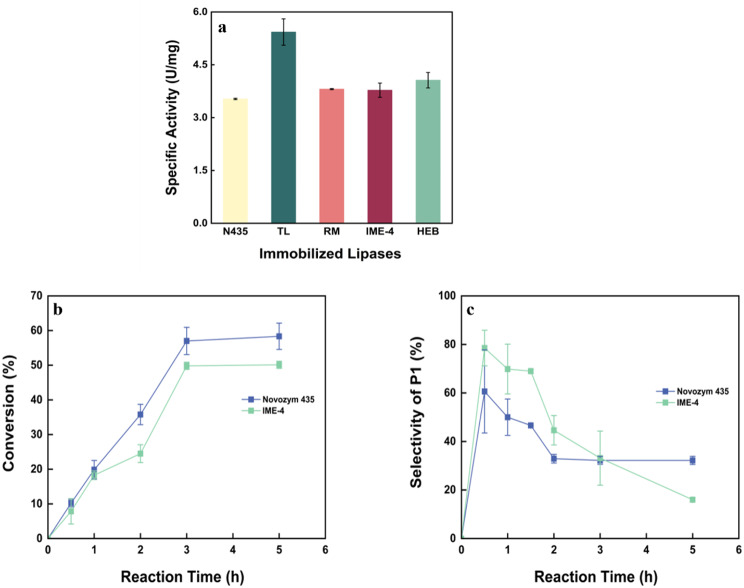 Figure 1
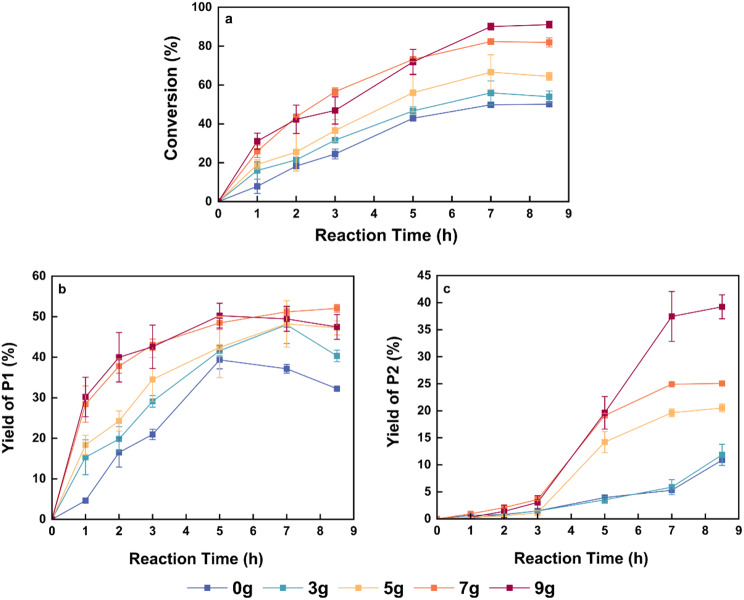 Figure 2
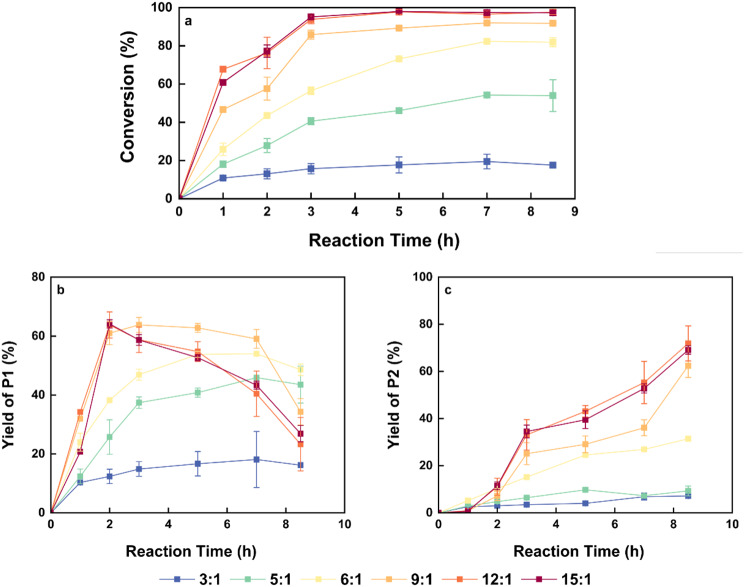 Figure 3
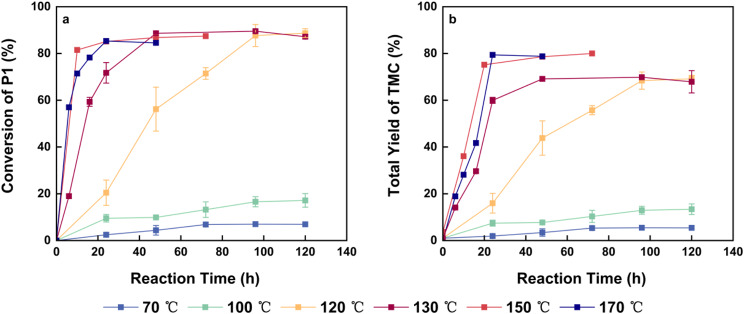 Figure 4
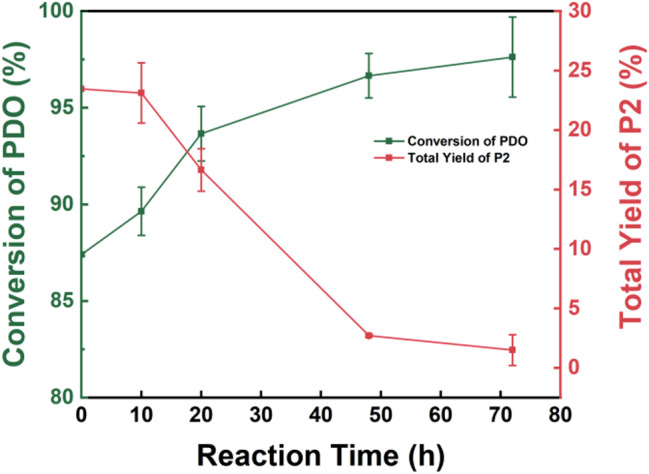 Figure 5
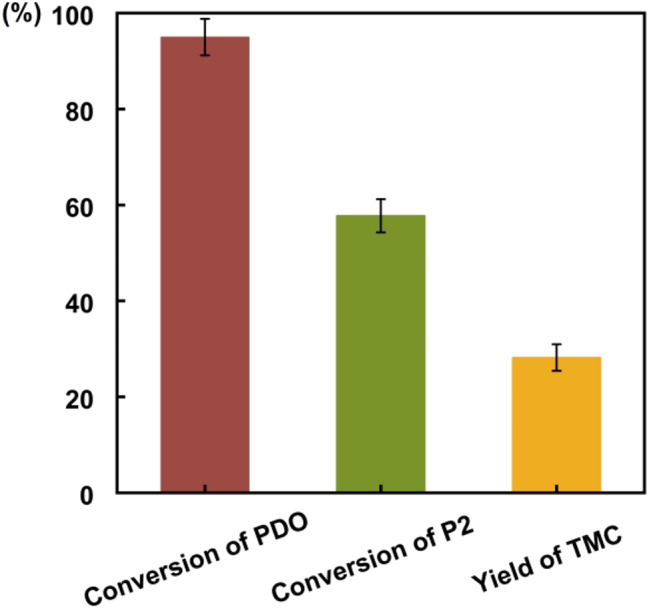 Figure 6
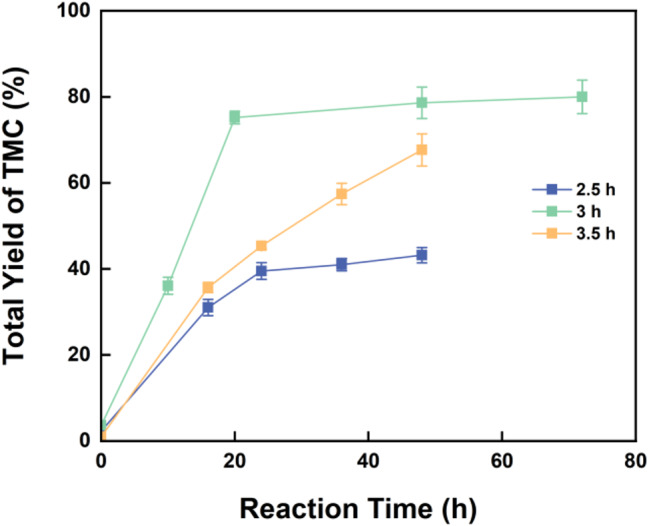 Figure 7
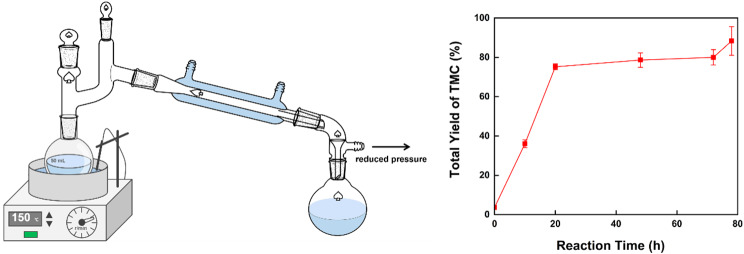 Figure 8
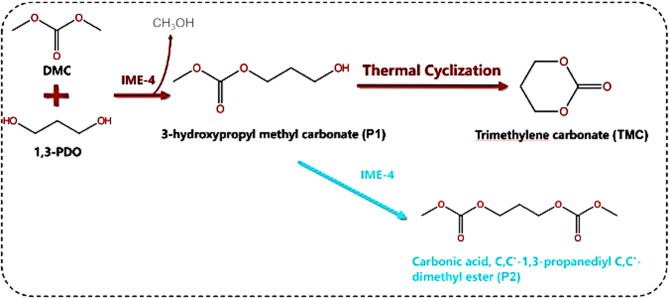 Figure 9
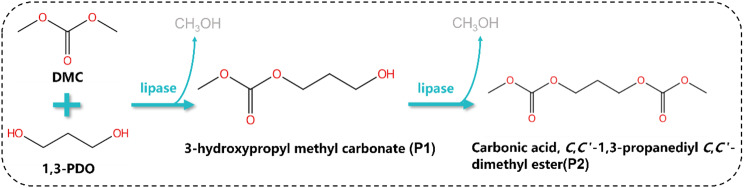 Figure 10
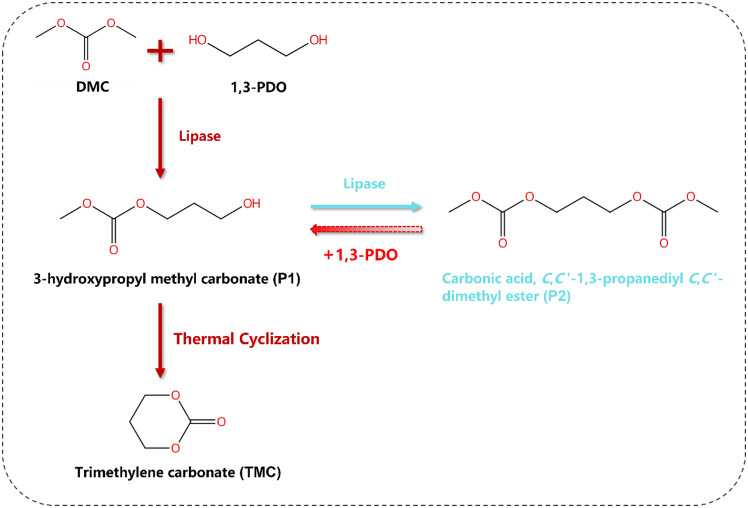 Figure 11
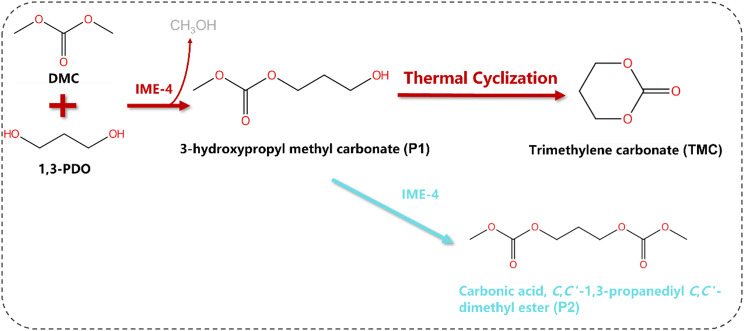 Figure 12
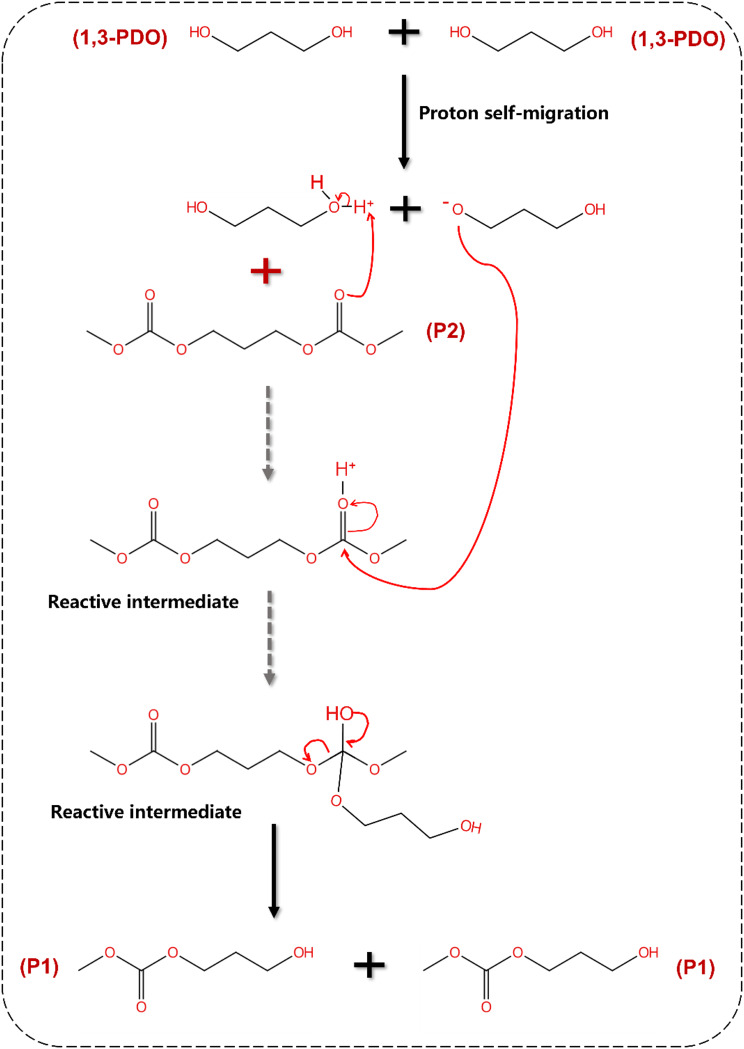 Figure 13
Peer Reviews
No public reviews on file for this paper yet. If you reviewed it on a platform where reviews are public (OpenReview, ICLR, NeurIPS, ICML), you can paste yours below so the community can read it here.
Videos
No videos yet. Explain this paper in a talk, walkthrough, or lecture? Add one.
Taxonomy
Topicsbiodegradable polymer synthesis and properties · Carbon dioxide utilization in catalysis · Chemistry and Chemical Engineering