An upper temporal limit of action-effect integration as reflected by motor adaptation
Márta Volosin, Olivér Nagybányai Nagy, Bence Neszmélyi, János Horváth

TL;DR
The study shows that motor adaptation to action effects is limited to a 290 ms window and is not related to schizotypy traits.
Contribution
The study confirms a temporal limit of action-effect integration and explores its relationship with schizotypy for the first time.
Findings
Motor adaptation to action effects occurs within a 290 ms window.
There is no correlation between motor optimization window size and schizotypy traits.
Force applied during actions increases as the delay between action and effect increases.
Abstract
Motor parameters of simple, repetitive actions like tapping, pinching, or pushing a button differ as a function of their action effects – adding a consistent, immediate sound-effect to such actions leads to a decrease in applied force. This action-effect related motor adaptation occurs only, however, when the sound-effect follows actions within about 200 ms, which has been hypothesized to reflect a temporal limit of action-effect integration. Using a university student sample, the present study replicated the effect of action-sound effect delays on force application. Furthermore, given that the perception of action-effect contingencies, and that of temporal relations are deteriorated in schizophrenia, we explored the relationship between the schizotypy trait and the duration of the action-effect related motor optimization window. Participants pinched a force sensitive device every 3 s…
Genes, proteins, chemicals, diseases, species, mutations and cell lines named across the full text — each resolved to its canonical identifier and authoritative record.
Click any figure to enlarge with its caption.
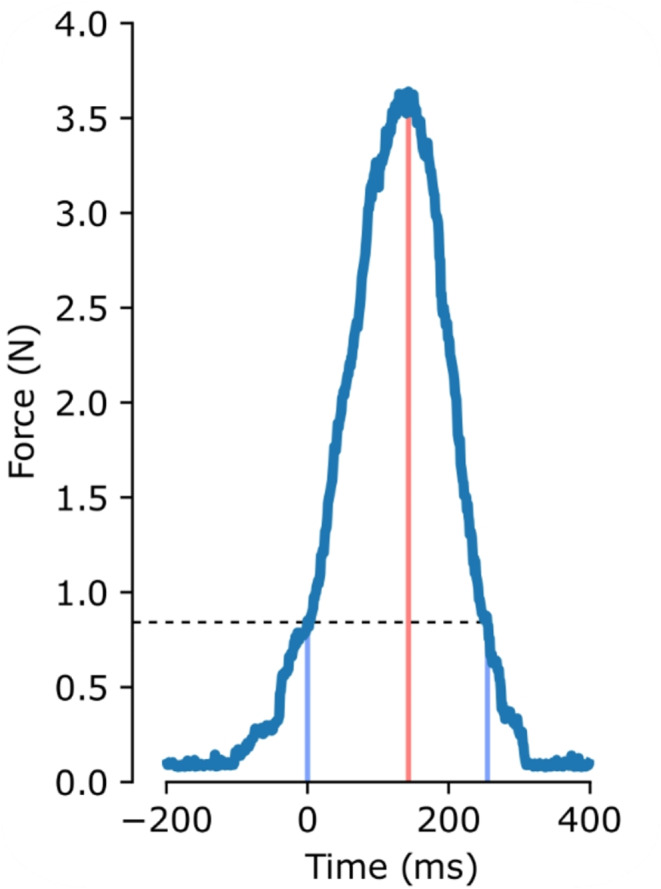 Figure 1
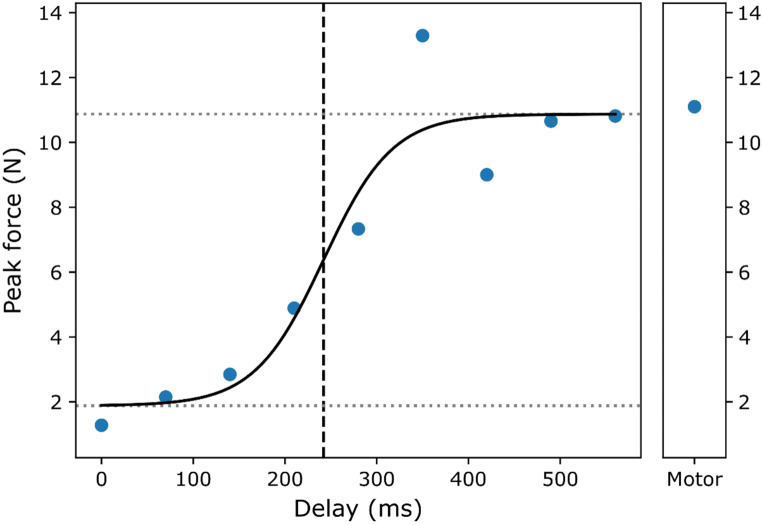 Figure 2
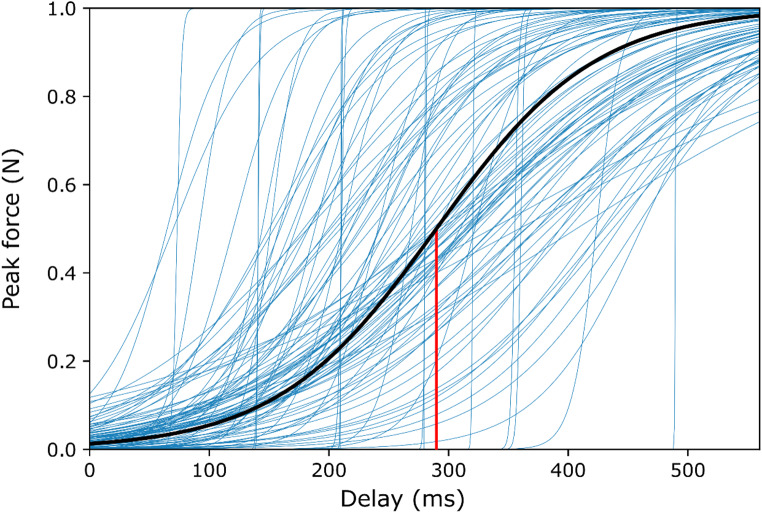 Figure 3
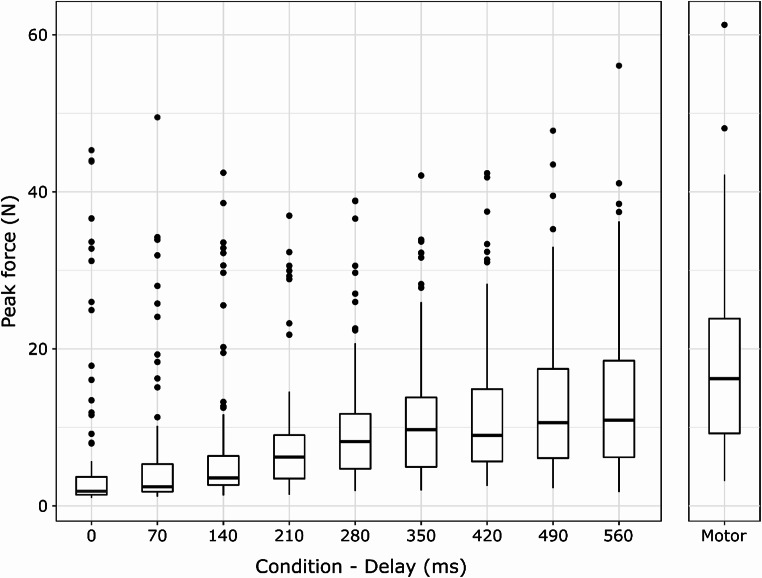 Figure 4
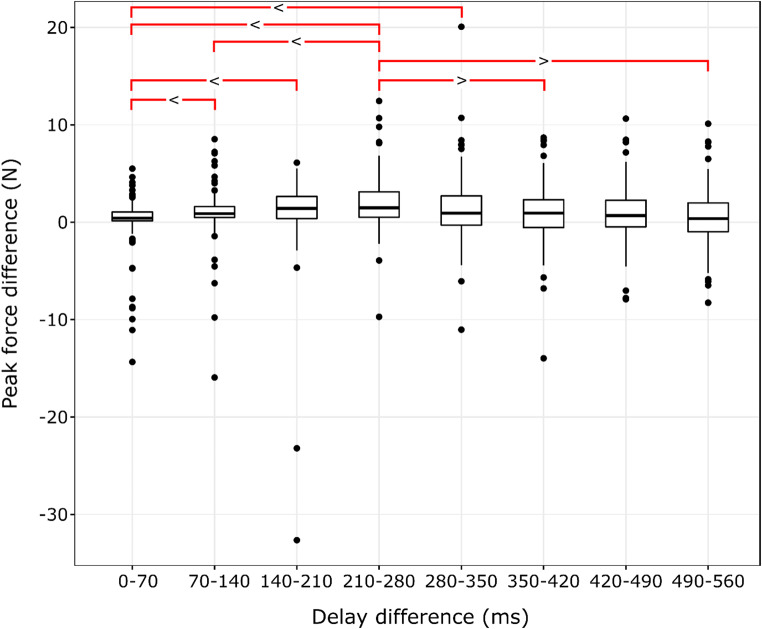 Figure 5
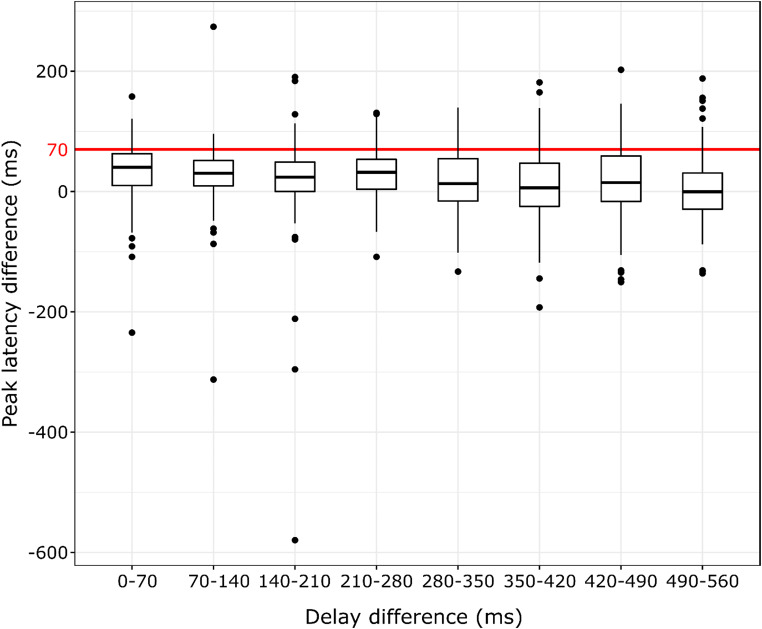 Figure 6
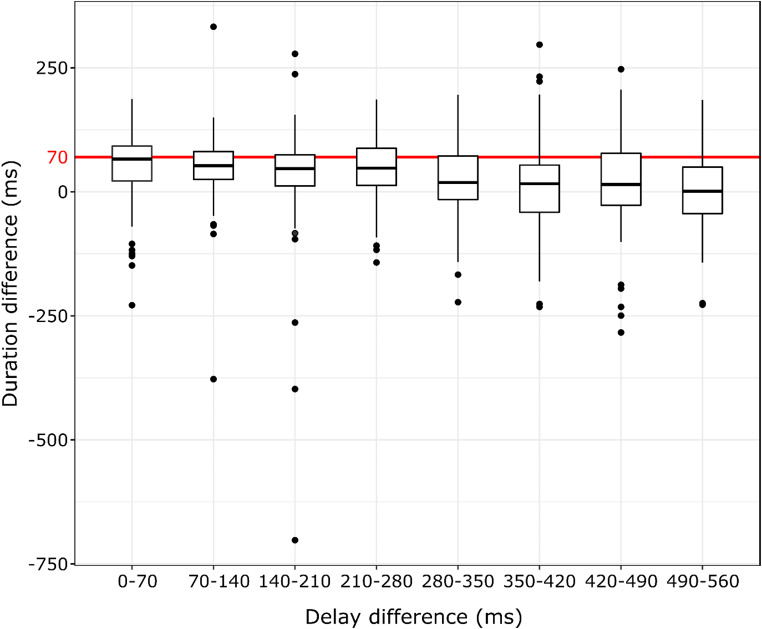 Figure 7
Peer Reviews
No public reviews on file for this paper yet. If you reviewed it on a platform where reviews are public (OpenReview, ICLR, NeurIPS, ICML), you can paste yours below so the community can read it here.
Videos
No videos yet. Explain this paper in a talk, walkthrough, or lecture? Add one.
Taxonomy
TopicsAction Observation and Synchronization · Neuroscience and Music Perception · Motor Control and Adaptation