Evaluation of probiotic properties and complete genome analysis of lactic acid bacteria isolated from crested ibis Nipponia nippon feces
Lei Yang, Jie Luo, Yan Zeng, Baoyue Zhang, Yang Wang, Gang Shu, Xiaoling Zhao, Juchun Lin, Haohuan Li, Funeng Xu, Wei Zhang, Hualin Fu, Felix Kwame Amevor, Rui Liu

TL;DR
This study explores lactic acid bacteria from crested ibis feces, identifying a strain with potential probiotic properties and analyzing its genome.
Contribution
The study provides the first comprehensive genome analysis of a probiotic lactic acid bacterium isolated from crested ibis feces.
Findings
Five isolates survived under low acid and high bile salt conditions, showing probiotic potential.
L. plantarum E7 was identified as safe in mice and has genes linked to probiotic functions like acid tolerance and metabolism.
The genome of L. plantarum E7 includes a chromosome with 3024 genes and two plasmids with fewer coding genes.
Abstract
Crested ibis (Nipponia nippon) is a rare bird whose intestinal tract is rich in lactic acid bacteria (LAB), but there is less research on LAB isolated from crested ibises. From the fecal samples, Twenty isolates were obtained from fecal samples and subjected to a series of tests, including biochemical identification, acid and bile tolerance assays, in vitro pathogen inhibition, cell surface hydrophobicity assessment, antibiotic susceptibility testing, and hemolytic activity evaluation to determine their probiotic potential. We fed L. plantarum E7 to mice to evaluate safety. Nanopore PromethION48 and the Illumina Novaseq sequencing platforms were used to sequence the genome of L. plantarum E7. Five isolates (D1, D2, D6, E7 and D8) were able to survive under low acid and high bile salt conditions. Except for D8, the other four isolates (D1, D2, D6 and E7) exhibited inhibitory activity…
Genes, proteins, chemicals, diseases, species, mutations and cell lines named across the full text — each resolved to its canonical identifier and authoritative record.
Click any figure to enlarge with its caption.
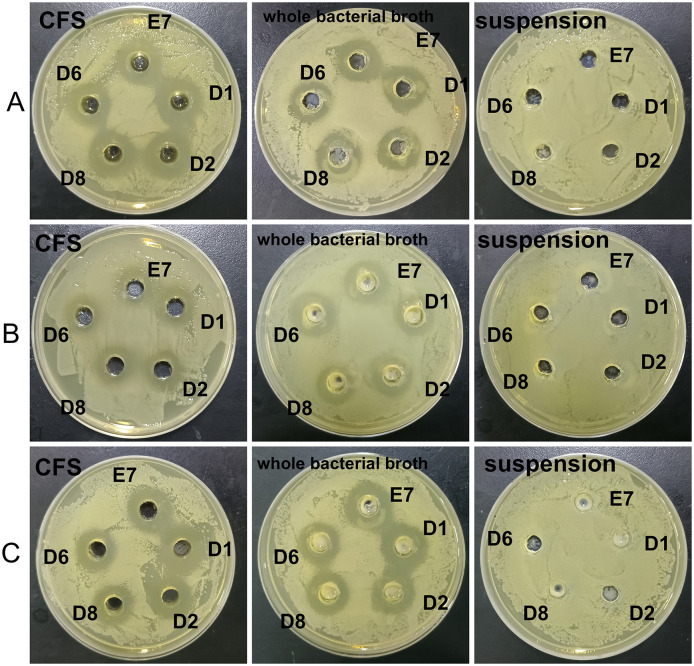 Figure 1
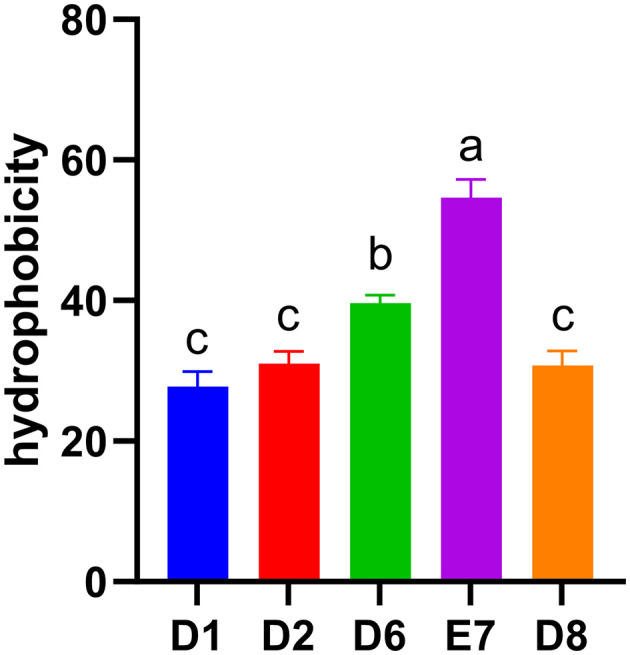 Figure 2
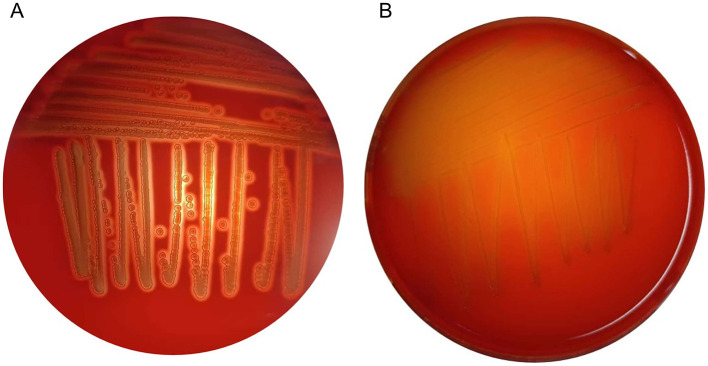 Figure 3
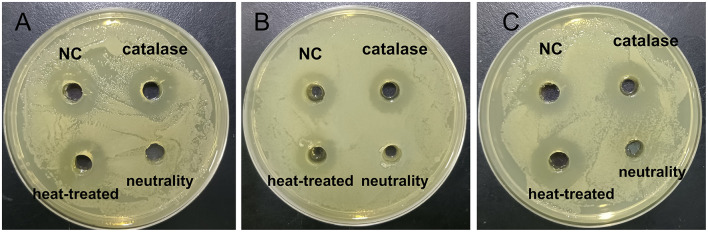 Figure 4
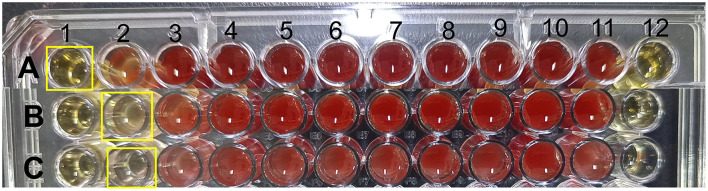 Figure 5
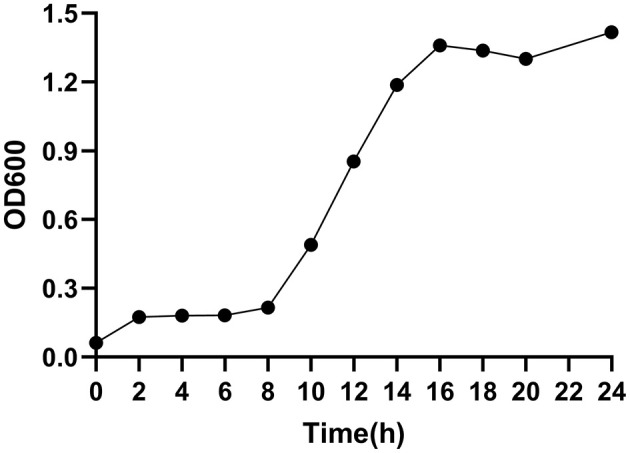 Figure 6
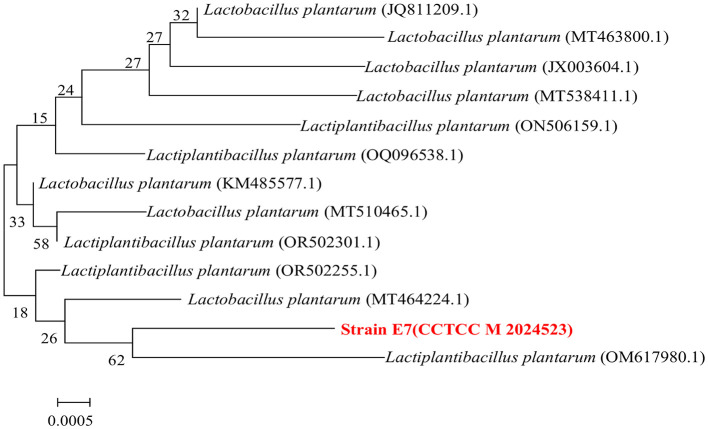 Figure 7
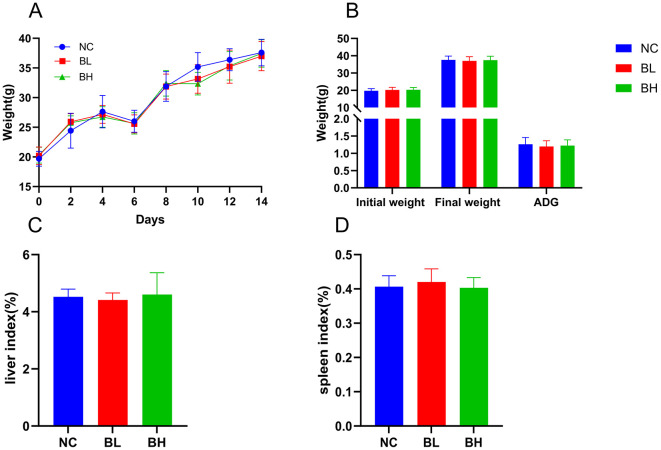 Figure 8
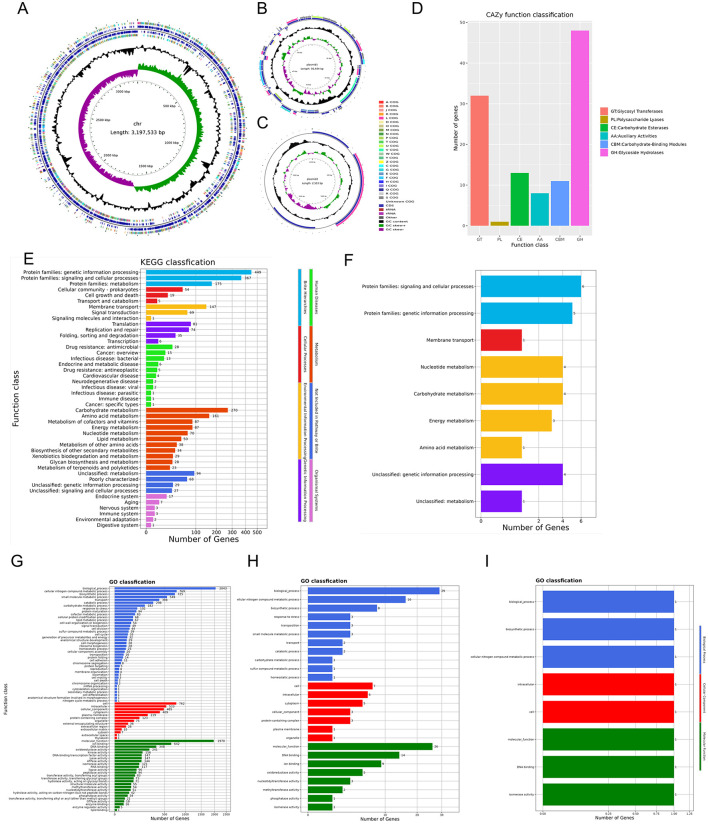 Figure 9
Peer Reviews
No public reviews on file for this paper yet. If you reviewed it on a platform where reviews are public (OpenReview, ICLR, NeurIPS, ICML), you can paste yours below so the community can read it here.
Videos
No videos yet. Explain this paper in a talk, walkthrough, or lecture? Add one.
Taxonomy
TopicsProbiotics and Fermented Foods · Animal Nutrition and Physiology · Microbial Metabolites in Food Biotechnology