Novel cVEMP procedure reveals sexual dimorphism in peak to trough latency
Max Gattie, Elena V. M. Lieven, Karolina Kluk

TL;DR
A new VEMP testing method found that women have shorter peak to trough latency than men, suggesting a sex-based difference in vestibular function.
Contribution
A novel VEMP procedure with increased sensitivity revealed a significant sex difference in peak to trough latency in humans.
Findings
Women had significantly shorter VEMP peak to trough latency than men by 2.4 ms.
There was no significant sex difference in VEMP peak to trough amplitude.
Findings align with rat studies, suggesting sex hormones or anatomical differences may contribute to the dimorphism.
Abstract
Sex difference in latency for cervical vestibular-evoked myogenic potential (VEMP) has been reported in Brown Norway rats. Human investigations of sex difference in VEMP latency have shown inconsistent results, although there are indicators of sexual dimorphism in vestibular function and a higher reporting rate for vestibular disorder in women than in men. Sex effects in human VEMP were re-evaluated here using a procedure adapting clinical protocols for higher sensitivity. VEMP was compared between 24 women and 24 men using a novel procedure that (1) controlled neck tension with biofeedback and a padded head bar; (2) used body-conducted stimuli to eliminate sound exposure concerns and collect appreciably more data than is feasible with air-conducted stimuli; which in turn (3) increased statistical power because there were sufficient data for a linear mixed effects regression modelling…
Genes, proteins, chemicals, diseases, species, mutations and cell lines named across the full text — each resolved to its canonical identifier and authoritative record.
Click any figure to enlarge with its caption.
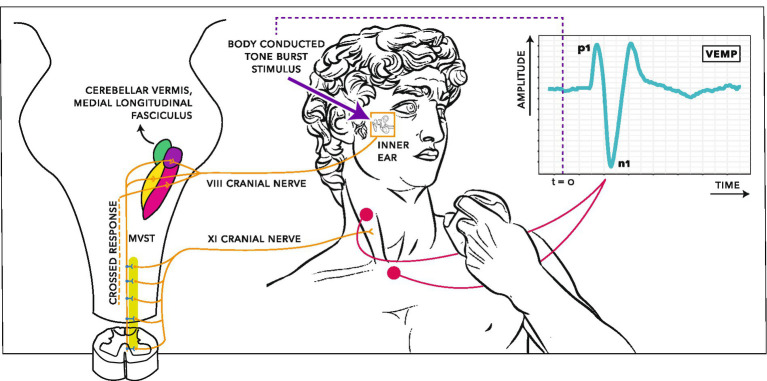 Figure 1
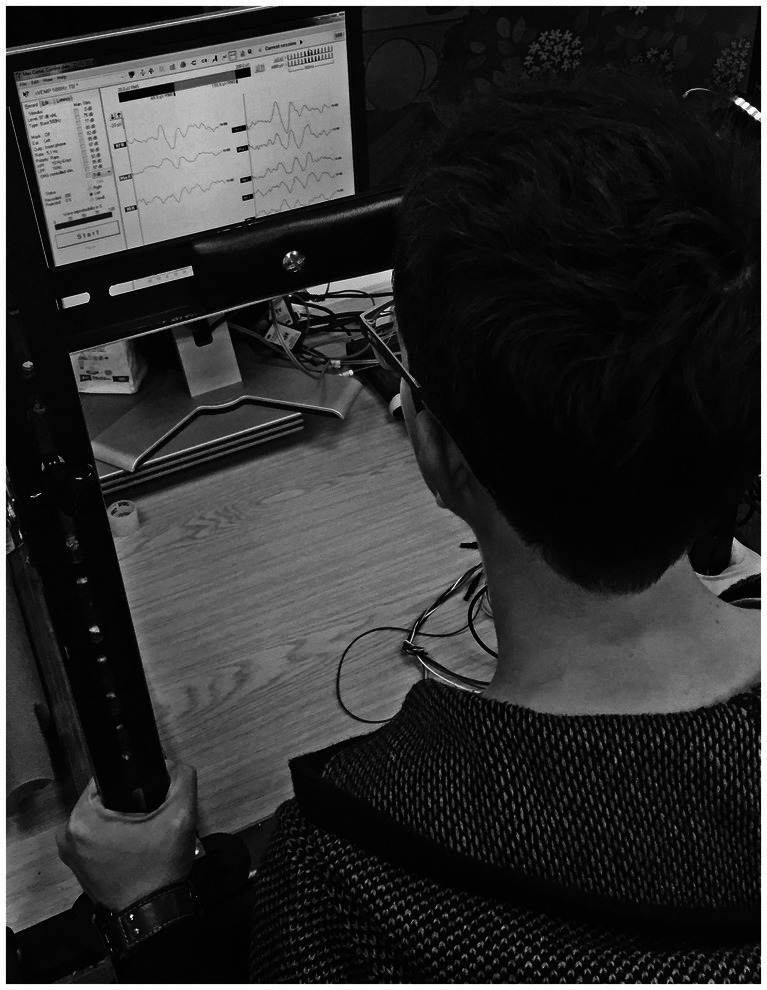 Figure 2
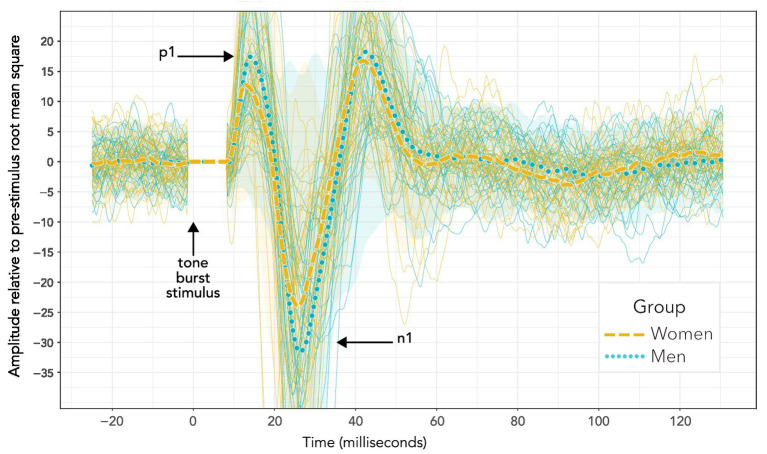 Figure 3
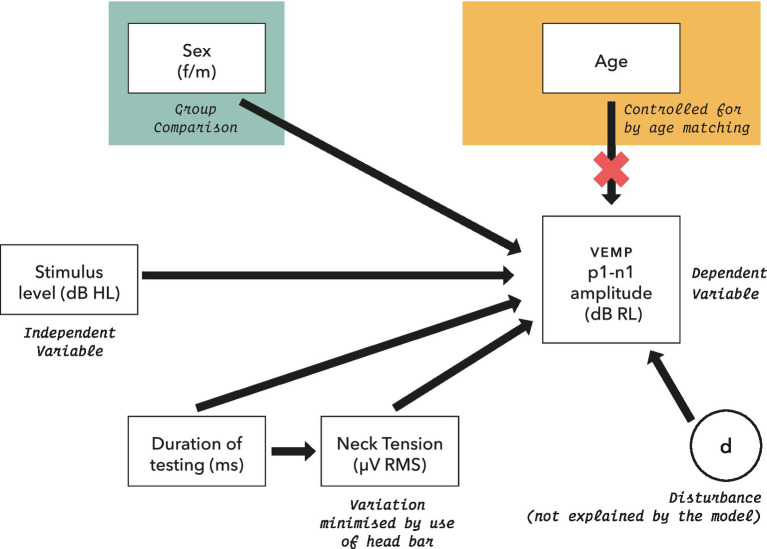 Figure 4
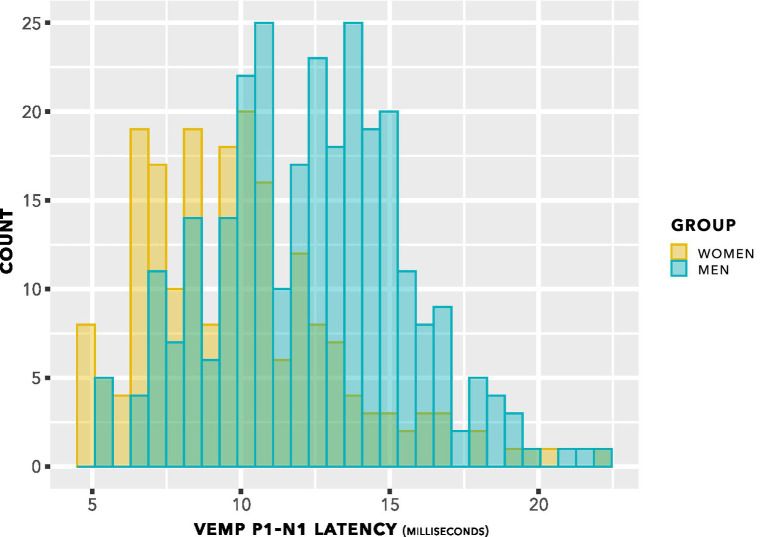 Figure 5
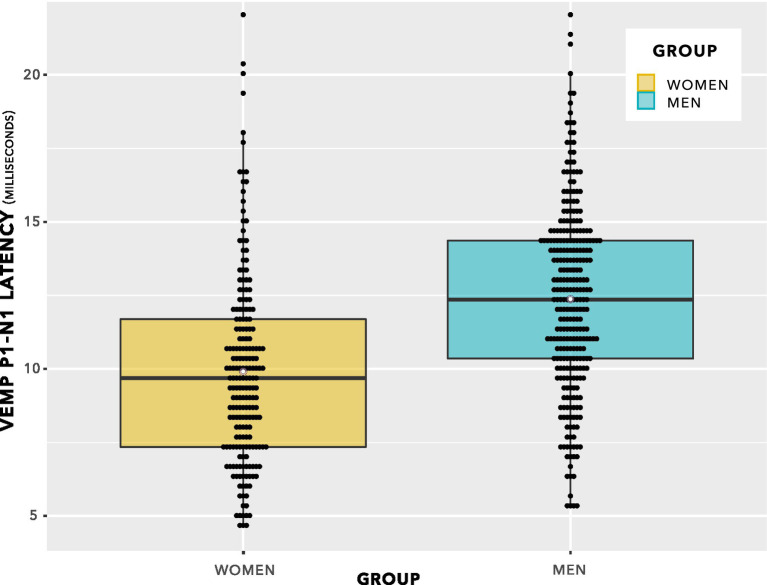 Figure 6
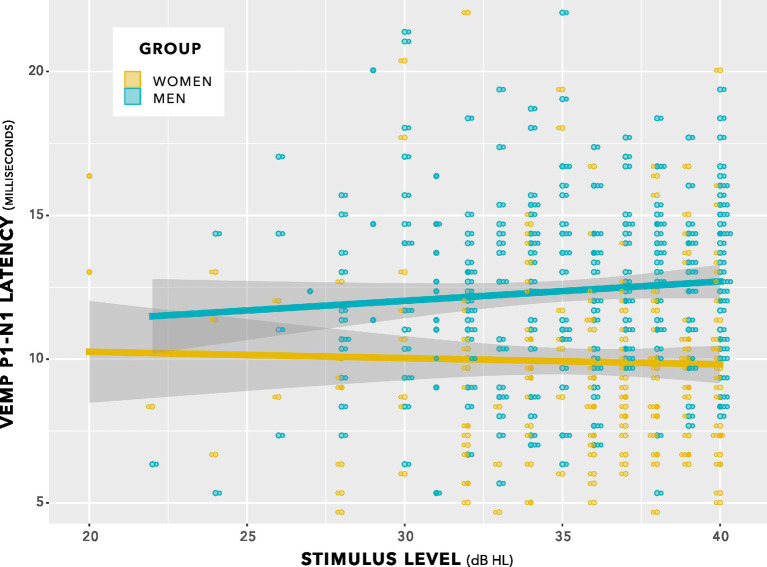 Figure 7
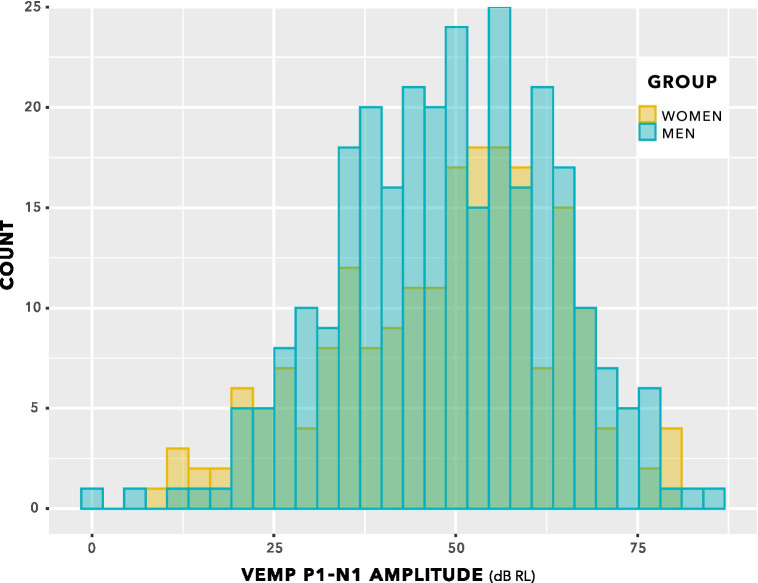 Figure 8
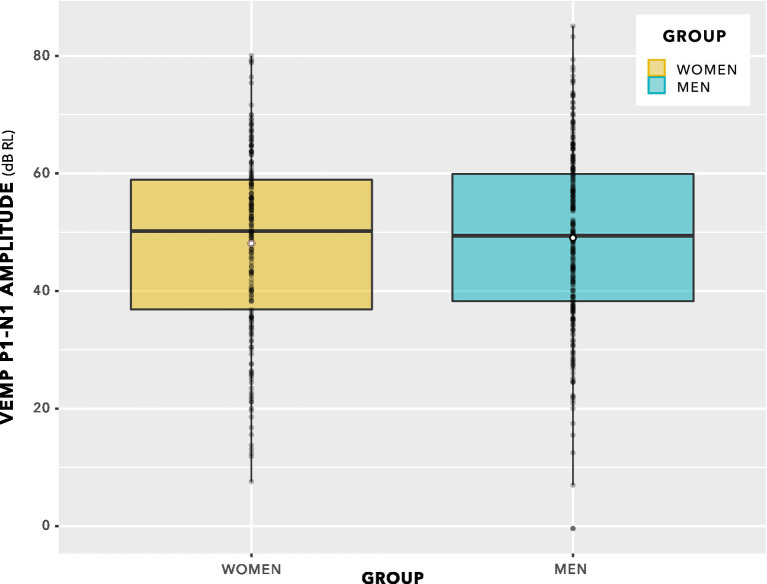 Figure 9
 Figure 10
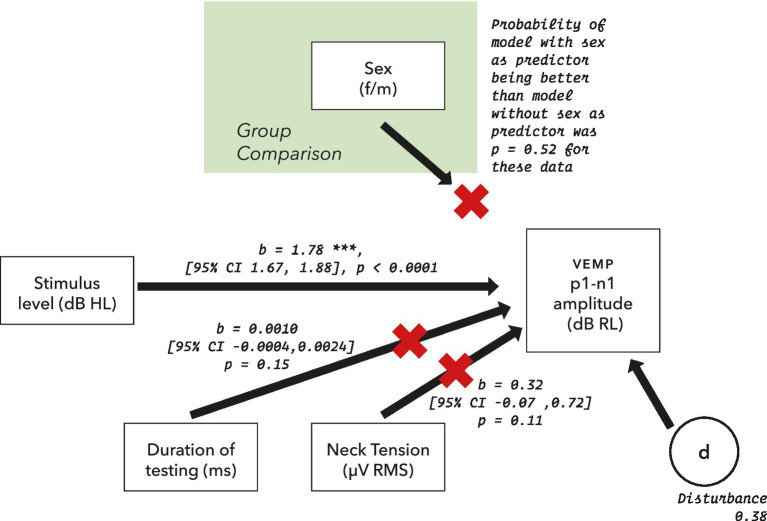 Figure 11
 Figure 12
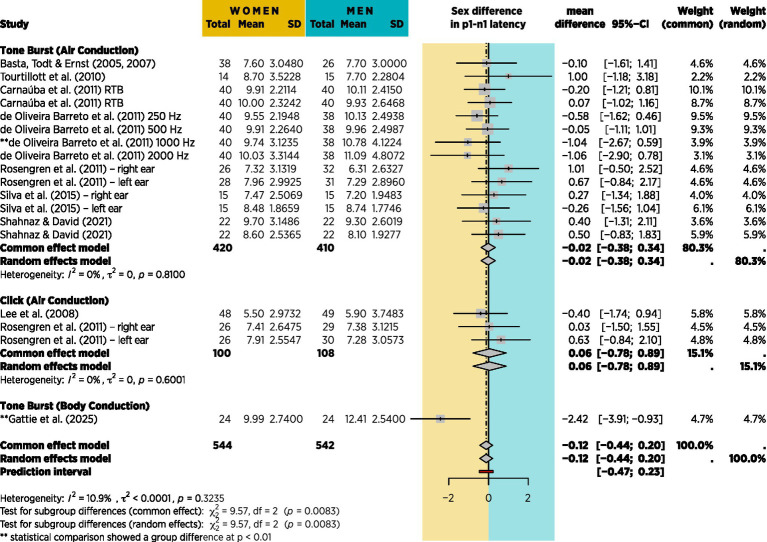 Figure 13
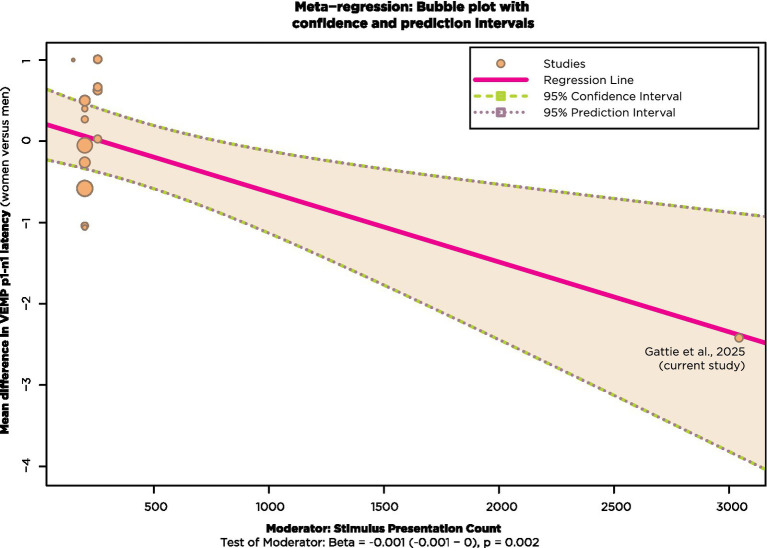 Figure 14
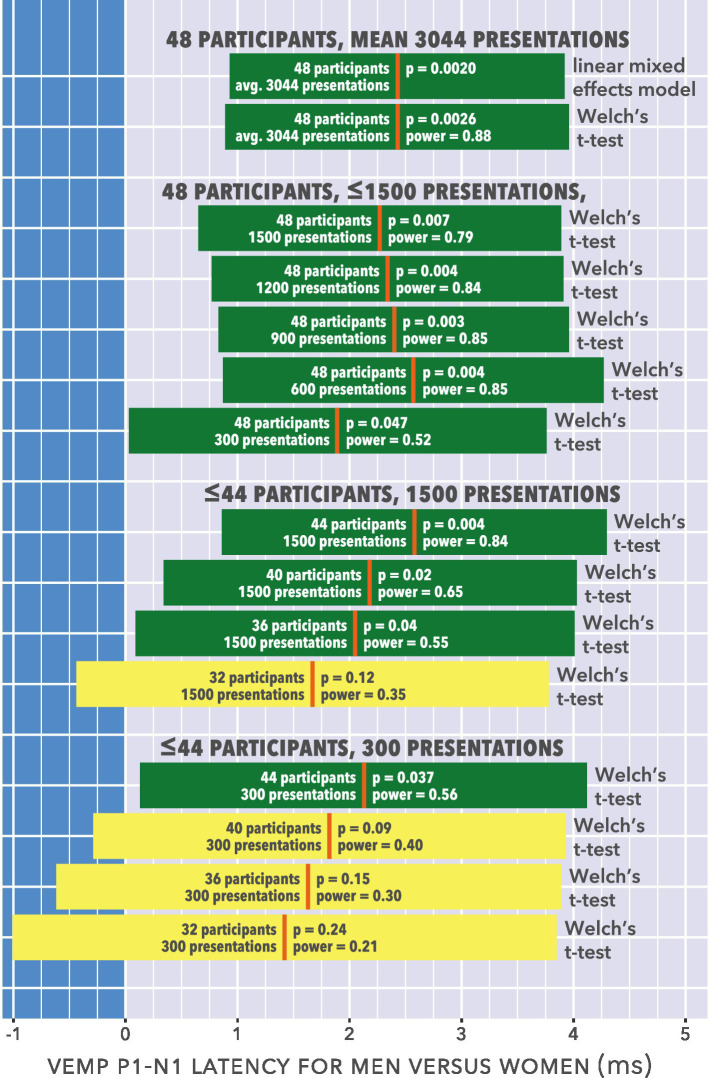 Figure 15
Peer Reviews
No public reviews on file for this paper yet. If you reviewed it on a platform where reviews are public (OpenReview, ICLR, NeurIPS, ICML), you can paste yours below so the community can read it here.
Videos
No videos yet. Explain this paper in a talk, walkthrough, or lecture? Add one.
Taxonomy
TopicsSexual function and dysfunction studies · Dermatology and Skin Diseases · Pelvic floor disorders treatments