Graft ischemia post cell transplantation to the brain: Glucose deprivation as the primary driver of rapid cell death
Abrar Hakami, Sebastiano Antonio Rizzo, Oliver J.M. Bartley, Rachel Hills, Sophie V. Precious, Timothy Ostler, Marija Fjodorova, Majed Alghamdi, Anne E. Rosser, Emma L. Lane, Thomas E. Woolley, Mariah J. Lelos, Ben Newland

TL;DR
This study finds that lack of glucose, not oxygen, is the main cause of cell death after brain cell transplants, challenging previous assumptions.
Contribution
The study identifies glucose deprivation as the primary driver of rapid cell death in transplanted brain grafts, overturning the common belief about hypoxia.
Findings
Neuron progenitor cells and VM cells remained viable in severe hypoxia, contradicting hypoxia-induced death theories.
Glucose deprivation was shown to be the main driver of cell death in ischemic conditions.
Glucose supplementation via osmotic minipumps did not improve cell survival in transplanted cells.
Abstract
Replacing cells lost during the progression of neurodegenerative disorders holds potential as a therapeutic strategy. Unfortunately, the majority of cells die post-transplantation, which creates logistical and biological challenges for cell therapy approaches. The cause of cell death is likely to be multifactorial in nature but has previously been correlated with hypoxia in the graft core. Here we use mathematical modelling to highlight that grafted cells experiencing hypoxia will also face a rapid decline in glucose availability. Interestingly, three neuron progenitor types derived from stem cell sources, and primary human fetal ventral mesencephalic (VM) cells all remained highly viable in severe hypoxia (0.1 % oxygen), countering the idea of rapid hypoxia-induced death in grafts. However, we demonstrate that glucose deprivation, not a paucity of oxygen, was a driver of rapid cell…
Genes, proteins, chemicals, diseases, species, mutations and cell lines named across the full text — each resolved to its canonical identifier and authoritative record.
Click any figure to enlarge with its caption.
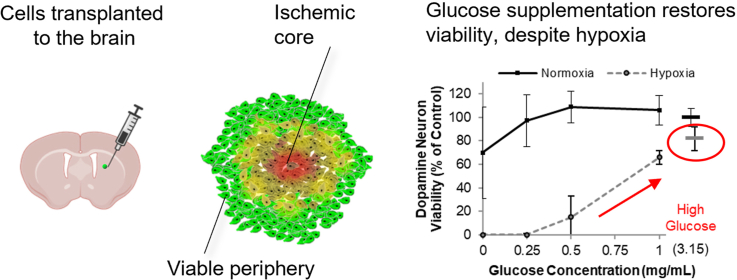 Figure 1
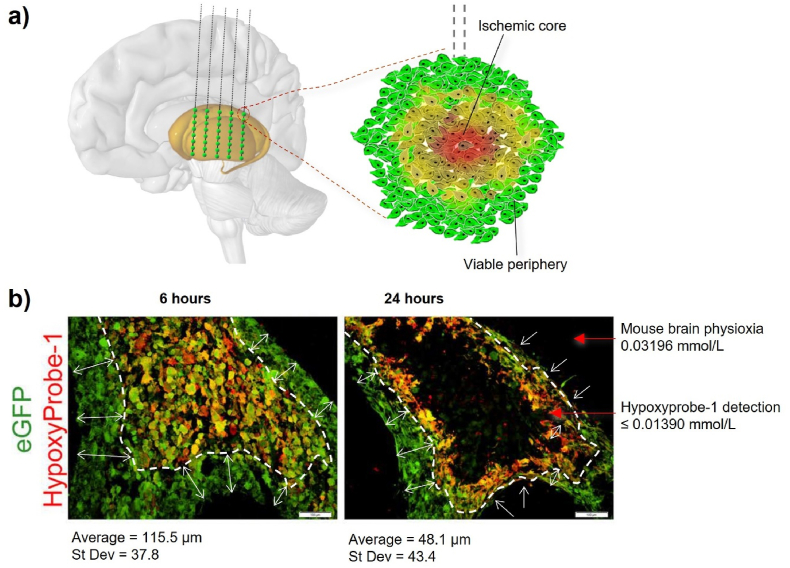 Figure 2
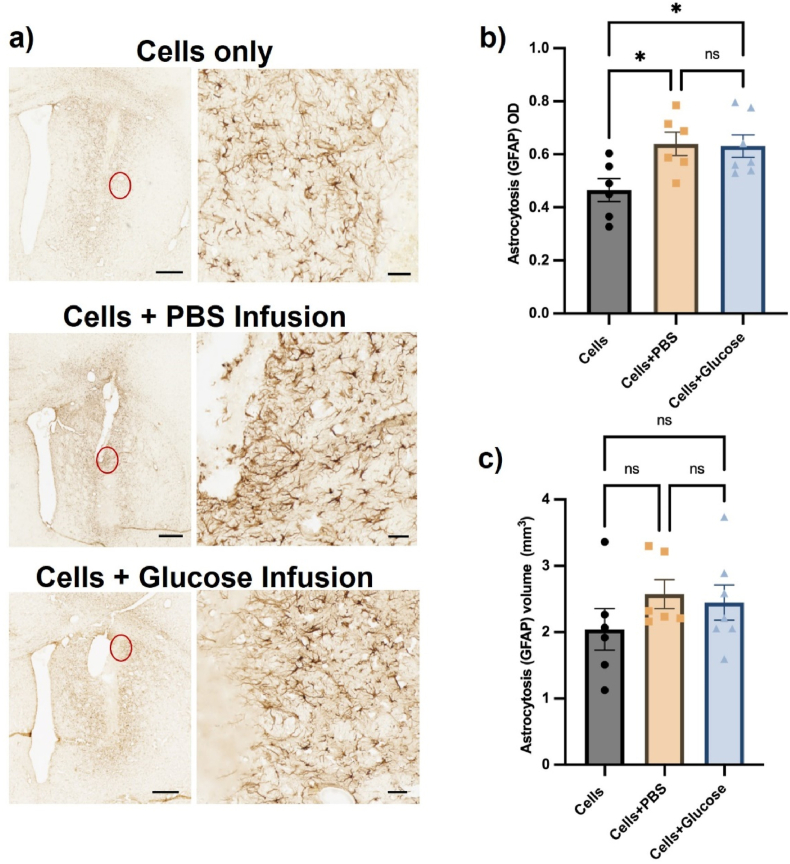 Figure 3
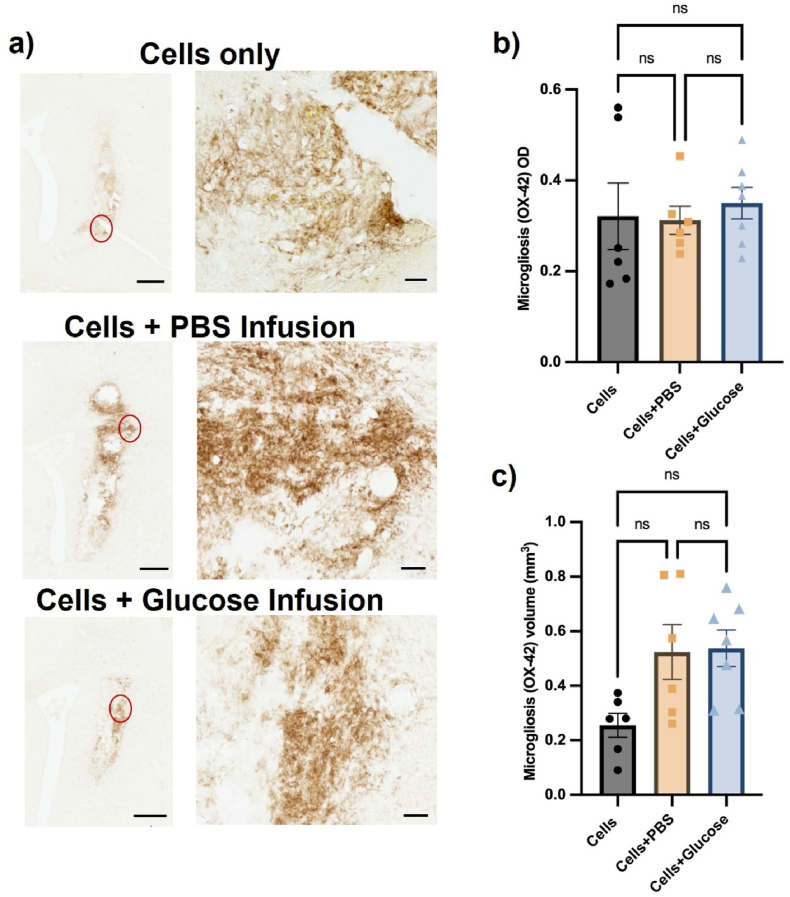 Figure 4
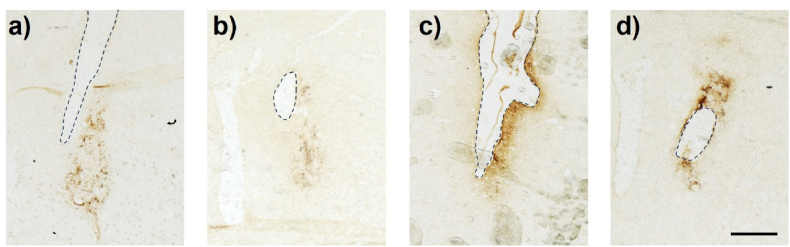 Figure 5
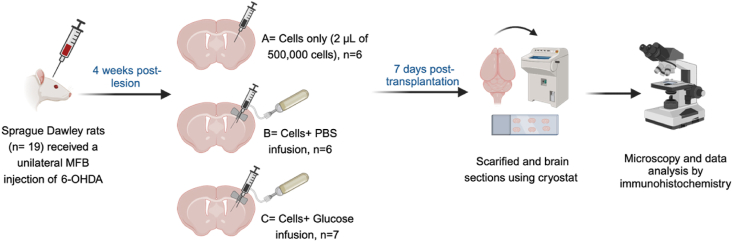 Figure 6
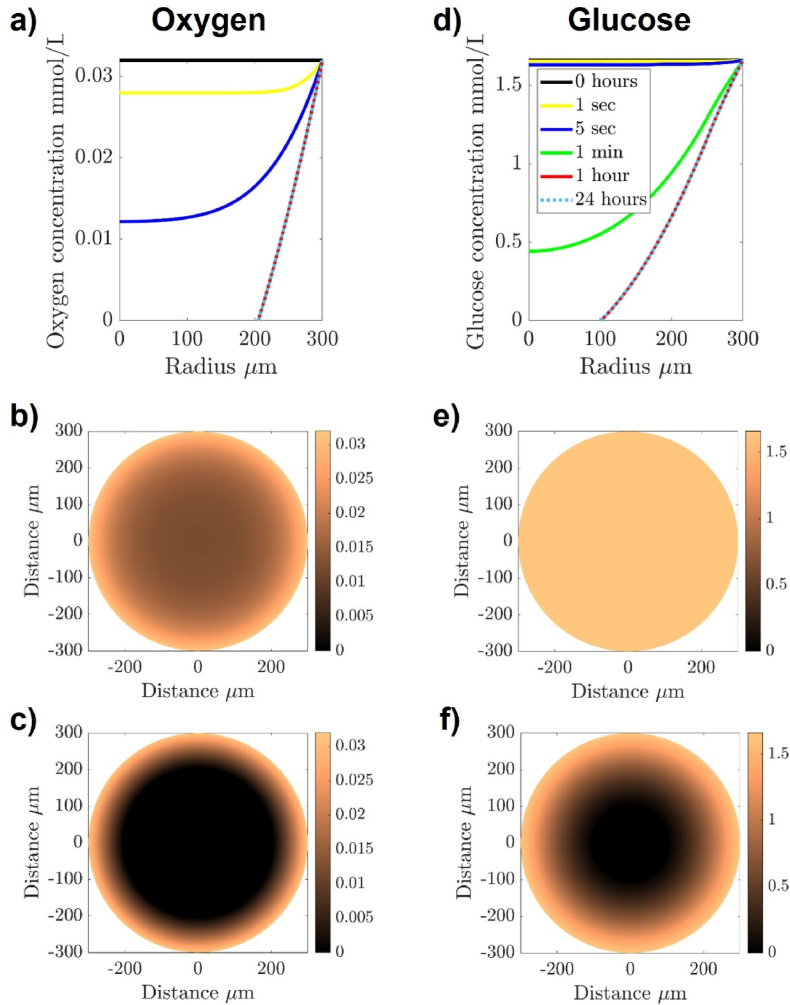 Figure 7
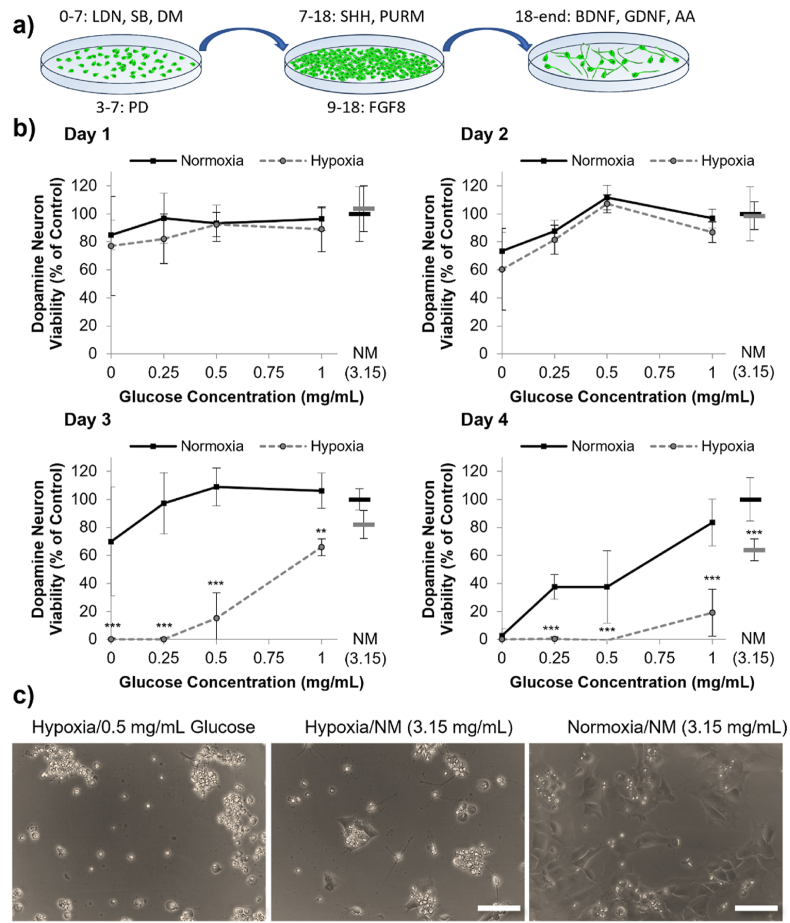 Figure 8
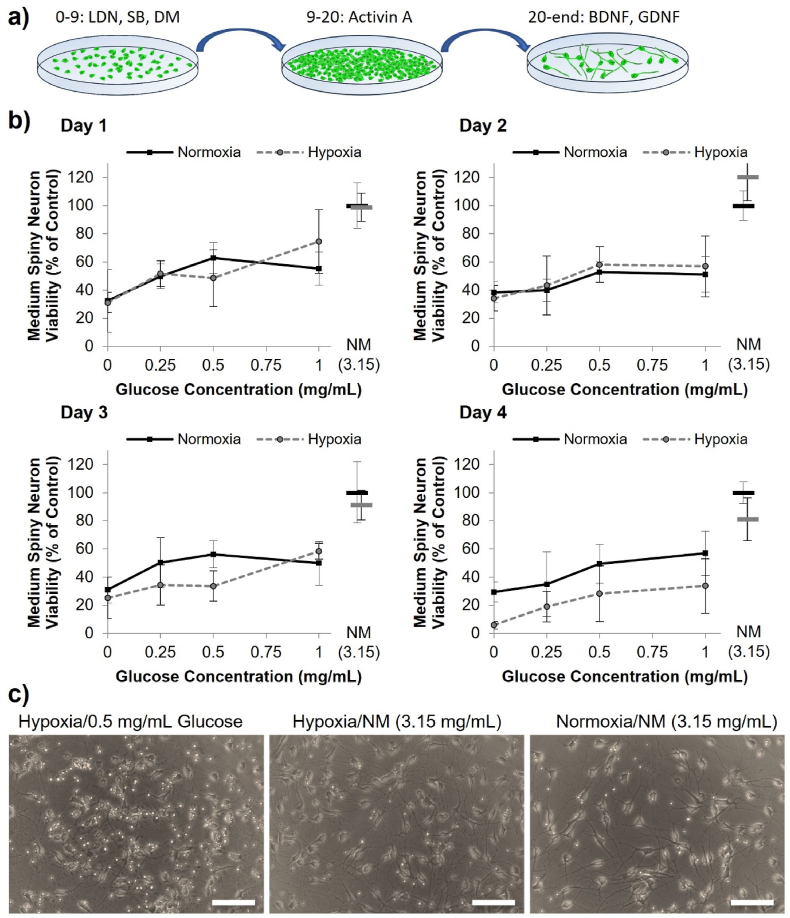 Figure 9
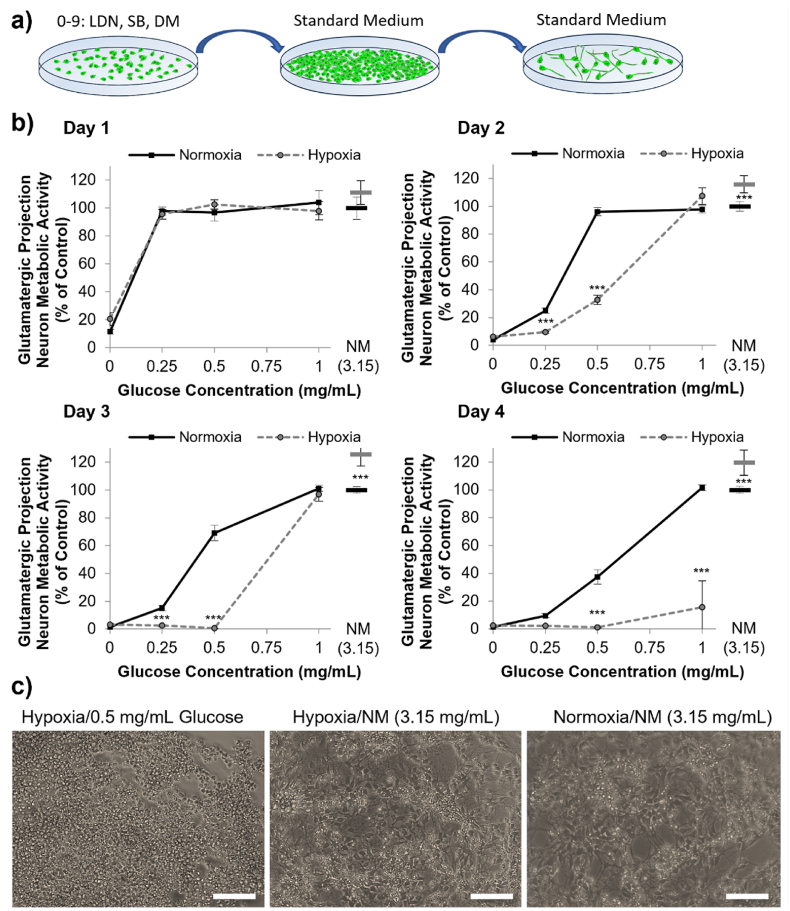 Figure 10
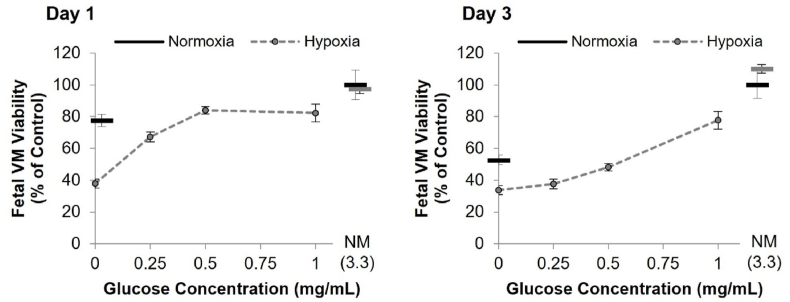 Figure 11
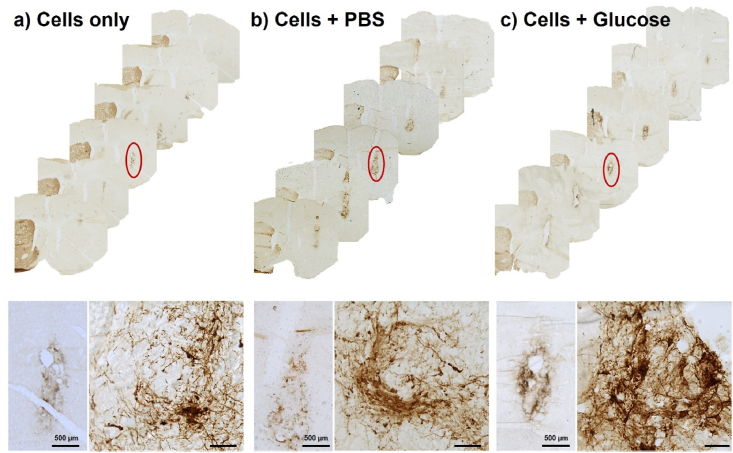 Figure 12
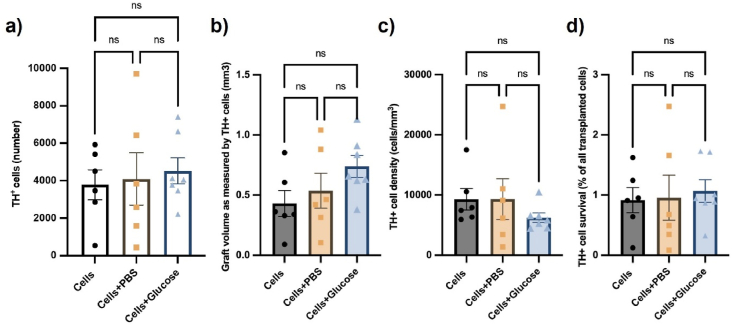 Figure 13
Peer Reviews
No public reviews on file for this paper yet. If you reviewed it on a platform where reviews are public (OpenReview, ICLR, NeurIPS, ICML), you can paste yours below so the community can read it here.
Videos
No videos yet. Explain this paper in a talk, walkthrough, or lecture? Add one.
Taxonomy
TopicsNeuroscience and Neuropharmacology Research · RNA Interference and Gene Delivery · Neurogenesis and neuroplasticity mechanisms