When Time Is Not on Your Side: Delayed Recognition of Hand Compartment Syndrome After a Fracture
Edmund M. Bediako, Geraldine K. Mould, Eadbert Nortey, Abigail Mills-Annoh, Priscilla Kyei-Baffour, Ama Ekem, Jemima C. A. Clarke, Eugene F. E. K. Apaloo, Susan Quartey-Papafio, Kwame Ekremet

TL;DR
This paper presents a rare case of hand compartment syndrome that was recognized too late after a fall, highlighting the importance of early detection to avoid serious complications.
Contribution
The paper contributes a documented case report on the delayed recognition of hand compartment syndrome following a fracture.
Findings
Hand compartment syndrome is rare and often underreported compared to forearm compartment syndrome.
Delayed recognition of hand compartment syndrome can lead to permanent disability.
Early diagnosis and treatment are crucial to prevent life-threatening complications.
Abstract
Compartment syndrome of the forearm is a well-described clinical entity, but only a few case reports on hand compartment syndromes have been reported due to its rarity. The early recognition and treatment of this potential threat to the limb are important in order to prevent permanent disability and other life-threatening complications. This is a documented case report on the late presentation of compartment syndrome of the hand following a fall.
Genes, proteins, chemicals, diseases, species, mutations and cell lines named across the full text — each resolved to its canonical identifier and authoritative record.
Click any figure to enlarge with its caption.
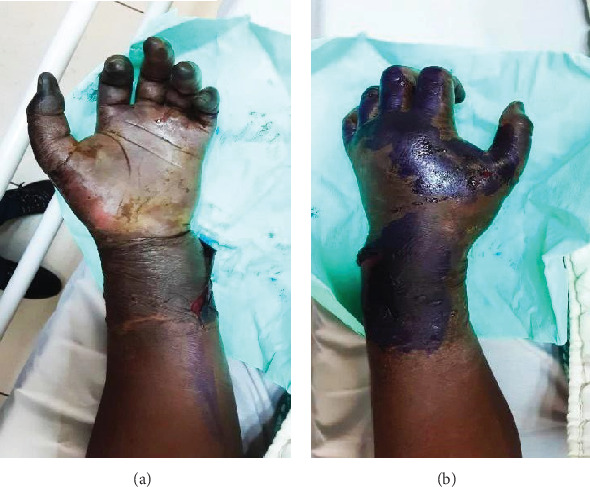 Figure 1
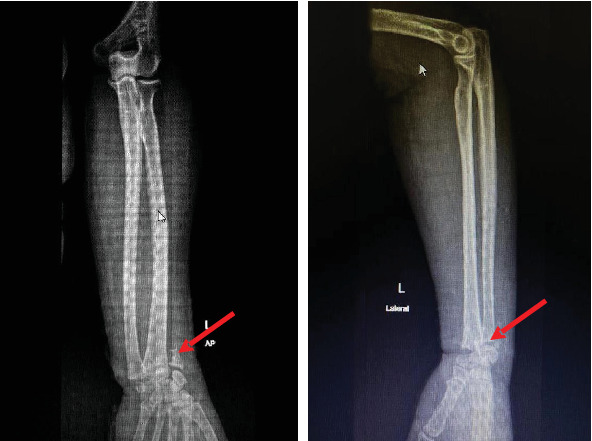 Figure 2
Peer Reviews
No public reviews on file for this paper yet. If you reviewed it on a platform where reviews are public (OpenReview, ICLR, NeurIPS, ICML), you can paste yours below so the community can read it here.
Videos
No videos yet. Explain this paper in a talk, walkthrough, or lecture? Add one.
Taxonomy
TopicsMuscle and Compartmental Disorders