Unveiling the functional nature of retrogenes in dinoflagellates
Ronie Haro, Renny Lee, Claudio H. Slamovits

TL;DR
This study explores how retrogenes in dinoflagellates function and contribute to stress responses and adaptation.
Contribution
The study provides new evidence of widespread functional retrogenes in dinoflagellates and their role in cellular processes.
Findings
Retrogenes are widespread in dinoflagellates and linked to stress-related processes like post-translational modifications and cell signaling.
Retrogenes are associated with symbiosis and toxin production, highlighting their role in adaptation.
Retrogenes show expression and codon patterns similar to protein-coding genes, indicating functional status.
Abstract
Retroposition is a gene duplication mechanism that uses RNA molecules as intermediaries to generate new gene copies. Dinoflagellates are proposed as an ideal model for exploring this process due to the tagging of retrogenes with DNA-encoded remnants of the dinoflagellate-specific splice-leader motif at their 5′ end. We conducted a comprehensive search for retrogenes in dinoflagellate transcriptomes to uncover their functional nature and the processes underlying their redundancy. We obtained a high-confidence set of hypothetical functional retrogenes widespread through the dinoflagellate lineage. Through annotations and gene ontology enrichment analysis, we found that the functional diversity of retrogenes reflects the most prevalent and active processes during stress periods, particularly those involving post-translational modifications and cell signalling pathways. Additionally, the…
Genes, proteins, chemicals, diseases, species, mutations and cell lines named across the full text — each resolved to its canonical identifier and authoritative record.
Click any figure to enlarge with its caption.
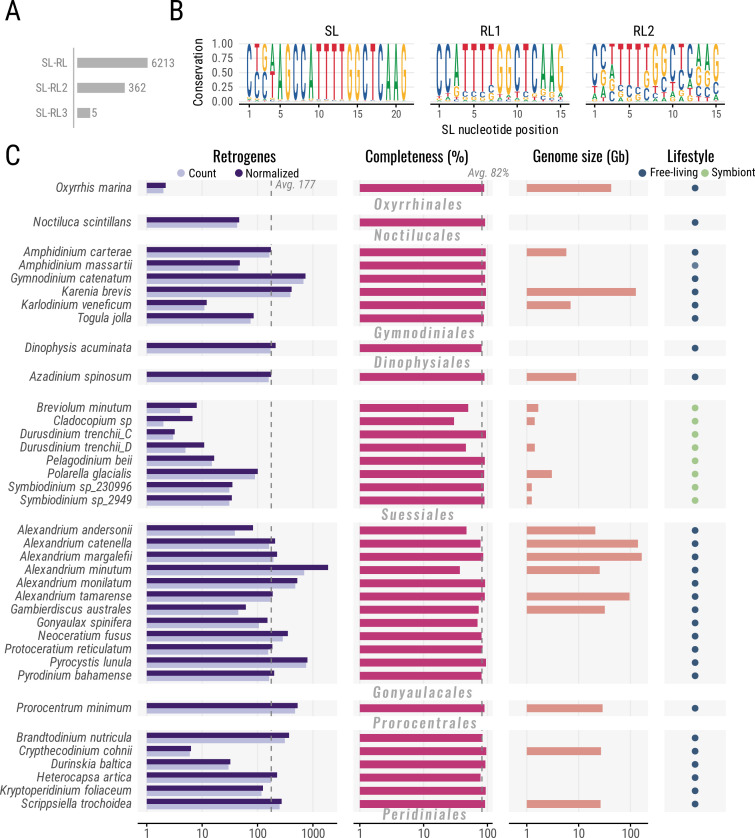 Figure 1
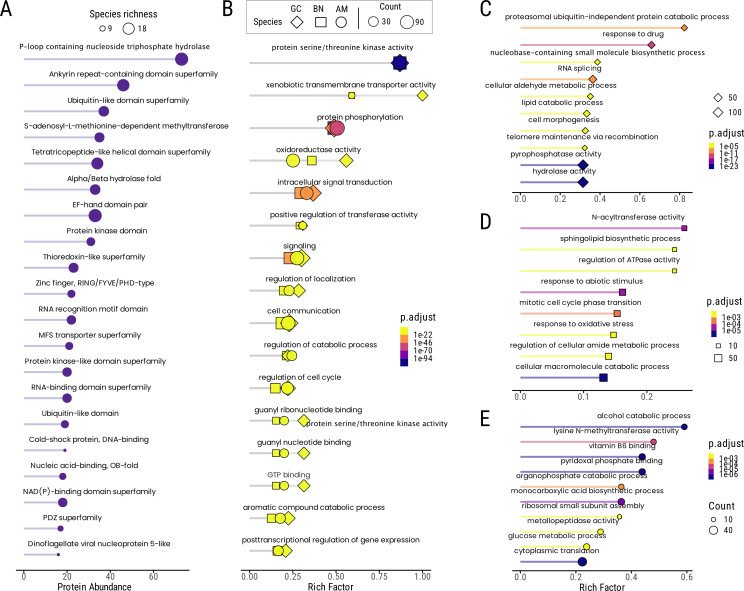 Figure 2
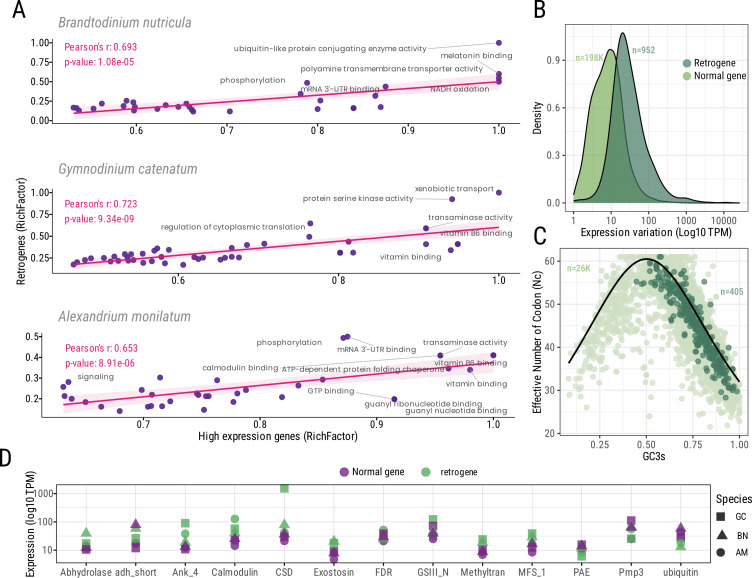 Figure 3
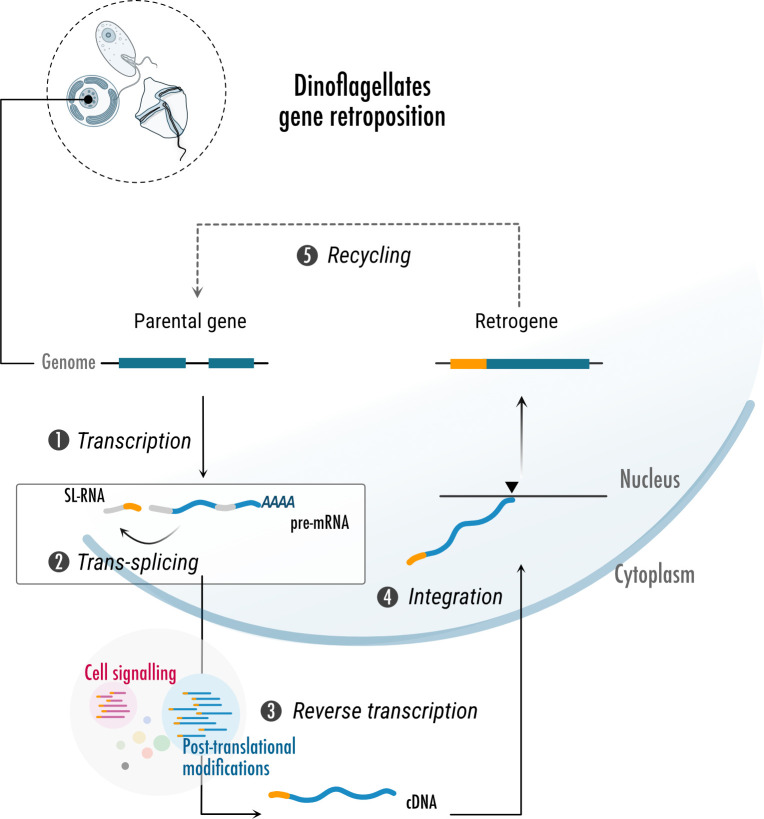 Figure 4
Peer Reviews
No public reviews on file for this paper yet. If you reviewed it on a platform where reviews are public (OpenReview, ICLR, NeurIPS, ICML), you can paste yours below so the community can read it here.
Videos
No videos yet. Explain this paper in a talk, walkthrough, or lecture? Add one.
Taxonomy
TopicsProtist diversity and phylogeny · Microbial Community Ecology and Physiology · Genomics and Phylogenetic Studies