Physicians' Perceptions of Barriers and Facilitators to the Improvement of Healthcare Equity for Children Hospitalized With Traumatic Brain Injury: Preliminary Findings From a Pilot Multicenter Pediatric Trauma Study From the United States
Chelsea D Hicks, Heather Barnett, Jennifer Shi, Julia Velonjara, Mauricio A Escobar, Darci Evans, John Fisher, Arnett Klugh III, Katrina M Morgan, Morgan K Richards, Sarah Risen, Courtney Robertson, Irim Salik, Dennis W Simon, Arul S Thirumoorthi, Deidre L Wyrick, Bryan J Weiner

TL;DR
This study explores how physicians perceive barriers and facilitators to providing equitable care for children with traumatic brain injuries in US trauma centers.
Contribution
The paper presents preliminary findings on physician perceptions of healthcare equity in pediatric TBI care, differentiating between Level I and Level II trauma centers.
Findings
Common barriers included lack of post-discharge services and staff training.
Facilitators included updated provider skills and strong team structures.
Priorities for addressing barriers varied by trauma center level.
Abstract
Background and objective Disparities in outcomes for pediatric patients with traumatic brain injuries (TBI) in rural populations and for racial and ethnic minority groups have been documented. In light of this, we examined physician champions' perceptions of healthcare equity for hospitalized children with TBI. Methods We surveyed 10 physician TBI champions at 10 US pediatric trauma centers (PTCs) regarding organizational characteristics, barriers, and facilitators (domains and specific) in terms of improving healthcare equity, and priorities to redress inequities. Results Level I center TBI champions reported more pediatric beds and higher staffing-to-patient ratios while Level II TBI champions reported more pediatric TBI transfers. Across PTCs, the leading specific barriers were lack of access to post-discharge services, lack of staff training, and inadequate staffing. Level I…
Genes, proteins, chemicals, diseases, species, mutations and cell lines named across the full text — each resolved to its canonical identifier and authoritative record.
Click any figure to enlarge with its caption.
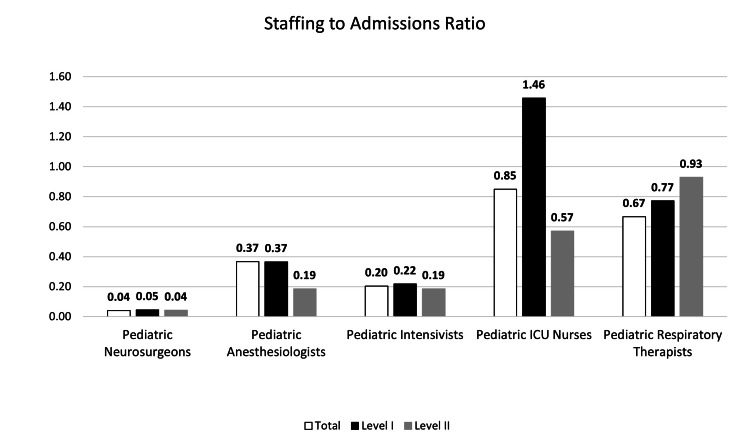 Figure 1
 Figure 2
 Figure 3
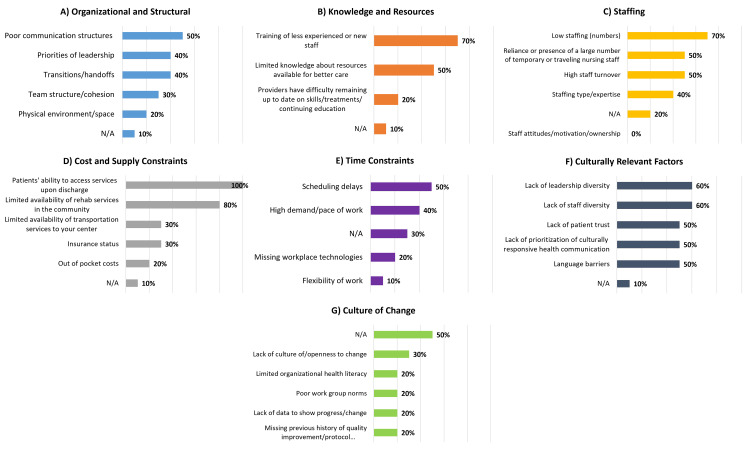 Figure 4
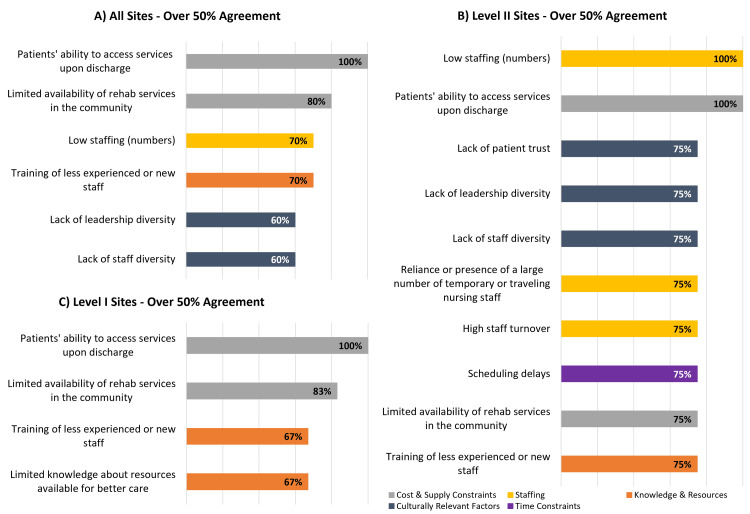 Figure 5
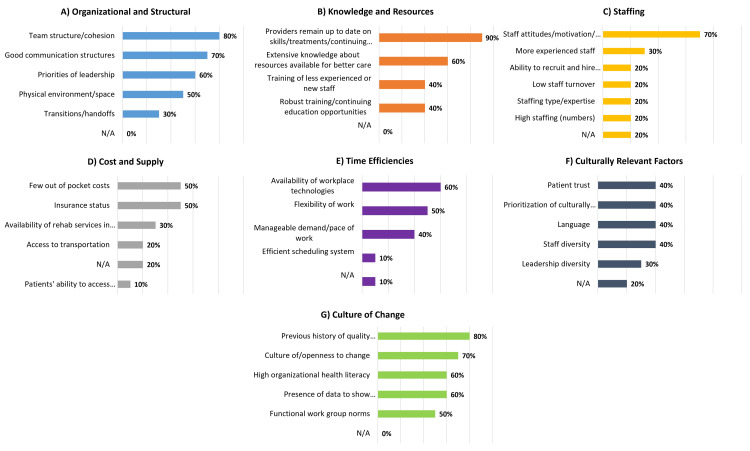 Figure 6
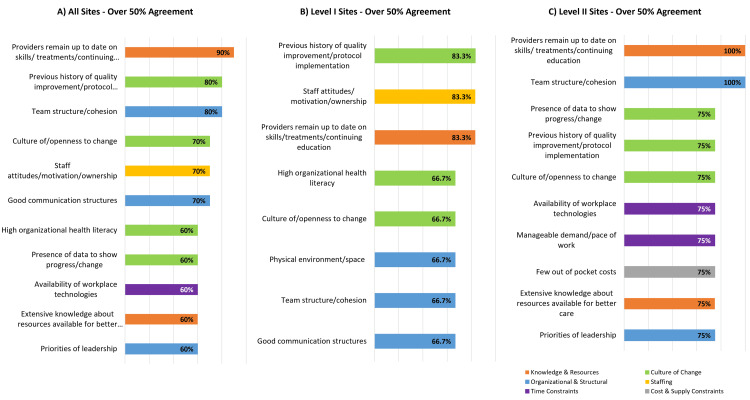 Figure 7
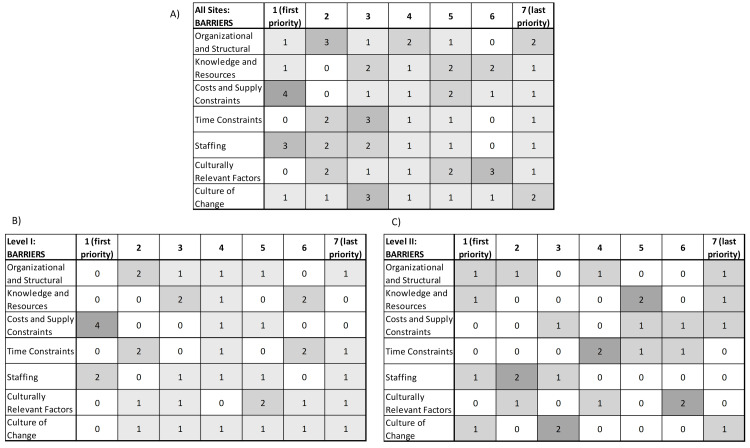 Figure 8
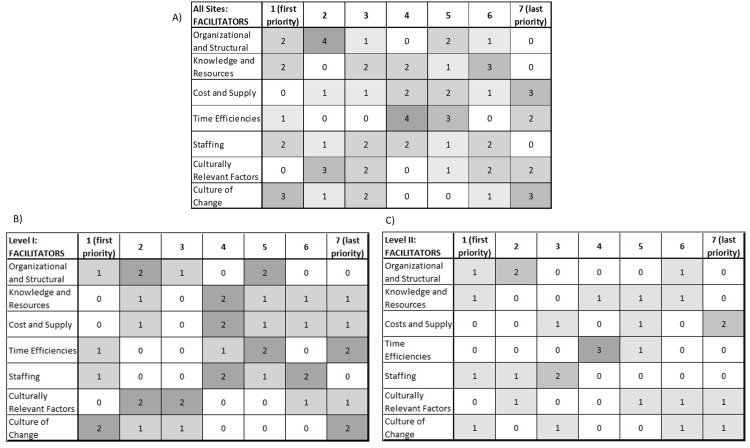 Figure 9
Peer Reviews
No public reviews on file for this paper yet. If you reviewed it on a platform where reviews are public (OpenReview, ICLR, NeurIPS, ICML), you can paste yours below so the community can read it here.
Videos
No videos yet. Explain this paper in a talk, walkthrough, or lecture? Add one.
Taxonomy
TopicsHealthcare Policy and Management · Emergency and Acute Care Studies · Primary Care and Health Outcomes