How Implicit Sequence Learning and Explicit Sequence Knowledge Are Expressed in a Serial Response Time Task
Marius Barth, Christoph Stahl, Hilde Haider

TL;DR
This study explores how implicit and explicit learning affect different cognitive processes in a sequence task, revealing distinct impacts on response selection and execution.
Contribution
The paper introduces a cognitive-processes perspective using the drift-diffusion model to disentangle implicit and explicit sequence learning effects.
Findings
Implicit sequence learning benefits response selection but not stimulus processing.
Explicit knowledge affects response execution when materials are deterministic.
Deterministic materials allow explicit knowledge to shift from stimulus-based to plan-based action control.
Abstract
Sequence learning in the serial response time task (SRTT) is one of few learning phenomena where researchers agree that such learning may proceed in the absence of awareness, while it is also possible to explicitly learn a sequence of events. In the past few decades, research into sequence learning largely focused on the type of representation that may underlie implicit sequence learning, and whether or not two independent learning systems are necessary to explain qualitative differences between implicit and explicit learning. Using the drift-diffusion model, here we take a cognitive-processes perspective on sequence learning and investigate the cognitive operations that benefit from implicit and explicit sequence learning (e.g., stimulus detection and encoding, response selection, and response execution). To separate the processes involved in expressing implicit versus explicit…
Genes, proteins, chemicals, diseases, species, mutations and cell lines named across the full text — each resolved to its canonical identifier and authoritative record.
Click any figure to enlarge with its caption.
 Figure 1
 Figure 2
 Figure 3
 Figure 4
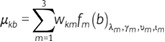 Figure 5
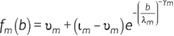 Figure 6
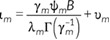 Figure 7
 Figure 8
 Figure 9
 Figure 10
 Figure 11
 Figure 12
 Figure 13
 Figure 14
 Figure 15
 Figure 16
 Figure 17
 Figure 18
 Figure 19
 Figure 20
 Figure 21
 Figure 22
 Figure 23
 Figure 24
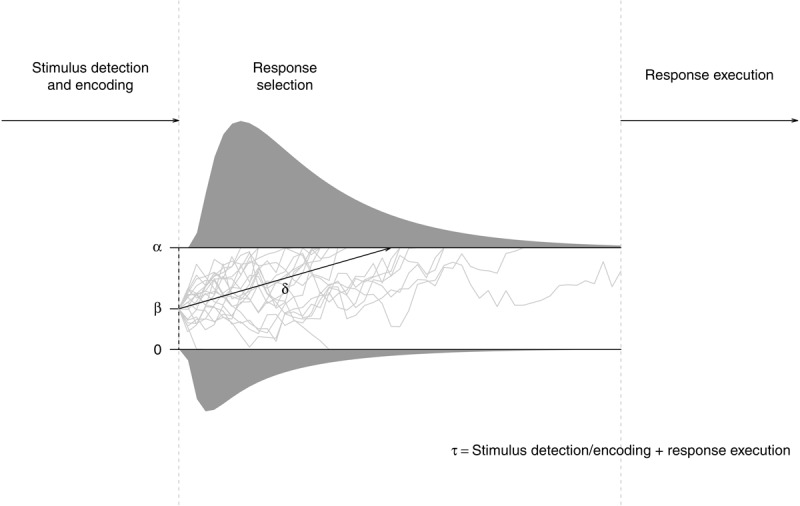 Figure 25
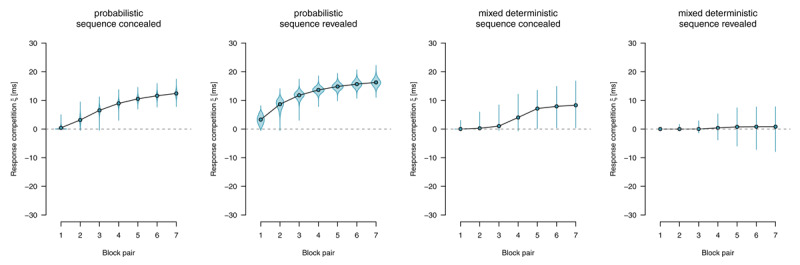 Figure 26
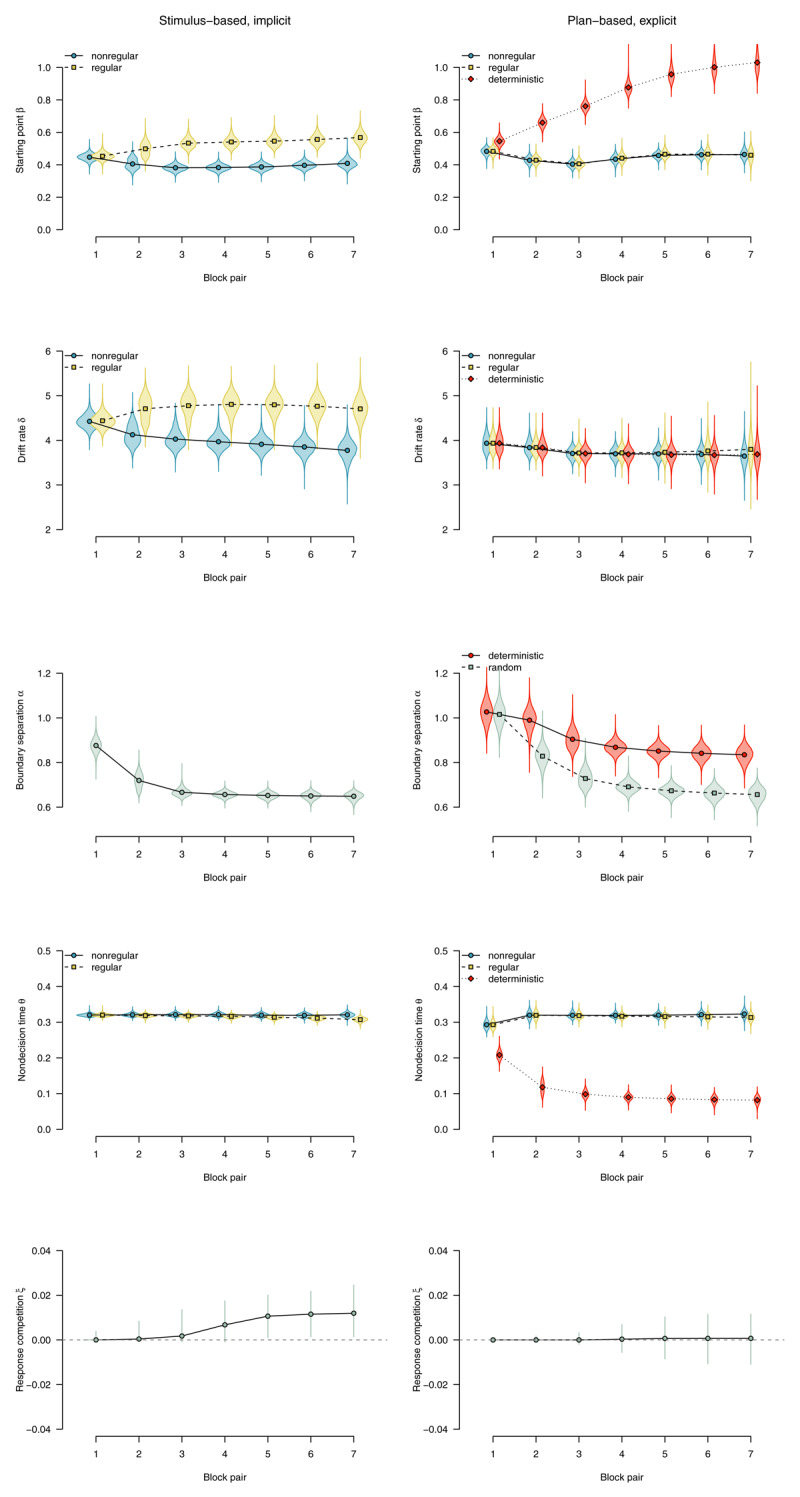 Figure 27
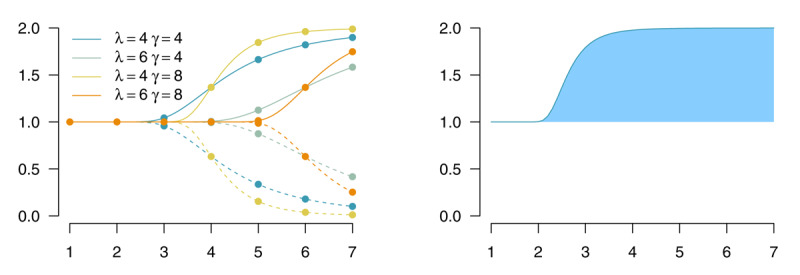 Figure 28
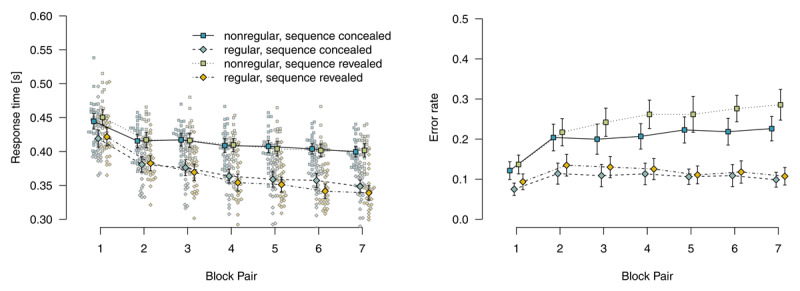 Figure 29
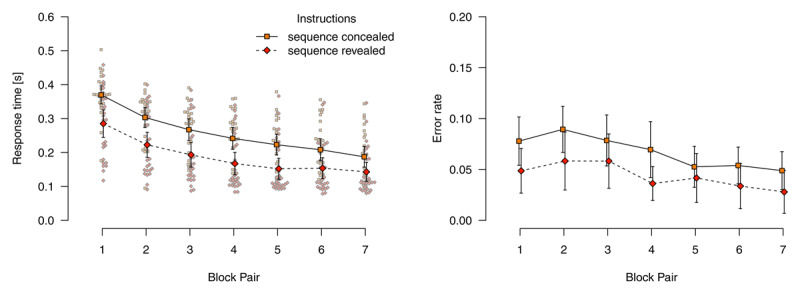 Figure 30
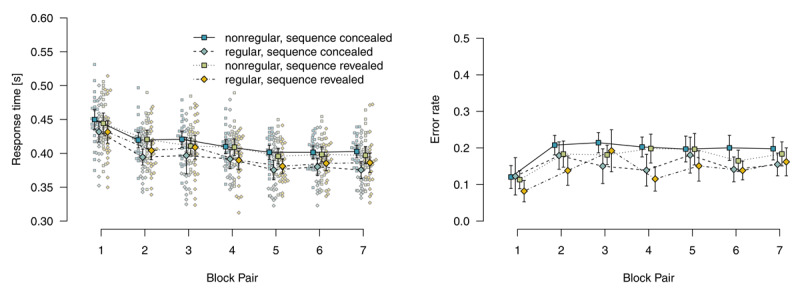 Figure 31
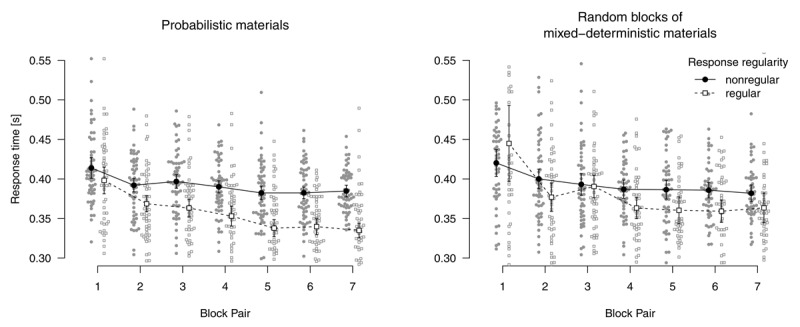 Figure 32
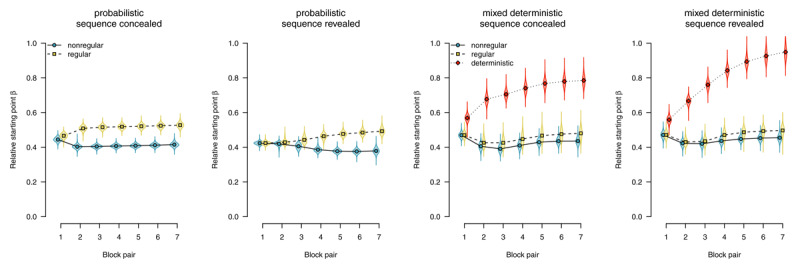 Figure 33
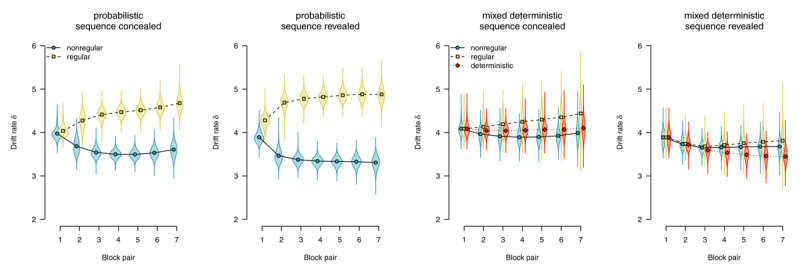 Figure 34
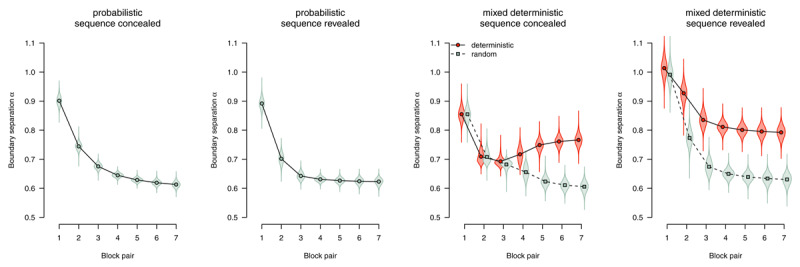 Figure 35
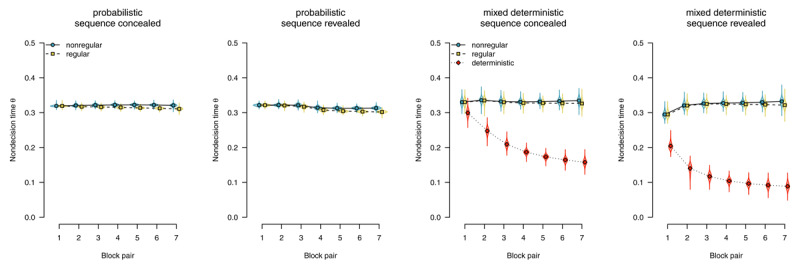 Figure 36
Peer Reviews
No public reviews on file for this paper yet. If you reviewed it on a platform where reviews are public (OpenReview, ICLR, NeurIPS, ICML), you can paste yours below so the community can read it here.
Videos
No videos yet. Explain this paper in a talk, walkthrough, or lecture? Add one.
Taxonomy
TopicsIntelligent Tutoring Systems and Adaptive Learning · Neural Networks and Applications · Visual and Cognitive Learning Processes