Interspecies relationships of natural amoebae and bacteria with C. elegans create environments propitious for multigenerational diapause
Marcela Serey, Esteban Retamales, Gabriel Ibañez, Gonzalo Riadi, Patricio Orio, Juan P. Castillo, Andrea Calixto

TL;DR
This study shows that nematodes like C. elegans can enter hibernation-like diapause when interacting with natural bacteria and amoebae, influenced by temperature and RNA communication.
Contribution
The study introduces DaFNE, a novel multigenerational diapause phenomenon triggered by natural microbial interactions and RNA communication in C. elegans.
Findings
Nematodes in natural microbial environments enter diapause (DaFNE) across multiple generations.
DaFNE depends on nematode pheromone biosynthesis and RNA interference pathways.
Higher temperatures reduce the number of nematodes needed to trigger DaFNE.
Abstract
The molecular and physical communication within the microscopic world underpins the entire web of life as we know it. However, how organisms, such as bacteria, amoebae, and nematodes—all ubiquitous—interact to sustain their ecological niches, particularly how their associations generate and influence behavior, remains largely unknown. In this study, we developed a framework to examine long-term interactions between microbes and animals. From soil samples collected in a temperate, semi-arid climate, we isolated culturable bacterial genera, including Comamonas, Stenotrophomonas, Chryseobacterium, and Rhodococcus, as well as the amoeba, Tetramitus. This microbial ensemble was fed to the nematode C. elegans in experiments spanning over 20 nematode generations to assess developmental rate, dauer entry, fertility, and feeding behavior. Our findings reveal that microbes and nematodes create a…
Genes, proteins, chemicals, diseases, species, mutations and cell lines named across the full text — each resolved to its canonical identifier and authoritative record.
Click any figure to enlarge with its caption.
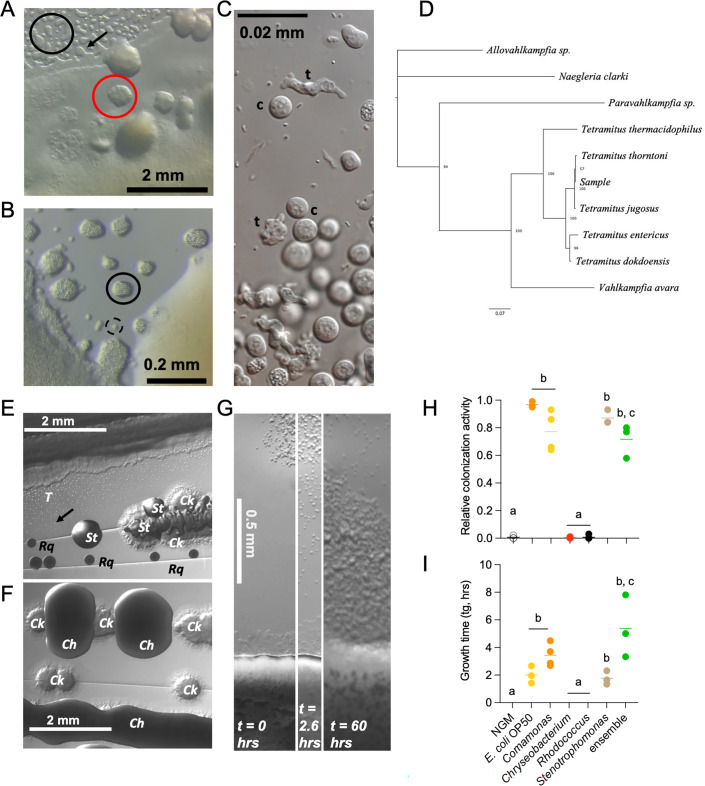 Figure 1
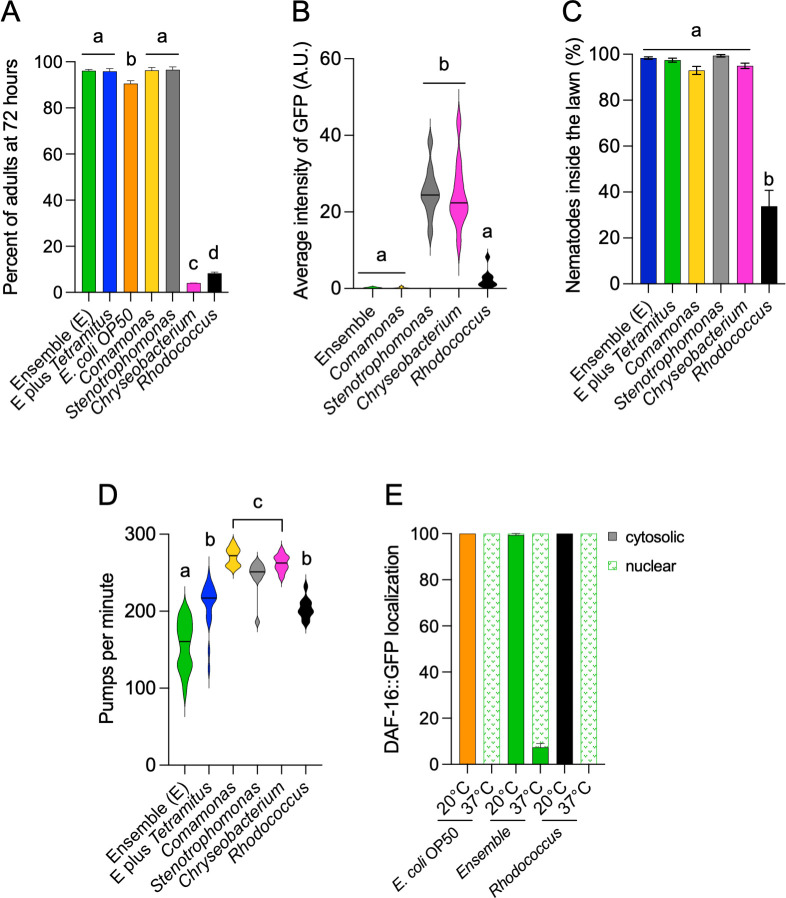 Figure 2
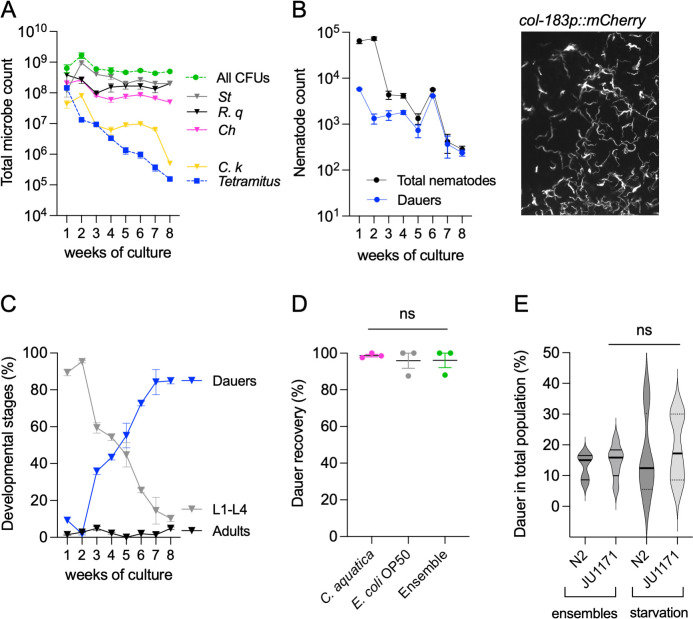 Figure 3
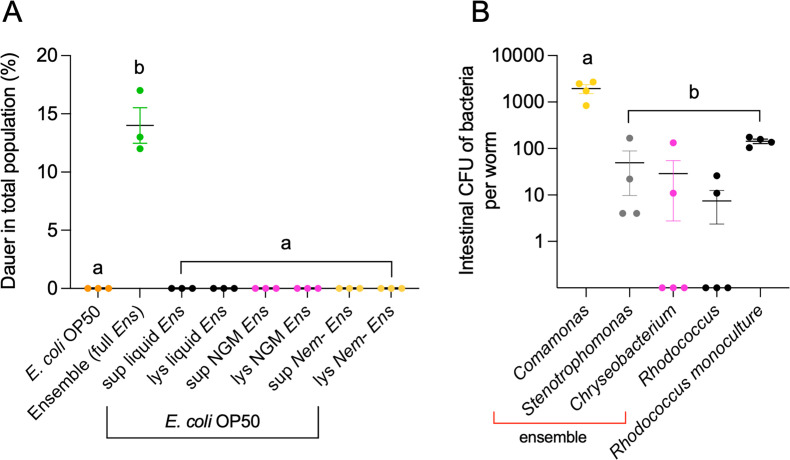 Figure 4
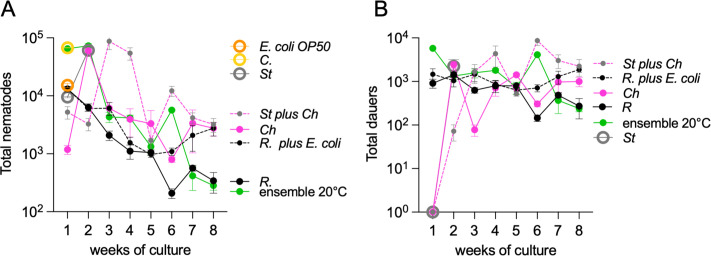 Figure 5
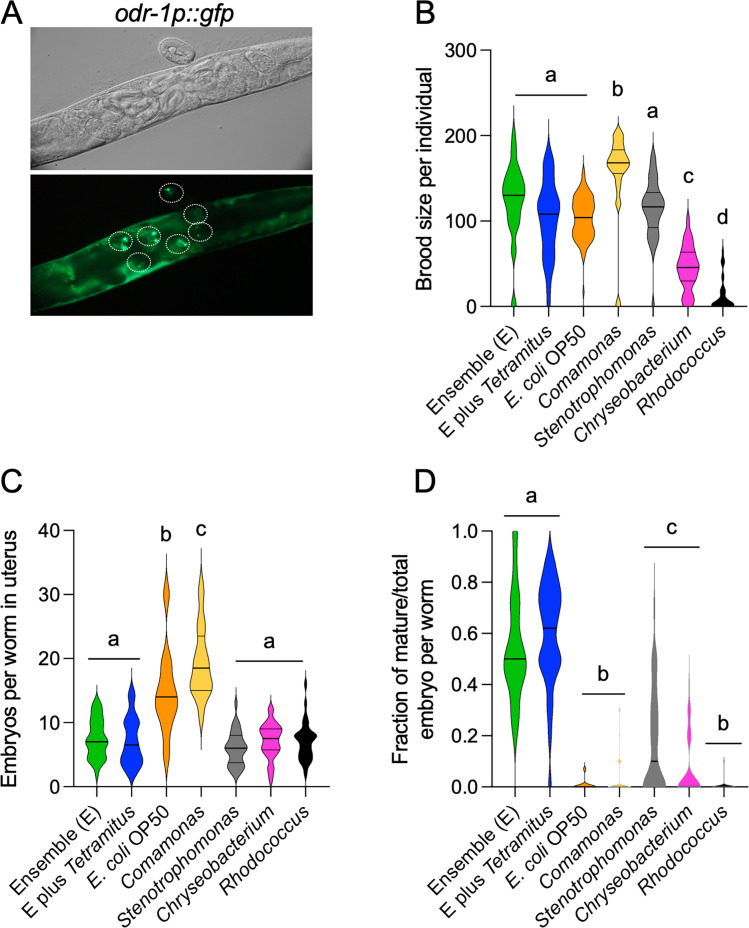 Figure 6
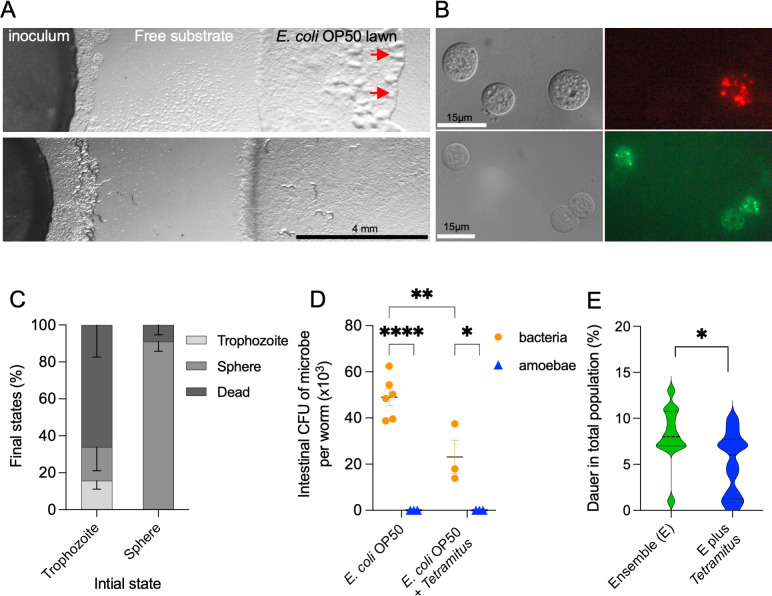 Figure 7
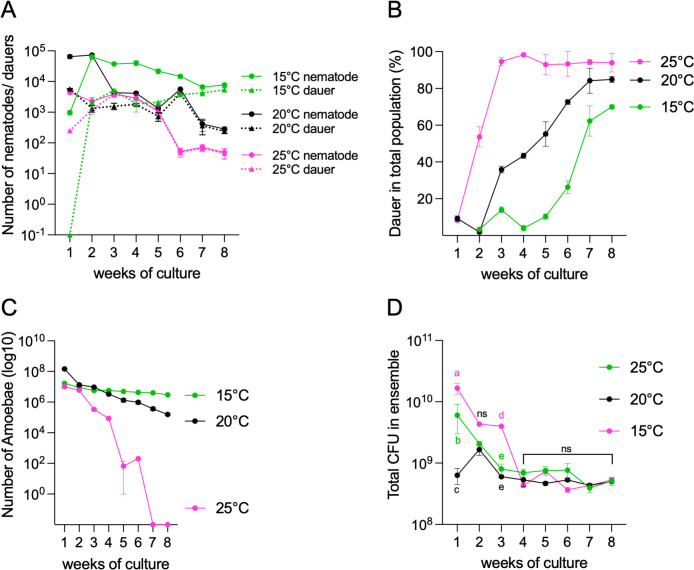 Figure 8
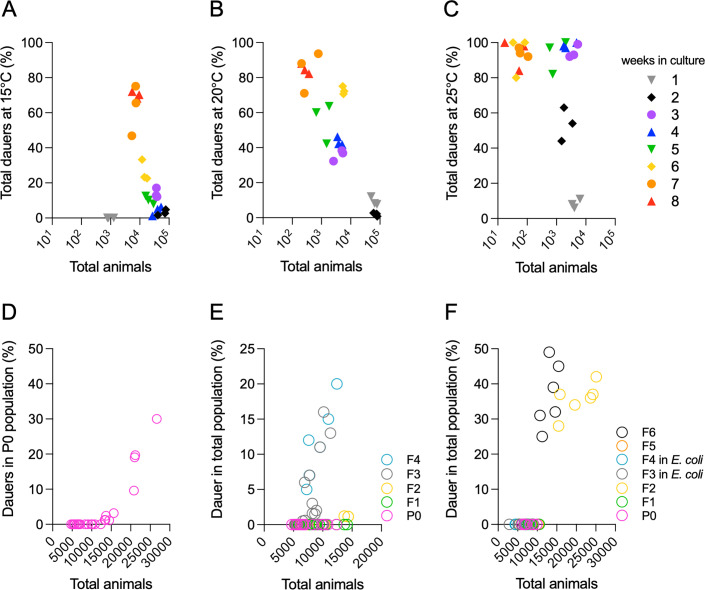 Figure 9
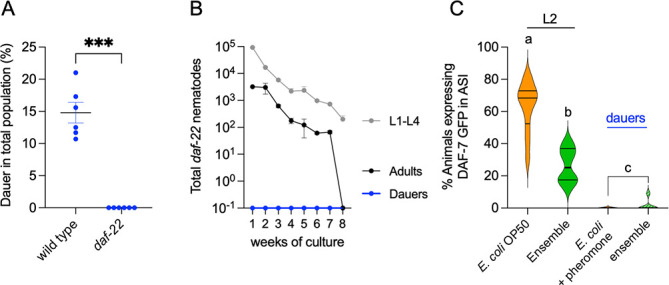 Figure 10
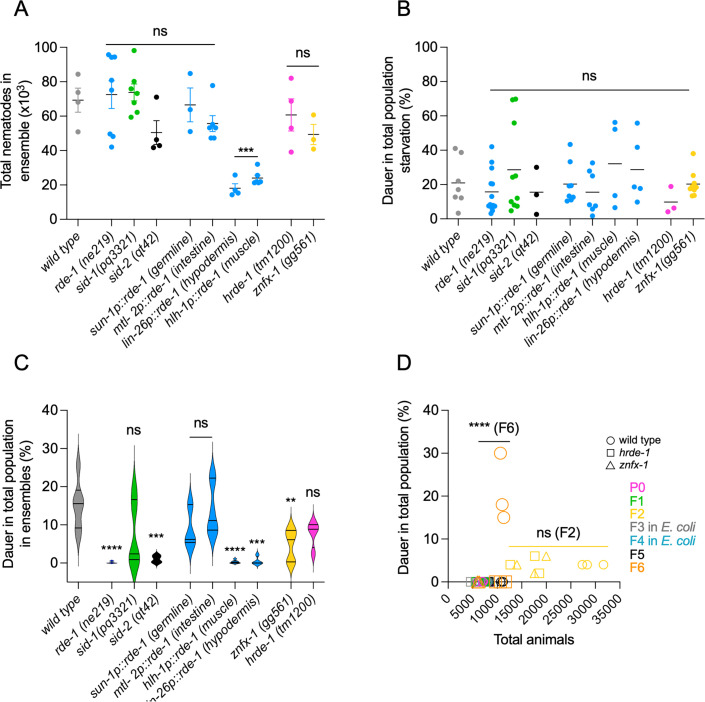 Figure 11
 Figure 12
Peer Reviews
No public reviews on file for this paper yet. If you reviewed it on a platform where reviews are public (OpenReview, ICLR, NeurIPS, ICML), you can paste yours below so the community can read it here.
Videos
No videos yet. Explain this paper in a talk, walkthrough, or lecture? Add one.
Taxonomy
TopicsGenetics, Aging, and Longevity in Model Organisms · Protist diversity and phylogeny · Microbial Community Ecology and Physiology