The mechanism of Weiqi decoction treating gastric cancer: a work based on network pharmacology and experimental verification
Xu Huang, Zhihong Pan, Lei Shen, Huan Chen, Chang Chen, Tingting Lv, Yuzhou Mei

TL;DR
This study explores how Weiqi Decoction, a traditional Chinese medicine, may treat gastric cancer by targeting multiple genes and signaling pathways.
Contribution
The study combines network pharmacology and experimental validation to reveal the multi-target mechanisms of Weiqi Decoction in gastric cancer.
Findings
Weiqi Decoction targets 751 genes and modulates pathways like AGE-RAGE and PI3K-Akt in gastric cancer.
Key compounds like quercetin and luteolin show strong binding to core targets such as TP53 and SRC.
In vitro experiments confirm that Weiqi Decoction inhibits cancer cell viability, proliferation, and migration.
Abstract
Weiqi Decoction (WQD) is an empirical prescription traditionally used in China for the treatment of precancerous gastric cancer (GC) lesions. This study aimed to elucidate the potential pharmacological mechanisms of WQD in GC therapy. Active ingredients, corresponding targets, and GC-related genes were identified using public databases. A protein–protein interaction (PPI) network was constructed via the STRING database, and functional enrichment analyses were conducted using the DAVID platform. Gene expression and survival analyses were performed using the GEPIA database. Molecular docking was conducted with AutoDock Vina and visualized using PyMOL. The effects of WQD on GC cell viability, proliferation, migration, and invasion were evaluated through CCK-8, colony formation, and Transwell assays. WQD contained 43 active ingredients targeting 751 potential genes, including 458…
Genes, proteins, chemicals, diseases, species, mutations and cell lines named across the full text — each resolved to its canonical identifier and authoritative record.
Click any figure to enlarge with its caption.
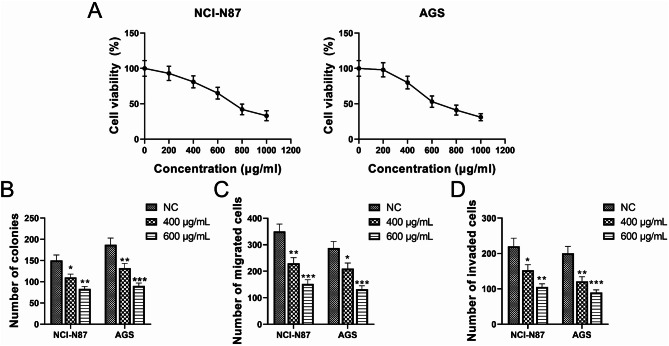 Figure 10
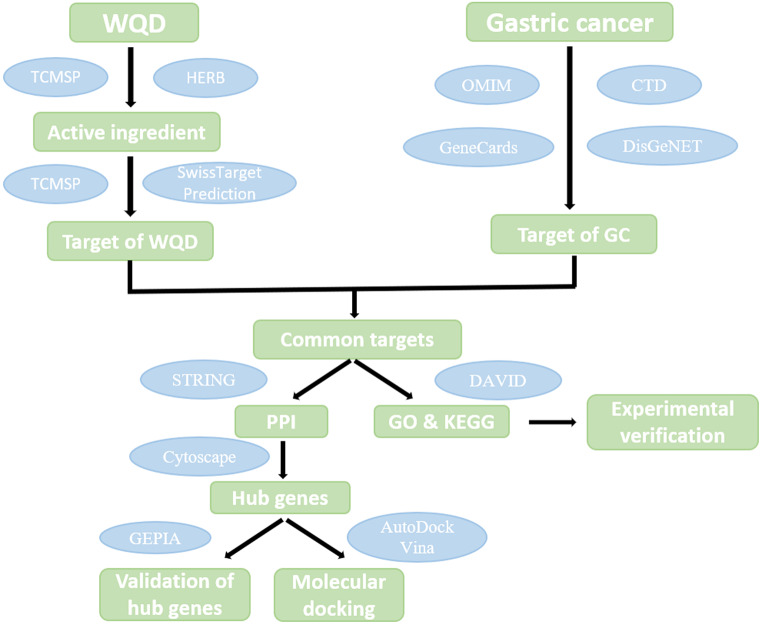 Figure 1
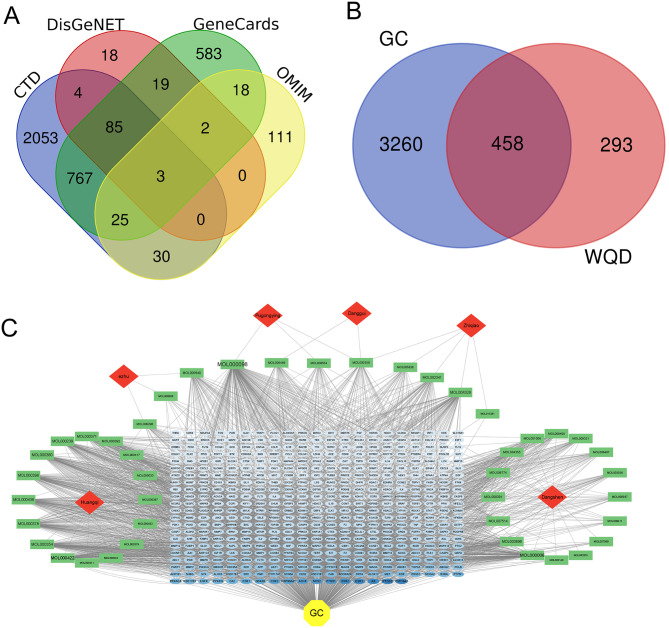 Figure 2
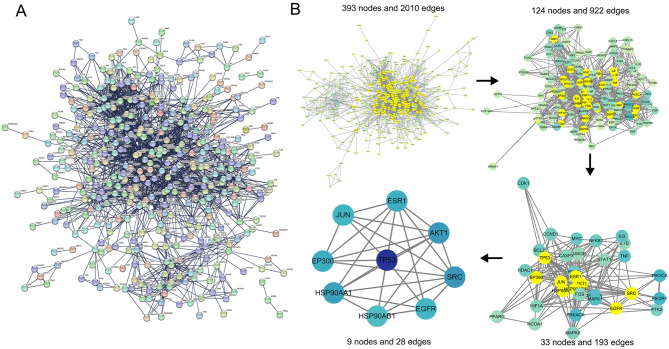 Figure 3
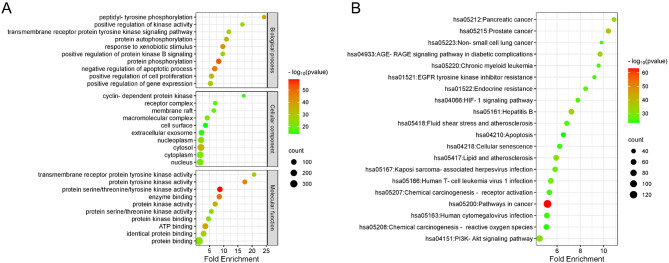 Figure 4
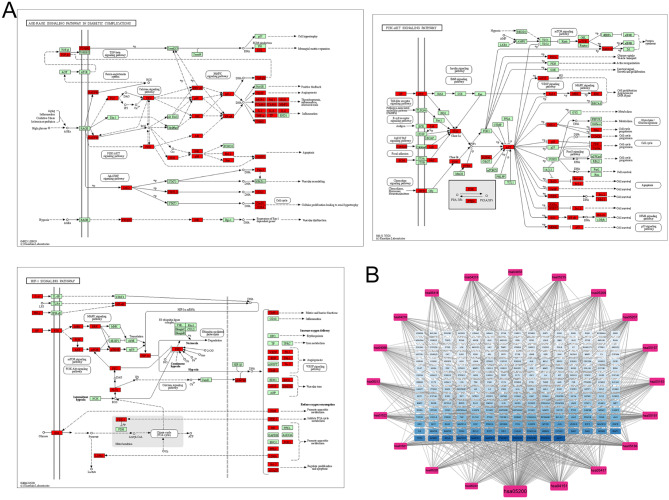 Figure 5
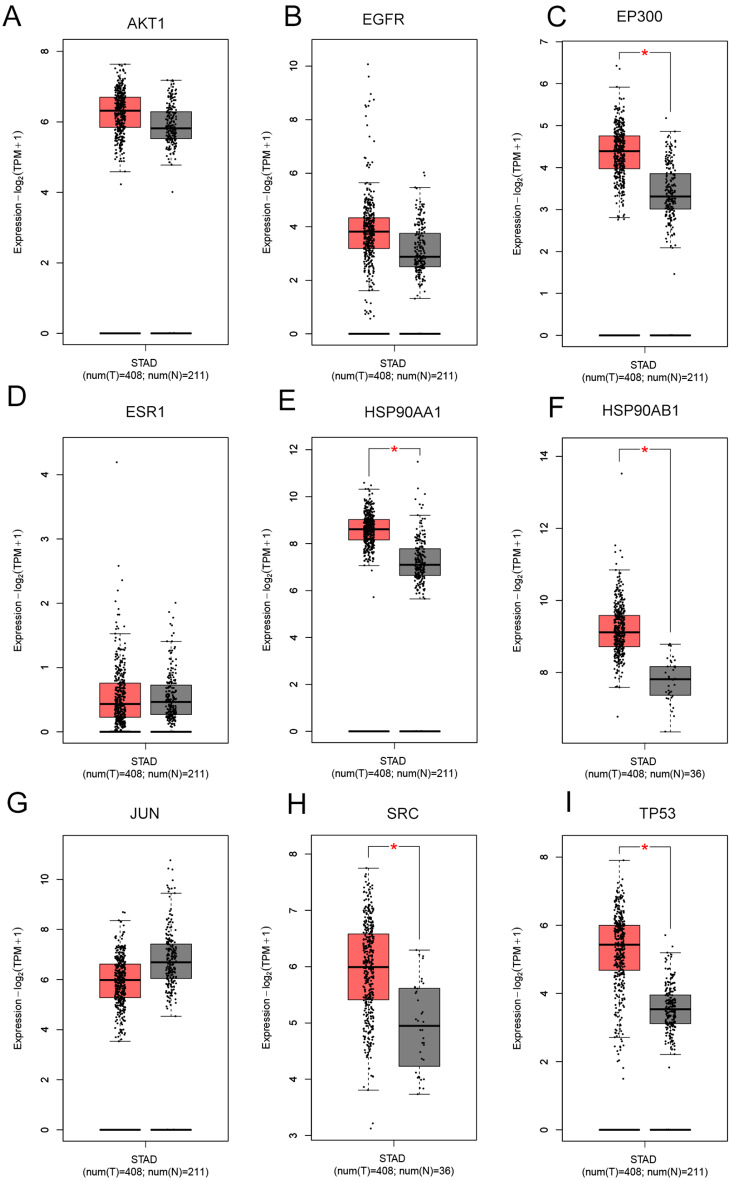 Figure 6
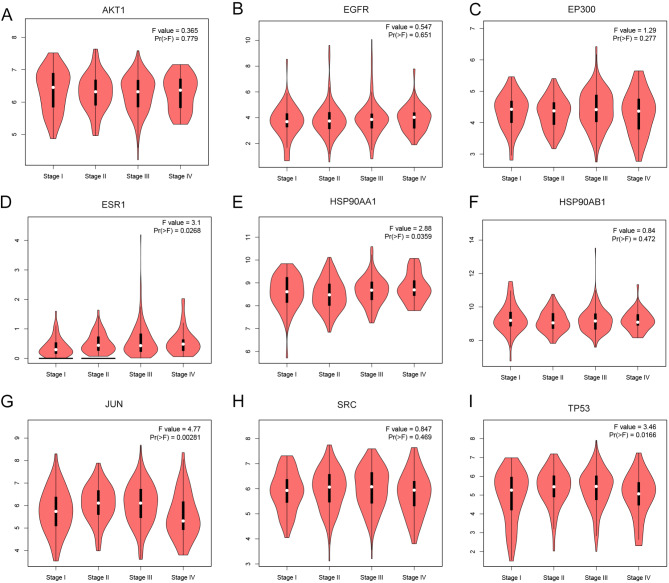 Figure 7
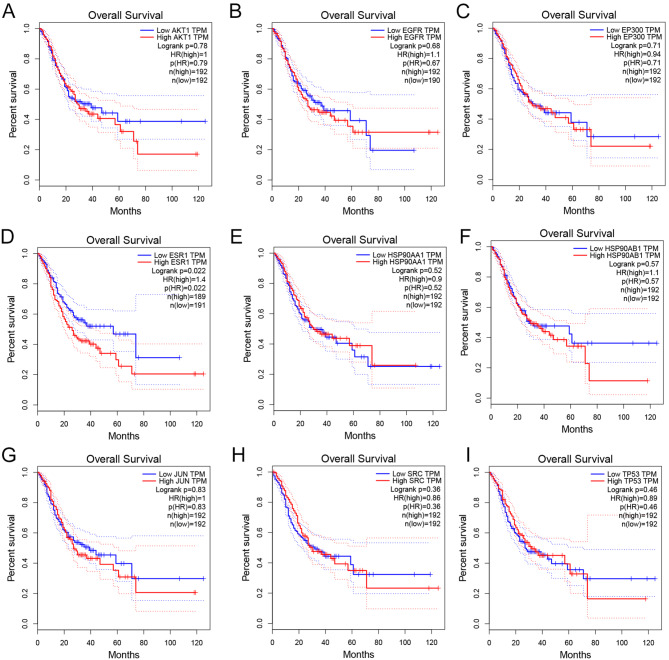 Figure 8
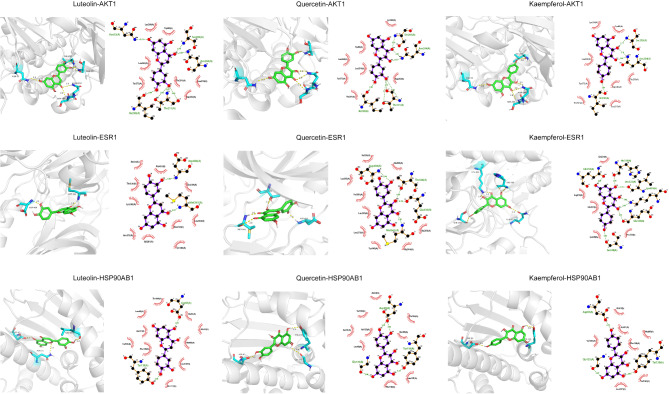 Figure 9
Peer Reviews
No public reviews on file for this paper yet. If you reviewed it on a platform where reviews are public (OpenReview, ICLR, NeurIPS, ICML), you can paste yours below so the community can read it here.
Videos
No videos yet. Explain this paper in a talk, walkthrough, or lecture? Add one.
Taxonomy
TopicsNatural product bioactivities and synthesis · Ferroptosis and cancer prognosis · ATP Synthase and ATPases Research