Prevalence, patterns, and impact of myofascial pain in patients with head and neck cancer after cancer treatment - a single-center cross-sectional study in India
Aswathi Praveen, Krithika Rao, S. Gayatri, Anuja D. Damani, Arun Ghoshal, Shreya Nair, Naveena A. N. Kumar, Shirley Lewis Salins, Ananth Pai, Anshul Singh, Karthik S. Udupa, Nawaz Usman, Naveen S. Salins

TL;DR
This study finds that myofascial pain is common in head and neck cancer patients after treatment in India, affecting their emotional well-being and quality of life.
Contribution
The study provides new insights into the prevalence and emotional impact of myofascial pain in post-treatment head and neck cancer patients in India.
Findings
Myofascial pain prevalence was 68.3% in post-treatment head and neck cancer patients.
Pain was strongly correlated with depression, with 85.4% of those with myofascial pain showing depressive symptoms.
The sternocleidomastoid muscle was most commonly affected, followed by masseter and trapezius.
Abstract
Head and neck cancer is the seventh most prevalent cancer, with over 660,000 new cases and 325,000 annual fatalities, accounting for 30% of all cancer cases. Chronic cancer-related pain affects 15–75% of patients, with myofascial pain being especially common in those with head and neck cancers, ranging from 11.9 to 44.8%. Surgery and radiotherapy, the primary treatments for these cancers, contribute to myofascial pain development. Additionally, head and neck cancer patients face higher psychological distress, with rates up to 50%. This study estimates the prevalence, topography of the musculoskeletal group, and emotional impact of myofascial pain in terms of depression in patients three months post-treatment, emphasizing early diagnosis for improved quality of life. We conducted a time-bound cross-sectional observational study using convenience sampling of 120 patients with head and…
Genes, proteins, chemicals, diseases, species, mutations and cell lines named across the full text — each resolved to its canonical identifier and authoritative record.
Click any figure to enlarge with its caption.
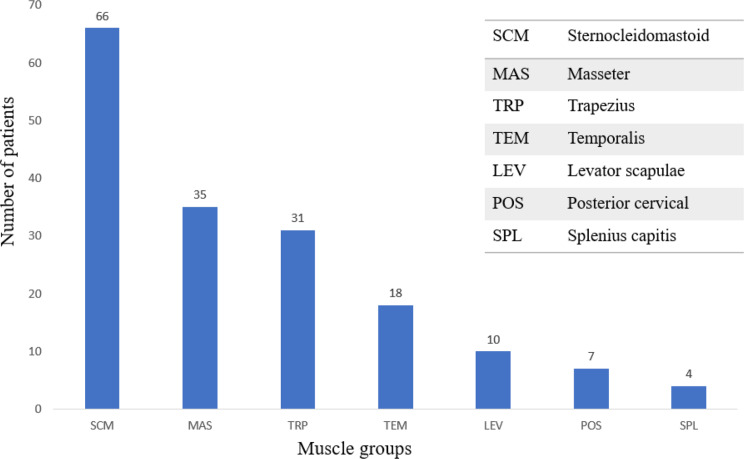 Figure 1
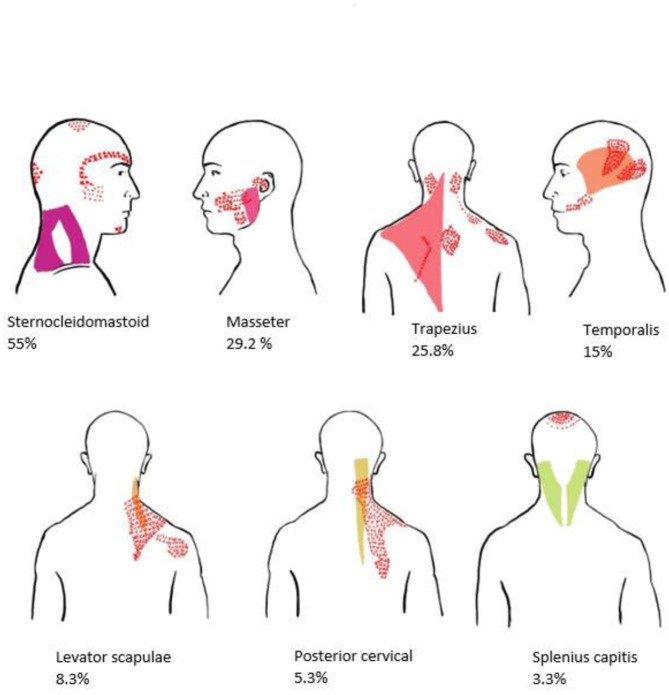 Figure 2
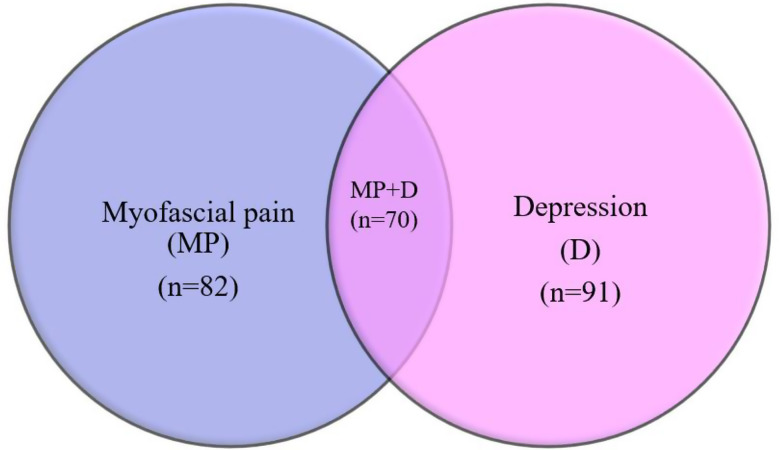 Figure 3
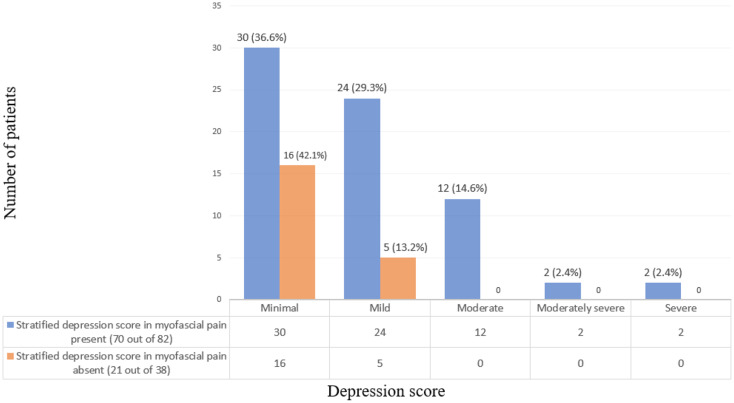 Figure 4
Peer Reviews
No public reviews on file for this paper yet. If you reviewed it on a platform where reviews are public (OpenReview, ICLR, NeurIPS, ICML), you can paste yours below so the community can read it here.
Videos
No videos yet. Explain this paper in a talk, walkthrough, or lecture? Add one.
Taxonomy
TopicsOral health in cancer treatment · Head and Neck Cancer Studies · Cancer survivorship and care