Exercise performance in well‐trained male mice is promoted by intermittent hyperoxia via improving metabolic properties and capillary profiles
Junichi Suzuki

TL;DR
Training mice with intermittent high oxygen improves their endurance by boosting muscle metabolism and blood vessel networks.
Contribution
This study shows intermittent hyperoxia enhances endurance in well-trained mice through metabolic and capillary improvements.
Findings
Intermittent hyperoxia training increased maximal exercise capacity in mice compared to normal training.
Mice trained with intermittent hyperoxia had higher levels of metabolic enzymes like COX and PDHc in specific muscles.
Capillary density and fiber ratios were significantly higher in muscles of mice trained under intermittent hyperoxia.
Abstract
Although training under intermittent hyperoxia has been shown to improve exercise performance, its effect on well‐trained mice remains undetermined. Voluntary run for 7 weeks increased maximal work values by 7.4‐fold (Bayes factor, BF ≥ 30). Subsequently, mice underwent 4 weeks of treadmill training with (INT) or without (ET) intermittent hyperoxia (30% O2). INT training significantly increased maximal exercise capacity compared to ET (BF ≥ 30). INT group exhibited significantly higher levels of cytochrome‐c‐oxidase (COX) in soleus muscle (SOL, BF ≥ 3.0). Additionally, INT enhanced 3‐hydroxyacyl‐CoA‐dehydrogenase (HAD) levels in white gastrocnemius (Gw) and plantaris (PL) muscles compared to ET (BF ≥ 3.0). Pyruvate dehydrogenase complex (PDHc) levels were significantly higher in the INT group compared to the ET group in red gastrocnemius and left ventricle (BF ≥ 30). Capillary‐to‐fiber…
Genes, proteins, chemicals, diseases, species, mutations and cell lines named across the full text — each resolved to its canonical identifier and authoritative record.
Click any figure to enlarge with its caption.
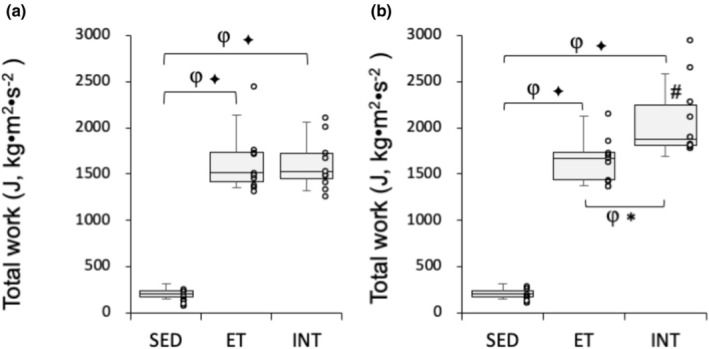 Figure 1
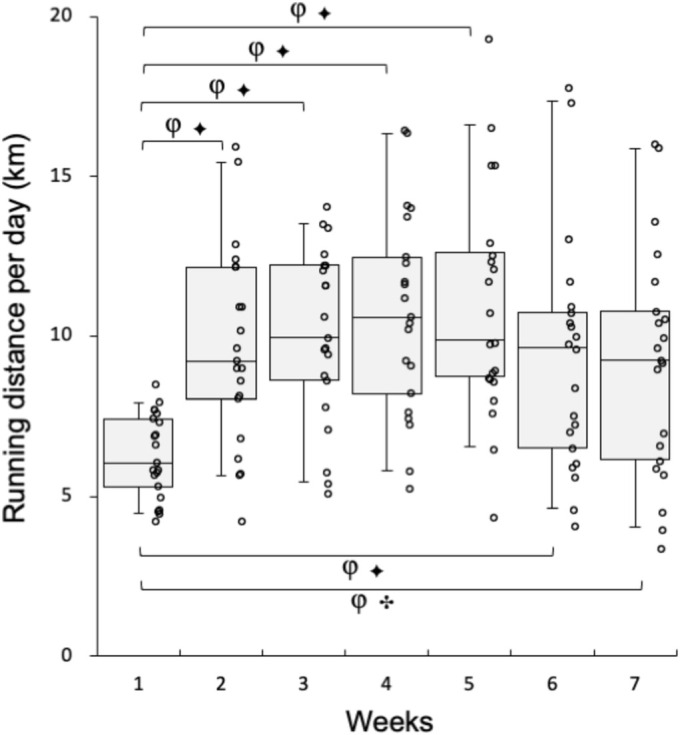 Figure 2
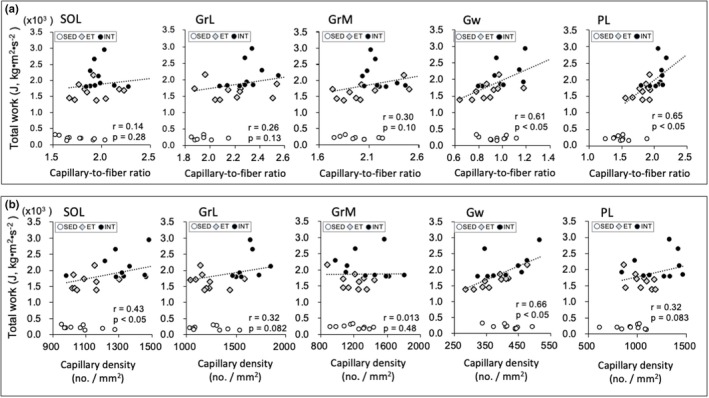 Figure 3
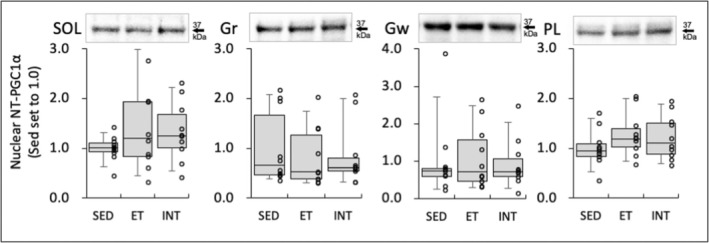 Figure 4
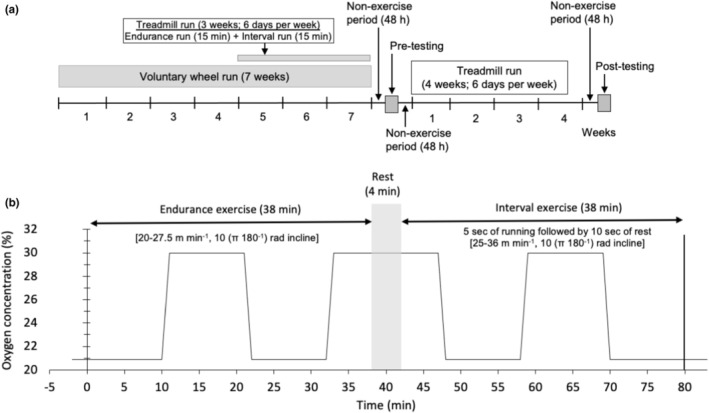 Figure 5
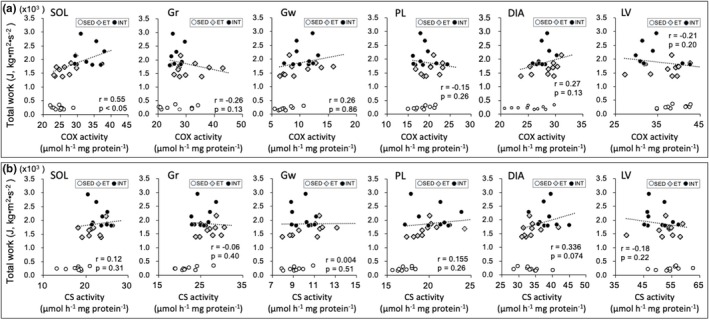 Figure 6
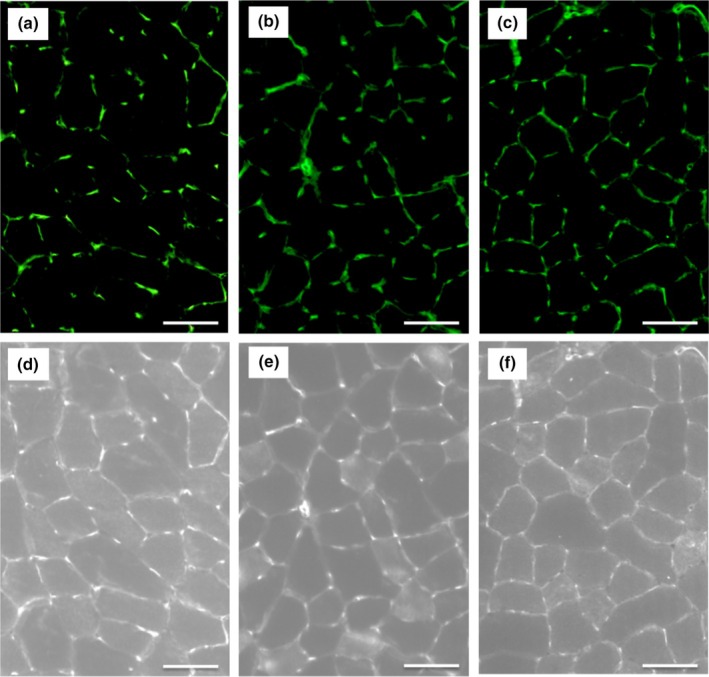 Figure 7
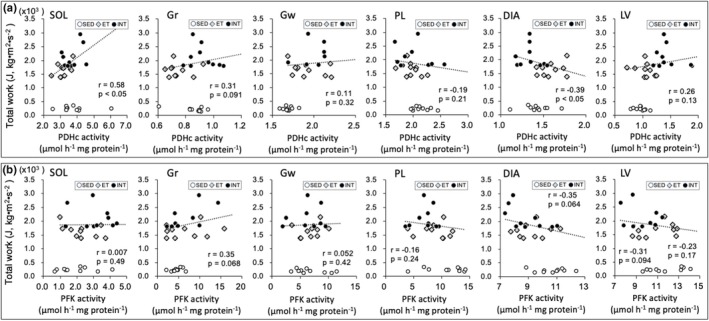 Figure 8
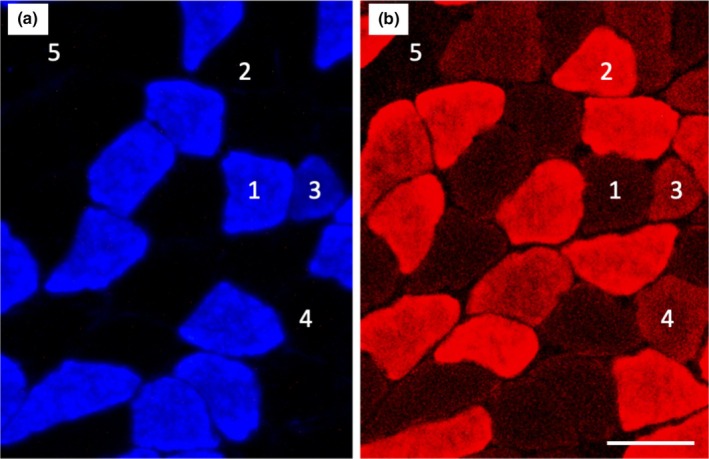 Figure 9
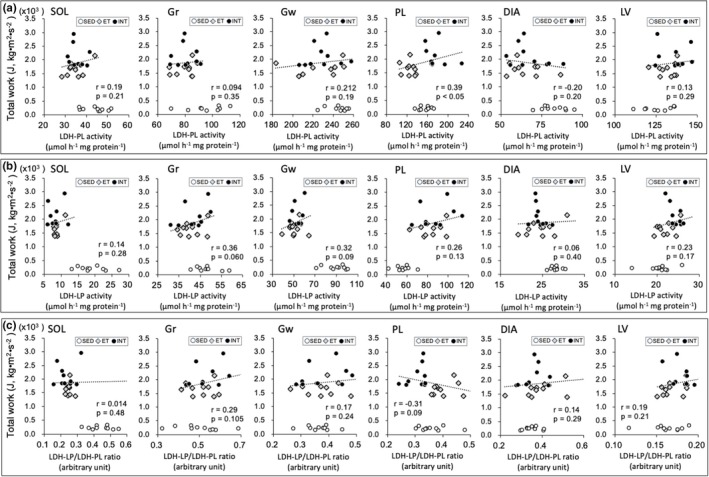 Figure 10
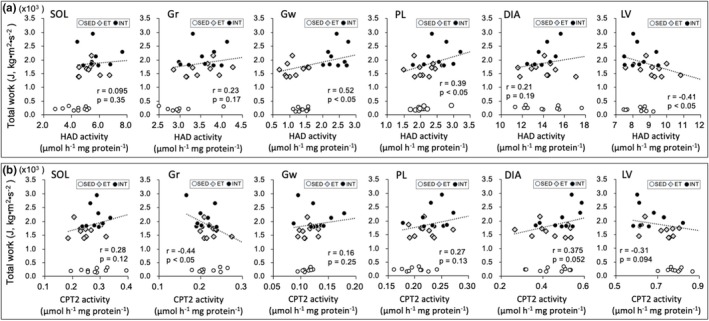 Figure 11
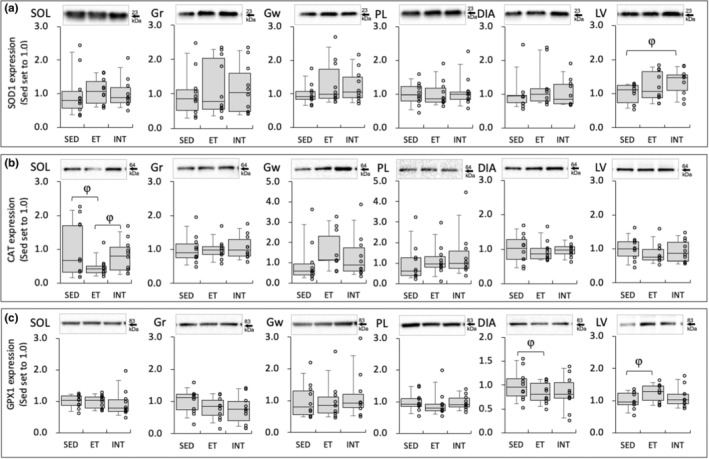 Figure 12
Peer Reviews
No public reviews on file for this paper yet. If you reviewed it on a platform where reviews are public (OpenReview, ICLR, NeurIPS, ICML), you can paste yours below so the community can read it here.
Videos
No videos yet. Explain this paper in a talk, walkthrough, or lecture? Add one.
Taxonomy
TopicsAdipose Tissue and Metabolism · Cardiovascular and exercise physiology · High Altitude and Hypoxia