Synthesis of size-controlled PtPdIr nanoparticles by solution plasma sputtering and their catalytic properties
Yuanyuan Liu, Zhunda Zhu, Zhuoya Deng, Pengfei Wang, Sangwoo Chae, Yasuyuki Sawada, Nagahiro Saito

TL;DR
Researchers created size-controlled PtPdIr nanoparticles using a plasma process and found they perform well in fuel cell reactions.
Contribution
A new method for synthesizing PtPdIr nanoparticles with controlled size and composition using solution plasma sputtering.
Findings
The Ir content in nanoparticles remained around 10% despite changes in the PtIr electrode composition.
Nanoparticle size was controllable between 1–3 nm and showed good dispersion on carbon supports.
The (79 : 14 : 7) composition showed the best performance for oxygen reduction and hydrogen oxidation reactions.
Abstract
Platinum-based catalysts are widely used in polymer electrolyte fuel cells (PEMFCs) due to their excellent catalytic activity for the oxygen reduction reaction (ORR) and hydrogen oxidation reaction (HOR). In this study, a PtPdIr ternary alloy catalyst was synthesized by a solution plasma (SP) sputtering process with PtPd and PtIr erelctrodes, which provides a non-equilibrium reaction field in solution. The ratio of Ir in the PtPdIr nanoparticles increased as the ratio of Ir in the PtIr electrode increased. However, the ratio reamined constant at about 10%. The size of the nanoparticles could be controlled in the range of 1–3 nm. In addition, the nanoparticles were well dispersed when supported on carbon and no agglomeration was observed. The electrochemical properties of the obtained nanoparticles were investigated in terms of ORR and HOR, and the particle-c (79 : 14 : 7) nanoparticle…
Genes, proteins, chemicals, diseases, species, mutations and cell lines named across the full text — each resolved to its canonical identifier and authoritative record.
Click any figure to enlarge with its caption.
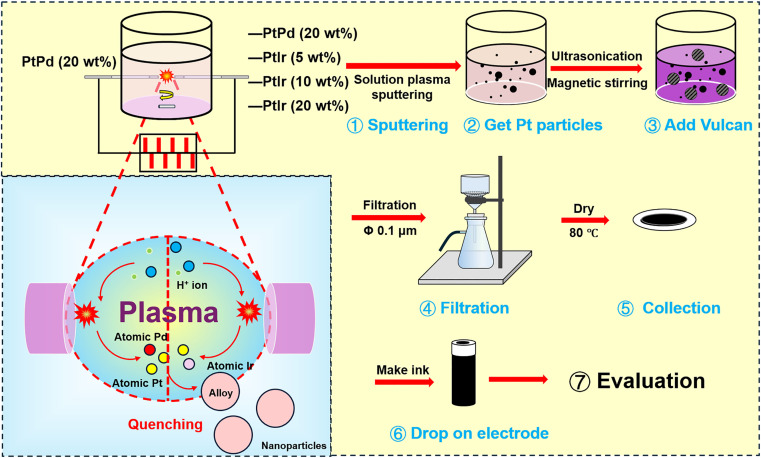 Figure 1
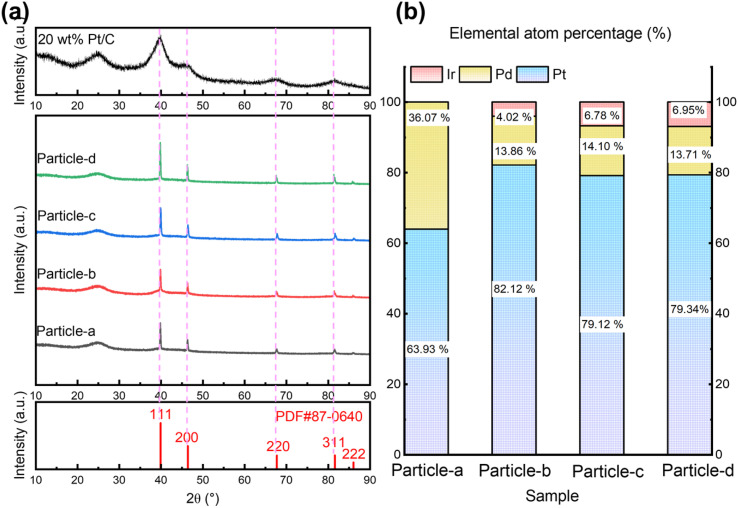 Figure 2
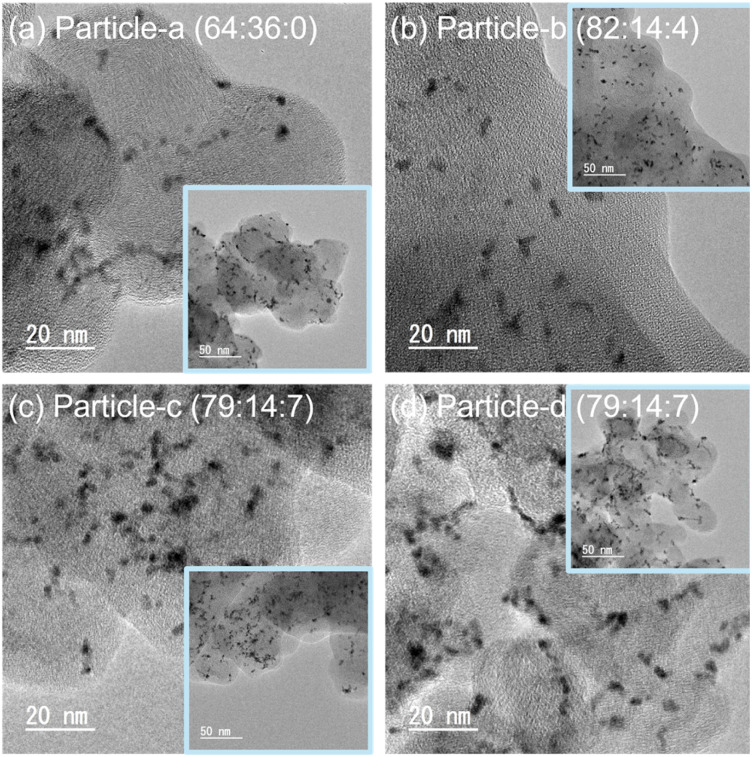 Figure 3
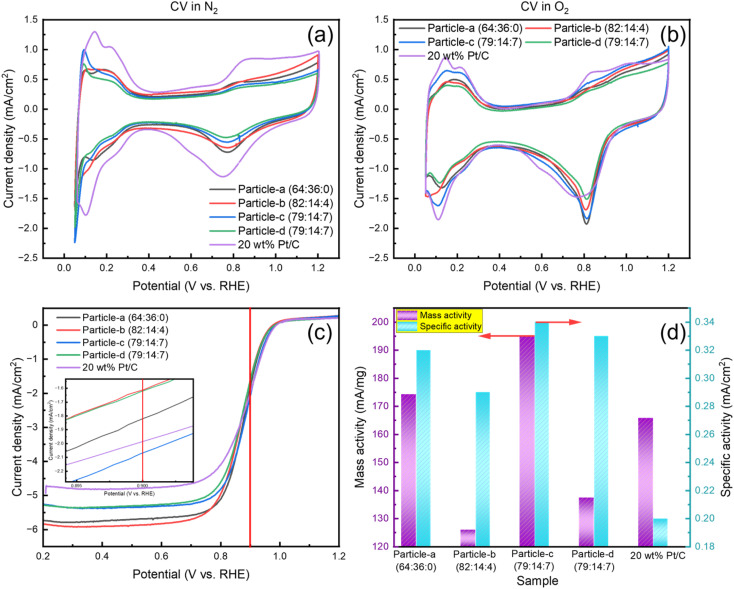 Figure 4
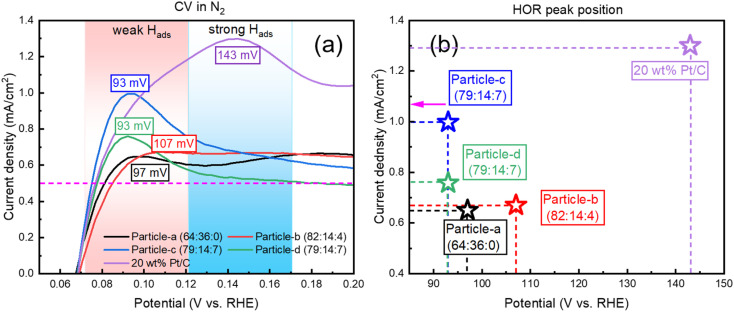 Figure 5
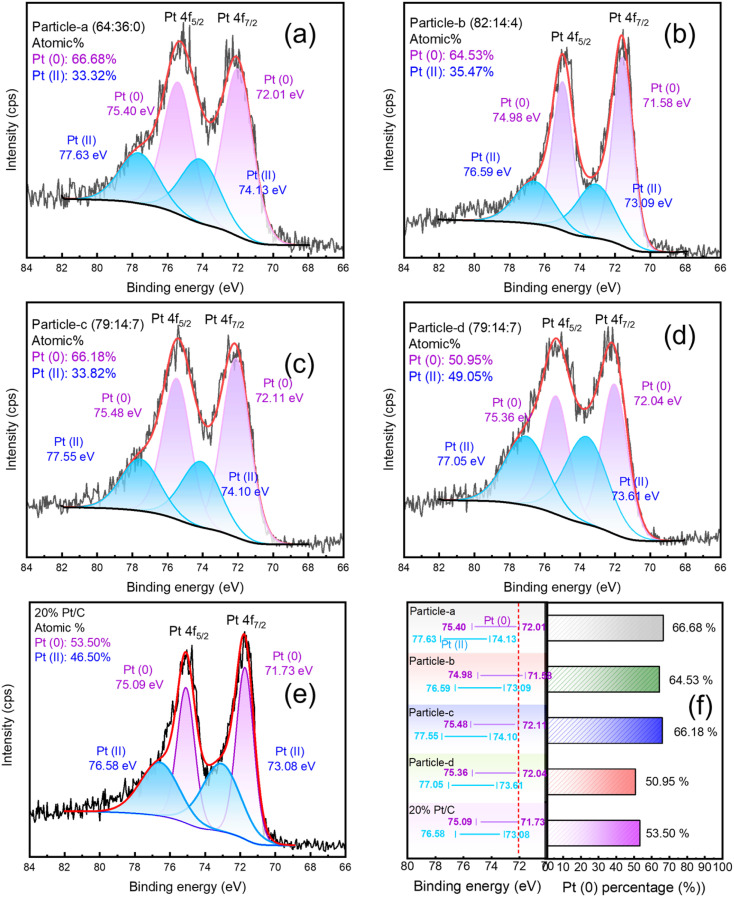 Figure 6
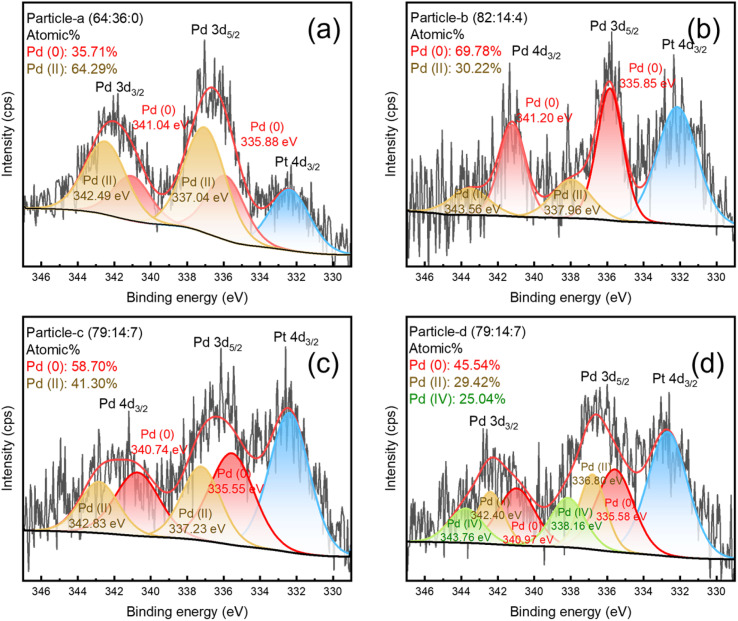 Figure 7
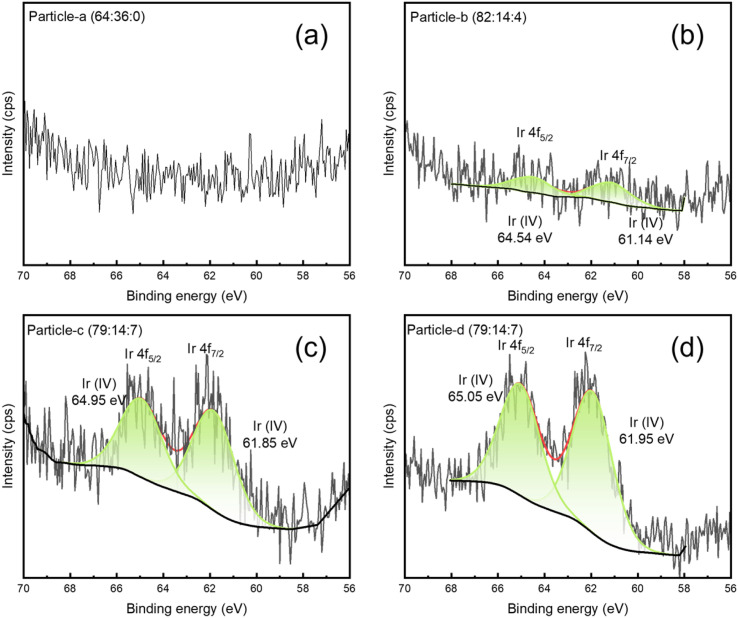 Figure 8
 Figure 9
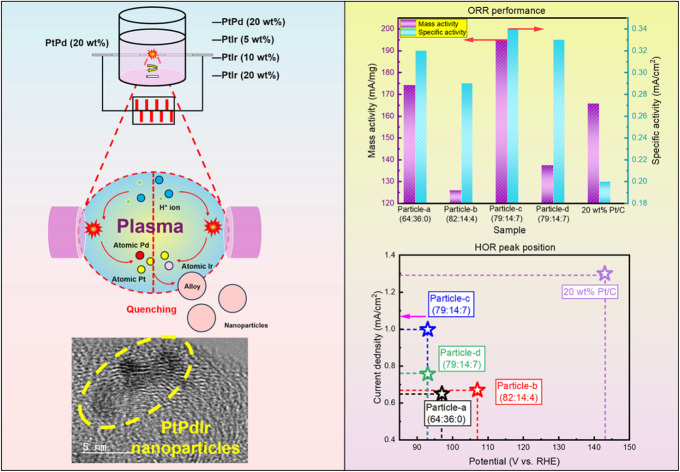 Figure 10
 Figure 11
 Figure 12
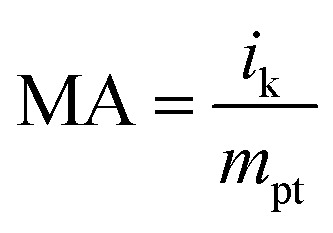 Figure 13
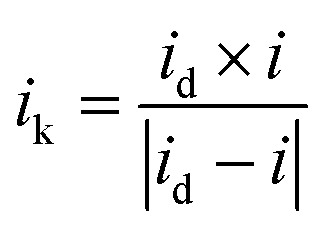 Figure 14
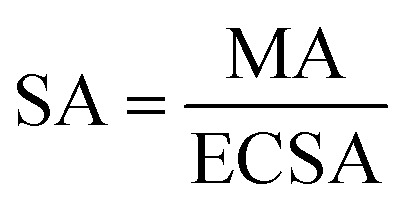 Figure 15
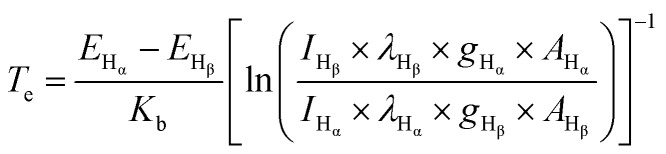 Figure 16
 Figure 17
Peer Reviews
No public reviews on file for this paper yet. If you reviewed it on a platform where reviews are public (OpenReview, ICLR, NeurIPS, ICML), you can paste yours below so the community can read it here.
Videos
No videos yet. Explain this paper in a talk, walkthrough, or lecture? Add one.
Taxonomy
TopicsElectrocatalysts for Energy Conversion · Catalytic Processes in Materials Science · Machine Learning in Materials Science