Identification of Three Distinct Subgroups in Antiphospholipid Syndrome: Implication for Sex Differences and Prognostic Outcomes from a Multicenter Study
Chen Chen, Ao Zhang, Jianhui Cheng, Zhongqiang Yao, Juan Meng, Yilu Qin, Qingyi Lu, Yufei Li, Xiangjun Liu, Tianhao Li, Chao Hou, Yundi Tang, Hongjiang Liu, Ning Xu, Sai Dong, Xinxin Li, Fangmin Xu, Jianping Guo, Chun Li

TL;DR
This study identifies three distinct subgroups of antiphospholipid syndrome with unique clinical features and outcomes, highlighting sex differences and a key molecule linked to poor prognosis.
Contribution
The study reveals three distinct APS subgroups with unique clinical and molecular profiles, including sex-based distinctions and a key prognostic molecule.
Findings
Three APS subgroups were identified with distinct clinical features and prognostic outcomes.
Cluster 1 is predominantly female with high pregnancy morbidity and favorable prognosis.
Male tAPS is associated with high thrombosis and poor prognosis, linked to insulin-like growth factor 1.
Abstract
Antiphospholipid syndrome (APS) is a heterogeneous autoimmune disease with persistent antiphospholipid antibodies. This study aimed to identify unrecognized APS subgroups from multicenter cohorts (n = 760, training: n = 415; validation: n = 345). Patients are stratified through unsupervised K‐means clustering analysis. Prognostic outcomes are evaluated using Kaplan‐Meier survival analyses. Proteomic analysis is conducted on primary APS patients (n = 36) and healthy controls (n = 12). Key molecule insulin‐like growth factor 1 is validated using ELISA. Three clusters are identified. Cluster 1 (n = 320, 42.1%) is completely consisted of females (100%), with predominant occurrence of pregnancy morbidity (88.8%) but low incidences of thrombocytopenia (18.4%) and thrombosis (15.0%), and a favorable prognosis. Cluster 2 (n = 309, 40.7%) is predominantly female (99.4%) and characterized by high…
Genes, proteins, chemicals, diseases, species, mutations and cell lines named across the full text — each resolved to its canonical identifier and authoritative record.
Click any figure to enlarge with its caption.
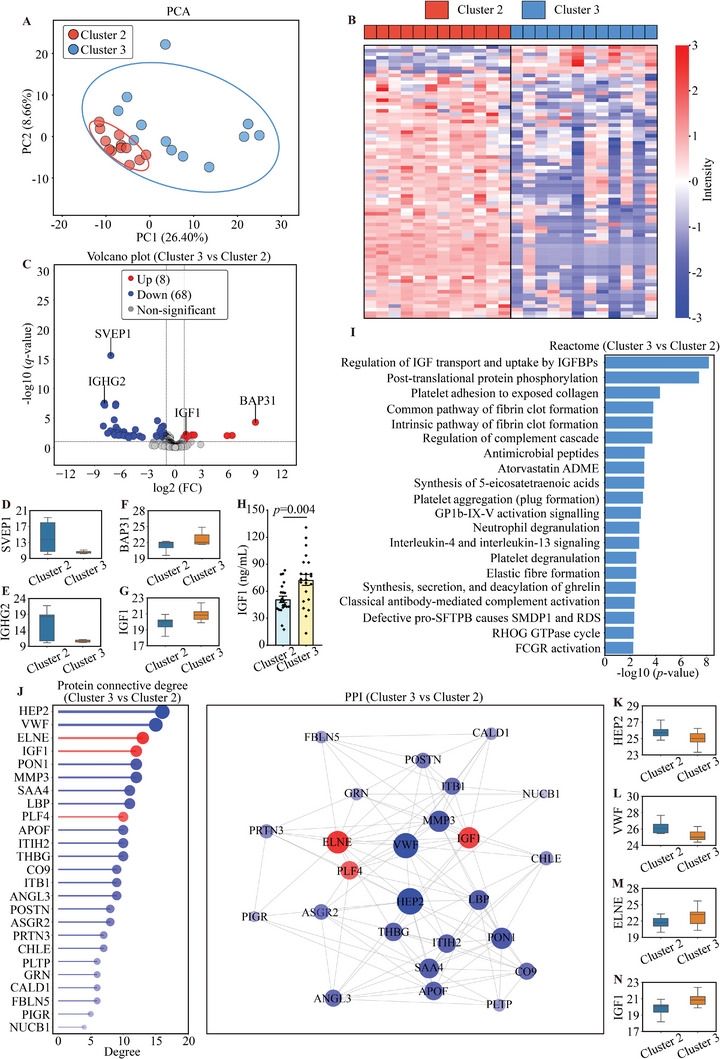 Figure 1
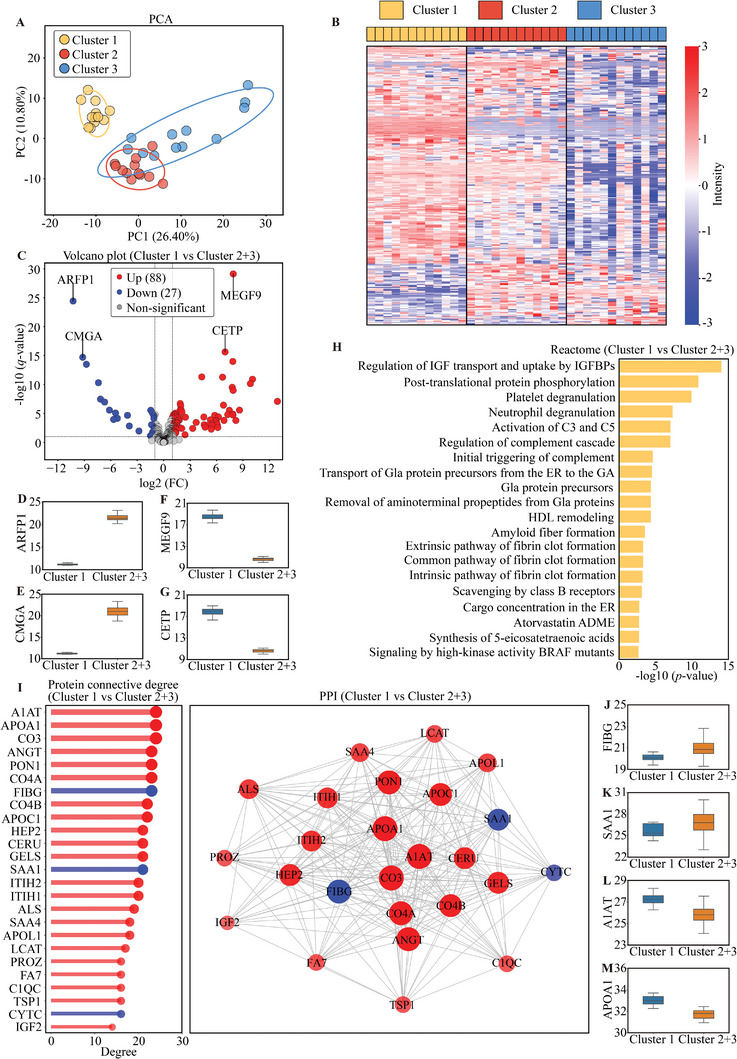 Figure 2
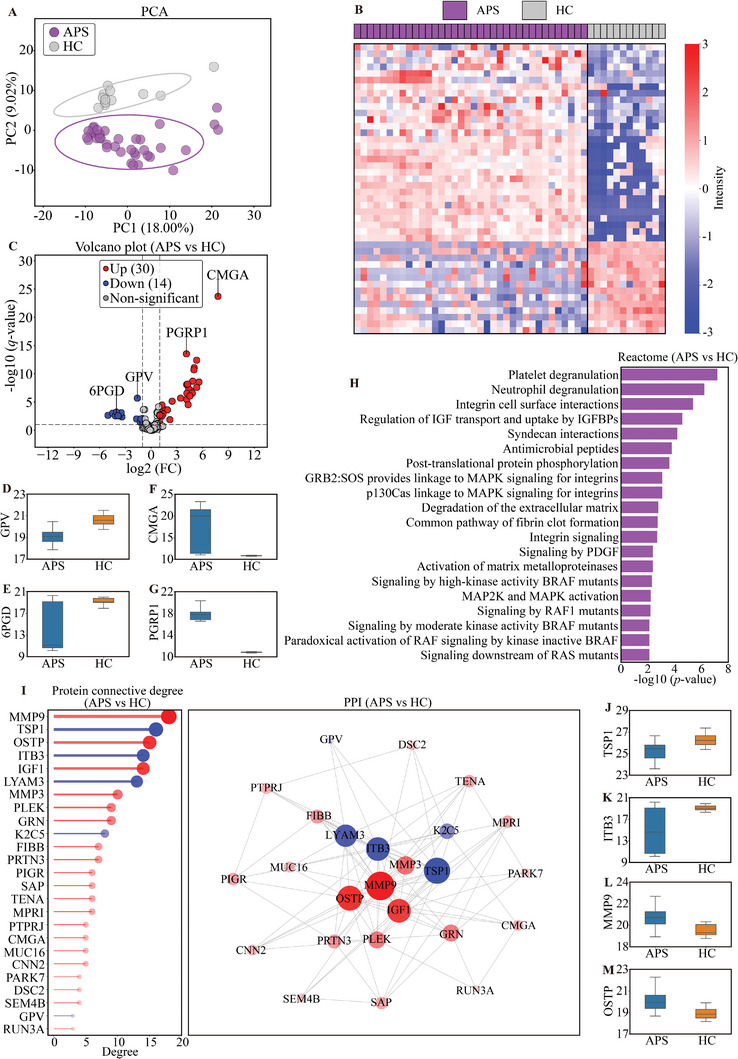 Figure 3
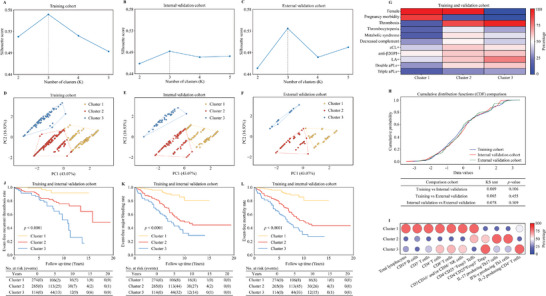 Figure 4
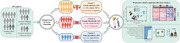 Figure 5
Peer Reviews
No public reviews on file for this paper yet. If you reviewed it on a platform where reviews are public (OpenReview, ICLR, NeurIPS, ICML), you can paste yours below so the community can read it here.
Videos
No videos yet. Explain this paper in a talk, walkthrough, or lecture? Add one.
Taxonomy
TopicsSystemic Lupus Erythematosus Research · Platelet Disorders and Treatments · Diabetes and associated disorders