Individual identification of sika deer (Cervus nippon) using short tandem repeat analysis for investigating illegal carcass disposal in Japan
Aki Tanaka, Reina Ueda, Chihiro Udagawa, Toshinori Omi, Yuko Kihara, Shin-ichi Hayama, Jo-Ann Stanton, Jo-Ann Stanton, Jo-Ann Stanton, Jo-Ann Stanton

TL;DR
This study explores using DNA markers to identify individual sika deer in Japan to help track illegal carcass disposal after hunting.
Contribution
The study is the first to evaluate STR analysis for sika deer individual identification in Japan.
Findings
Six STR loci from a cattle kit and two sika deer-specific STR markers showed polymorphism.
Three STR loci had a coincidence rate of 7.63 × 10⁻⁴, sufficient for identification.
The study demonstrates STR analysis's potential for wildlife forensic applications.
Abstract
The population of Japanese sika deer (Cervus nippon) are controlled by hunting to prevent damage to various crops in many areas in Japan. Hunters are subsidized by submitting the tail to the local government; animal carcasses must be properly disposed of after the hunt, and abandonment of hunted deer in the field is prohibited by law. However, there have been many carcasses of sika deer being abandoned without proper disposal. In such cases, individual identification by DNA analysis is required to match the abandoned deer and submitted tail and identify the suspect. When identifying individual wildlife by DNA analysis, it is crucial to select appropriate markers that consider both the procedure of the analysis and the animal species. To evaluate availability of Short Tandem Repeat (STR) analysis for the identification of sika deer, this study aimed to construct an STR database for sika…
Genes, proteins, chemicals, diseases, species, mutations and cell lines named across the full text — each resolved to its canonical identifier and authoritative record.
Click any figure to enlarge with its caption.
 Figure 1
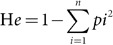 Figure 2
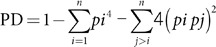 Figure 3
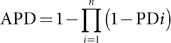 Figure 4
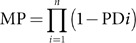 Figure 5
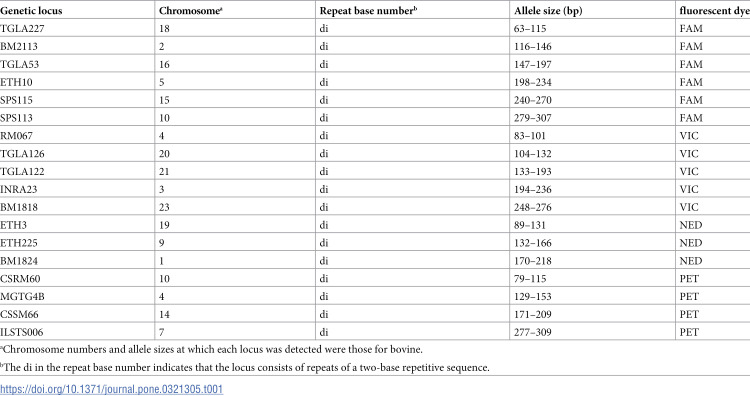 Figure 6
 Figure 7
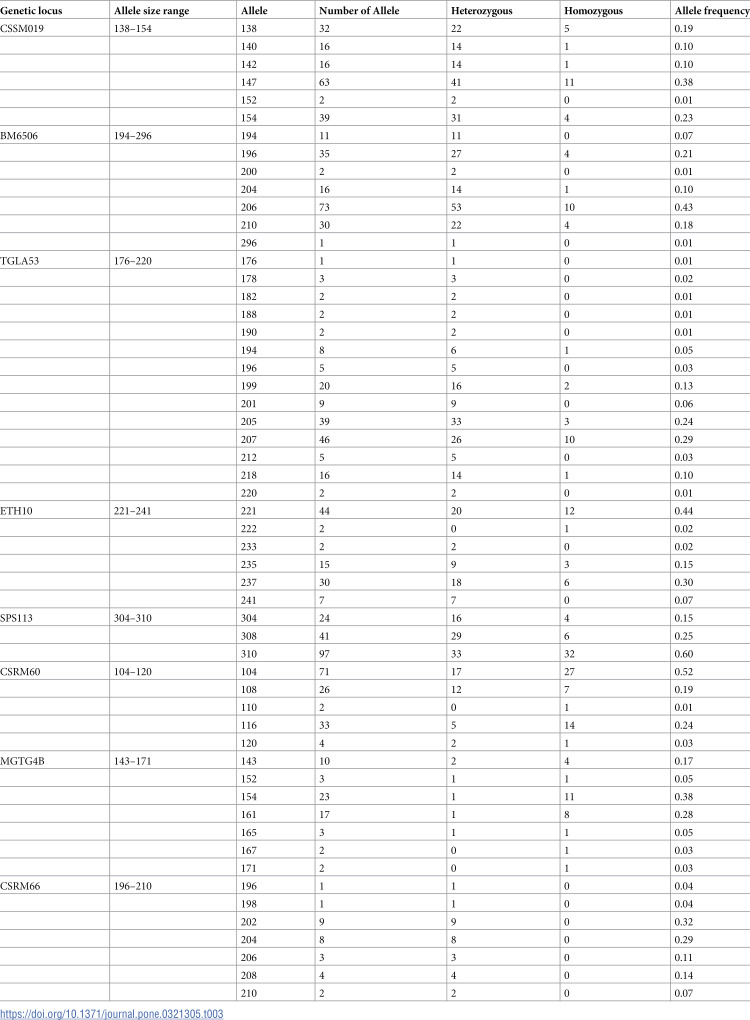 Figure 8
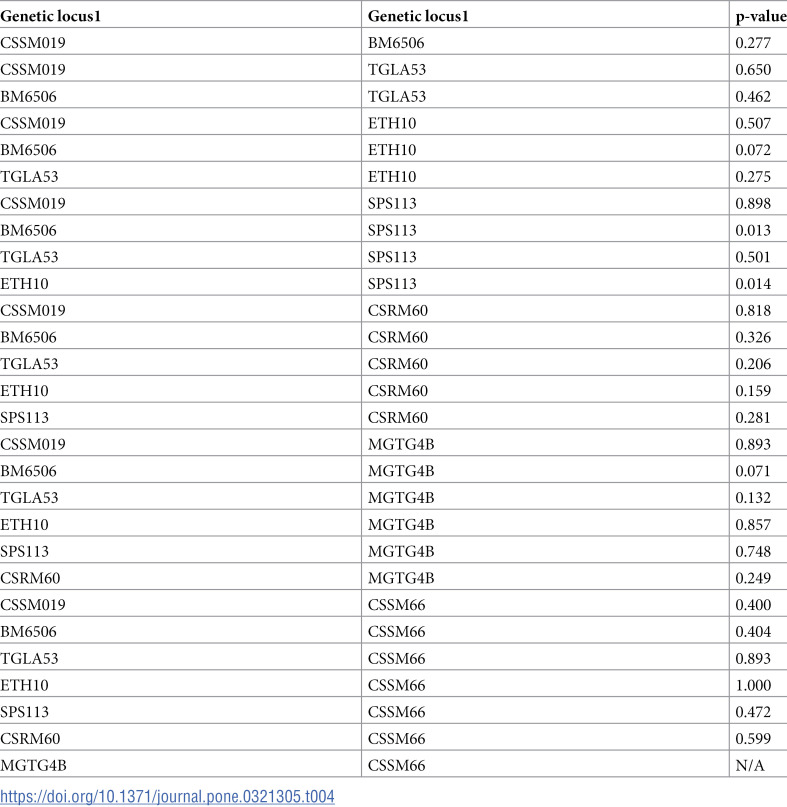 Figure 9
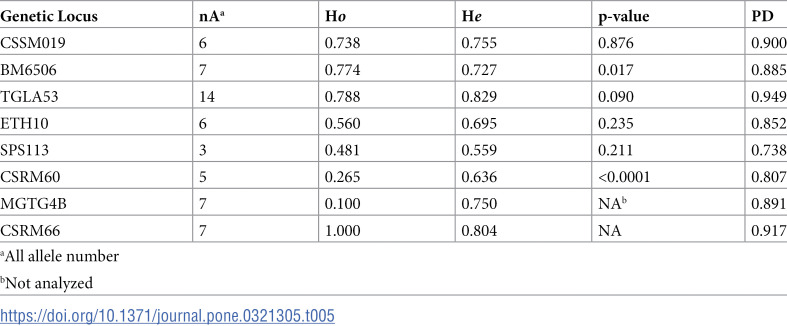 Figure 10
Peer Reviews
No public reviews on file for this paper yet. If you reviewed it on a platform where reviews are public (OpenReview, ICLR, NeurIPS, ICML), you can paste yours below so the community can read it here.
Videos
No videos yet. Explain this paper in a talk, walkthrough, or lecture? Add one.
Taxonomy
TopicsEnvironmental DNA in Biodiversity Studies · Identification and Quantification in Food · Wildlife Ecology and Conservation