High impedance faults detection in power distribution networks using rogowski coils, kalman filtering, least-squares and non-recursive DFT computation engines
Ziad M. Ali, Mostafa H. Mostafa, Shady H. E. Abdel Aleem, Ehab M. Esmail

TL;DR
This paper introduces a new method for detecting high-resistance faults in power networks using a non-recursive DFT approach, which outperforms existing techniques.
Contribution
The novel non-recursive DFT computational engine for high-impedance fault detection is introduced and validated.
Findings
The non-recursive DFT method showed a fixed amplitude error and rotated output angle during transient errors.
The proposed technique outperformed current reconstruction, Kalman filtering, and least-squares methods in fault detection.
Simulations using MATLAB confirmed the effectiveness of the new method under various arc models and test conditions.
Abstract
This paper presents a novel computational engine based on non-recursive discrete Fourier transform (DFT) technology to detect high-resistance faults (HRFs) in power distribution networks. The non-recursive DFT approach utilizes the interconnection between a sliding window for current signals and a foundation function window during transient error. This non-recursive DFT technology is characterized by a fixed error in amplitude calculation and a rotated output angle. The proposed technique is compared against several established methods for high-resistance fault detection in distribution systems, including current reconstruction (CR) using Rogowski coils, Kalman filtering, and least-squares computational engines. The performance of each technique is evaluated by assessing the estimated percentage error in the calculation of fundamental and harmonic amplitudes. To study the proposed…
Genes, proteins, chemicals, diseases, species, mutations and cell lines named across the full text — each resolved to its canonical identifier and authoritative record.
Click any figure to enlarge with its caption.
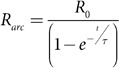 Figure 1
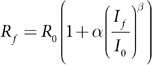 Figure 2
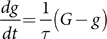 Figure 3
 Figure 4
 Figure 5
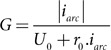 Figure 6
 Figure 7
 Figure 8
 Figure 9
 Figure 10
 Figure 11
 Figure 12
 Figure 13
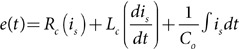 Figure 14
 Figure 15
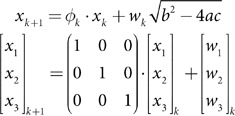 Figure 16
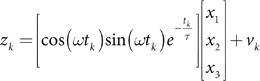 Figure 17
 Figure 18
 Figure 19
 Figure 20
 Figure 21
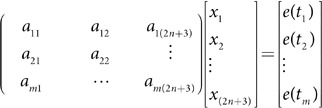 Figure 22
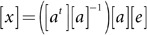 Figure 23
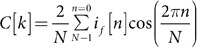 Figure 24
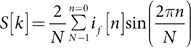 Figure 25
 Figure 26
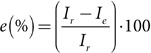 Figure 27
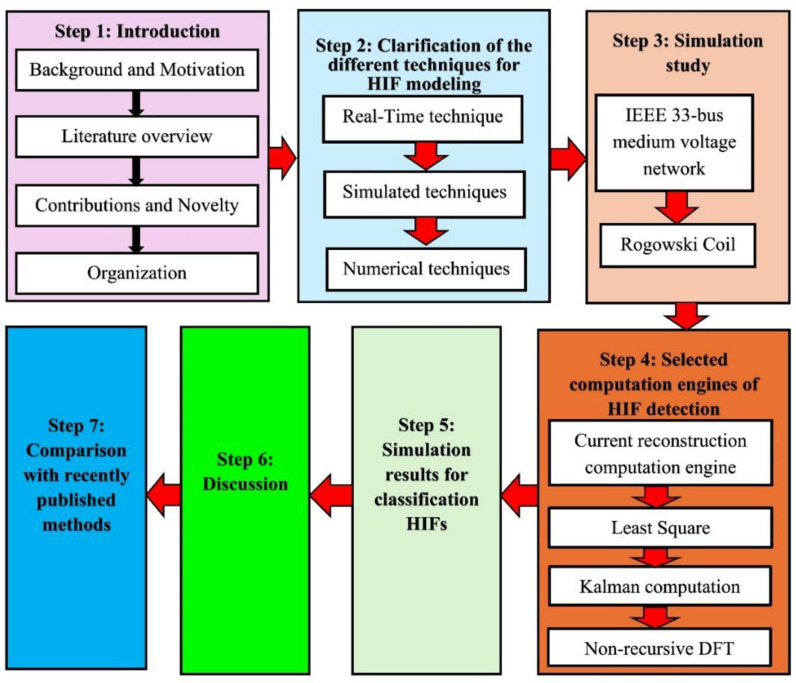 Figure 28
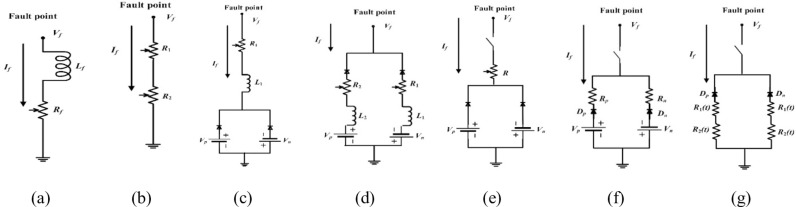 Figure 29
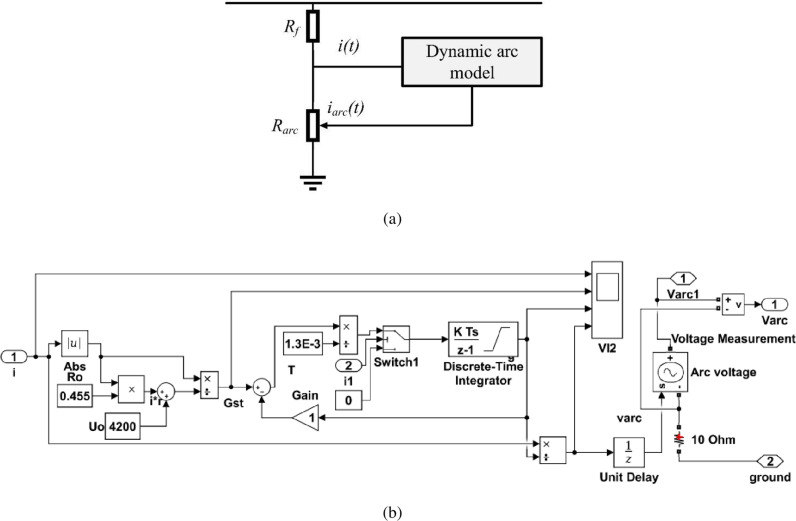 Figure 30
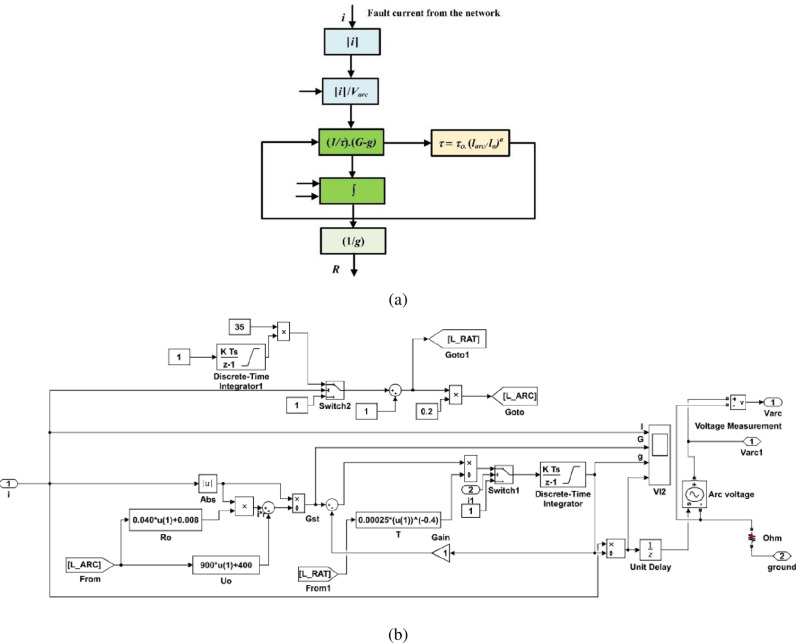 Figure 31
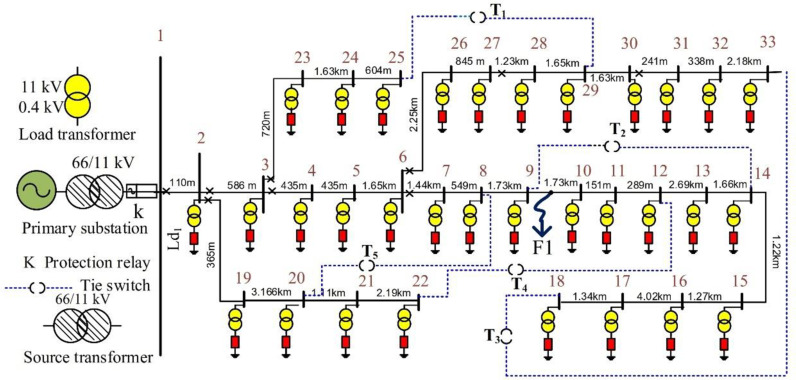 Figure 32
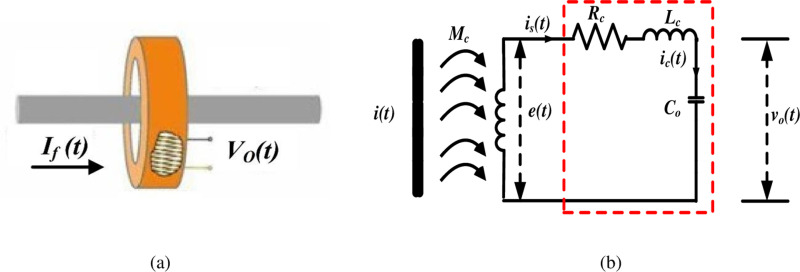 Figure 33
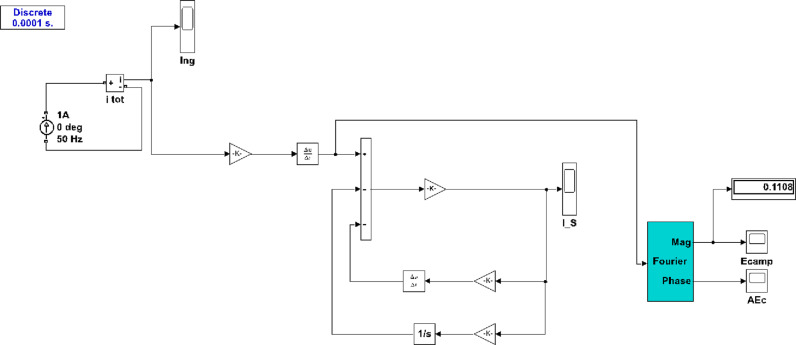 Figure 34
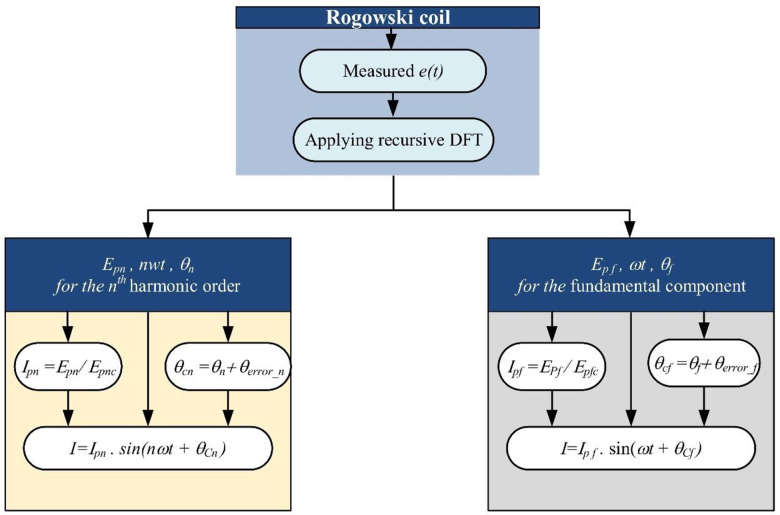 Figure 35
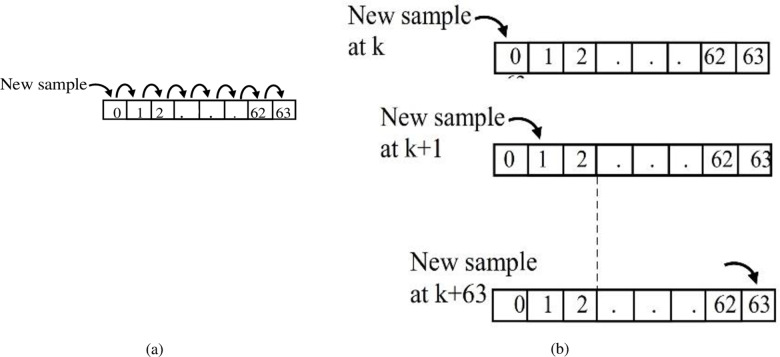 Figure 36
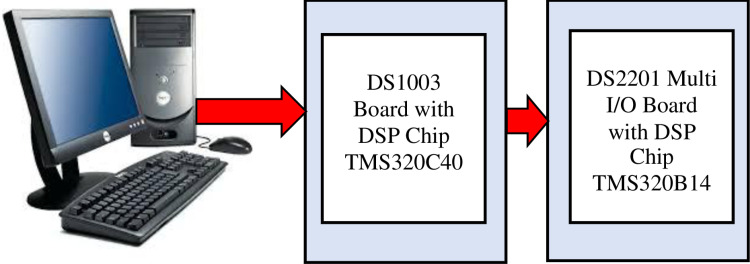 Figure 37
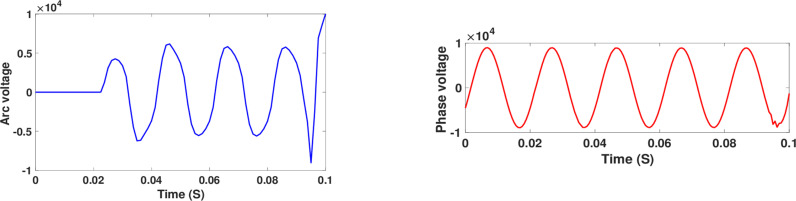 Figure 38
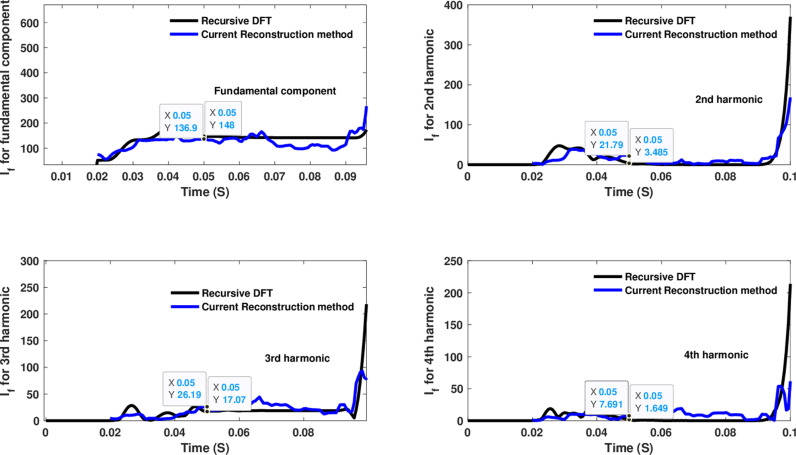 Figure 39
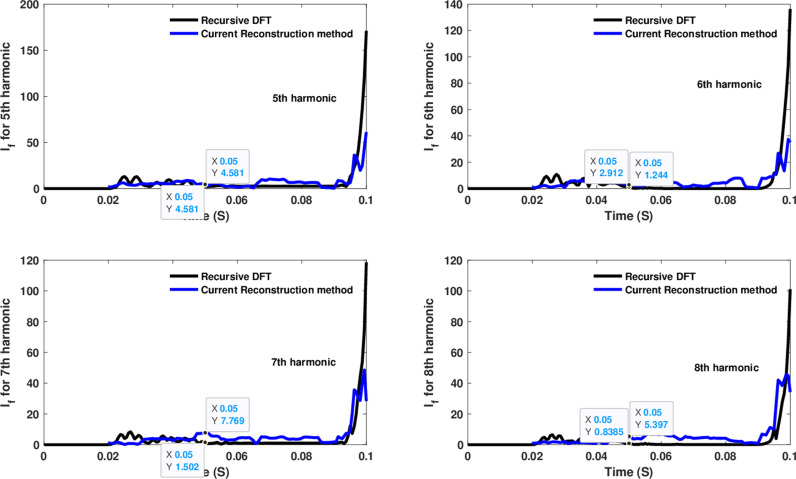 Figure 40
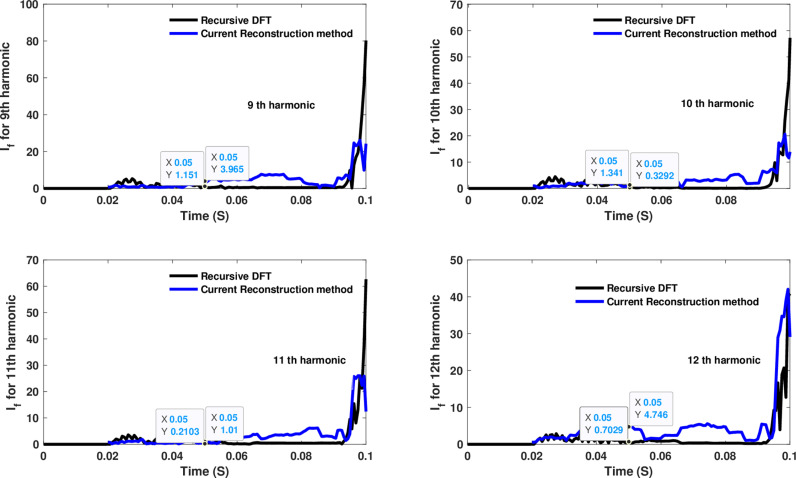 Figure 41
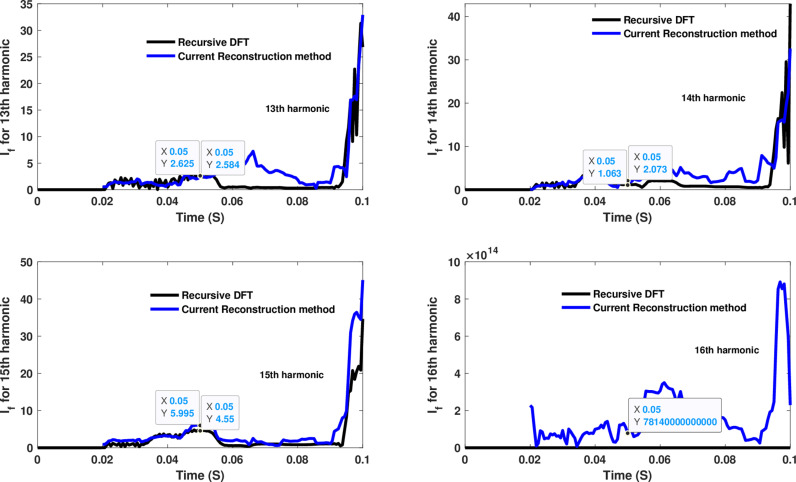 Figure 42
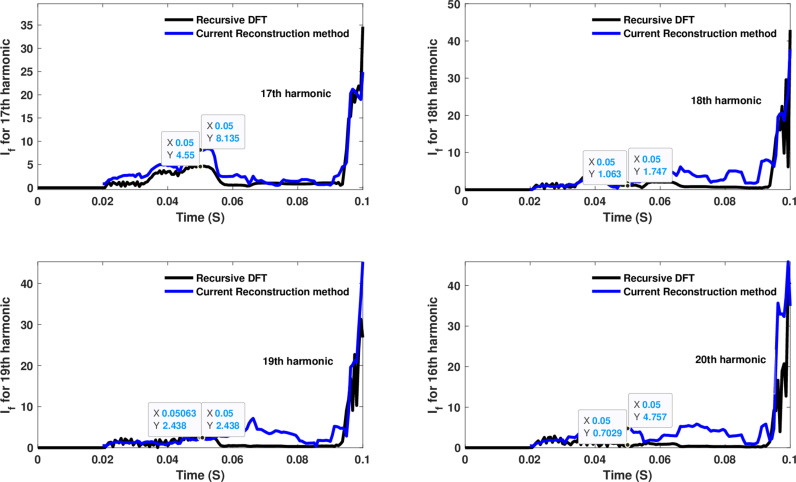 Figure 43
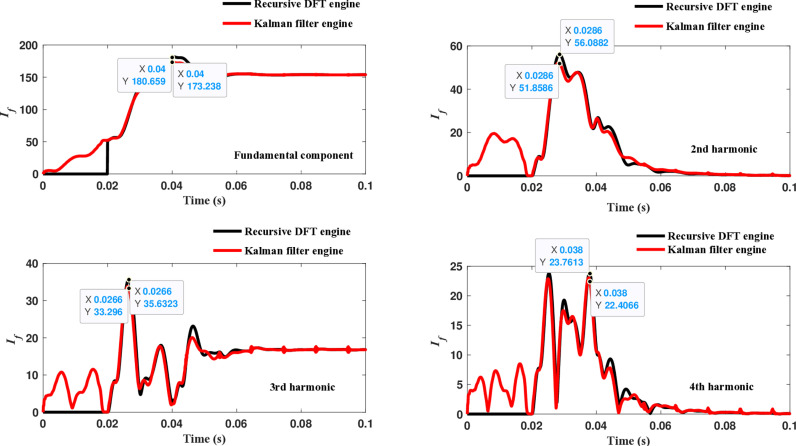 Figure 44
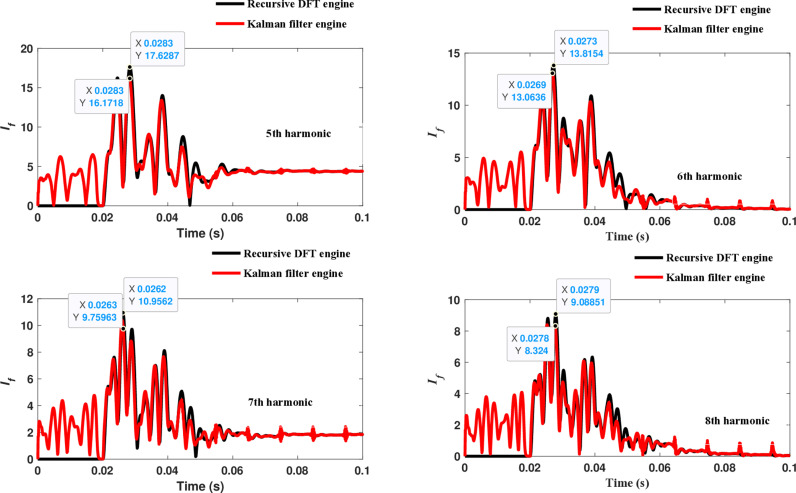 Figure 45
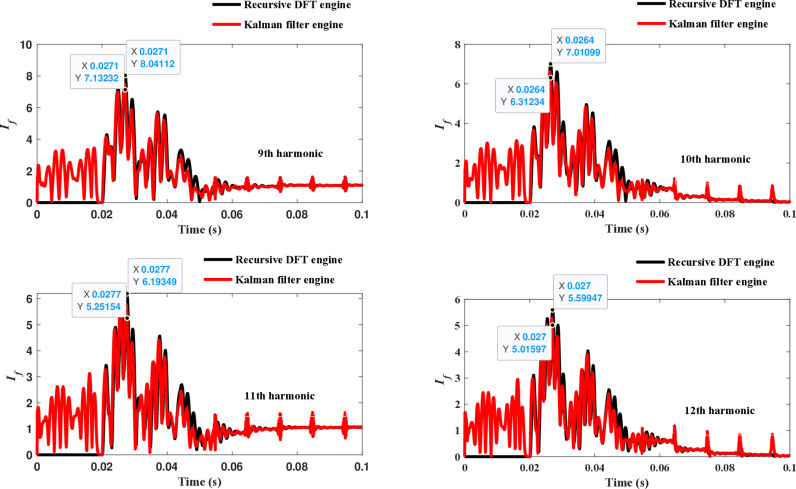 Figure 46
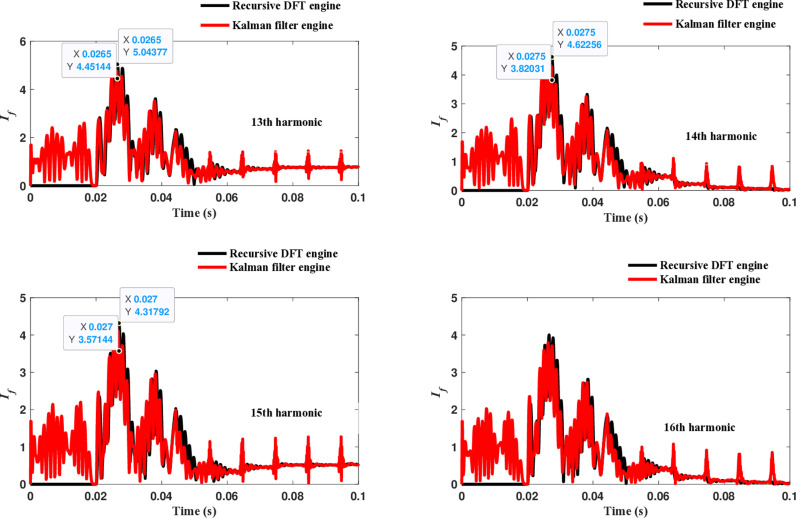 Figure 47
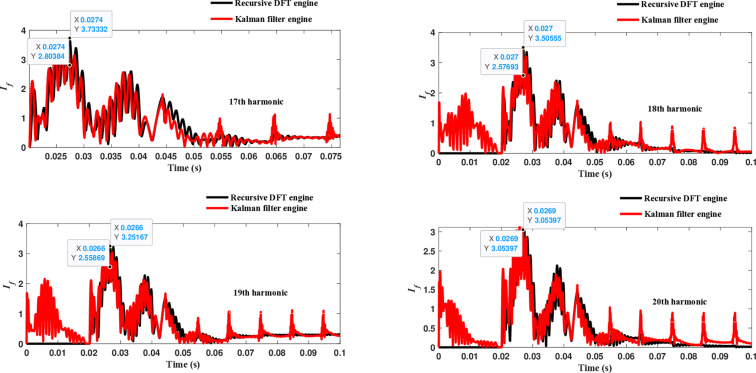 Figure 48
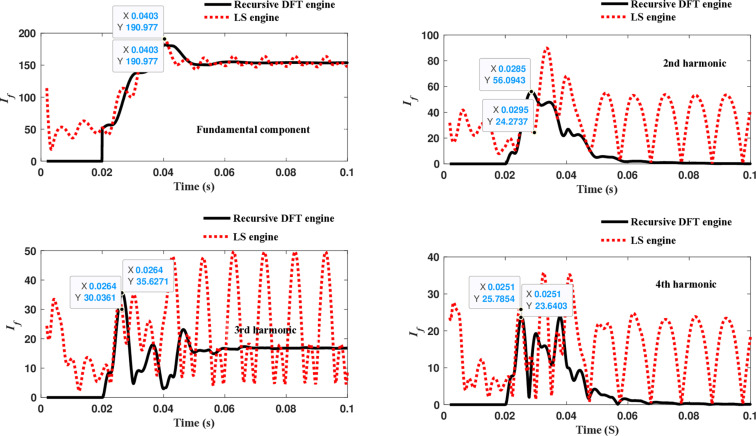 Figure 49
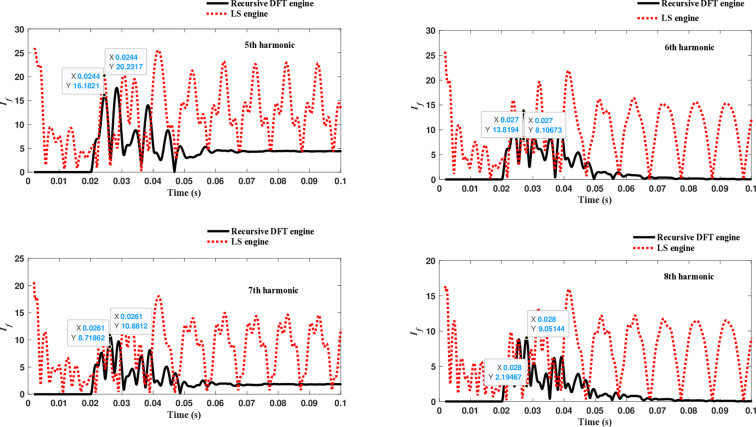 Figure 50
Peer Reviews
No public reviews on file for this paper yet. If you reviewed it on a platform where reviews are public (OpenReview, ICLR, NeurIPS, ICML), you can paste yours below so the community can read it here.
Videos
No videos yet. Explain this paper in a talk, walkthrough, or lecture? Add one.
Taxonomy
TopicsPower Systems Fault Detection · Electrical Fault Detection and Protection · High voltage insulation and dielectric phenomena