Morphological control of cuprate superconductors using sea sponges as templates
Jan Maurycy Uszko, Jula C. Schroeder, Stephen J. Eichhorn, Avinash J. Patil, Simon R. Hall

TL;DR
Scientists used sea sponges to create superconducting materials in a more sustainable way.
Contribution
A novel biotemplating method using sea sponges to synthesize superconducting sponges without external calcium.
Findings
YBCO sponges achieved a critical temperature of about 70 K.
BSCCO sponges reached a critical temperature of 77 K.
Natural calcium in sponges was used for doping and forming superconductors.
Abstract
Functional porous superconducting sponges, consisting of YBa2Cu3O6+δ (YBCO) and Bi2Sr2CaCu2O8+δ (BSCCO), were created by biotemplating with natural sea sponges. Naturally occurring calcium in the spongin fibers was utilized to dope YBCO and to form BSCCO without adding any external calcium source. The sample morphology was confirmed with scanning electron microscopy, and the sample composition was confirmed with energy-dispersive X-ray spectroscopy, powder electron diffraction and high-resolution transmission electron microscopy. The YBCO sponge exhibited a critical temperature (Tc) of approximately 70 K, and the BSCCO sponge showed a Tc of 77 K. This proof-of-concept study demonstrates the feasibility of using sea sponges as a greener, more sustainable template for superconductor synthesis. Functional porous superconducting sponges, consisting of YBa2Cu3O6+δ (YBCO) and Bi2Sr2CaCu2O8+δ…
Click any figure to enlarge with its caption.
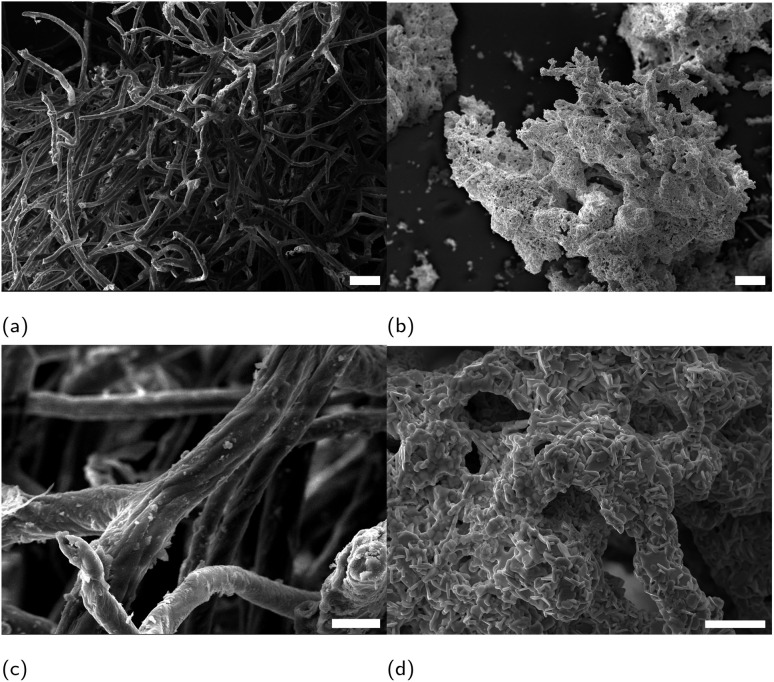 Figure 1
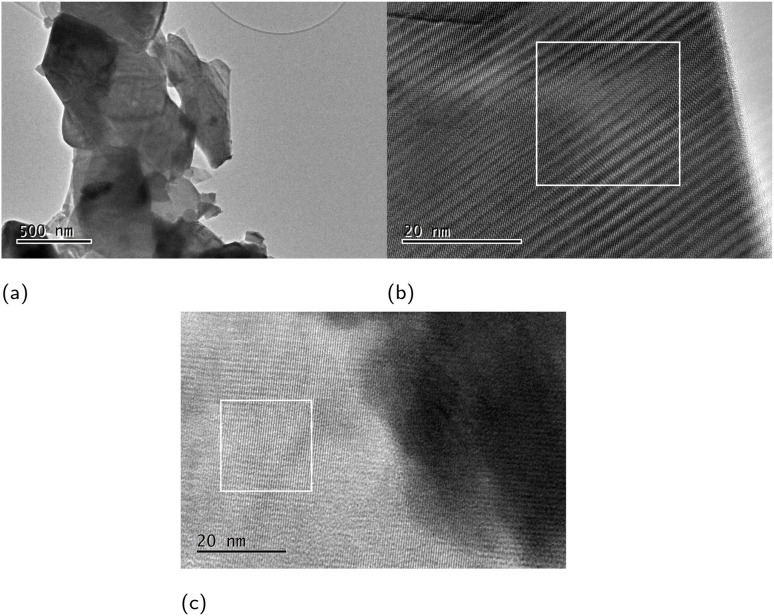 Figure 2
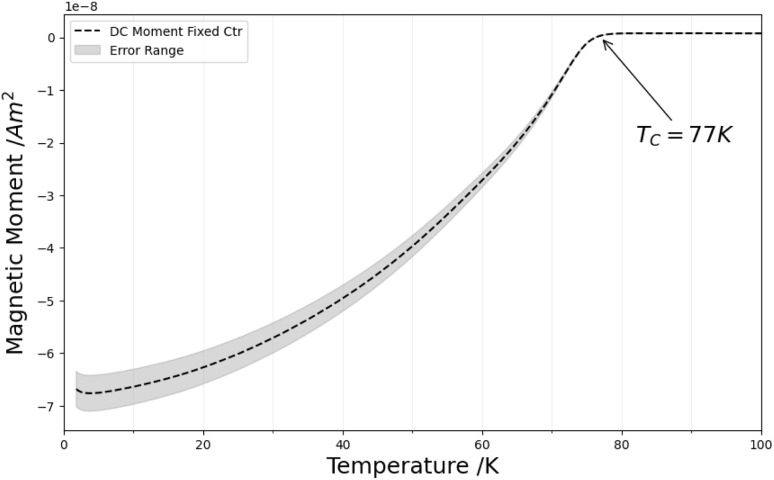 Figure 3
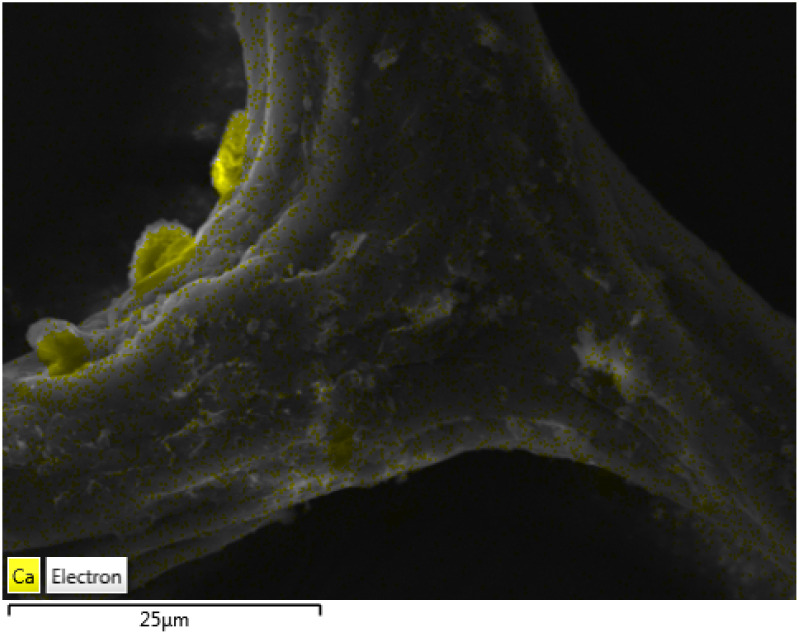 Figure 4
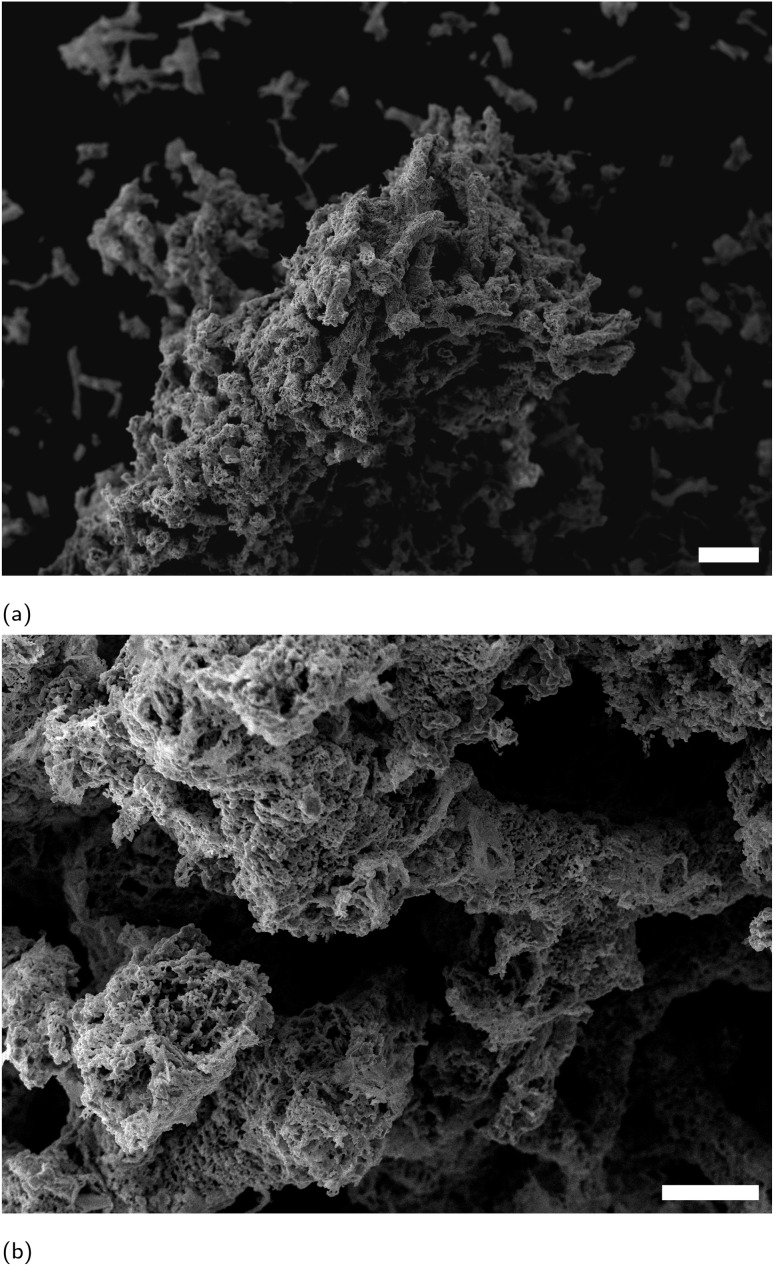 Figure 5
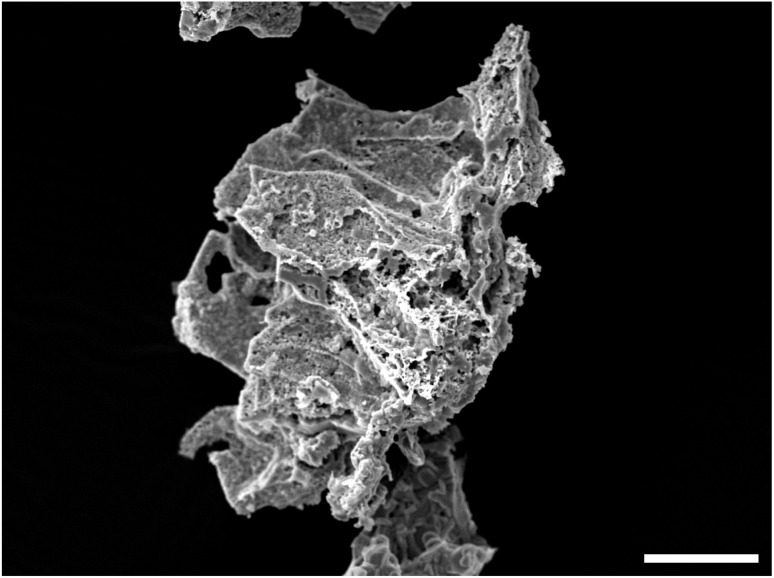 Figure 6
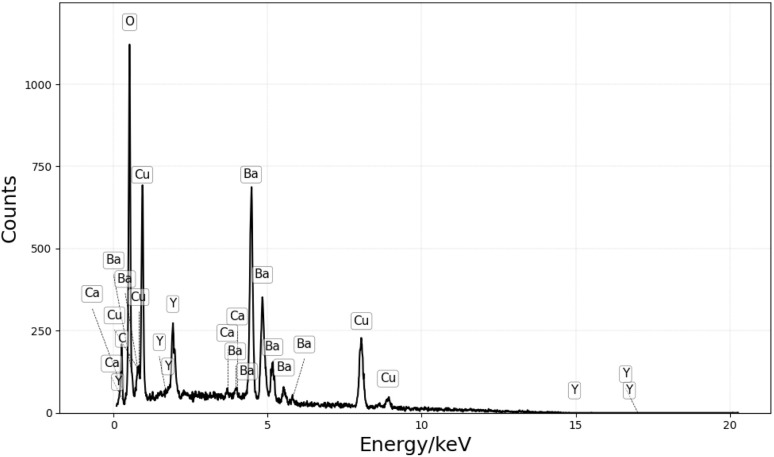 Figure 7
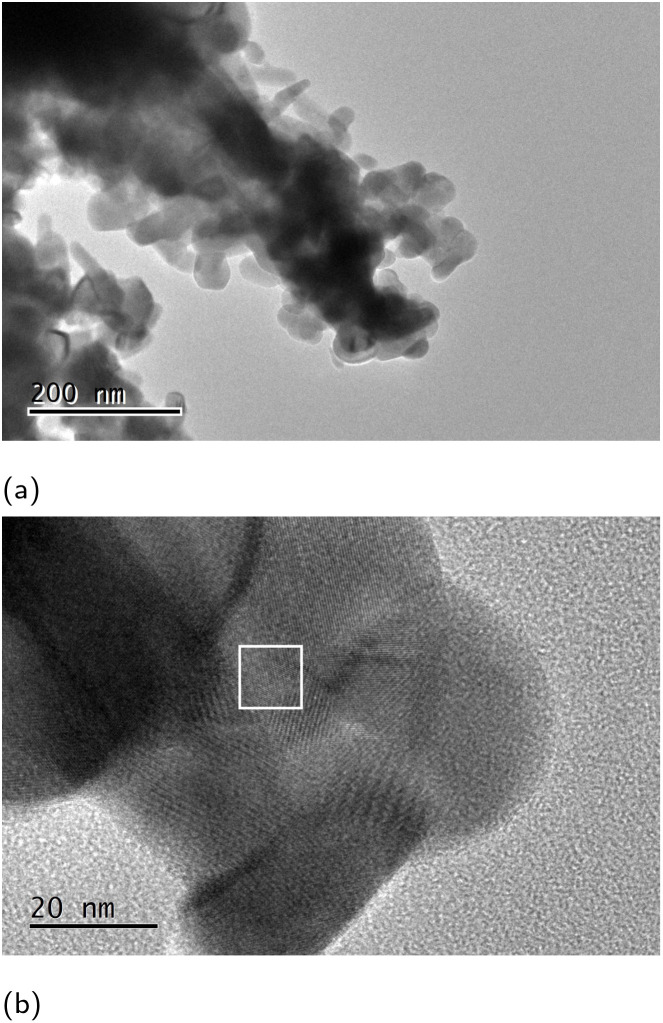 Figure 8
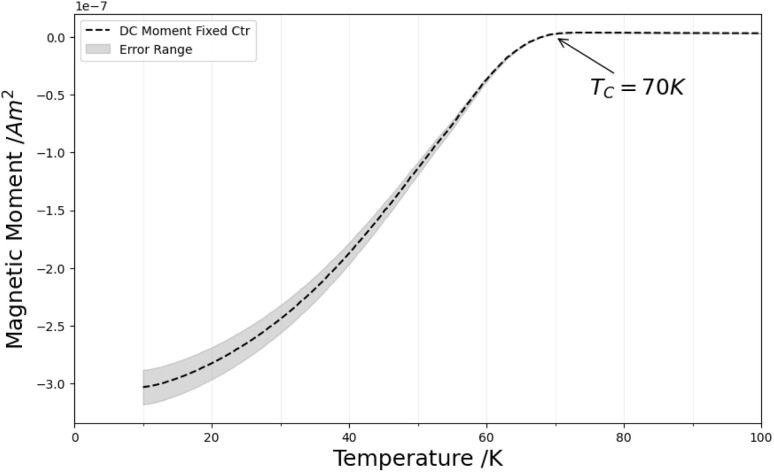 Figure 9
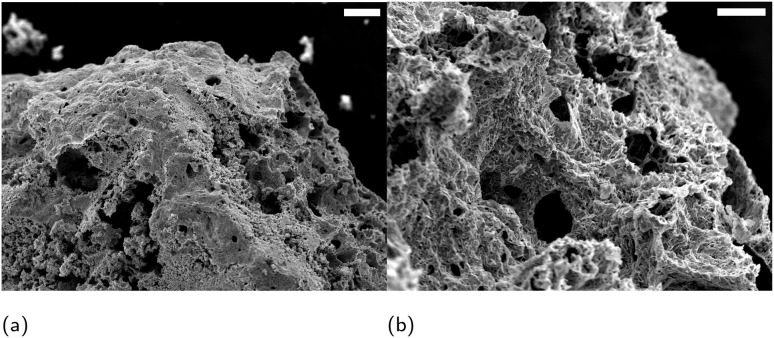 Figure 10
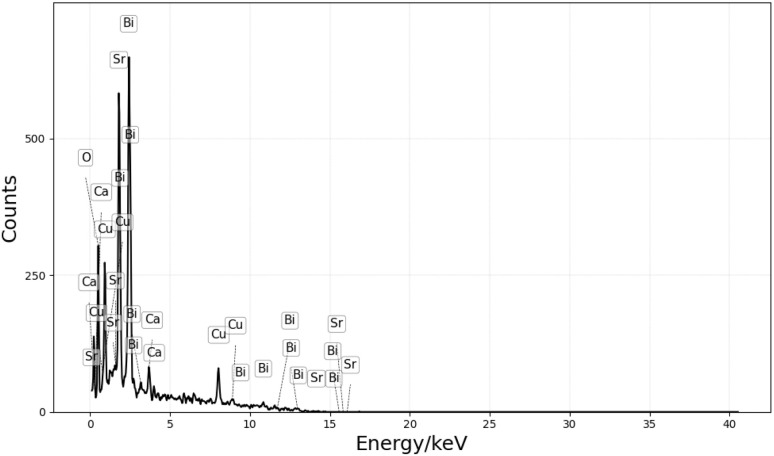 Figure 11
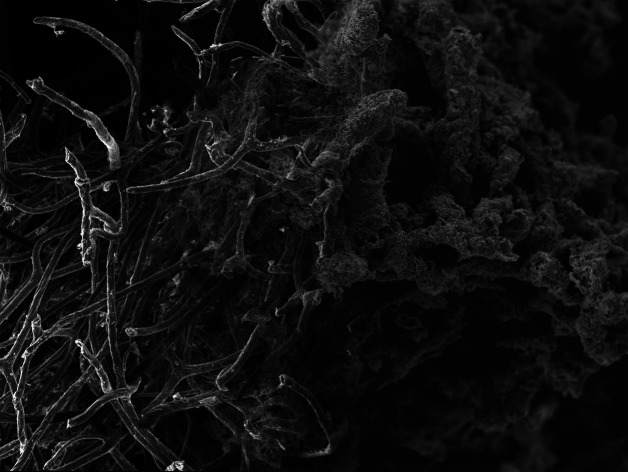 Figure 12
 Figure 13
Peer Reviews
No public reviews on file for this paper yet. If you reviewed it on a platform where reviews are public (OpenReview, ICLR, NeurIPS, ICML), you can paste yours below so the community can read it here.
Videos
No videos yet. Explain this paper in a talk, walkthrough, or lecture? Add one.
Taxonomy
TopicsElectrophoretic Deposition in Materials Science · Mesoporous Materials and Catalysis · Copper-based nanomaterials and applications