A Functional Larynx Dissection Utilizing Mandibular Rotation: A Technical Report
Mario Loomis, Brandon Trevino, Bradley Engel, Kyle Stitle, Hayden Fanguy, Yashna Thakker, Nicholas Fong, Matt Mackler, Natalie Mendoza

TL;DR
This paper introduces a new dissection method for teaching larynx anatomy that preserves functional relationships with surrounding structures.
Contribution
A novel cadaveric dissection technique using pharyngotomy and mandibular rotation to maintain laryngeal relationships.
Findings
Traditional dissection methods disrupt functional relationships of the larynx.
The new technique preserves in-situ relationships for better understanding of airway and swallowing mechanics.
Abstract
In gross anatomy labs, the larynx is usually visualized with either a sagittal hemisection or a posterior disarticulation approach. Both fail to maintain the functional in-situ relationships between the intact larynx and adjacent structures. This makes it challenging for students to understand how suprahyoid and infrahyoid muscles, pharyngeal muscles, the tongue, epiglottis, and intrinsic laryngeal muscles are all involved with airway protection and swallowing. We describe a novel approach to cadaveric larynx exposure using a pharyngotomy and mandibular rotation technique, which keeps the laryngeal relationships to the laryngopharynx, oropharynx, tongue, and soft palate intact.
Genes, proteins, chemicals, diseases, species, mutations and cell lines named across the full text — each resolved to its canonical identifier and authoritative record.
Click any figure to enlarge with its caption.
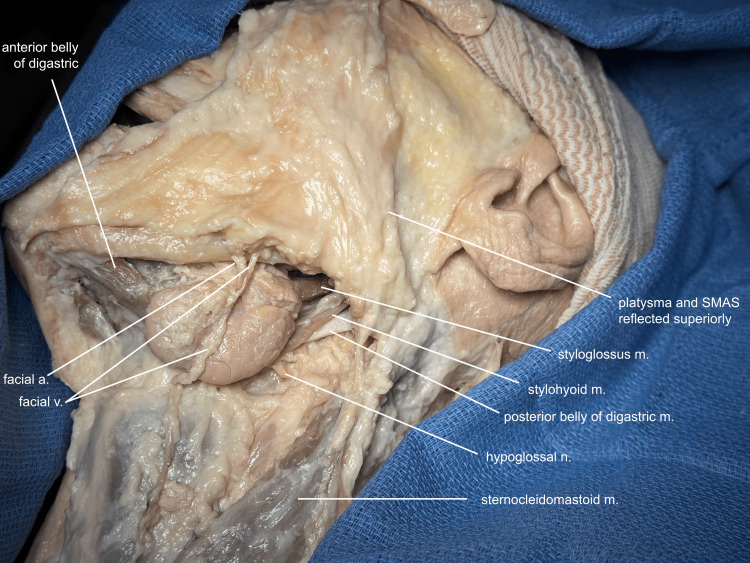 Figure 1
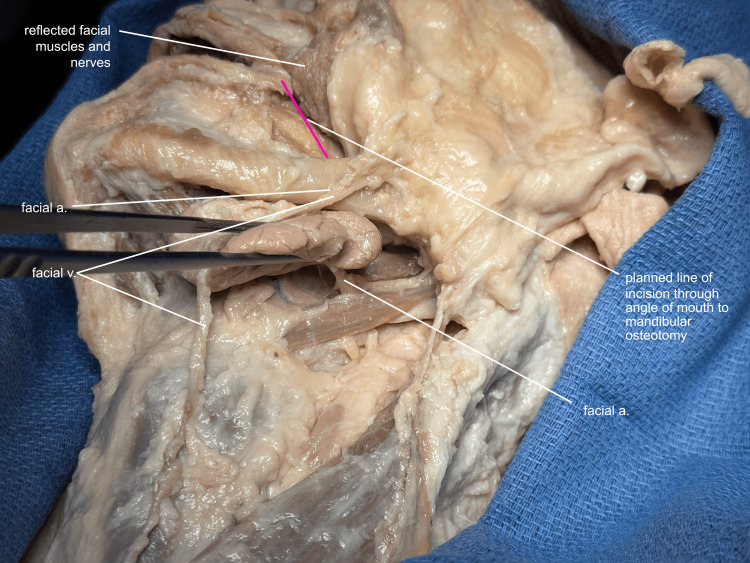 Figure 2
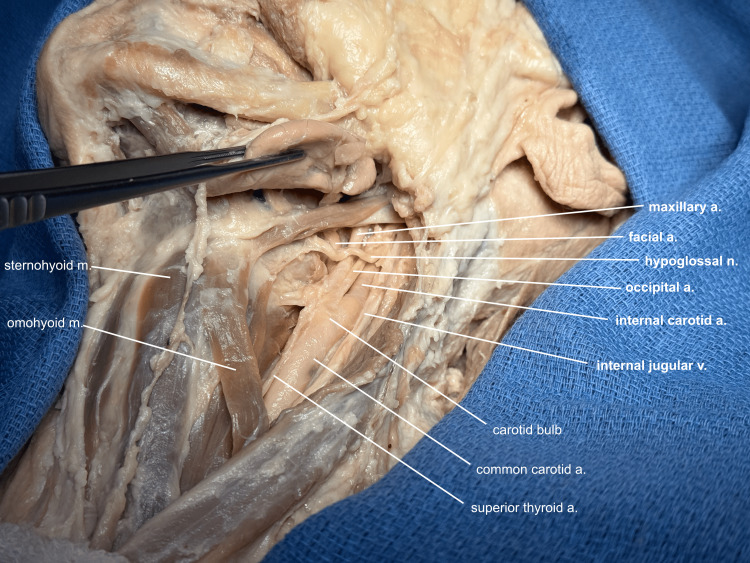 Figure 3
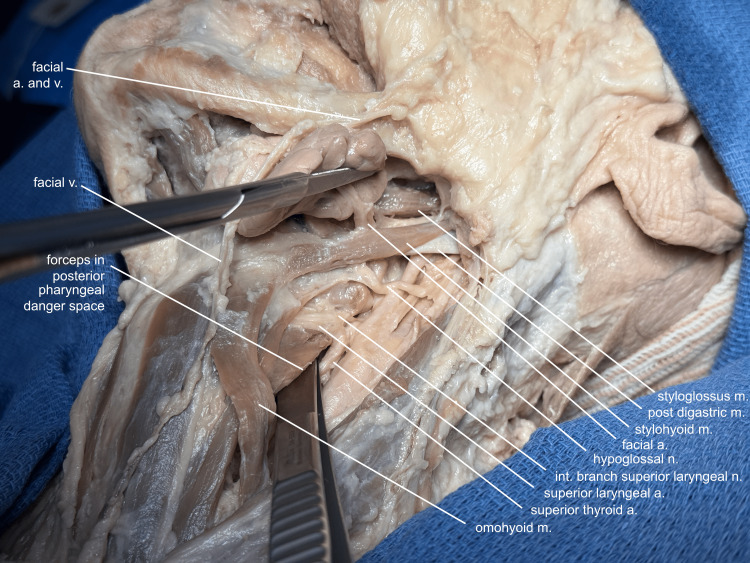 Figure 4
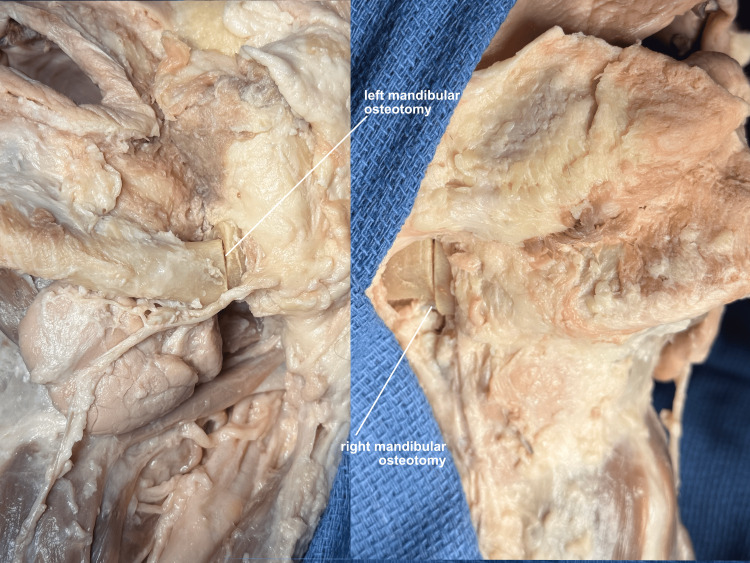 Figure 5
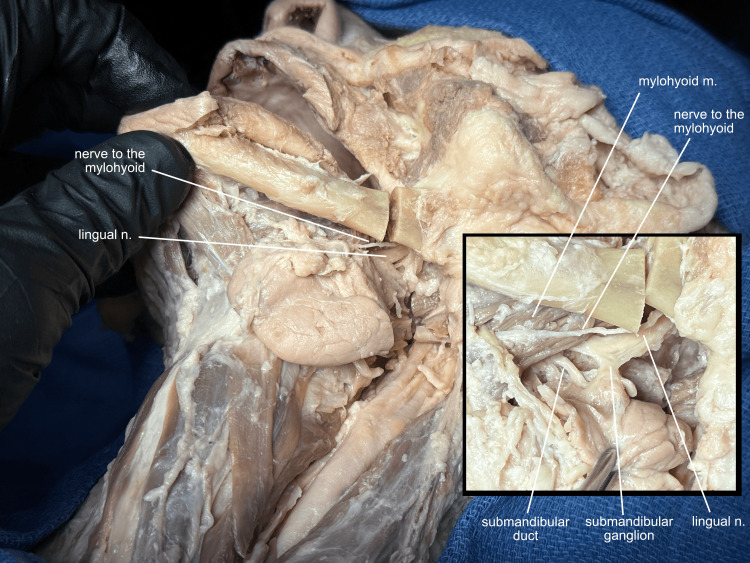 Figure 6
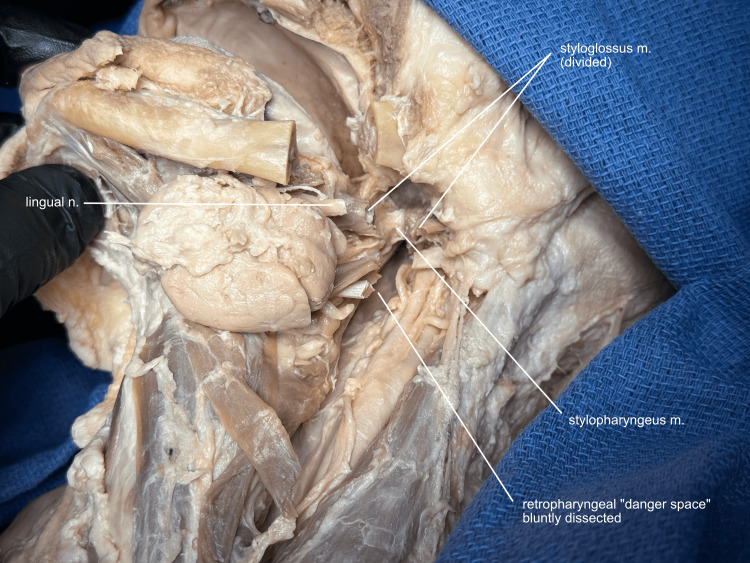 Figure 7
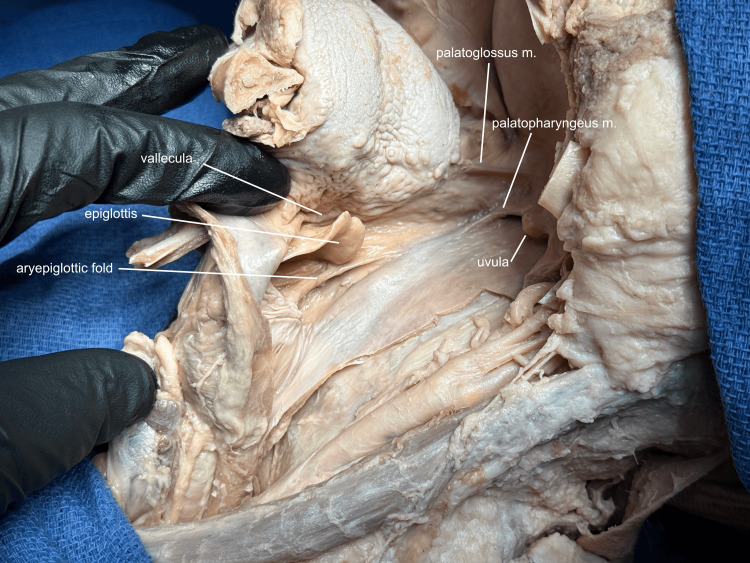 Figure 8
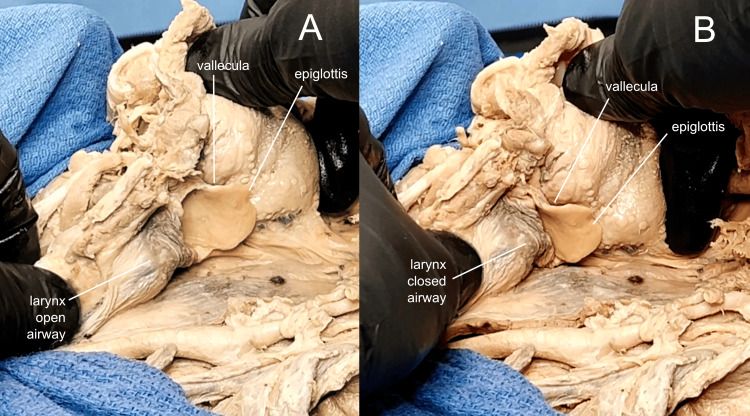 Figure 9
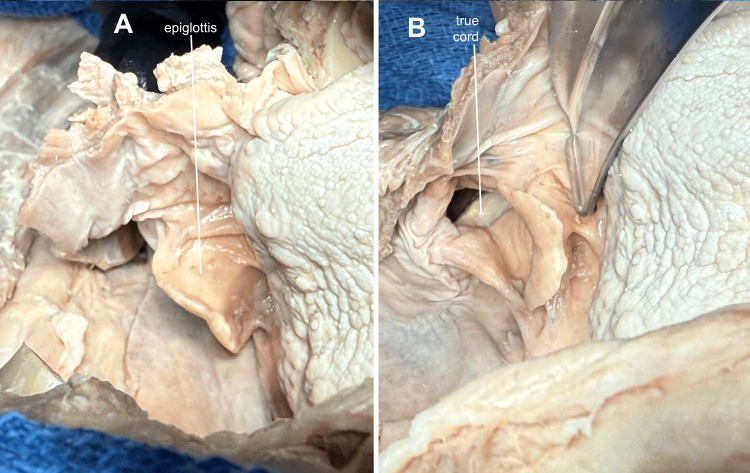 Figure 10
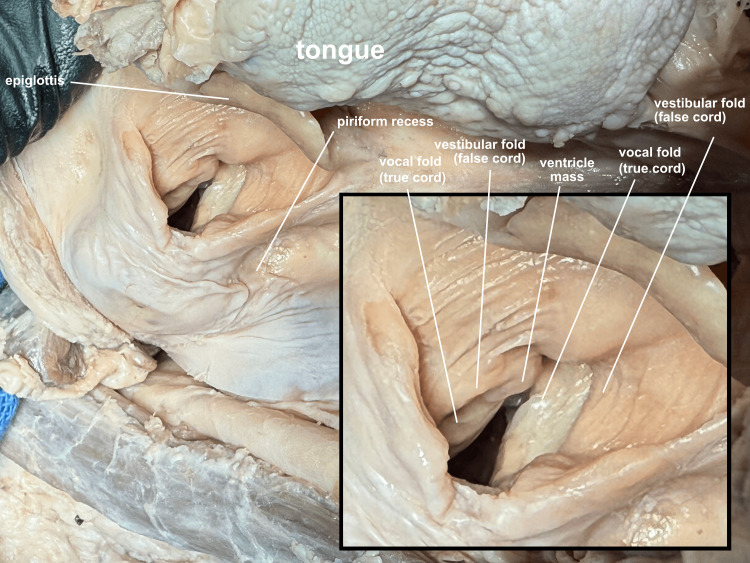 Figure 11
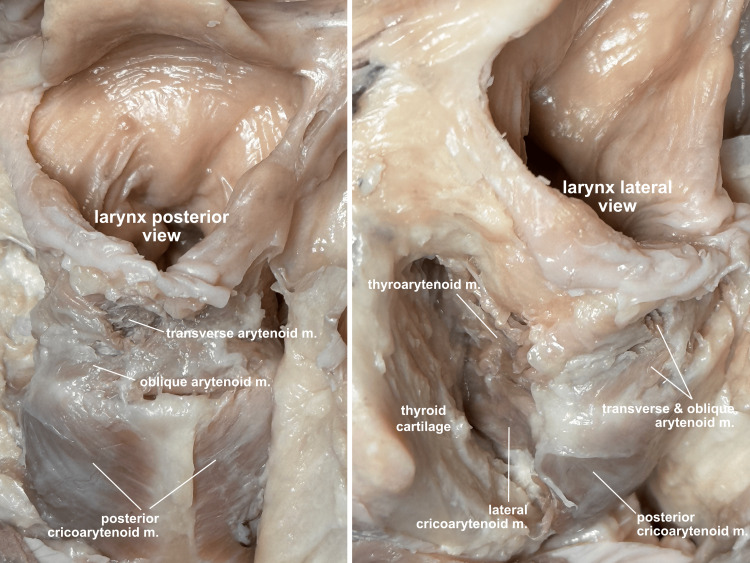 Figure 12
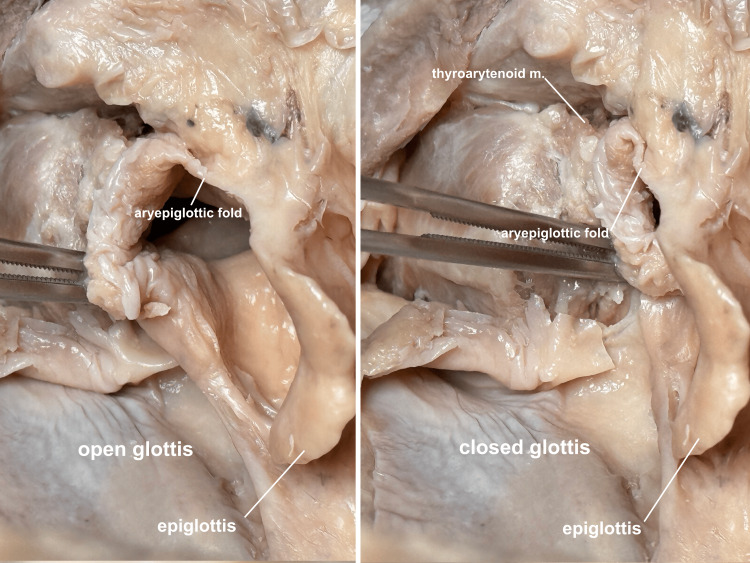 Figure 13
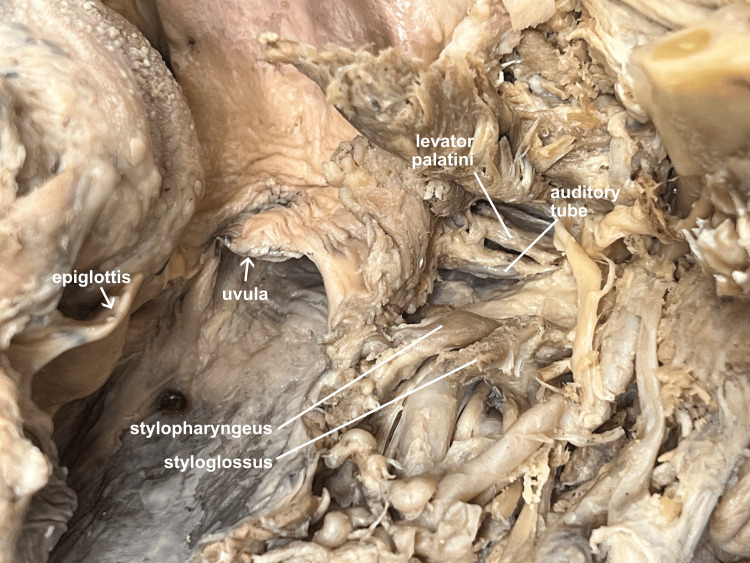 Figure 14
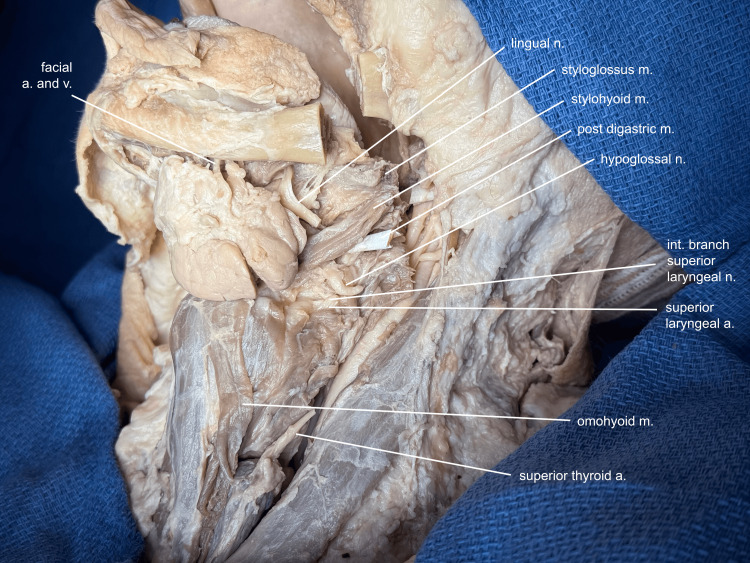 Figure 15
Peer Reviews
No public reviews on file for this paper yet. If you reviewed it on a platform where reviews are public (OpenReview, ICLR, NeurIPS, ICML), you can paste yours below so the community can read it here.
Videos
No videos yet. Explain this paper in a talk, walkthrough, or lecture? Add one.
Taxonomy
TopicsDysphagia Assessment and Management · Voice and Speech Disorders · Tracheal and airway disorders