A small RNA from Streptococcus suis epidemic ST7 strain promotes bacterial survival in host blood and brain by enhancing oxidative stress resistance
Zijing Liang, Shuoyue Wang, Xinchi Zhu, Jiale Ma, Huochun Yao, Zongfu Wu

TL;DR
A small RNA in a harmful Streptococcus suis strain helps the bacteria survive in the host's blood and brain by improving resistance to stress.
Contribution
The first sRNA targetome in streptococci is presented, revealing novel regulatory mechanisms in S. suis.
Findings
The sRNA rss03 is conserved in several streptococcal species and is prevalent in epidemic S. suis ST7 strains.
rss03 protects glpF mRNA from degradation, enhancing oxidative stress resistance and bacterial survival in macrophages.
rss03 and GlpF are essential for maintaining high bacterial loads in mouse blood and brain.
Abstract
Streptococcus suis is a Gram-positive pathogen causing septicaemia and meningitis in pigs and humans. However, how S. suis maintains a high bacterial load in the blood and brain is poorly understood. In this study, we found that a small RNA rss03 is predominantly present in S. suis, Streptococcus parasuis, and Streptococcus ruminantium, implying a conserved biological function. rss03 with a size of 303 nt mainly exists in S. suis sequence type (ST) 1 and epidemic ST7 strains that are responsible for human infections in China. Using MS2-affinity purification coupled with RNA sequencing (MAPS), proteomics analysis, and CopraRNA prediction, 14 direct targets of rss03 from an ST7 strain were identified. These direct targets mainly involve substance transport, transcriptional regulation, rRNA modification, and stress response. A more detailed analysis reveals that rss03 interacts with the…
Genes, proteins, chemicals, diseases, species, mutations and cell lines named across the full text — each resolved to its canonical identifier and authoritative record.
Click any figure to enlarge with its caption.
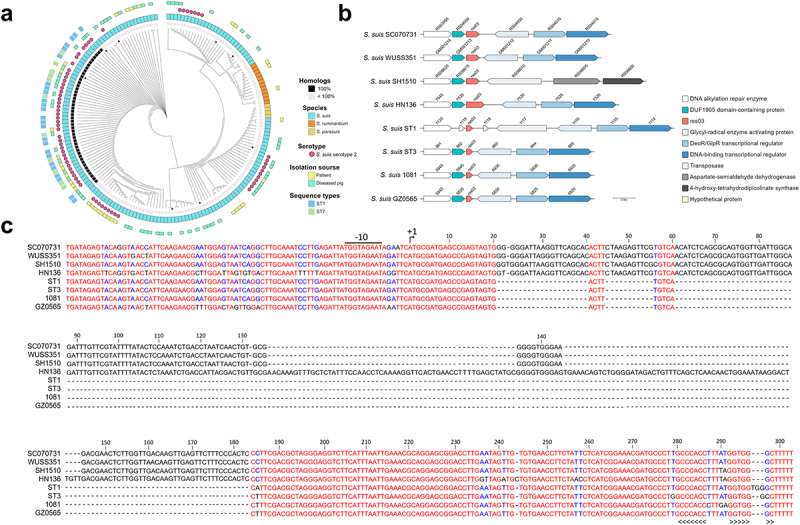 Figure 1
 Figure 2
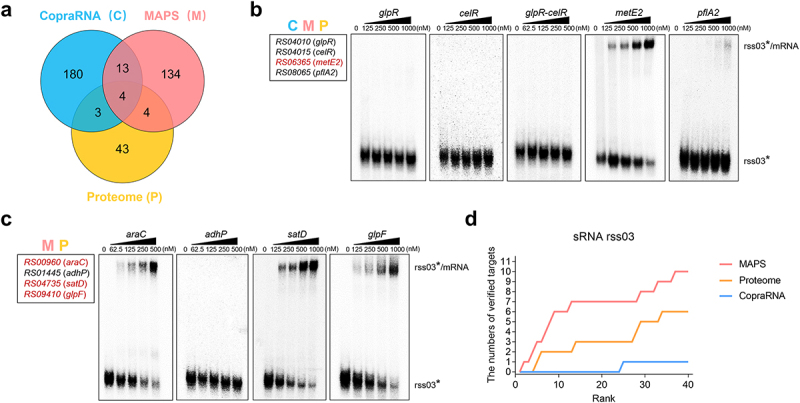 Figure 3
 Figure 4
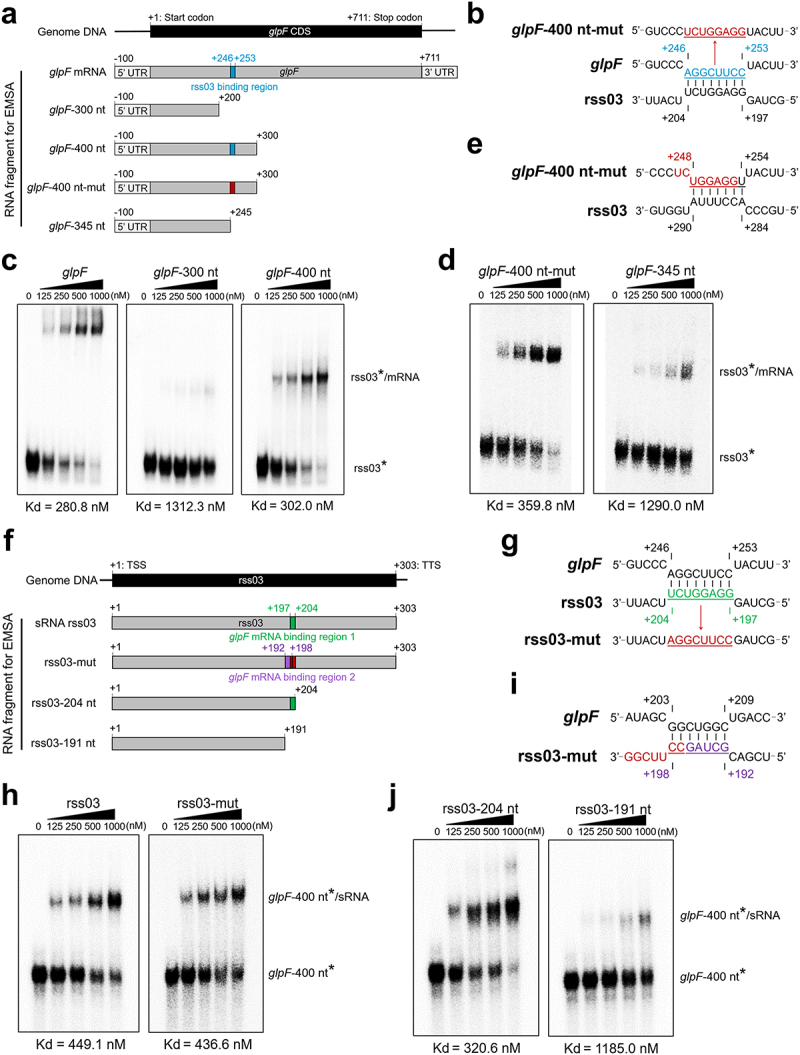 Figure 5
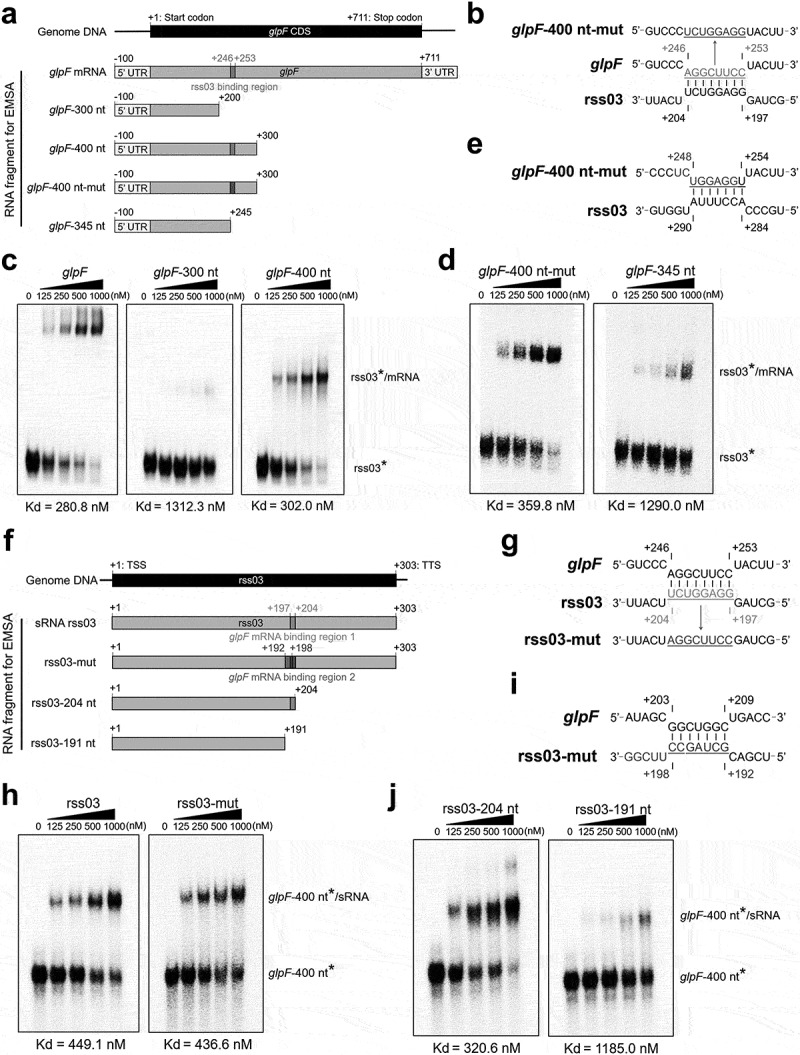 Figure 6
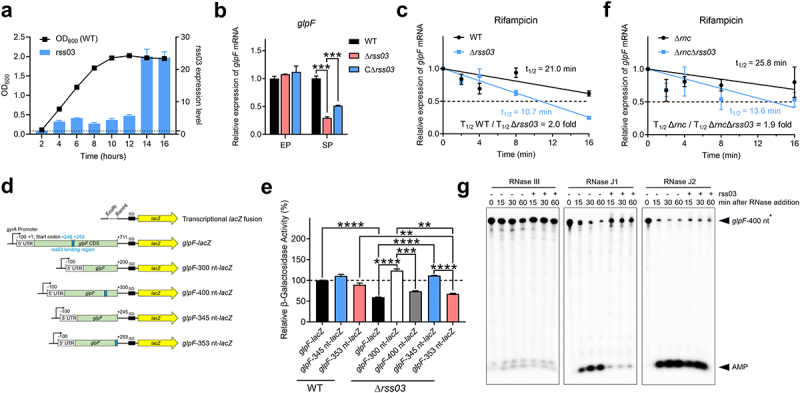 Figure 7
 Figure 8
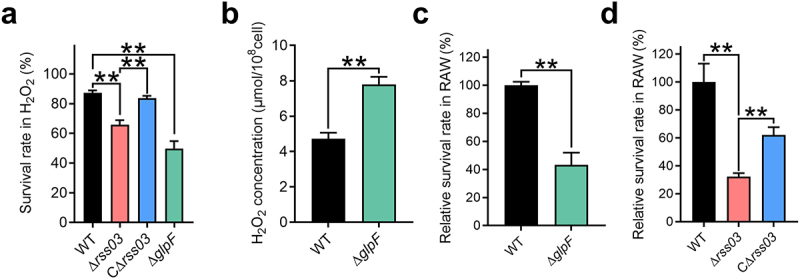 Figure 9
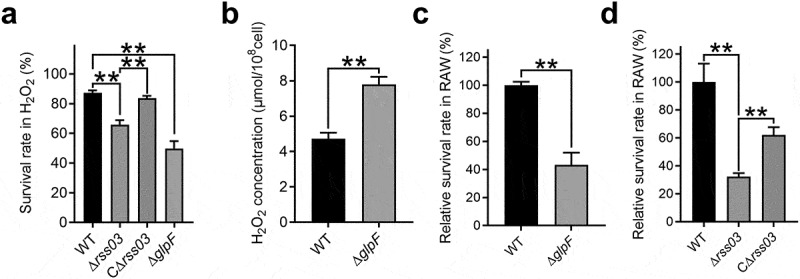 Figure 10
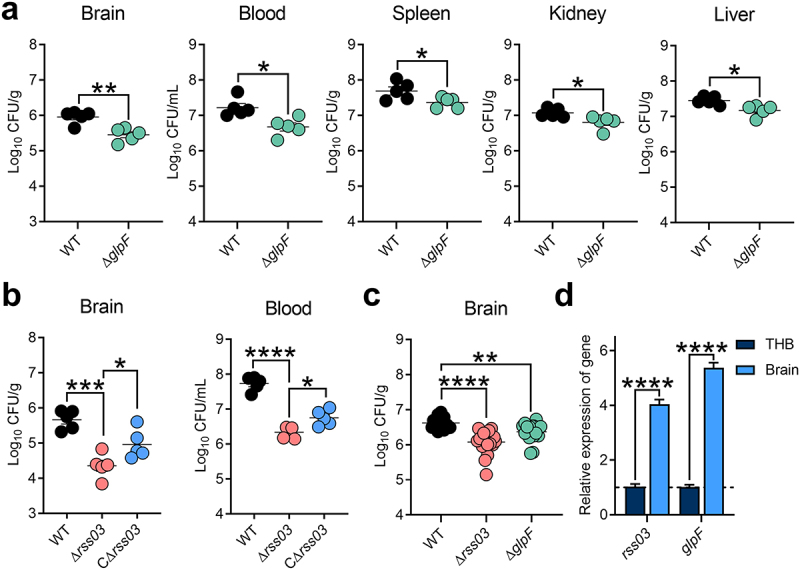 Figure 11
 Figure 12
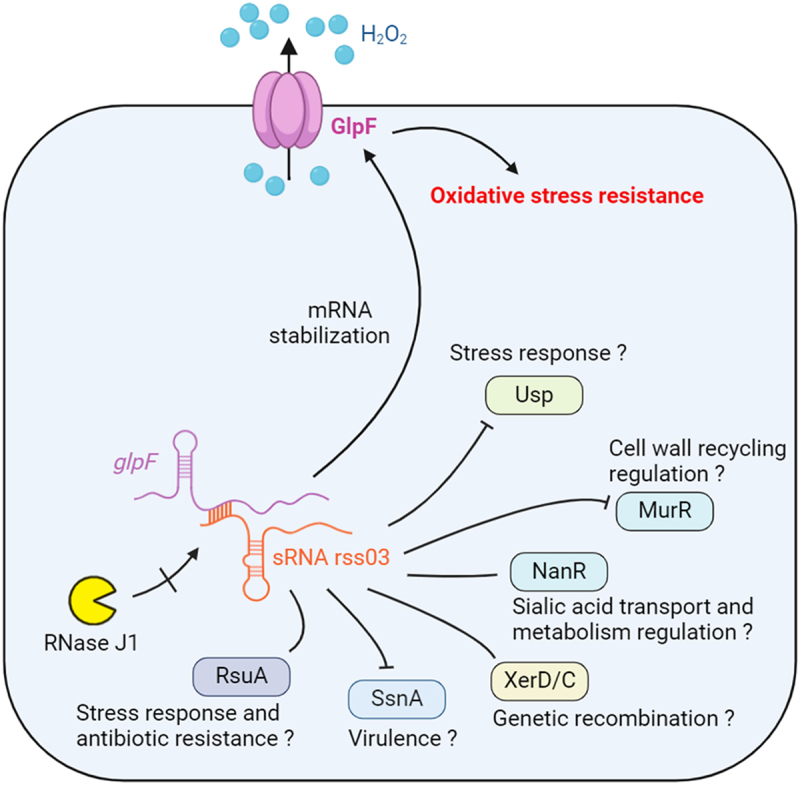 Figure 13
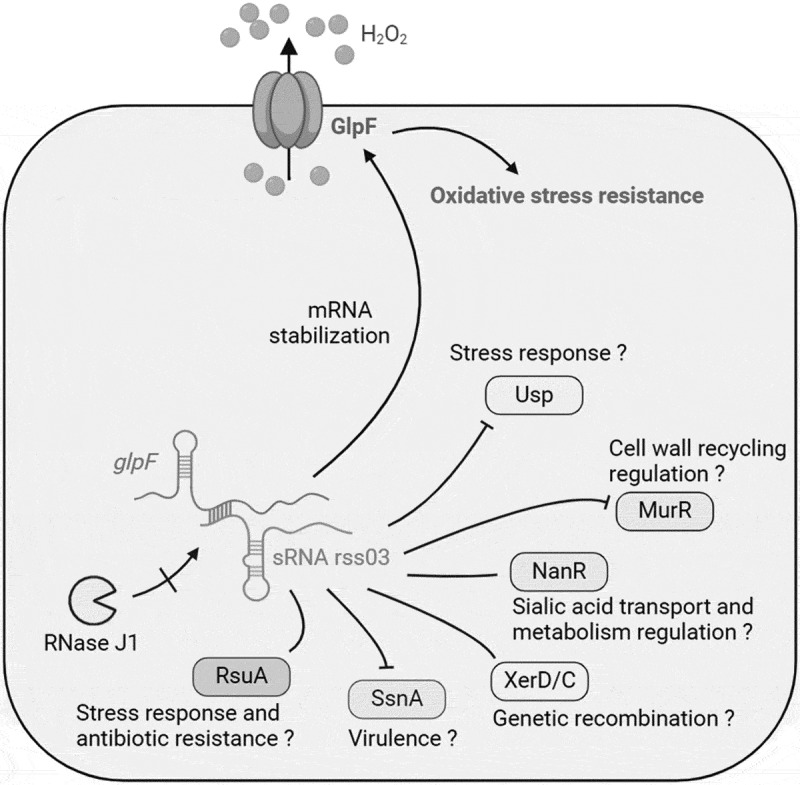 Figure 14
Peer Reviews
No public reviews on file for this paper yet. If you reviewed it on a platform where reviews are public (OpenReview, ICLR, NeurIPS, ICML), you can paste yours below so the community can read it here.
Videos
No videos yet. Explain this paper in a talk, walkthrough, or lecture? Add one.
Taxonomy
TopicsStreptococcal Infections and Treatments · Plant Pathogenic Bacteria Studies · Neonatal and Maternal Infections