6S-1 pRNA 9-mers are a prominent length species during outgrowth of Bacillus subtilis cells from extended stationary phase
Katrin Damm, Paul Klemm, Marcus Lechner, Dominik Helmecke, Roland K. Hartmann

TL;DR
This study identifies 9-mers as a key RNA product during Bacillus subtilis recovery from stationary phase and introduces a new RNA-Seq method to detect ultrashort RNAs.
Contribution
A novel RNA-Seq method using poly-tailing to detect ultrashort RNAs and the discovery of 9-mers as a prominent pRNA species in B. subtilis.
Findings
9-mers are the most abundant pRNA length species during Bacillus subtilis outgrowth from stationary phase.
Standard RNA-Seq protocols are inefficient for detecting ultrashort RNAs, but poly-tailing improves detection.
An algorithm combining data from multiple tailing methods can approximate RNA read counts at ambiguous positions.
Abstract
Bacterial RNA polymerases (RNAP) utilize 6S RNAs as templates to synthesize ultrashort transcripts (up to ~14 nt), termed product RNAs (pRNAs), that play a key role in reversing the blockage of RNAP by 6S RNA. Here, we resolved the pRNA length profile of 6S-1 RNA from B. subtilis, a major model system for the study of 6S RNA biology, during outgrowth of cells from extended stationary phase. 9-mers were found to be a particularly abundant pRNA length species, followed by 8-/10-/11-mers and 13-/14-mers. Consistent with in vitro data from the Escherichia coli system, these findings support the mechanistic model according to which the housekeeping sigma factor (σ70 or σA) dissociates from 6S RNA:RNAP complexes upon synthesis of pRNA 9-mers, followed by final dissociation of 6S RNA and RNAP upon synthesis of longer pRNAs (13-/14-mers). Methodologically, the identification of such ultrashort…
Genes, proteins, chemicals, diseases, species, mutations and cell lines named across the full text — each resolved to its canonical identifier and authoritative record.
Click any figure to enlarge with its caption.
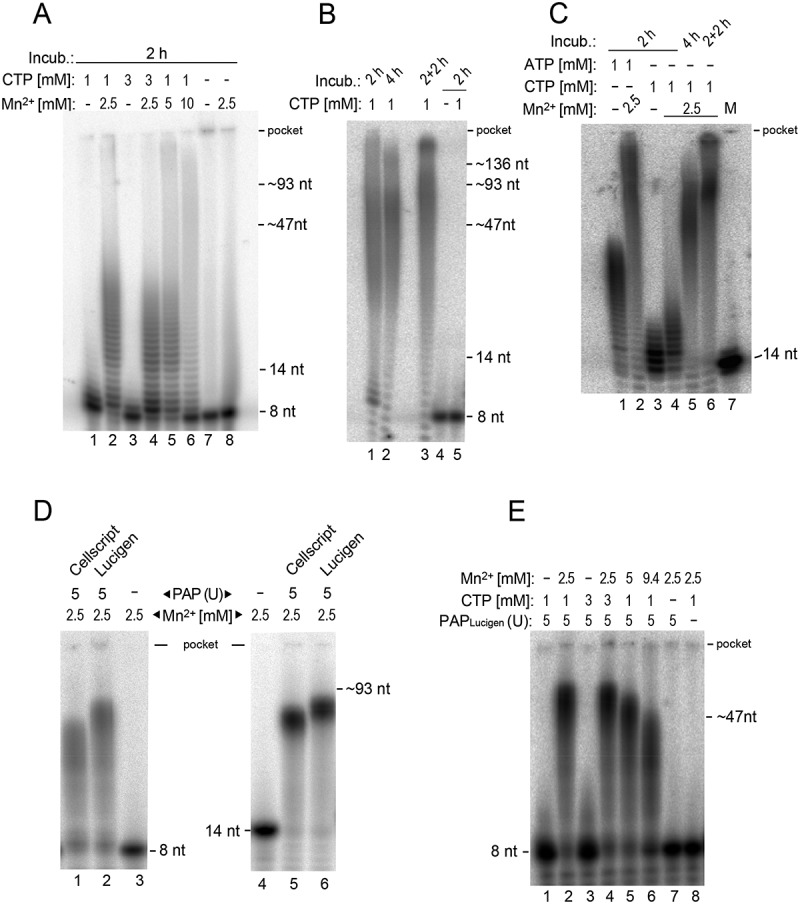 Figure 1
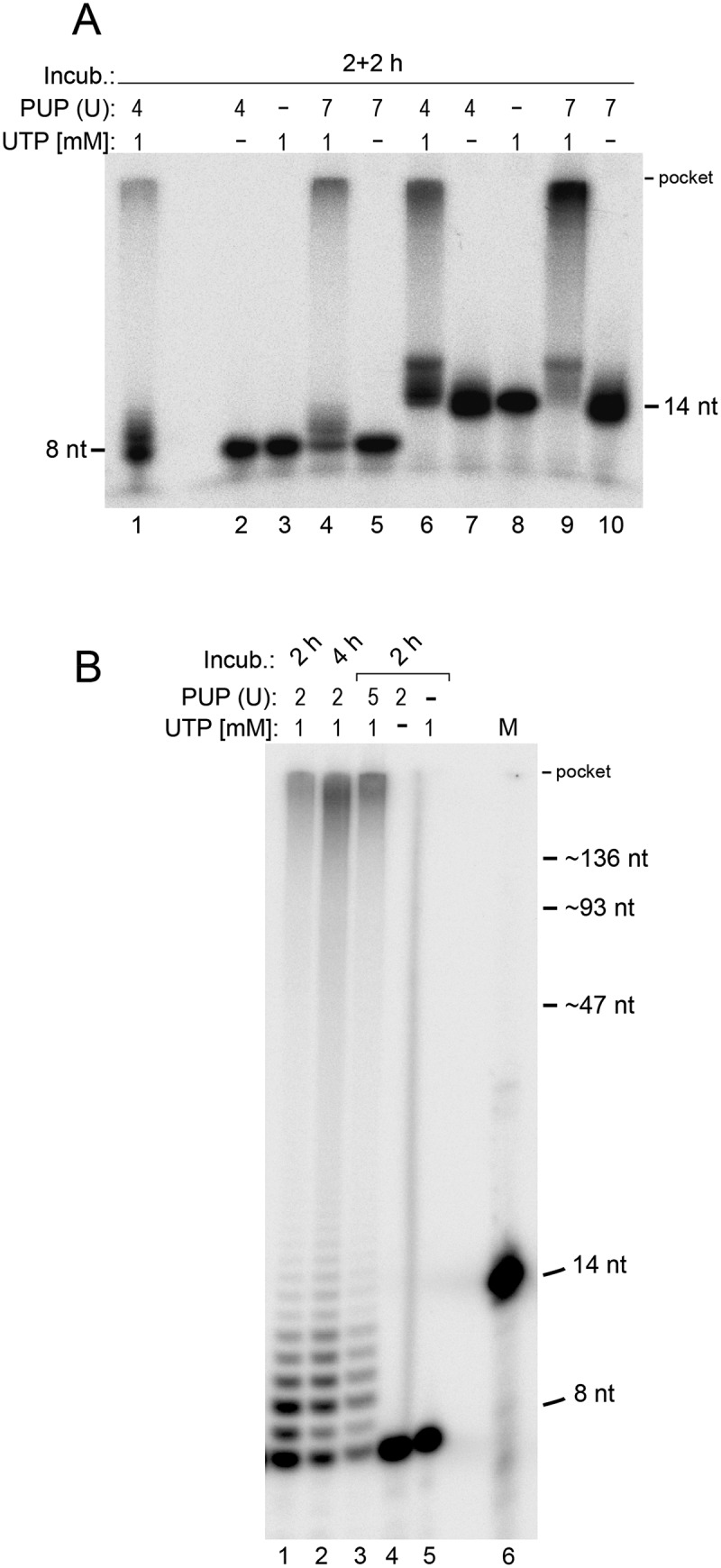 Figure 2
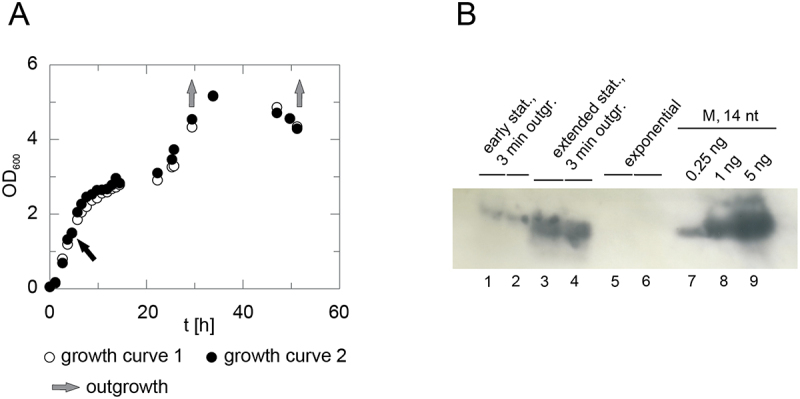 Figure 3
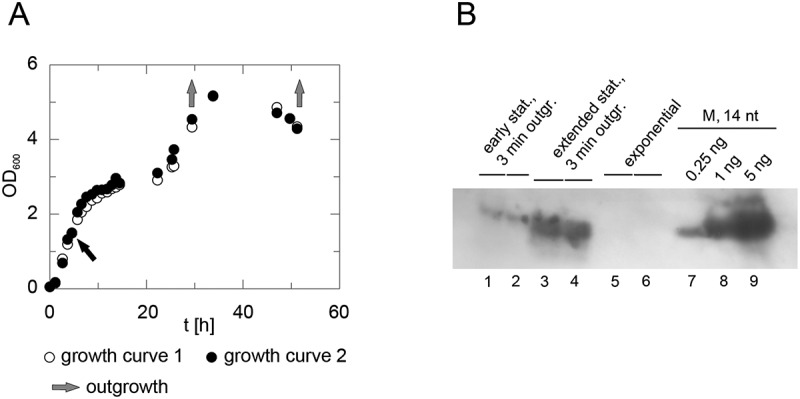 Figure 4
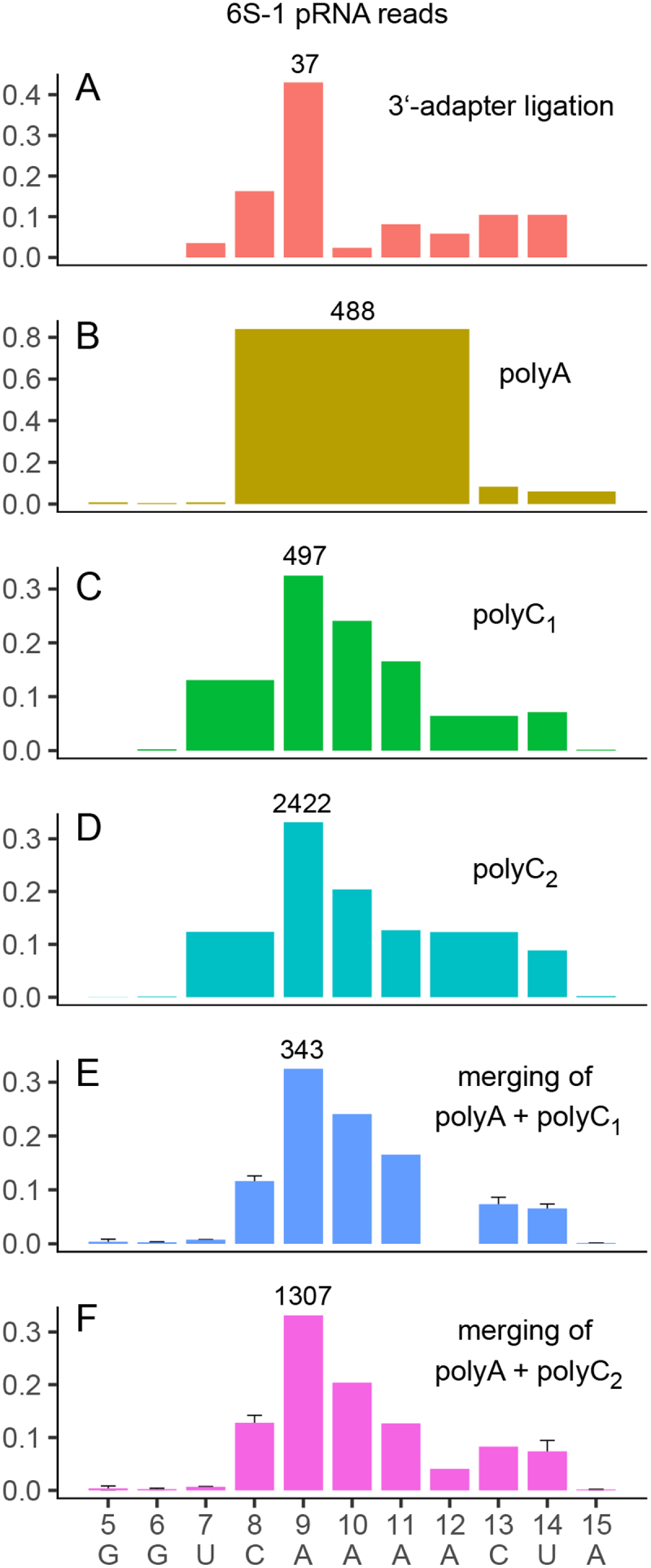 Figure 5
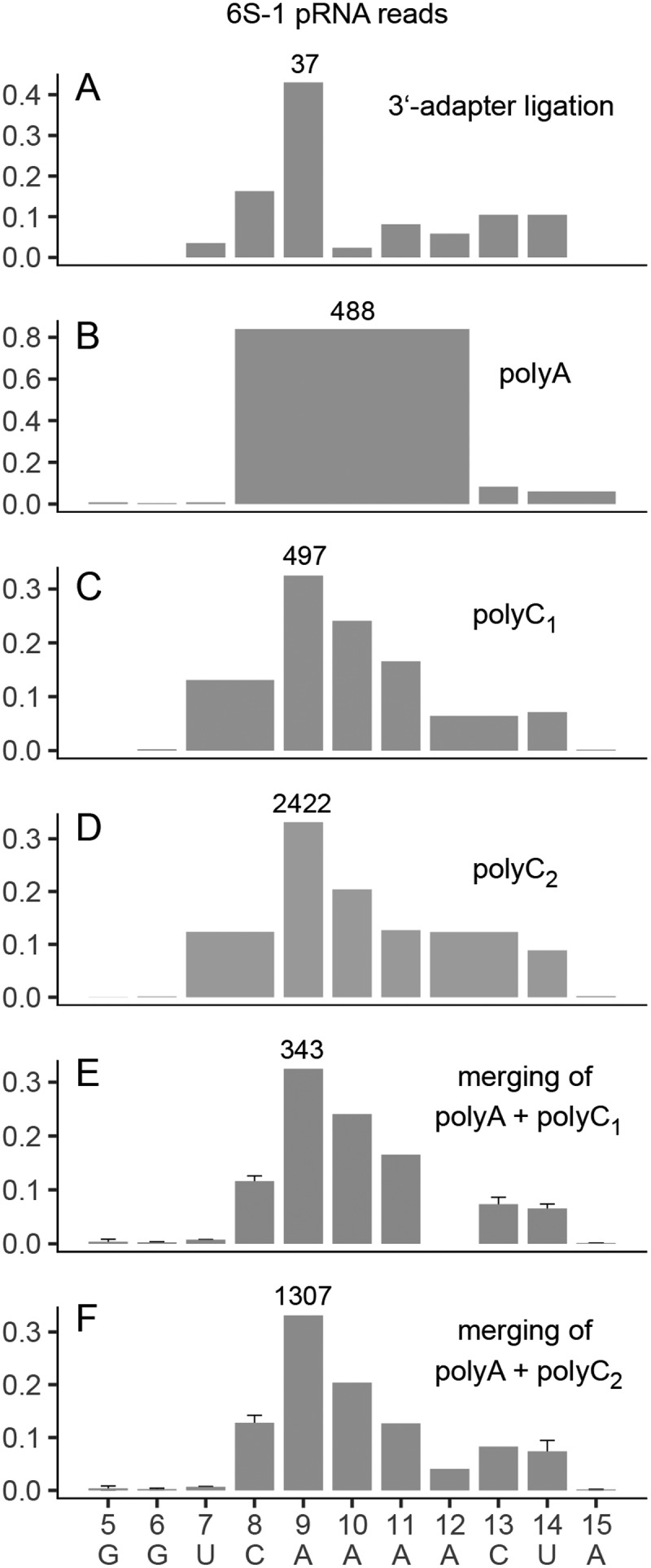 Figure 6
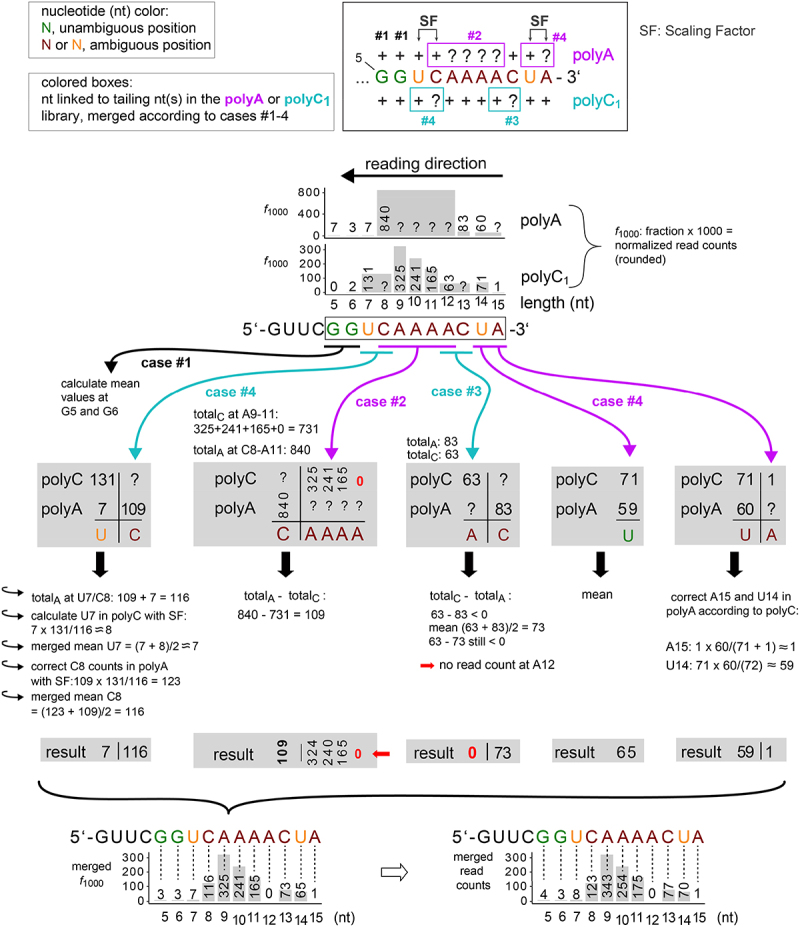 Figure 7
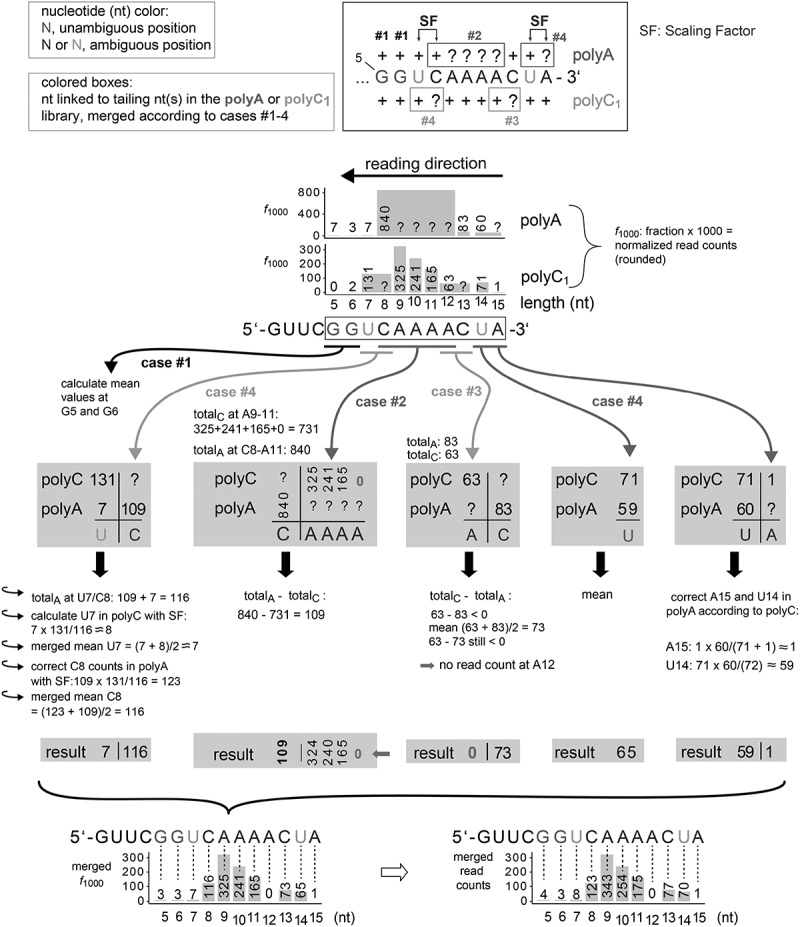 Figure 8
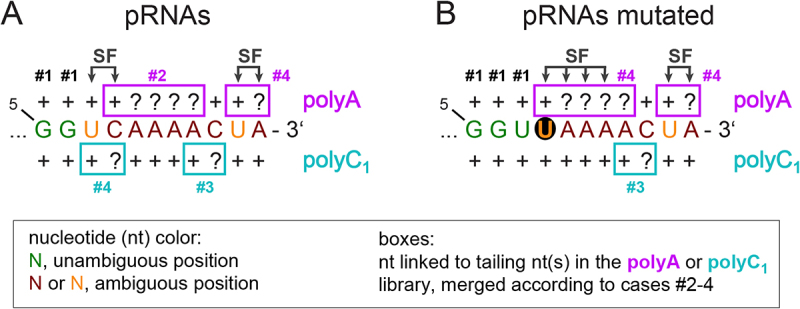 Figure 9
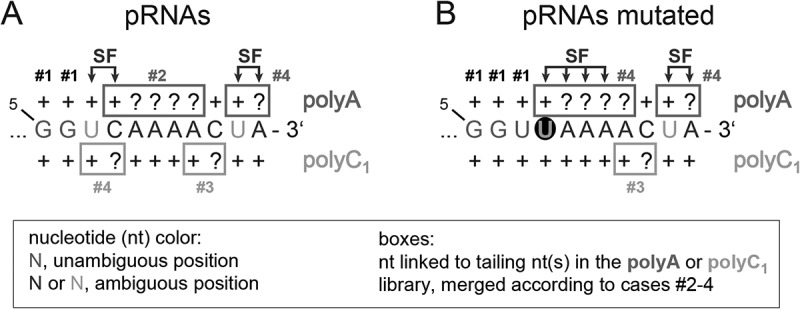 Figure 10
Peer Reviews
No public reviews on file for this paper yet. If you reviewed it on a platform where reviews are public (OpenReview, ICLR, NeurIPS, ICML), you can paste yours below so the community can read it here.
Videos
No videos yet. Explain this paper in a talk, walkthrough, or lecture? Add one.
Taxonomy
TopicsRNA and protein synthesis mechanisms · Bacteriophages and microbial interactions · Bacterial Genetics and Biotechnology