The acidic latex protein from Hevea brasiliensis serves as an anionic antimicrobial peptide
Methaporn Meethong, Kitiya Ekchaweng, Sumalee Obchoei, Chanawee Jakkawanpitak, Phanthipha Runsaeng

TL;DR
A protein from rubber trees shows strong antimicrobial properties and could be used as a new type of antimicrobial peptide.
Contribution
Hev b5 is identified as an anionic antimicrobial peptide with chitinase activity and enhanced antibacterial effects in the presence of metal ions.
Findings
rHev b5 showed significant chitinase activity and antibacterial effects against both Gram-positive and Gram-negative bacteria.
Antibacterial activity was enhanced with zinc or calcium ions, indicating membrane binding via metal ion-mediated salt bridges.
Hev b5's properties suggest it could serve as a dual-action antimicrobial and antifungal agent.
Abstract
Hev b5 is a unique acidic protein identified as an allergen in natural latex and latex gloves, known for stimulating histamine release from human basophils sensitized with serum from latex-allergic individuals. It is rich in glutamic acid and proline residues arranged in repeated motifs. The protein’s unusual amino acid composition includes 48% negatively charged residues and 13% positively charged residues. The recombinant form of Hev b5 (rHev b5) was produced in Escherichia coli. Its chitinase activity, which may provide antifungal properties by breaking down chitin in phytopathogen cell walls, was assessed. Additionally, the antibacterial activity of rHev b5 against Gram-positive and Gram-negative bacteria, including Bacillus cereus, Staphylococcus aureus, E. coli and Salmonella typhi, was evaluated. The potential enhancement of this activity in the presence of calcium or zinc…
Genes, proteins, chemicals, diseases, species, mutations and cell lines named across the full text — each resolved to its canonical identifier and authoritative record.
Click any figure to enlarge with its caption.
 Figure 1
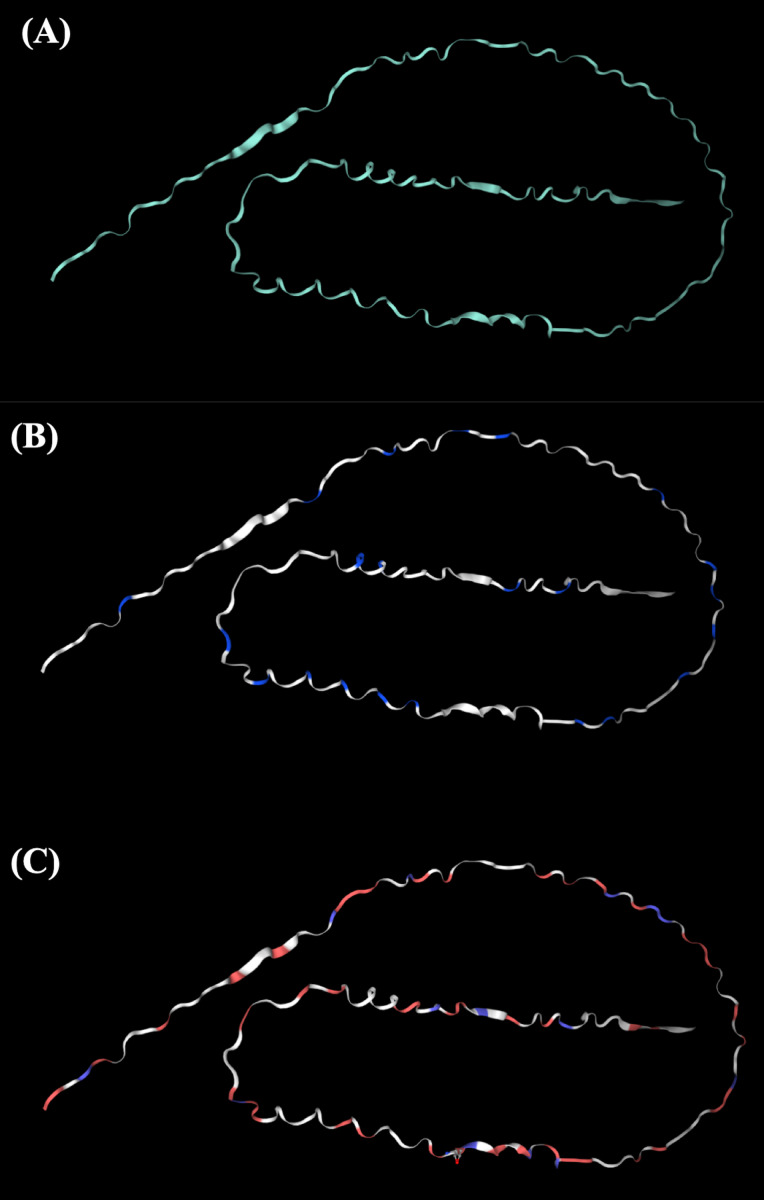 Figure 2
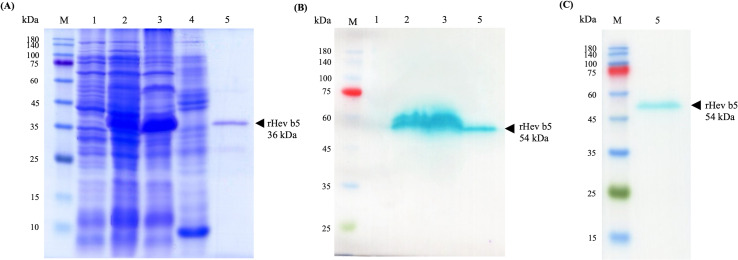 Figure 3
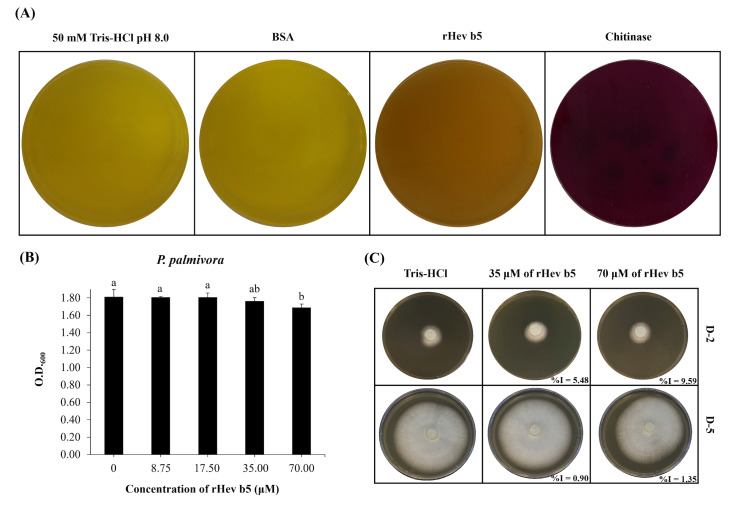 Figure 4
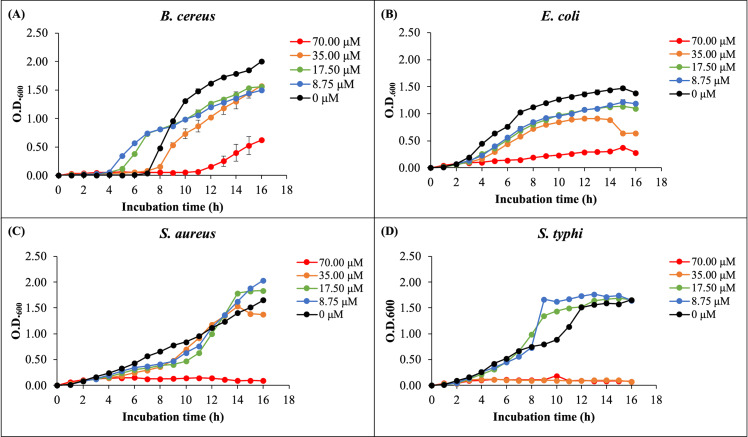 Figure 5
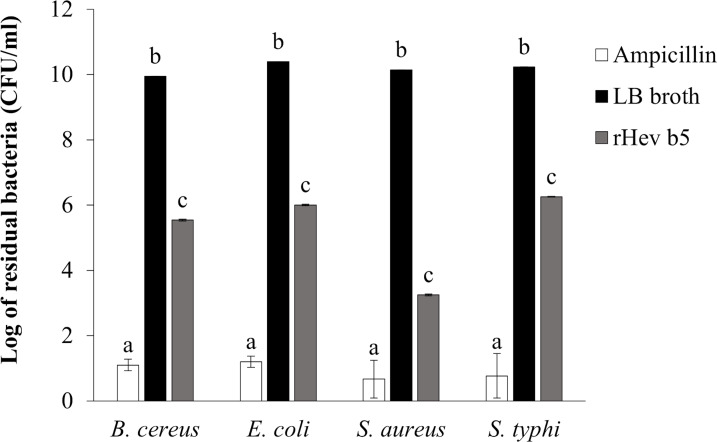 Figure 6
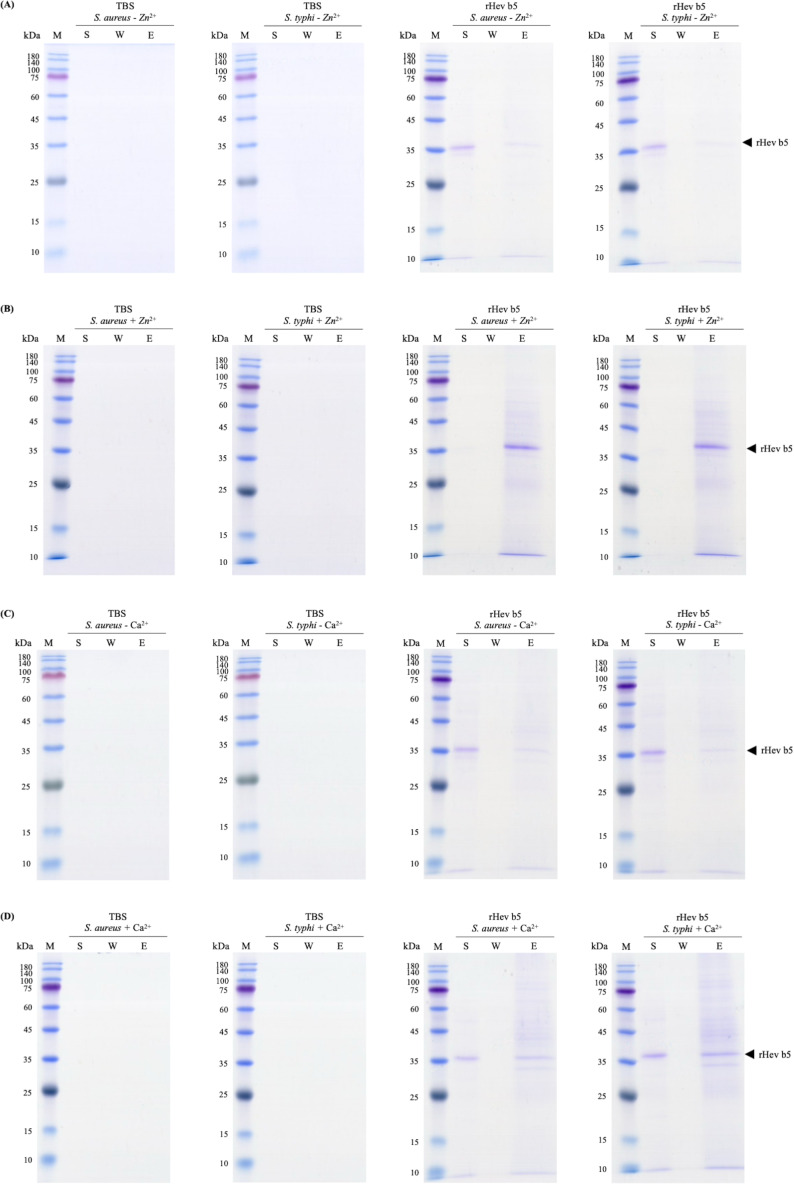 Figure 7
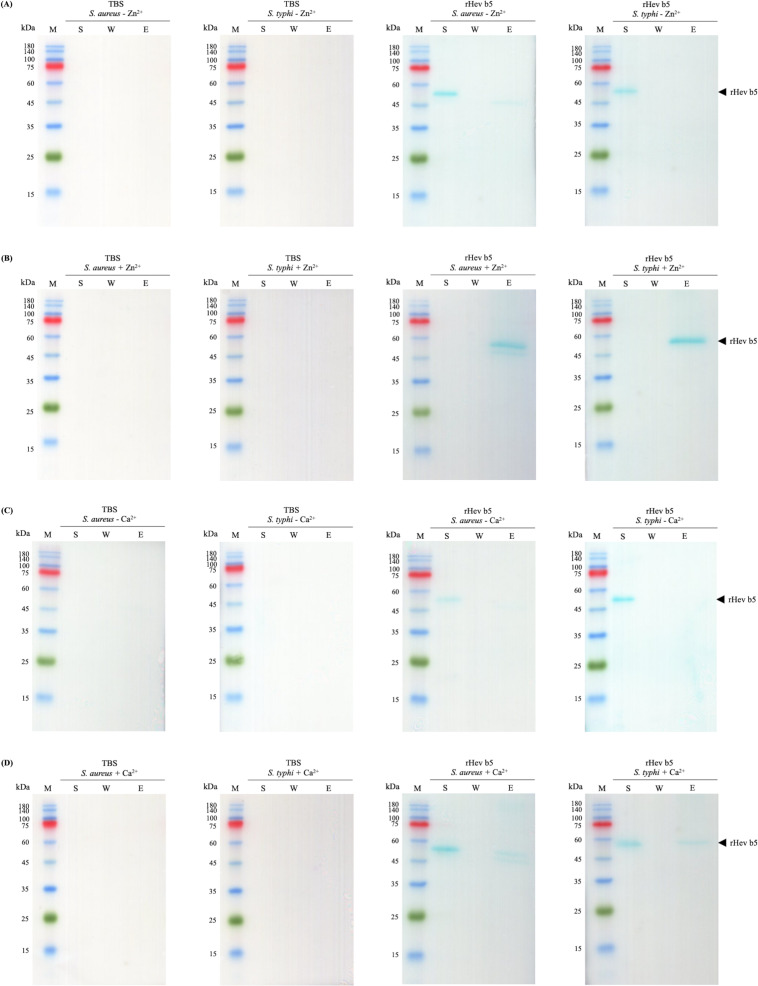 Figure 8
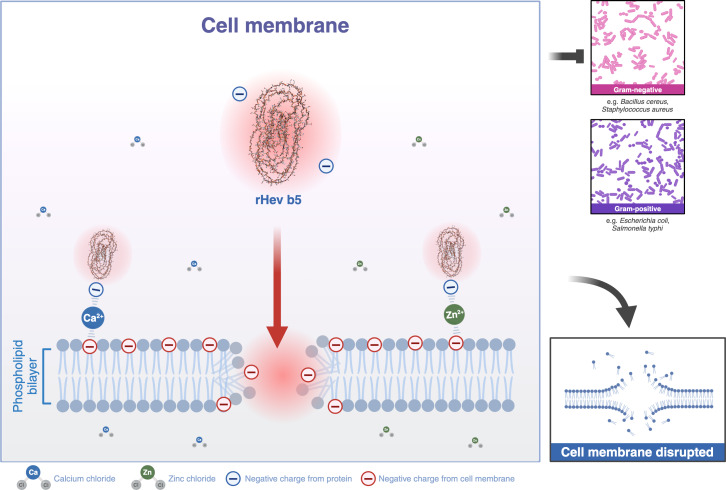 Figure 9
Peer Reviews
No public reviews on file for this paper yet. If you reviewed it on a platform where reviews are public (OpenReview, ICLR, NeurIPS, ICML), you can paste yours below so the community can read it here.
Videos
No videos yet. Explain this paper in a talk, walkthrough, or lecture? Add one.
Taxonomy
TopicsAntimicrobial Peptides and Activities · Biochemical and Structural Characterization · Protein Hydrolysis and Bioactive Peptides