A chromosome-level genome assembly of the varied leaved jewelflower, Streptanthus diversifolius, reveals a recent whole genome duplication
John T Davis, Qionghou Li, Christopher J Grassa, Matthew W Davis, Sharon Y Strauss, Jennifer R Gremer, Loren H Rieseberg, Julin N Maloof

TL;DR
A new chromosome-level genome assembly of Streptanthus diversifolius reveals a recent whole genome duplication that may have helped the species adapt to diverse environments in California.
Contribution
The paper provides a chromosome-level genome assembly of Streptanthus diversifolius and confirms a recent whole genome duplication in the Thelypodieae clade.
Findings
A chromosome-level genome assembly of Streptanthus diversifolius was constructed using Illumina, Hi-C, and HiFi sequencing.
The assembly provides evidence for a recent whole genome duplication unique to the Thelypodieae clade.
This genome duplication may have enabled the Streptanthoid Complex to rapidly adapt to and occupy diverse and often inhospitable environments.
Abstract
The Streptanthoid complex, a clade of primarily Streptanthus and Caulanthus species in the Thelypodieae (Brassicaceae) is an emerging model system for ecological and evolutionary studies. This complex spans the full range of the California Floristic Province including desert, foothill, and mountain environments. The ability of these related species to radiate into dramatically different environments makes them a desirable study subject for exploring how plant species expand their ranges and adapt to new environments over time. Ecological and evolutionary studies for this complex have revealed fascinating variation in serpentine soil adaptation, defense compounds, germination, flowering, and life history strategies. Until now a lack of publicly available genome assemblies has hindered the ability to relate these phenotypic observations to their underlying genetic and molecular…
Genes, proteins, chemicals, diseases, species, mutations and cell lines named across the full text — each resolved to its canonical identifier and authoritative record.
Click any figure to enlarge with its caption.
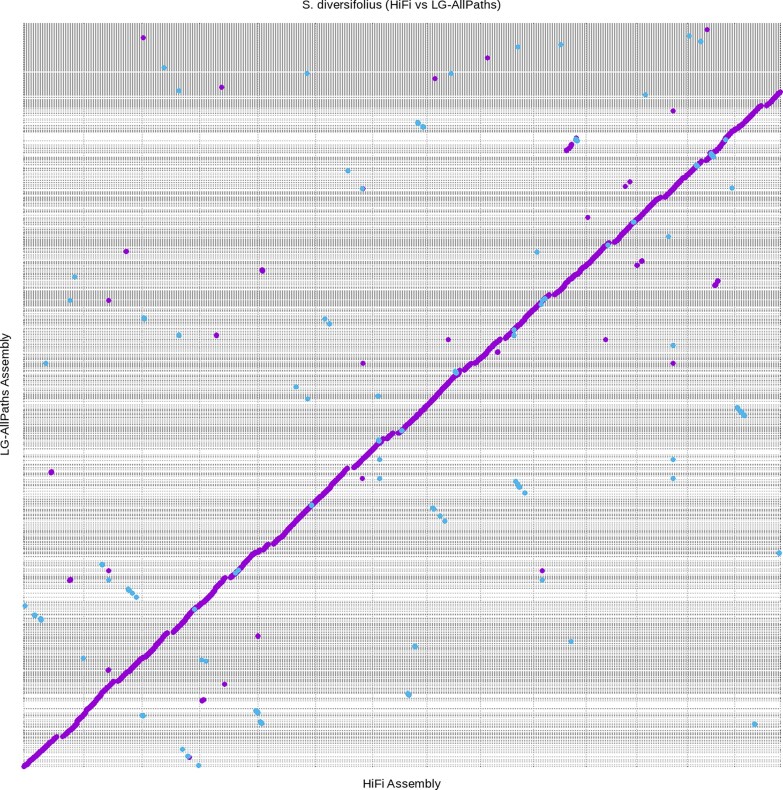 Figure 1
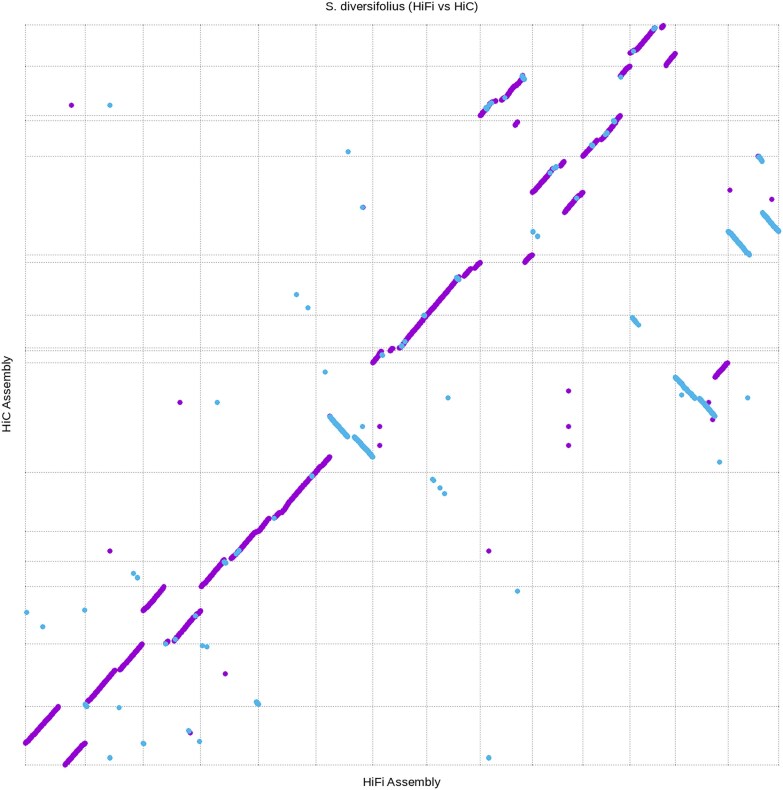 Figure 2
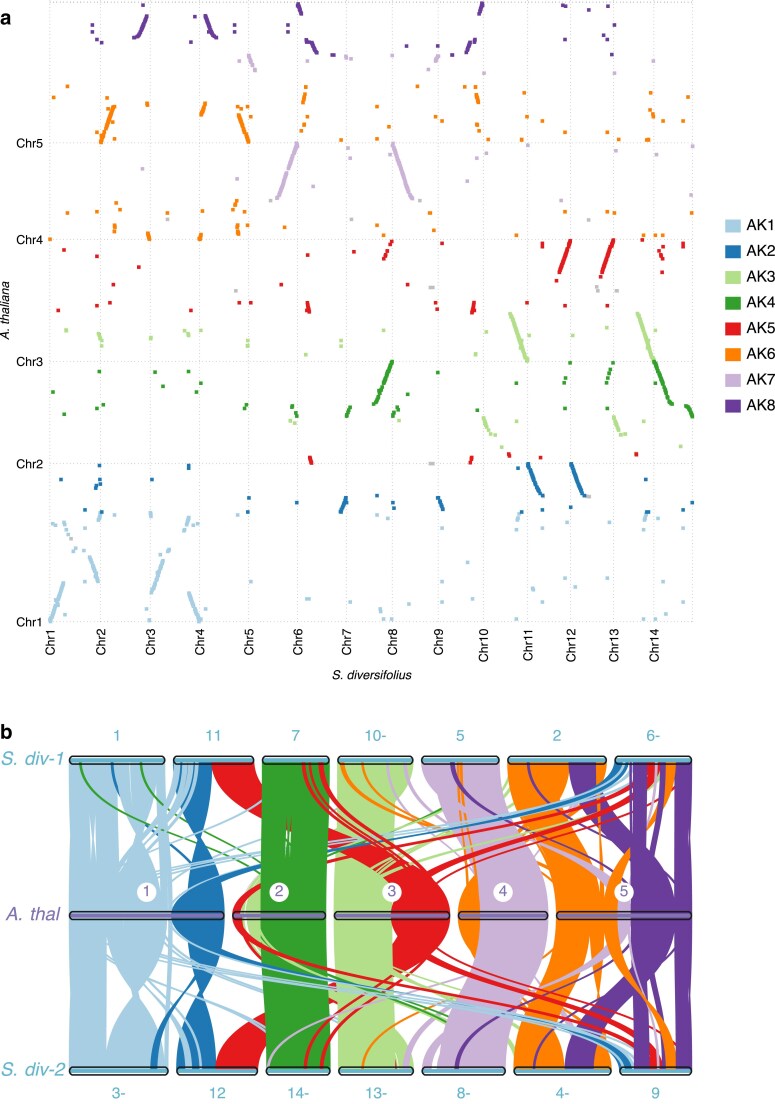 Figure 3
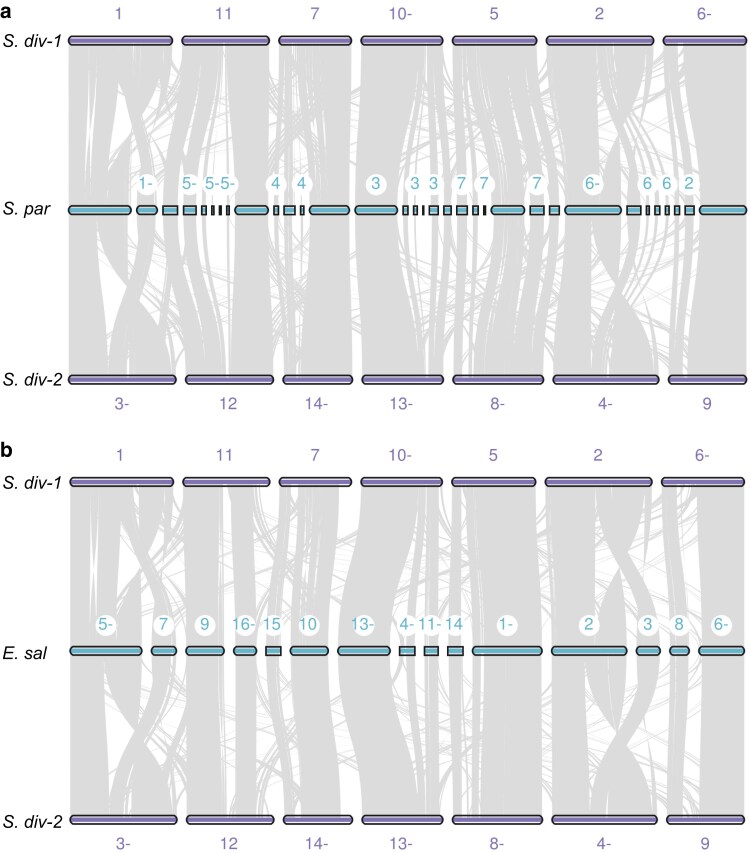 Figure 4
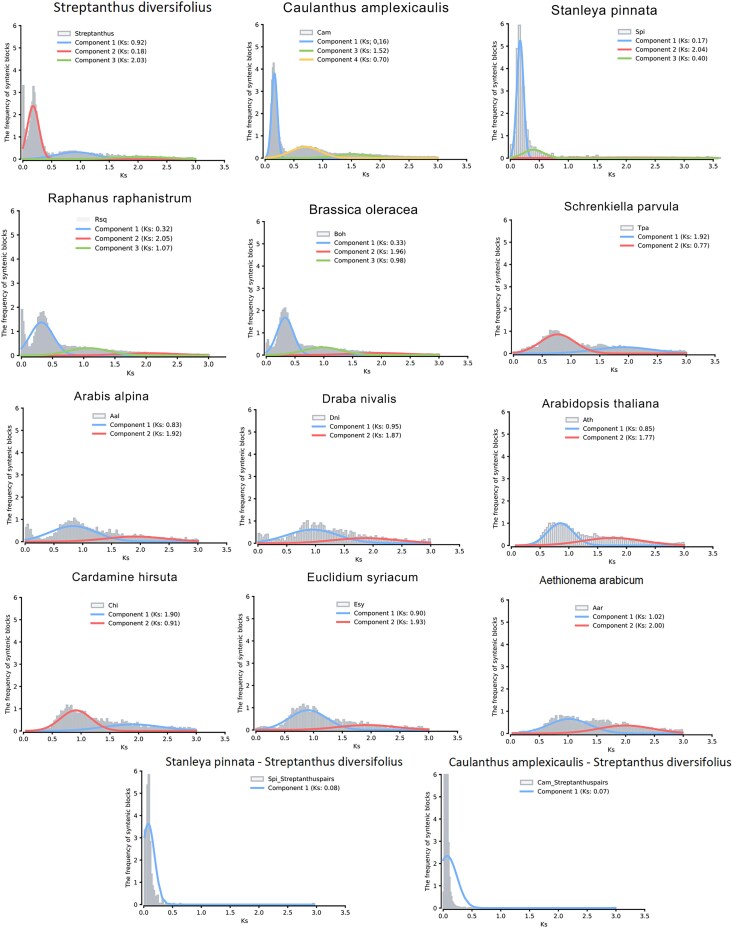 Figure 5
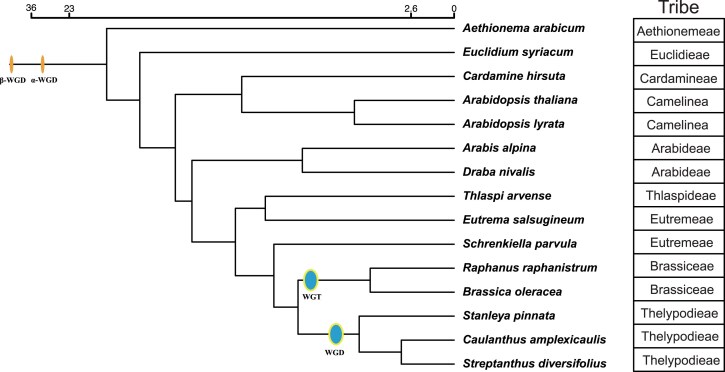 Figure 6
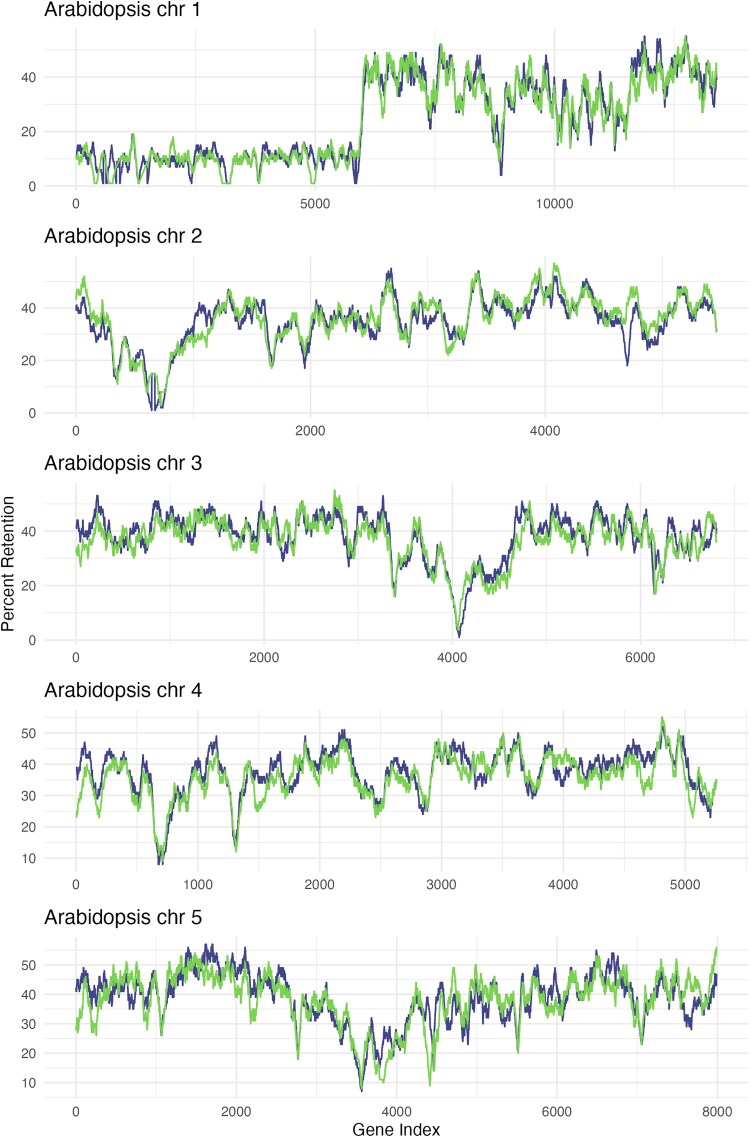 Figure 7
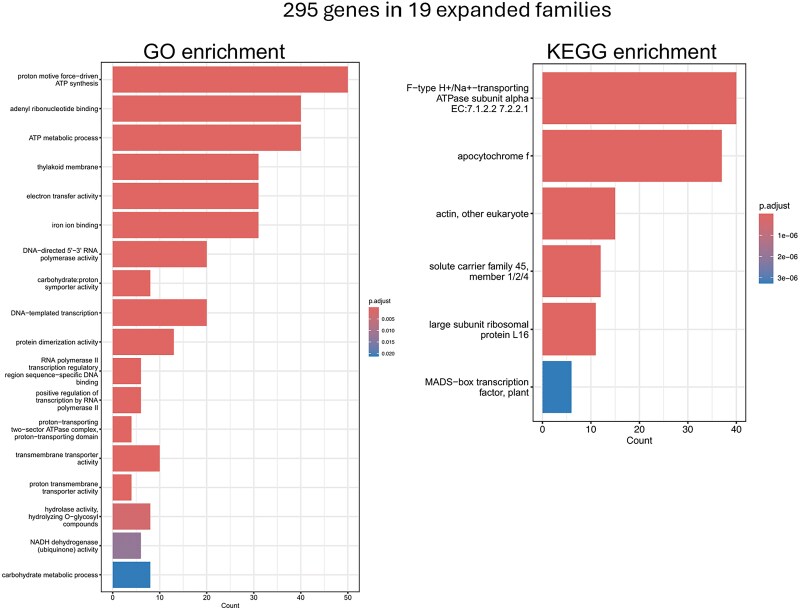 Figure 8
Peer Reviews
No public reviews on file for this paper yet. If you reviewed it on a platform where reviews are public (OpenReview, ICLR, NeurIPS, ICML), you can paste yours below so the community can read it here.
Videos
No videos yet. Explain this paper in a talk, walkthrough, or lecture? Add one.
Taxonomy
TopicsPlant Ecology and Taxonomy Studies · Natural product bioactivities and synthesis · Plant and Fungal Species Descriptions