A Case Report of Dyke-Davidoff-Masson Syndrome in the Philippines: Review of the Literature and a Discussion on Neuroplasticity and Brain Network Connectivity
Edren Daeniel G Santos, Geraldine Siena Mariano, Ron Pilotin, Maria Anna Berroya

TL;DR
This paper presents a rare case of Dyke-Davidoff-Masson syndrome in a young adult with minimal deficits and discusses brain plasticity.
Contribution
The novelty lies in the unusual presentation of Dyke-Davidoff-Masson syndrome with minimal deficits following childhood trauma.
Findings
A young adult female with Dyke-Davidoff-Masson syndrome showed minimal neurological deficits.
The case highlights the role of neuroplasticity in compensating for brain injury.
The study reviews literature on brain network connectivity in similar cases.
Abstract
Dyke-Davidoff-Masson syndrome is a rare neurologic condition wherein there is characteristic cerebral hemiatrophy that is either congenital or acquired, with a classical presentation of seizures, hemiparesis, and cognitive impairment. Here, we have an unusual case of a young, adult female who sustained a traumatic brain injury in her childhood leading to hemiatrophy but with minimal deficits. This study also summarizes the available data and discusses neuroplasticity and brain network connectivity.
Genes, proteins, chemicals, diseases, species, mutations and cell lines named across the full text — each resolved to its canonical identifier and authoritative record.
Click any figure to enlarge with its caption.
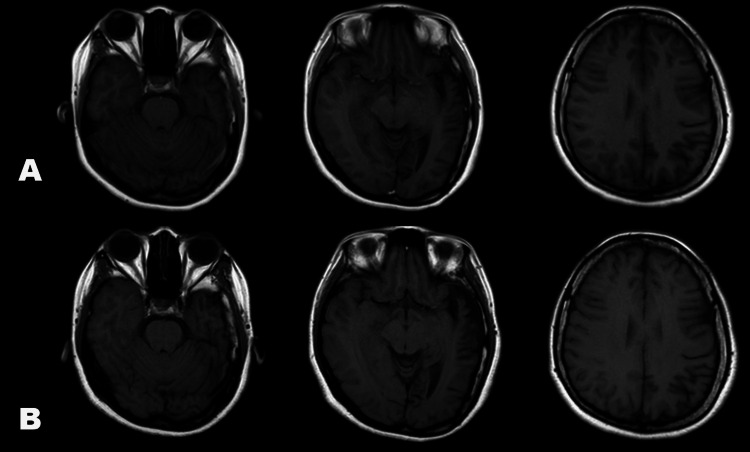 Figure 1
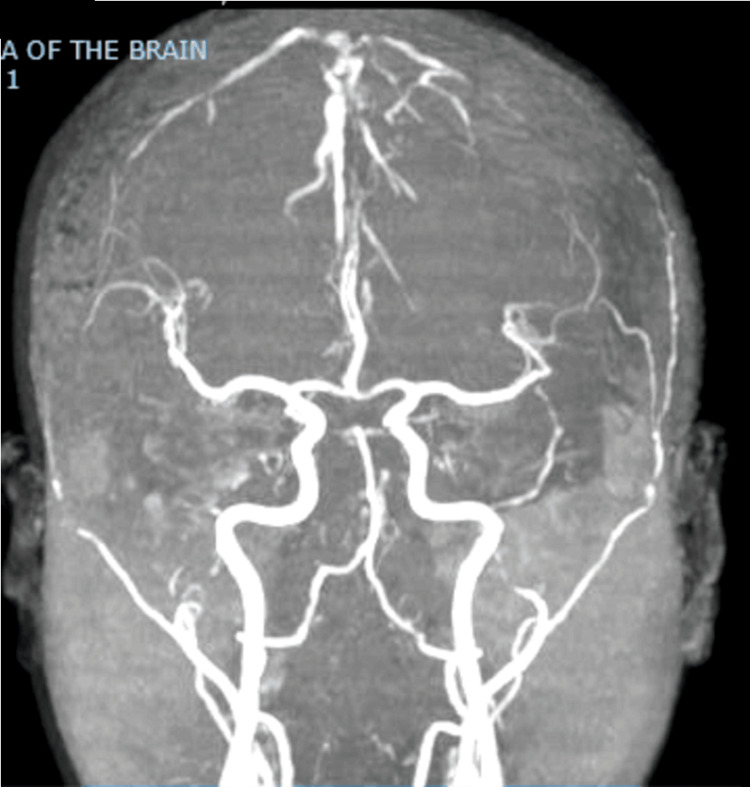 Figure 2
 Figure 3
Peer Reviews
No public reviews on file for this paper yet. If you reviewed it on a platform where reviews are public (OpenReview, ICLR, NeurIPS, ICML), you can paste yours below so the community can read it here.
Videos
No videos yet. Explain this paper in a talk, walkthrough, or lecture? Add one.
Taxonomy
TopicsFunctional Brain Connectivity Studies · Advanced MRI Techniques and Applications · Advanced Neuroimaging Techniques and Applications