Spinal lumbar Urocortin 3-expressing neurons are associated with both scratching and Compound 48/80-induced sensations
Marina C. M. Franck, Hannah M. Weman, Mikaela M. Ceder, Aikeremu Ahemaiti, Katharina Henriksson, Erica Bengtsson, Kajsa A. Magnusson, Harmen K. Koning, Caroline Öhman-Mägi, Malin C. Lagerström

TL;DR
Spinal neurons that produce Urocortin 3 are linked to scratching and Compound 48/80-induced sensations in mice.
Contribution
Identifies Urocortin 3-expressing spinal neurons as a novel population involved in mechanosensation and itch-related behaviors.
Findings
Urocortin 3 neurons in the lumbar spinal cord are activated by scratching or Compound 48/80.
Chemogenetic inhibition of these neurons reduces Compound 48/80-induced behaviors.
These neurons receive inputs from Aβ and C fibers and are inhibited by glycinergic and GABAergic signals.
Abstract
Supplemental Digital Content is Available in the Text. Lumbar spinal Urocortin 3 neurons express markers associated with mechanosensation and subpopulations are activated by scratching or Compound 48/80. Inhibition reduced the response to Compound 48/80. Urocortin 3 is a neuropeptide that belongs to the corticotropin-releasing hormone family and is involved in mechanosensation and stress regulation. In this study, we show that Urocortin 3 marks a population of excitatory neurons in the mouse spinal cord, divided into 2 nonoverlapping subpopulations expressing protein kinase C gamma or calretinin/calbindin 2, populations previously associated with mechanosensation. Electrophysiological experiments demonstrated that lumbar spinal Urocortin 3 neurons receive both glycinergic and GABAergic local tonic inhibition, and monosynaptic inputs from both Aβ and C fibers, which could be confirmed…
Genes, proteins, chemicals, diseases, species, mutations and cell lines named across the full text — each resolved to its canonical identifier and authoritative record.
Click any figure to enlarge with its caption.
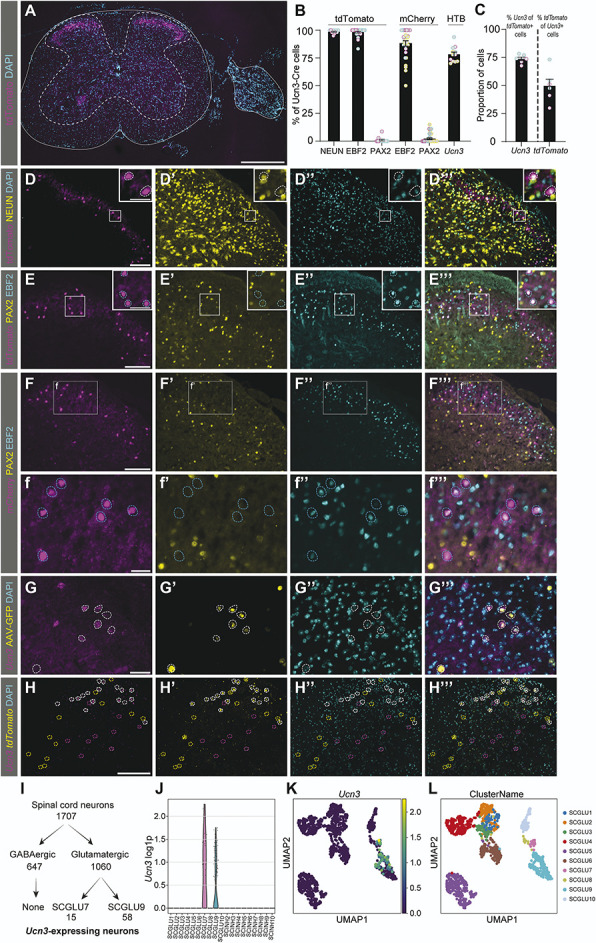 Figure 1
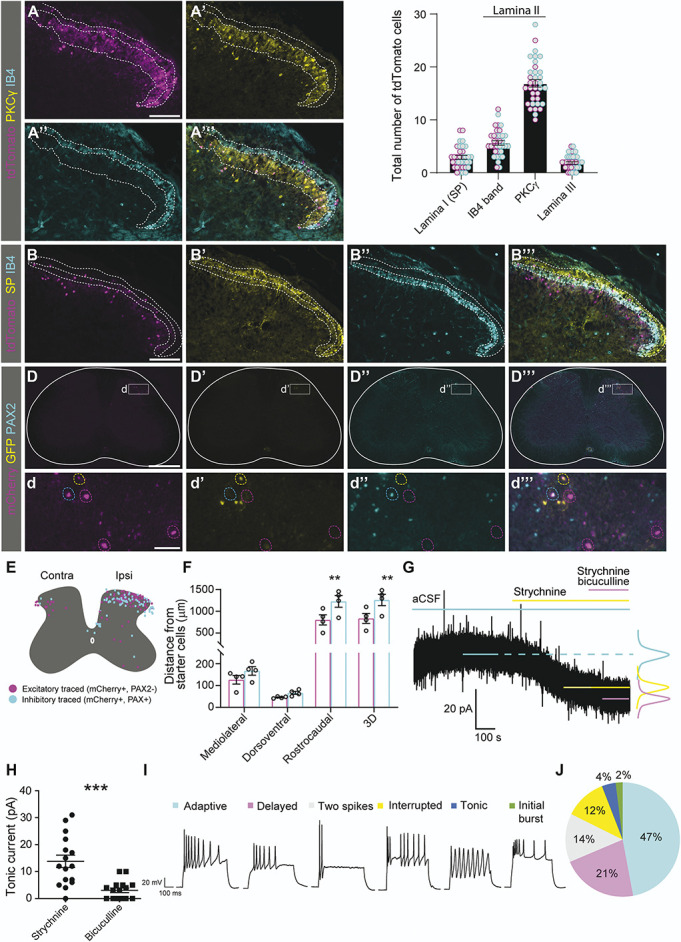 Figure 2
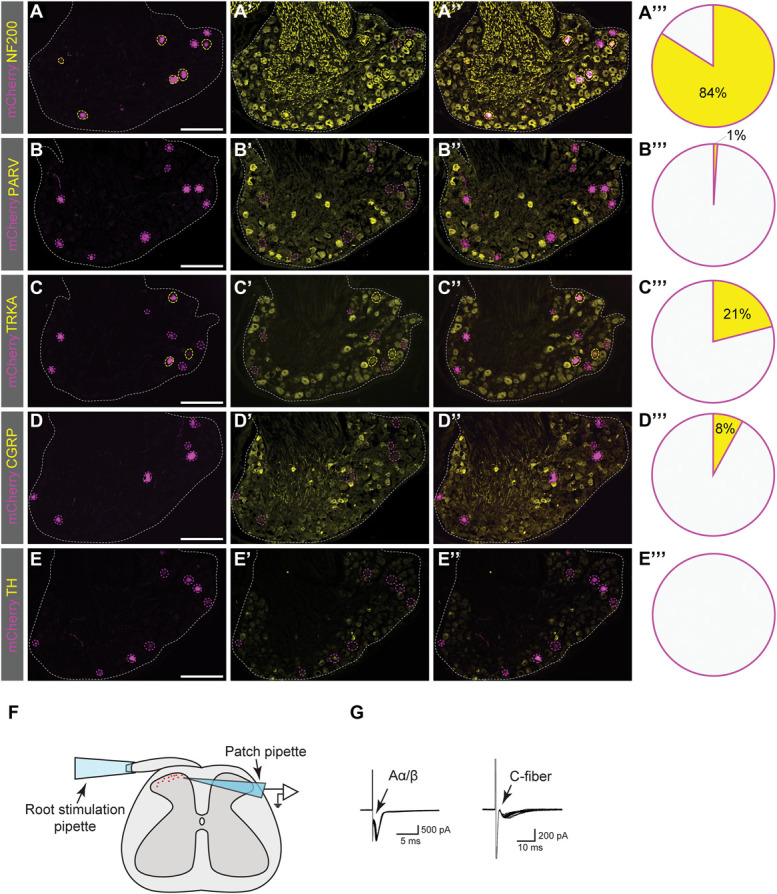 Figure 3
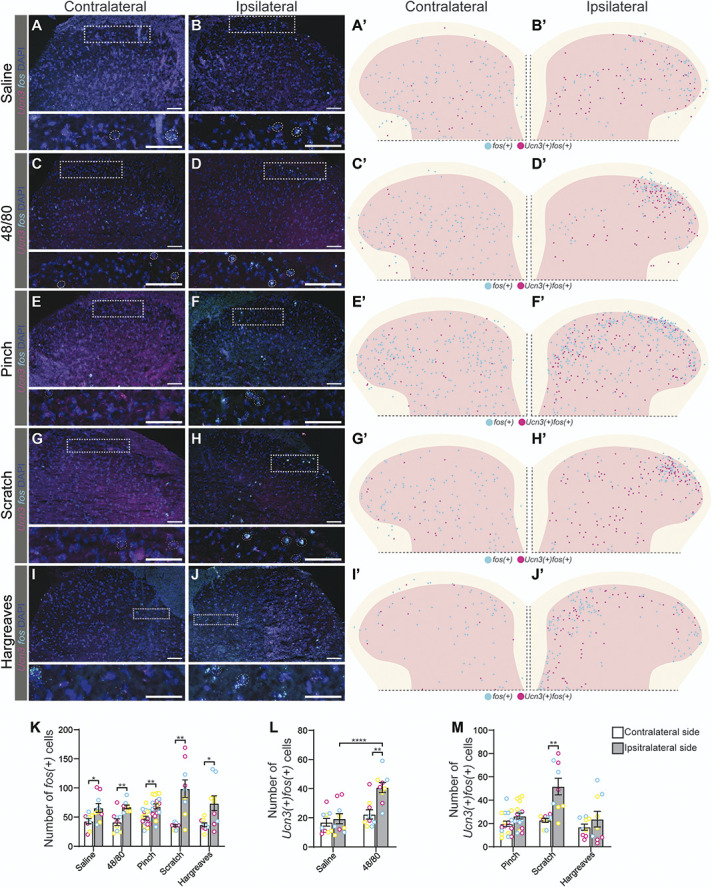 Figure 4
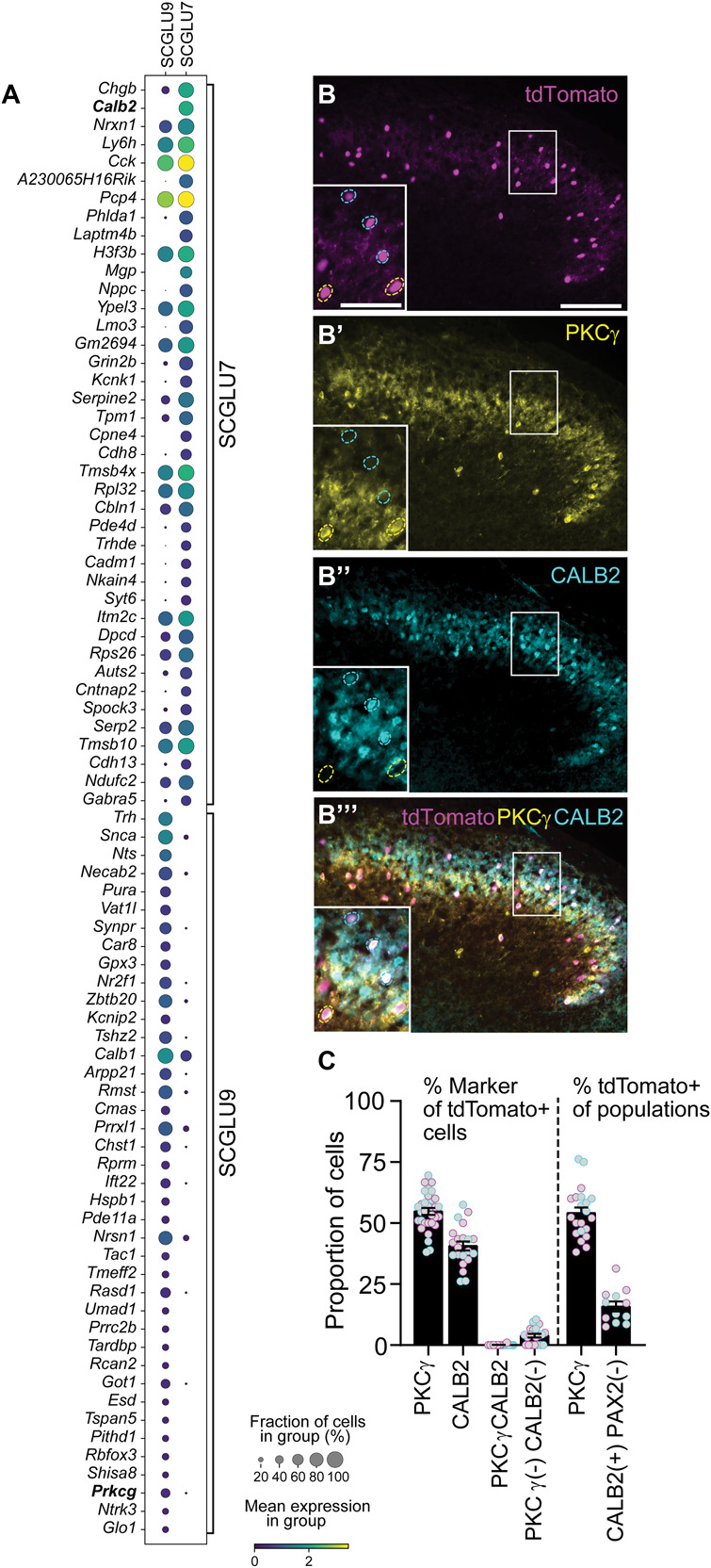 Figure 5
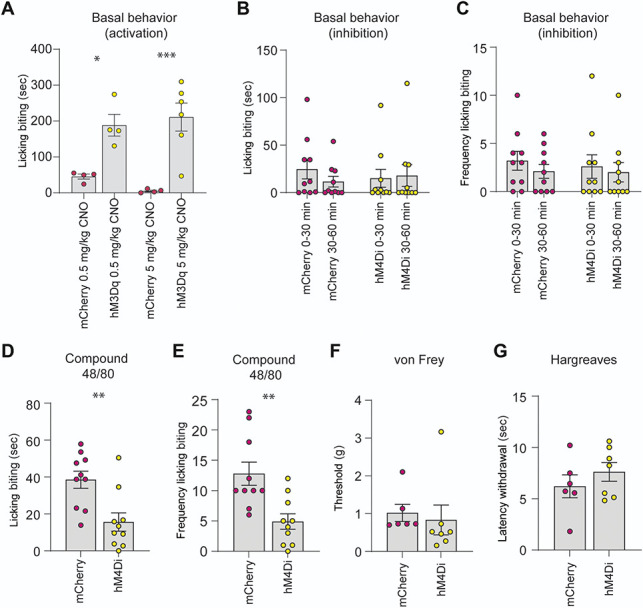 Figure 6
Peer Reviews
No public reviews on file for this paper yet. If you reviewed it on a platform where reviews are public (OpenReview, ICLR, NeurIPS, ICML), you can paste yours below so the community can read it here.
Videos
No videos yet. Explain this paper in a talk, walkthrough, or lecture? Add one.
Taxonomy
TopicsStress Responses and Cortisol · Adipose Tissue and Metabolism · Exercise and Physiological Responses