Yi Gong San inhibits tumor immune escape by sensitizing colorectal cancer stem cells via the NF-κB pathway
Peng Shen, Shunli Wu, Yi Chen, Guangjing Feng, Xue Guo, Yingguo Chen, Zhigang Wang, Youfeng Shen, Hongbo Wang, Ke Li

TL;DR
This study shows that Yigong San, a traditional Chinese medicine, helps fight colorectal cancer by targeting cancer stem cells and reducing immune escape through the TLR4/NF-κB pathway.
Contribution
The study first identifies Gomisin B as the active component in Yigong San that inhibits CRC via the TLR4/NF-κB pathway.
Findings
Yigong San and Gomisin B inhibited CRC stem cell proliferation, migration, and invasion.
They reduced TLR4 and NF-κB pathway proteins, promoting apoptosis and suppressing tumor growth.
Modulation of the NF-κB pathway by Yigong San may also impede epithelial-mesenchymal transition.
Abstract
Colorectal cancer (CRC), as a highly prevalent malignant tumor globally, faces the dual challenges of drug resistance of cancer stem cells and immune escape in its treatment. Although the traditional Chinese medicine Yigong San (YGS) shows potential in improving the clinical adverse reactions of CRC, its core active components and mechanism of action remain unclear. Based on network pharmacology screening, this study for the first time discovered that Gomisin B might regulate the progression of CRC through the Toll-like receptor 4/Nuclear Factor-kappa B (TLR4/NF-κB) signaling pathway, and aimed to systematically reveal the molecular mechanisms by which YGS and Gomisin B inhibited the malignant phenotypes and immune escape of CRC cells. The The Cancer Genome Atlas (TCGA) database was integrated with network pharmacology analysis to screen for the key target of CRC, Gomisin B, and its…
Genes, proteins, chemicals, diseases, species, mutations and cell lines named across the full text — each resolved to its canonical identifier and authoritative record.
Click any figure to enlarge with its caption.
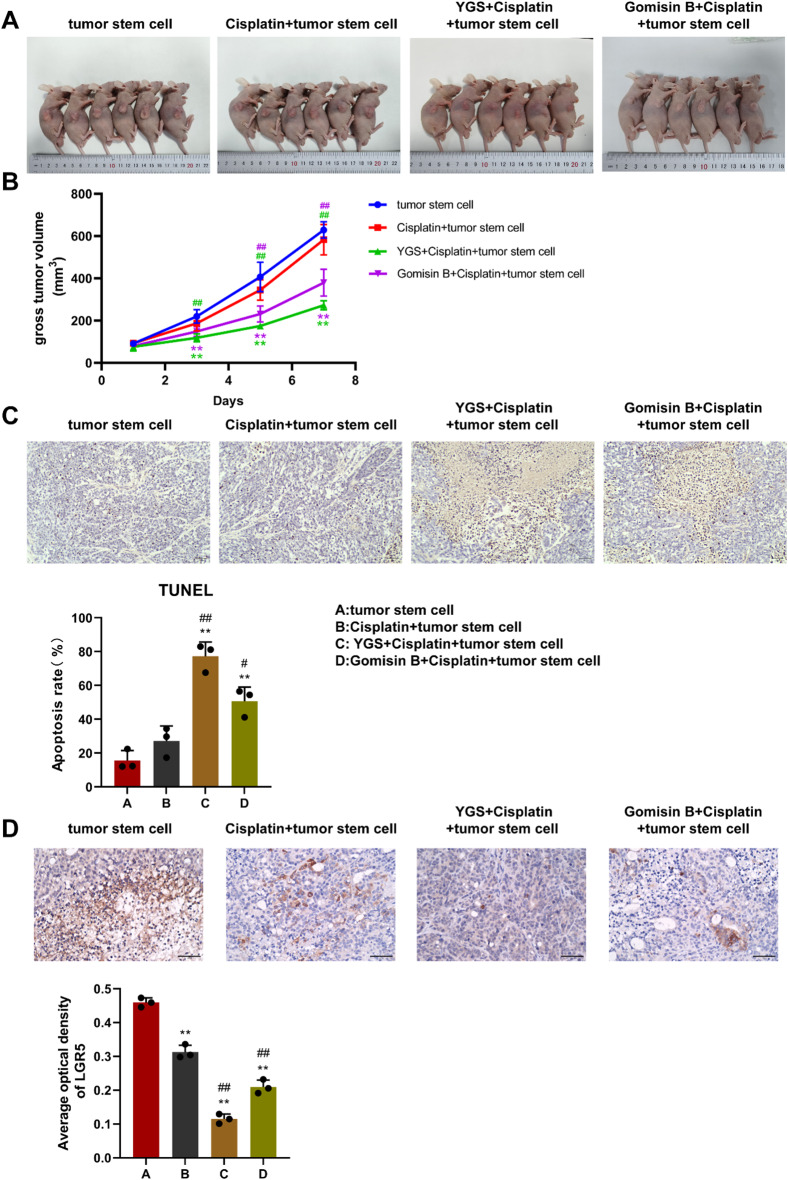 Figure 10
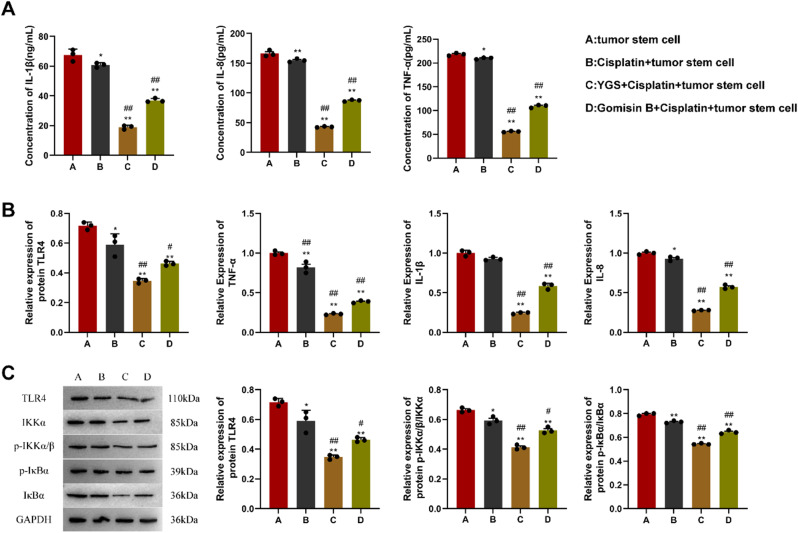 Figure 11
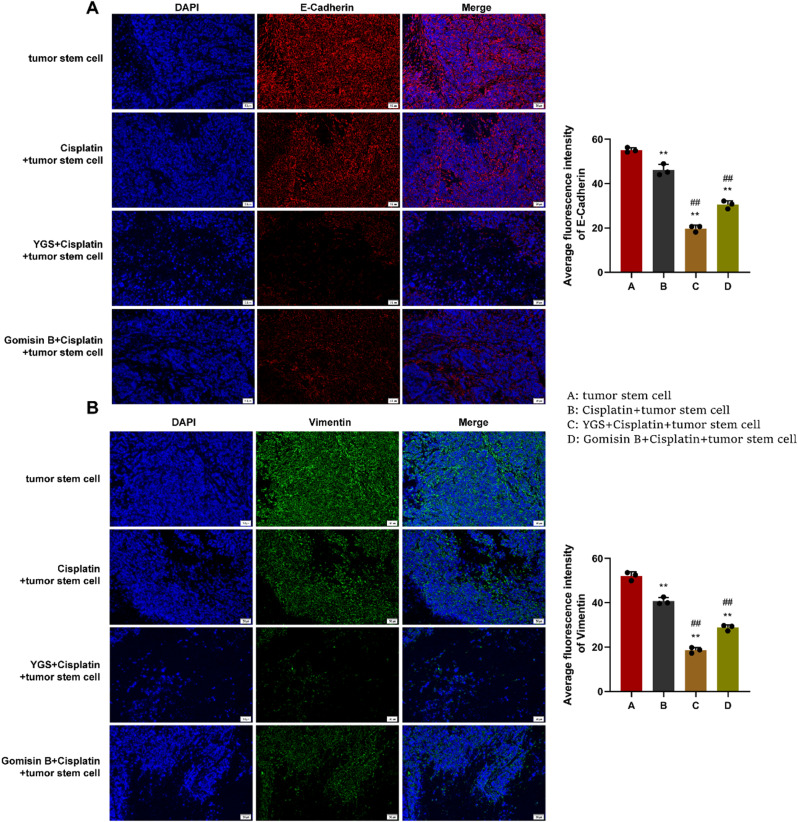 Figure 12
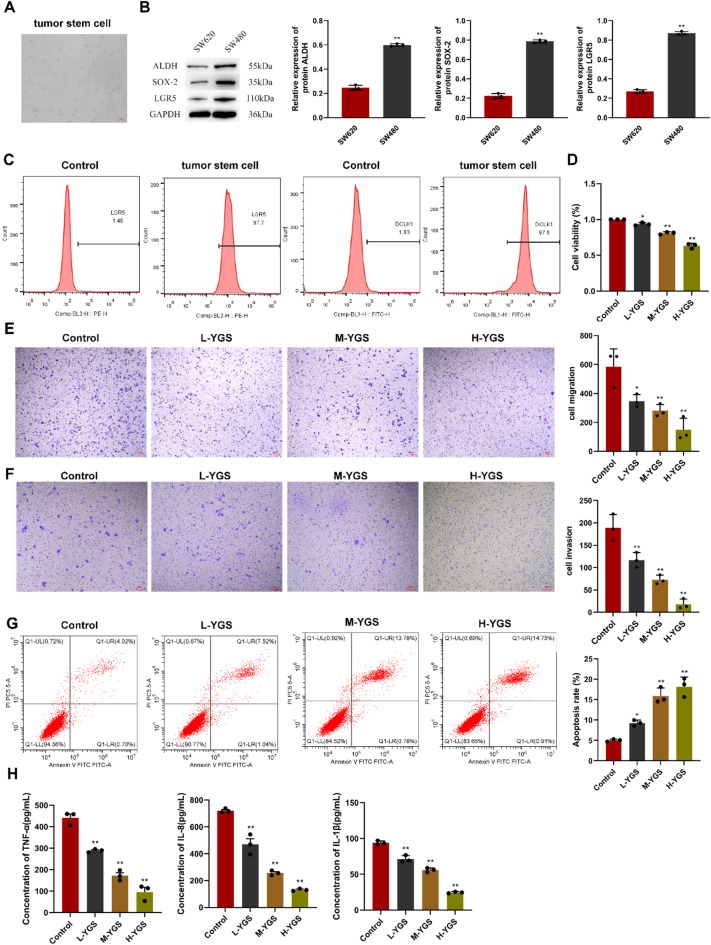 Figure 1
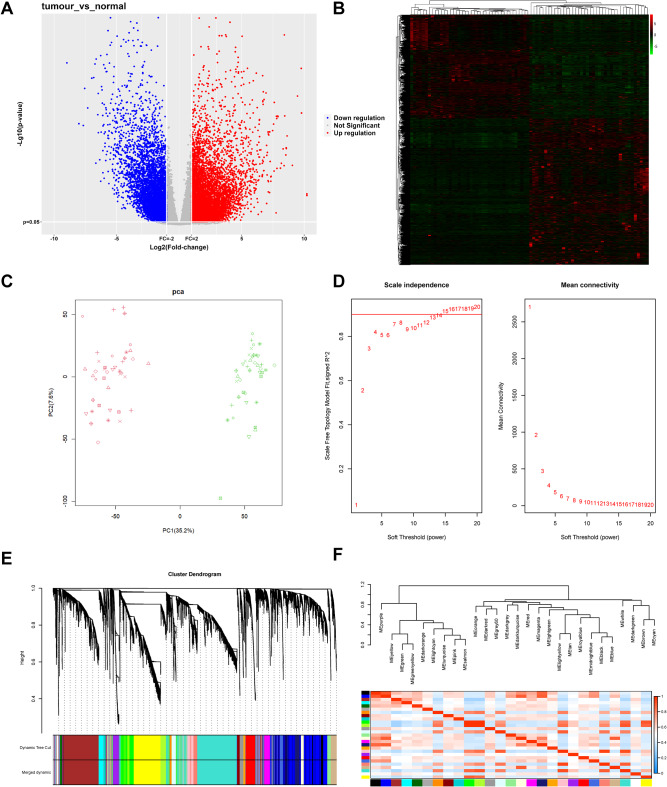 Figure 2
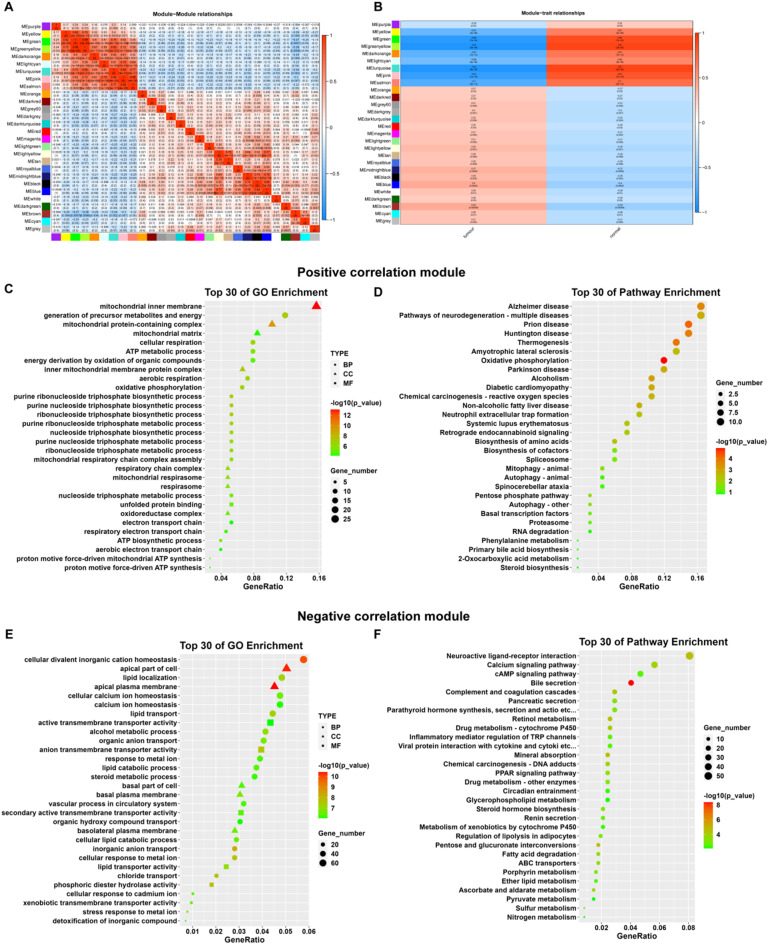 Figure 3
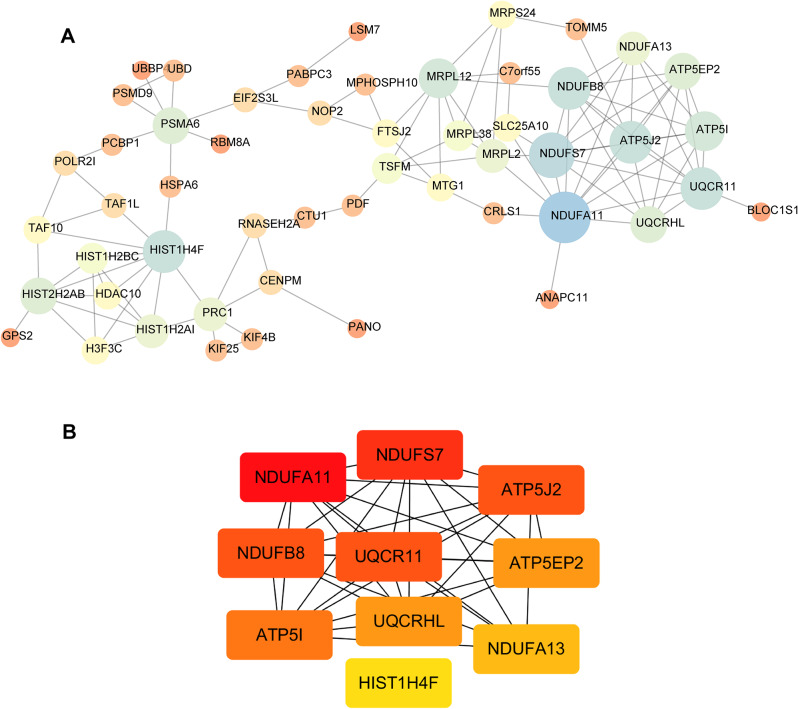 Figure 4
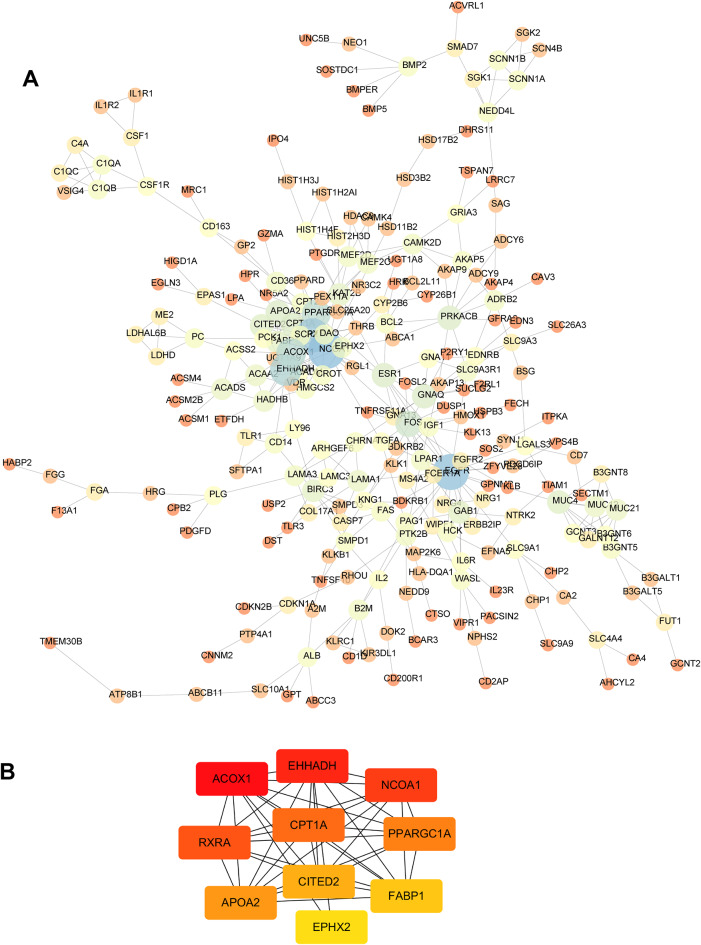 Figure 5
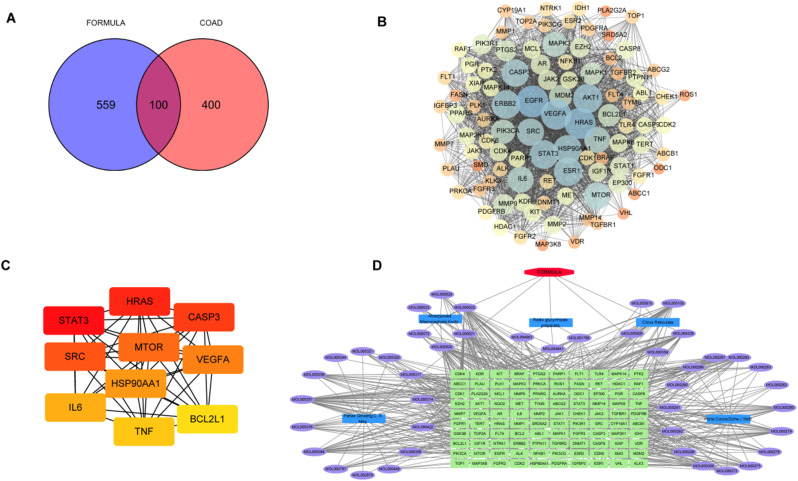 Figure 6
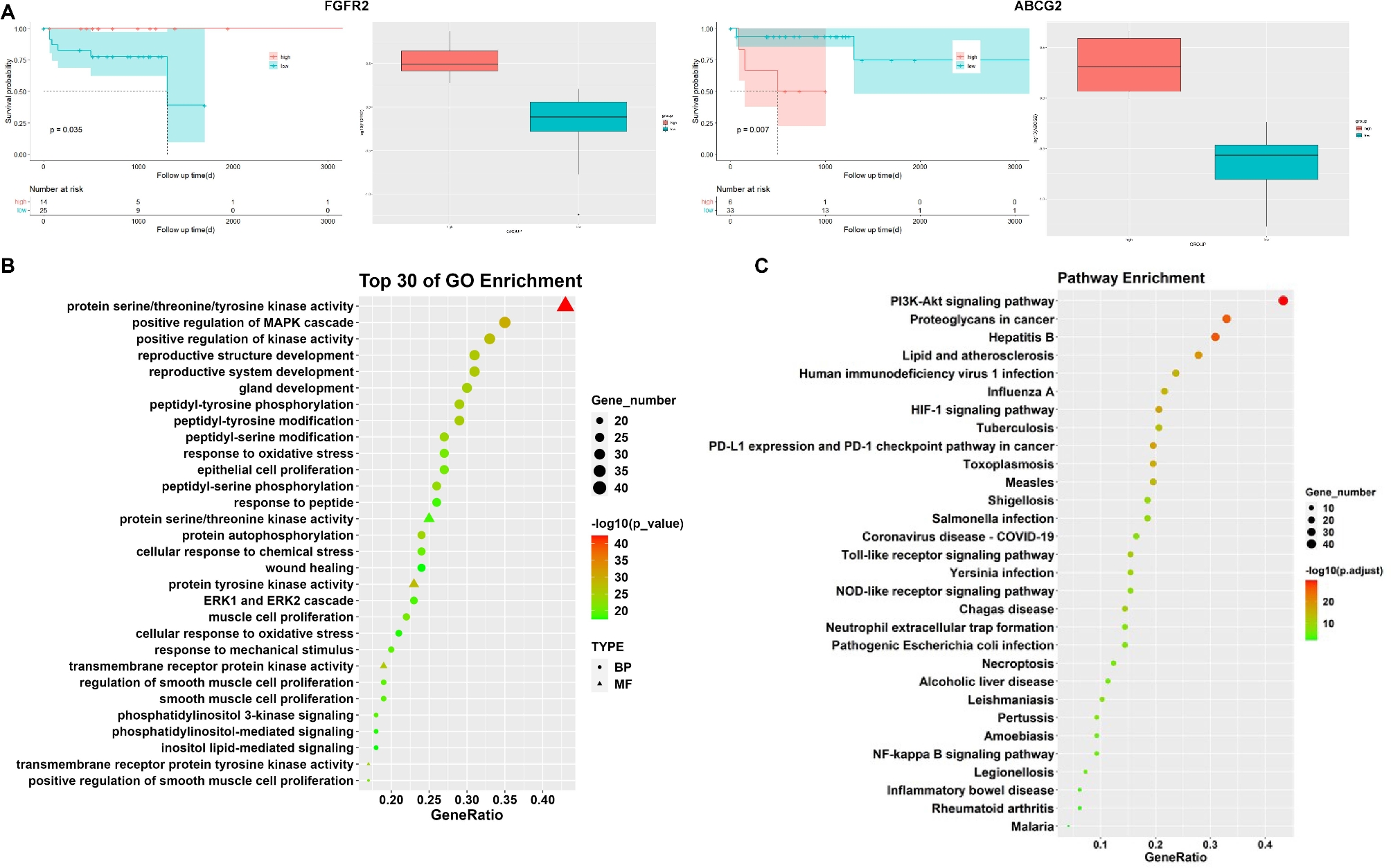 Figure 7
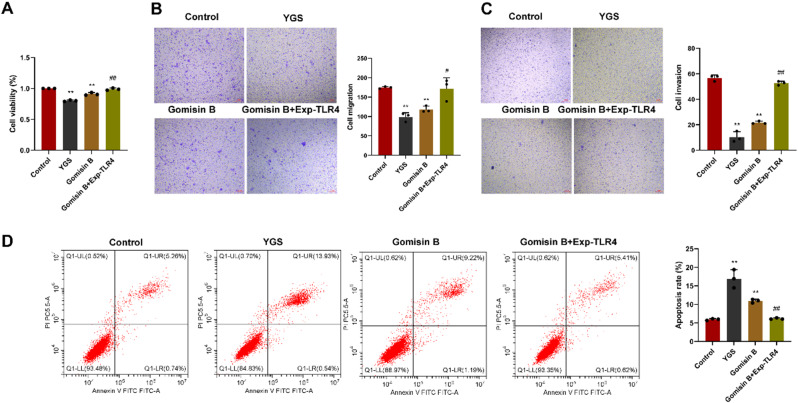 Figure 8
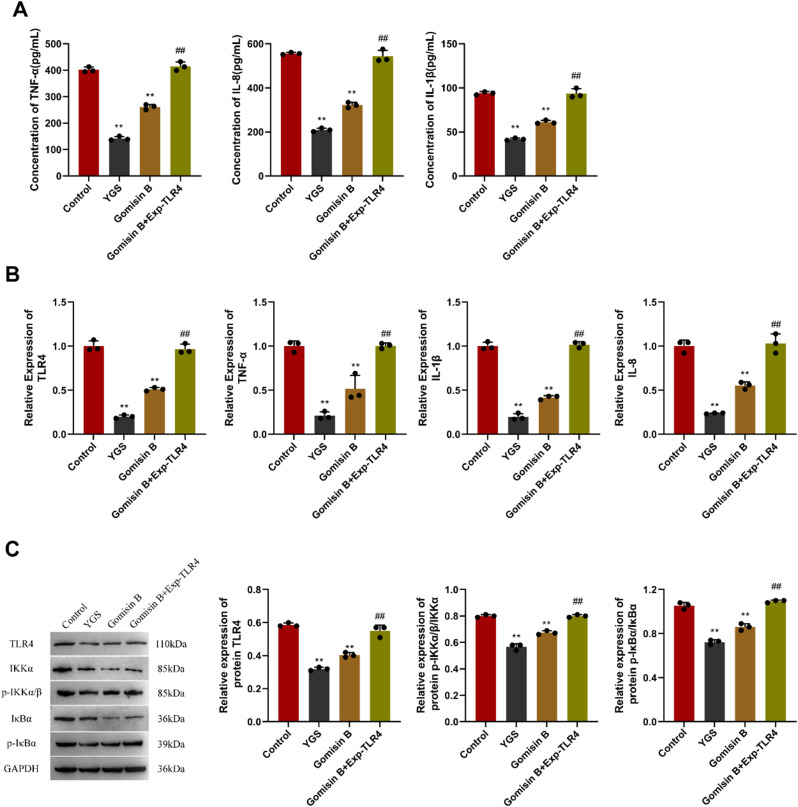 Figure 9
Peer Reviews
No public reviews on file for this paper yet. If you reviewed it on a platform where reviews are public (OpenReview, ICLR, NeurIPS, ICML), you can paste yours below so the community can read it here.
Videos
No videos yet. Explain this paper in a talk, walkthrough, or lecture? Add one.
Taxonomy
TopicsCancer-related molecular mechanisms research · Cancer Cells and Metastasis · Mycobacterium research and diagnosis