Detoxification of coumarins by rumen anaerobic fungi: insights into microbial degradation pathways and agricultural applications
Yuqi Li, Jian Gao, Yaxiong Cao, Xinming Cheng, Zhanying Sun, Jiyu Zhang, Weiyun Zhu, Martin Gierus, Yanfen Cheng

TL;DR
Rumen anaerobic fungi can detoxify harmful coumarins, offering potential for sustainable agriculture and environmental cleanup.
Contribution
First demonstration of coumarin degradation by rumen anaerobic fungi and their detoxification pathways.
Findings
Pecoramyces ruminantium F1 can tolerate and degrade coumarin up to 3 mmol/L.
Coumarin is metabolized into less toxic compounds like o-coumaric acid and melilotic acid.
Anaerobic fungi use alpha/beta hydrolases and NAD(P)H oxidoreductases for coumarin degradation.
Abstract
Coumarins are toxic phytochemicals found in a variety of plants and are known to limit microbial degradation and interfere with nutrient cycling. While the degradation of coumarins by fungi has been studied in an environmental context, little is known about their degradation in the gastrointestinal system of herbivores after ingestion. In this study, we investigated in vitro fermentation by microbial enrichment, transcriptome sequencing, and high-resolution mass spectrometry to evaluate the ability of rumen anaerobic fungi to degrade coumarins. The results showed that despite the low abundance of anaerobic fungi in the rumen microbiota, they were able to effectively degrade coumarins. Specifically, Pecoramyces ruminantium F1 could tolerate coumarin concentrations up to 3 mmol/L and degrade it efficiently via metabolic pathways involving alpha/beta hydrolases and NAD(P)H oxidoreductases…
Genes, proteins, chemicals, diseases, species, mutations and cell lines named across the full text — each resolved to its canonical identifier and authoritative record.
Click any figure to enlarge with its caption.
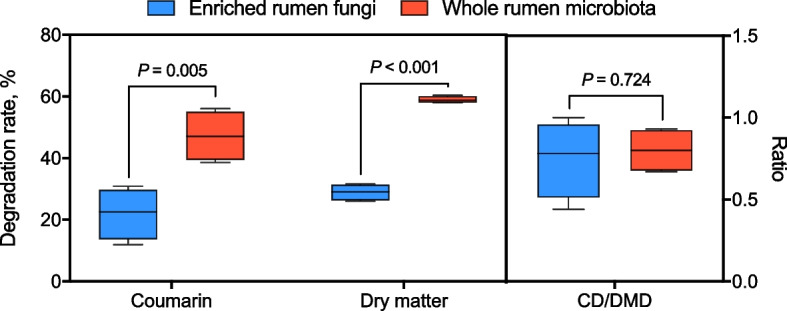 Figure 1
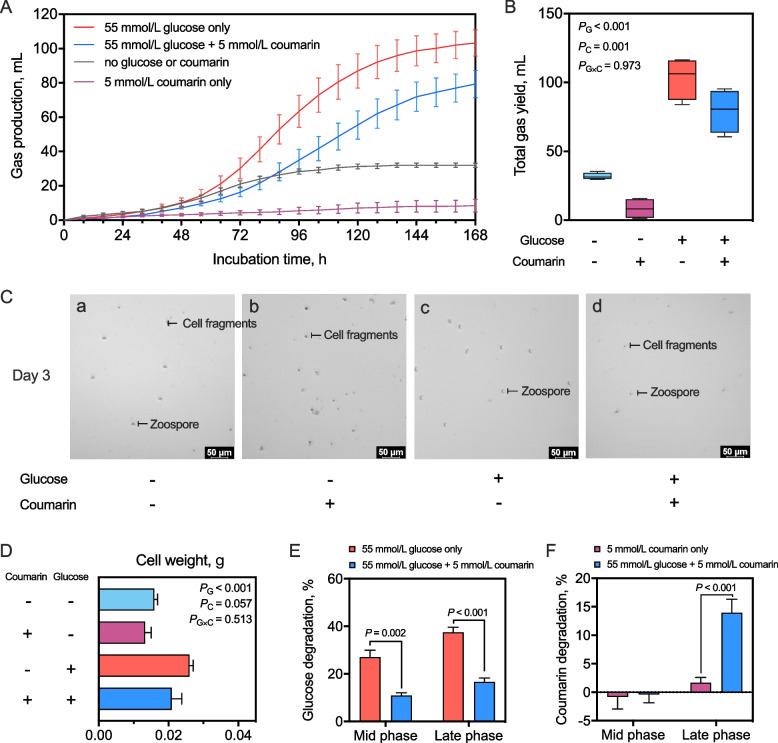 Figure 2
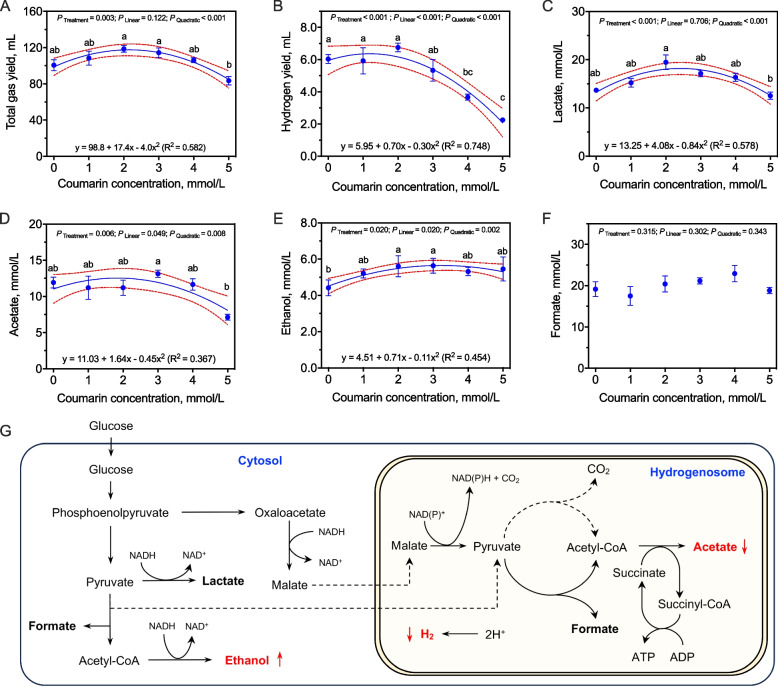 Figure 3
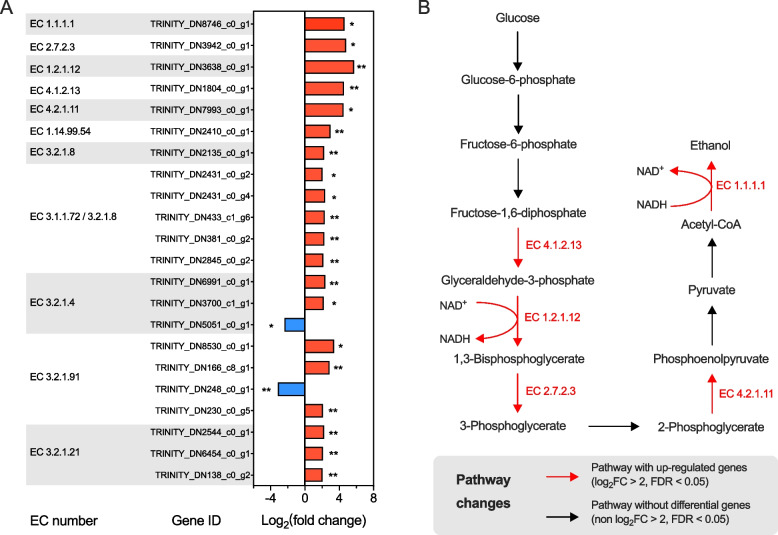 Figure 4
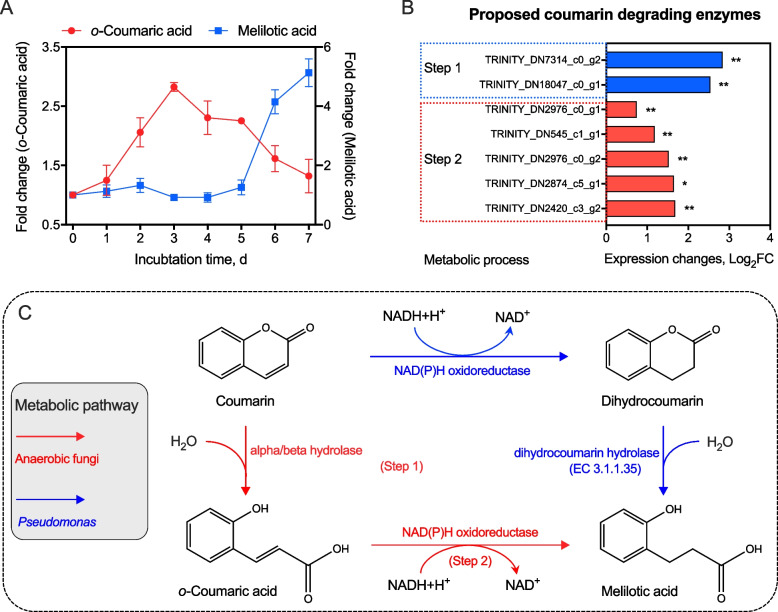 Figure 5
Peer Reviews
No public reviews on file for this paper yet. If you reviewed it on a platform where reviews are public (OpenReview, ICLR, NeurIPS, ICML), you can paste yours below so the community can read it here.
Videos
No videos yet. Explain this paper in a talk, walkthrough, or lecture? Add one.
Taxonomy
TopicsPlant and fungal interactions · Ruminant Nutrition and Digestive Physiology · Plant Toxicity and Pharmacological Properties