Inhibition by 4-(4-Bromo-2-oxo-3H-benzimidazol-1-yl)-N-(4-iodophenyl)piperidine-1-carboxamide (TH5487) of the Activity of Human 8-Oxoguanine DNA Glycosylase-1 (OGG1) for the Excision of 2,6-Diamino-4-hydroxy-5-formamidopyrimidine, 4,6-Diamino-5-formamidopyrimidine, and 8-Oxoguanine from Oxidatively Damaged DNA
Pawel Jaruga, Melis Kant, Michael M. Luzadder, R. Stephen Lloyd, Istvan Boldogh, Miral Dizdaroglu

TL;DR
This study shows that TH5487 strongly inhibits the DNA repair enzyme hOGG1, which could lead to new treatments for cancer and lung diseases.
Contribution
The study reports the first measurement of TH5487's inhibition of hOGG1 activity on multiple DNA lesions using genomic DNA and mass spectrometry.
Findings
TH5487 inhibits hOGG1-catalyzed excision of 8-oxo-Gua with an IC50 of 0.8 μmol/L.
TH5487 also inhibits excision of FapyGua and FapyAde with IC50 values of 3.1 μmol/L.
The inhibition was measured using genomic DNA and gas chromatography-tandem mass spectrometry.
Abstract
DNA glycosylases of the base excision repair pathway have become clinically validated drug targets for the treatment of several diseases. Human OGG1 (hOGG1) is specific for the removal of the highly mutagenic 8-oxoguanine (8-oxo-Gua) and 2,6-diamino-4-hydroxy-5-formamidopyrimidine (FapyGua) from damaged DNA. To develop clinically approved drugs, various small-molecule inhibitors of hOGG1 have been developed to inhibit its glycosylase and lyase activities, with 4-(4-bromo-2-oxo-3H-benzimidazol-1-yl)-N-(4-iodophenyl)piperidine-1-carboxamide (TH5487) shown to be a potent inhibitor. The inhibition of hOGG1 by TH5487 has been shown to suppress cancer cell growth, pulmonary inflammation, and lung fibrosis and sensitize cancer cells to ionizing radiation, confirming hOGG1 as a target for pharmaceutical intervention. While the assays that identified TH5487 utilized an oligodeoxynucleotide with…
Genes, proteins, chemicals, diseases, species, mutations and cell lines named across the full text — each resolved to its canonical identifier and authoritative record.
Click any figure to enlarge with its caption.
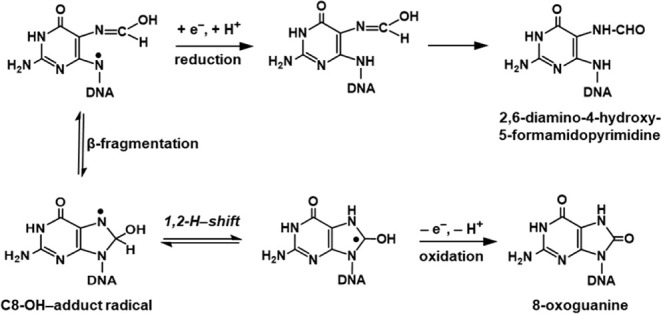 Figure 1
 Figure 2
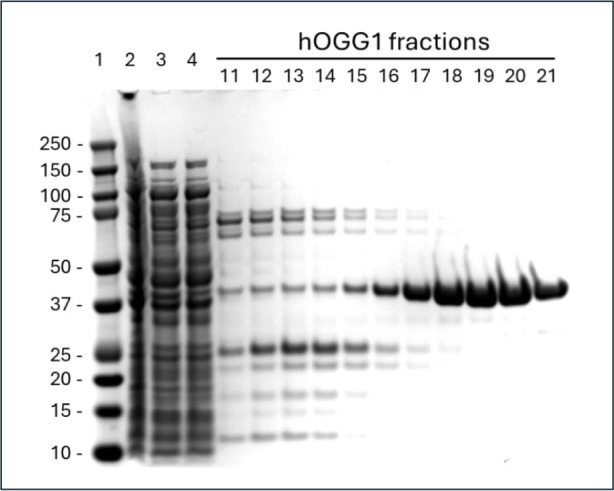 Figure 3
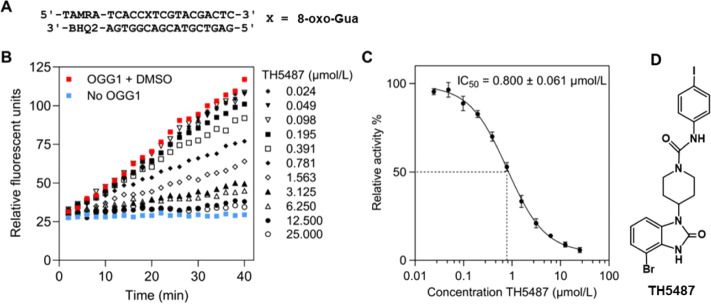 Figure 4
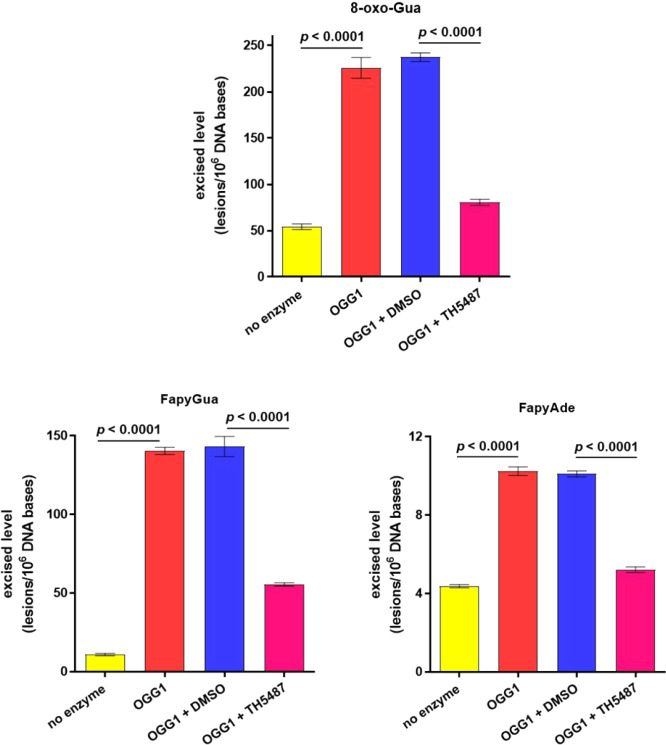 Figure 5
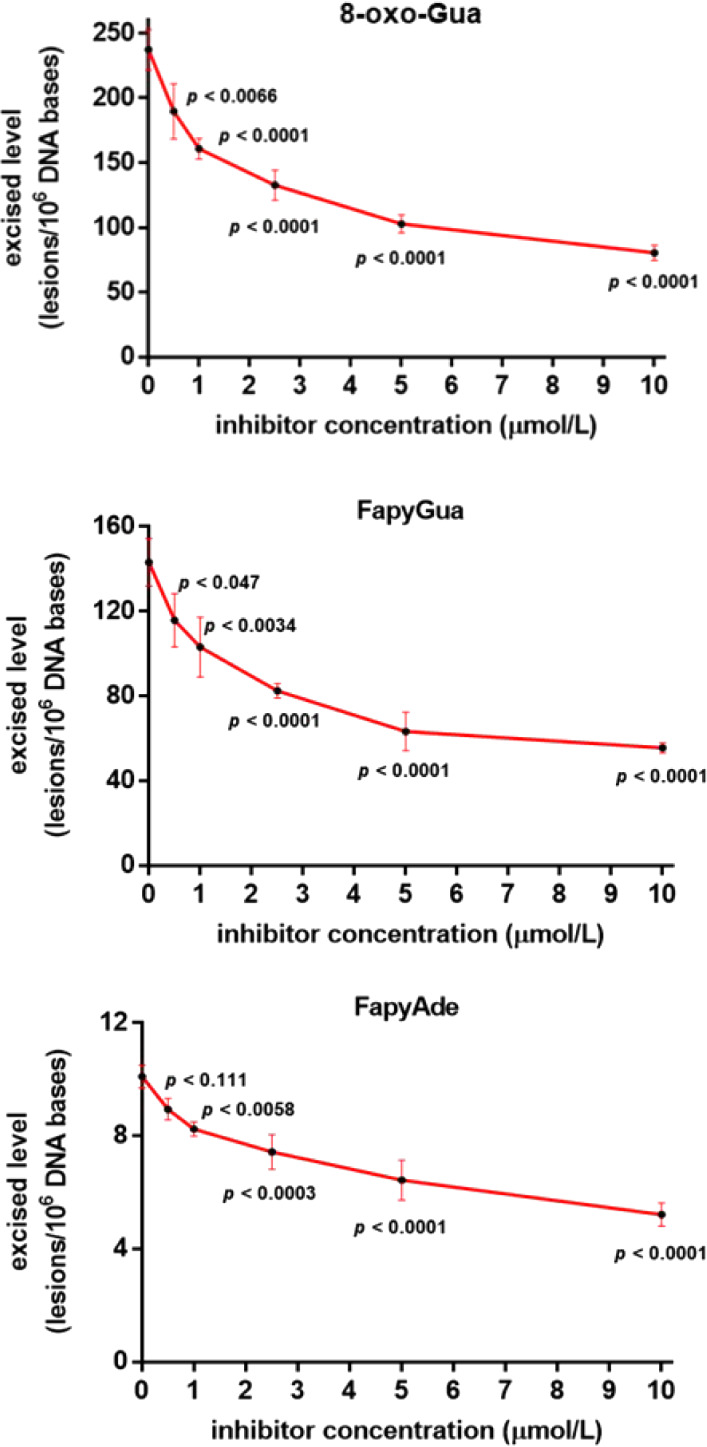 Figure 6
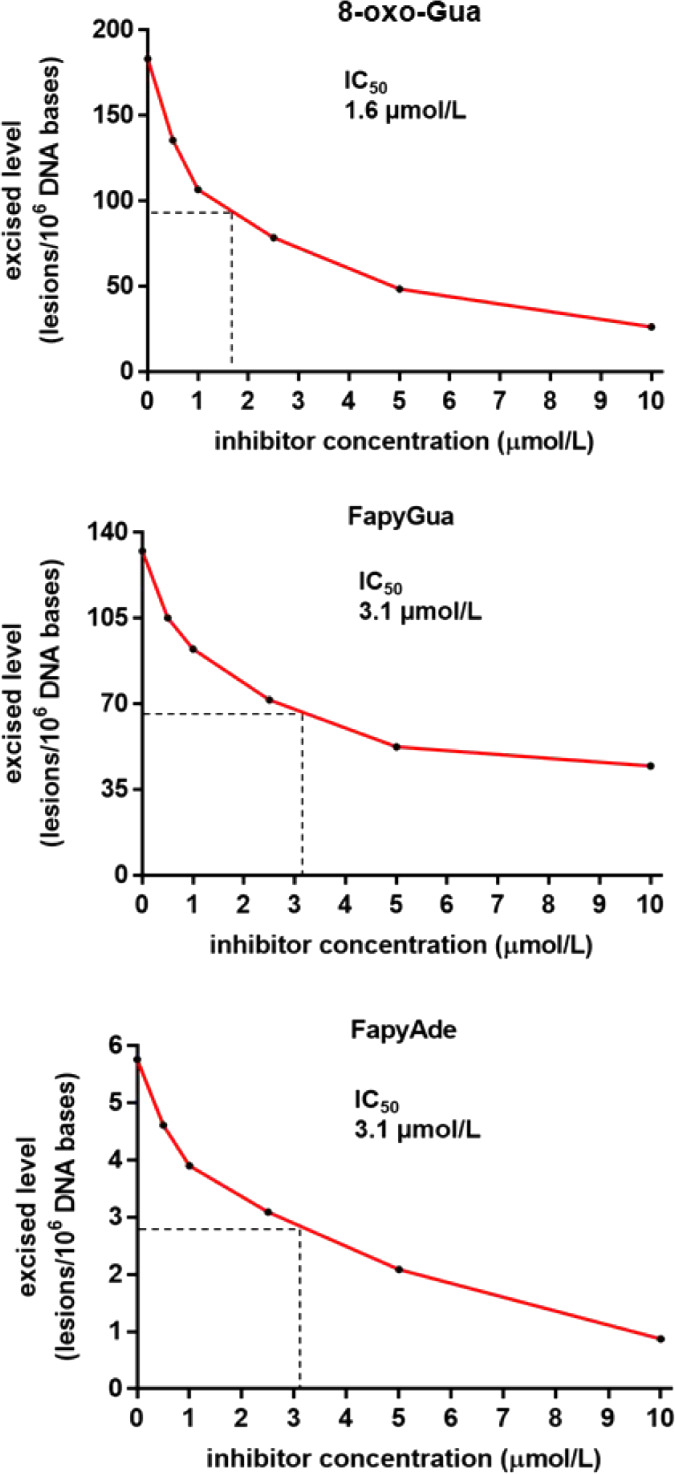 Figure 7
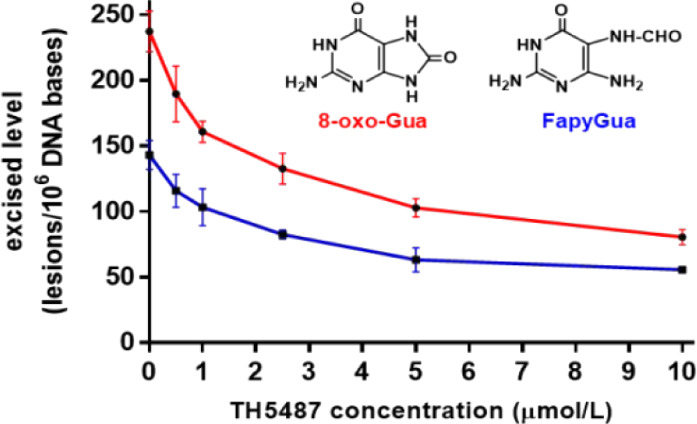 Figure 8
Peer Reviews
No public reviews on file for this paper yet. If you reviewed it on a platform where reviews are public (OpenReview, ICLR, NeurIPS, ICML), you can paste yours below so the community can read it here.
Videos
No videos yet. Explain this paper in a talk, walkthrough, or lecture? Add one.
Taxonomy
TopicsDNA Repair Mechanisms · Cancer therapeutics and mechanisms · DNA and Nucleic Acid Chemistry