Biocompatible Hyaluronic Acid-Stabilized Copper Nanoparticles for the Selective Oxidation of Morin Dye by H2O2
M. Deniz Yilmaz, Safaa Altves, Aliye Beyza Ozcelik, Sundus Erbas-Cakmak

TL;DR
Researchers developed biocompatible copper nanoparticles that can selectively oxidize dyes like morin, with potential applications in eco-friendly bleaching and wastewater treatment.
Contribution
The novel synthesis of hyaluronic acid-stabilized copper nanoparticles with high catalytic activity and biocompatibility for selective oxidation.
Findings
HA-CuNPs showed an average particle size of 35 nm and surface zeta potential of −28 mV.
The oxidation of morin followed a pseudo-first-order reaction and was selective for four synthetic dyes.
HA-CuNPs exhibited low toxicity and high biocompatibility with human and cancer cells.
Abstract
In this study, we report the synthesis and characterization of biocompatible hyaluronic acid-stabilized copper nanoparticles (HA-CuNPs) and their catalytic evaluation in the oxidation of morin as a model compound. HA-CuNPs have been characterized by several state-of-the-art analytical techniques, such as FESEM, STEM, UV–Vis, DLS, zeta potential, FTIR and XRD analyses. The average particle size and surface zeta potential of HA-CuNPs were determined to be 35 nm and −28 mV, respectively. The catalytic activity of HA-CuNPs was investigated in the oxidative degradation of morin dye in the presence of H2O2. The kinetic data show that the oxidation process follows a pseudo-first-order reaction, and the rate constant is dependent on the concentrations of morin, H2O2, and HA-CuNPs. In addition, HA-CuNPs were employed for the selective oxidation of morin on four important synthetic dyes, i.e.,…
Genes, proteins, chemicals, diseases, species, mutations and cell lines named across the full text — each resolved to its canonical identifier and authoritative record.
Click any figure to enlarge with its caption.
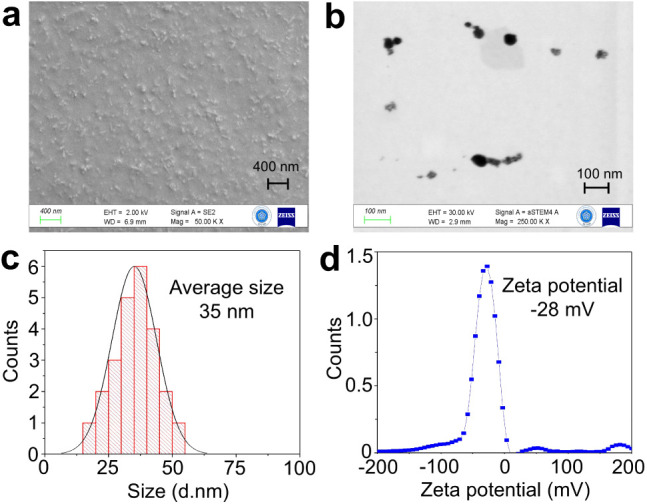 Figure 1
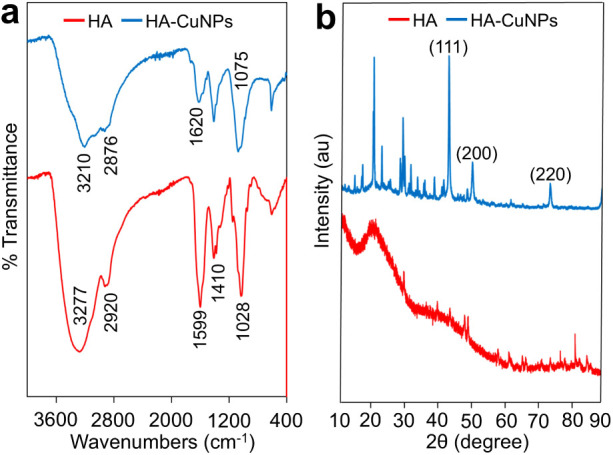 Figure 2
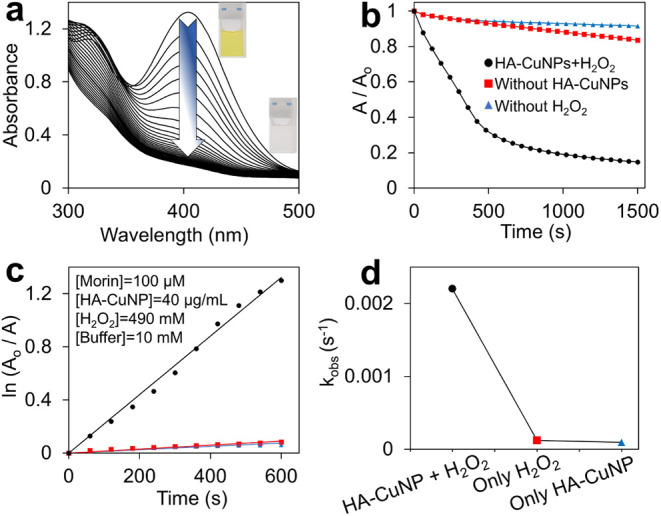 Figure 3
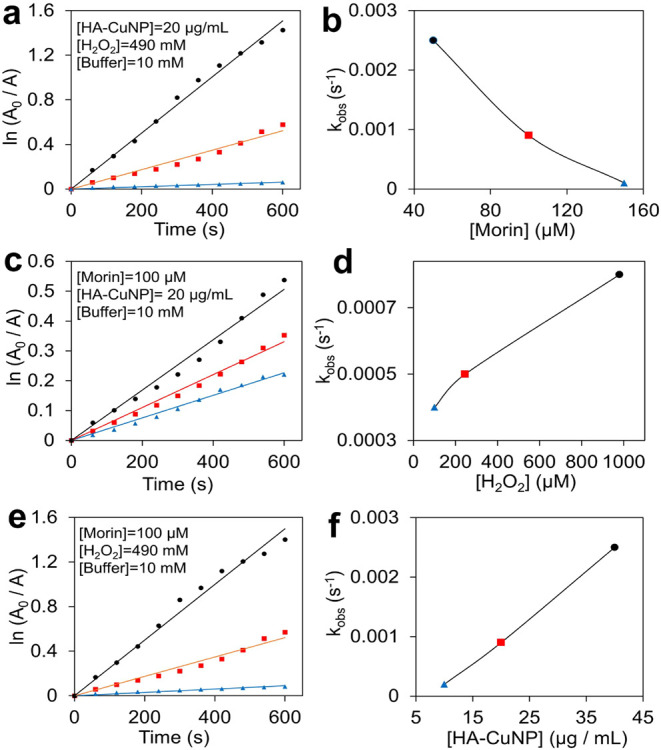 Figure 4
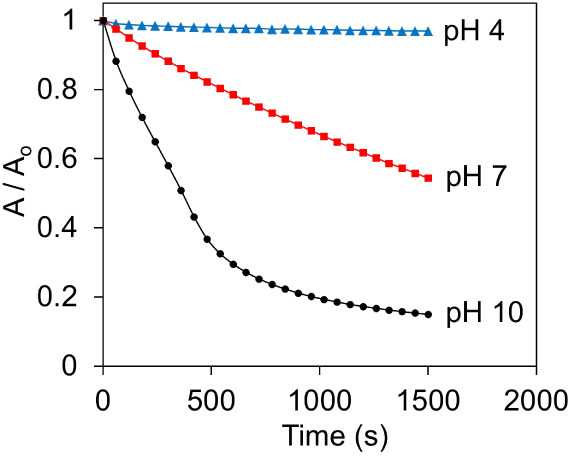 Figure 5
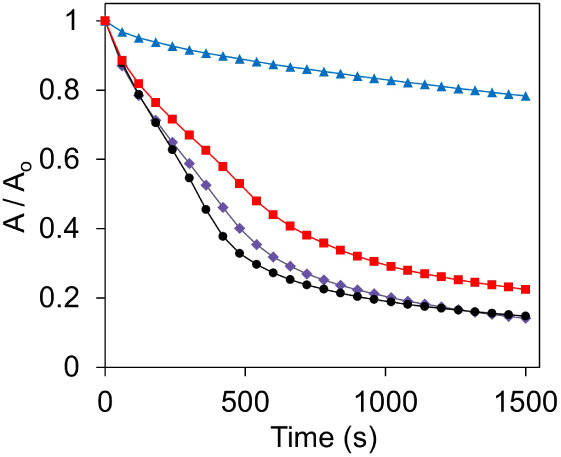 Figure 6
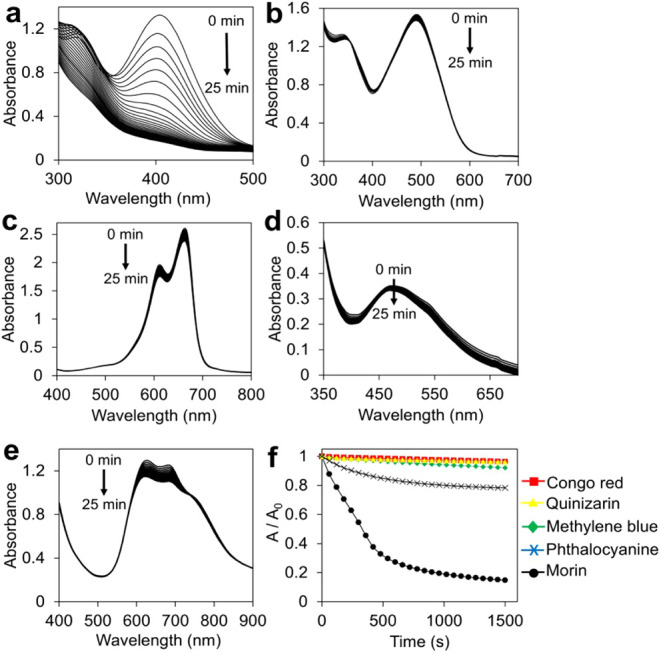 Figure 7
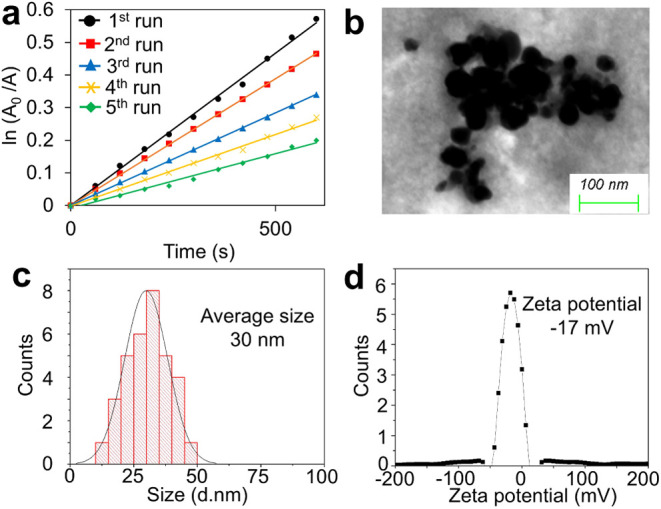 Figure 8
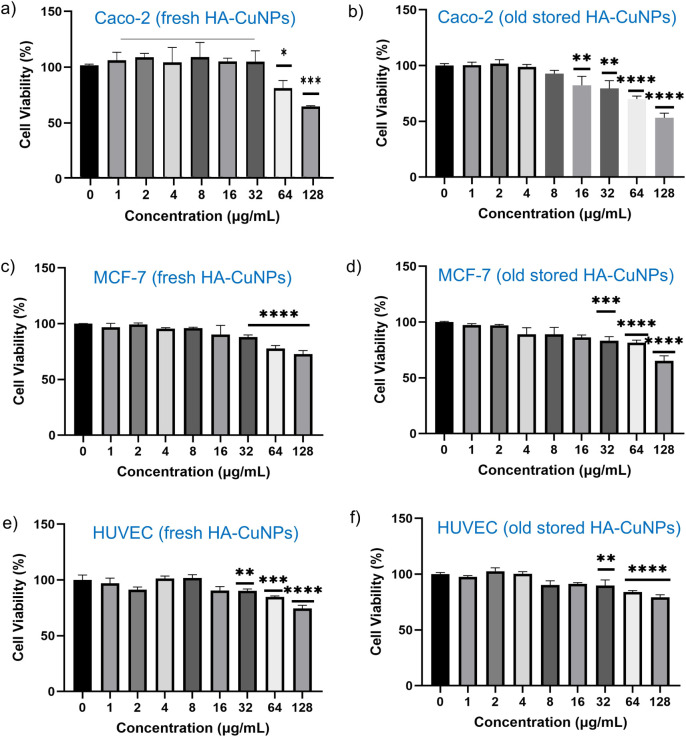 Figure 9
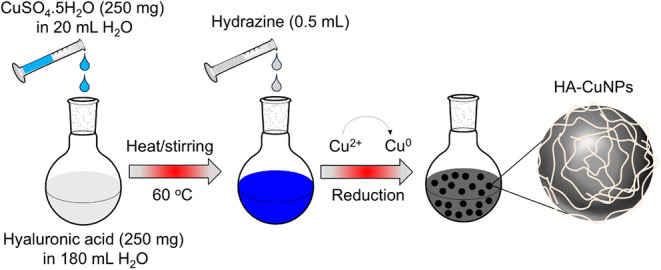 Figure 10
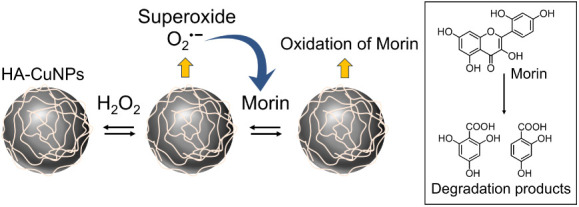 Figure 11
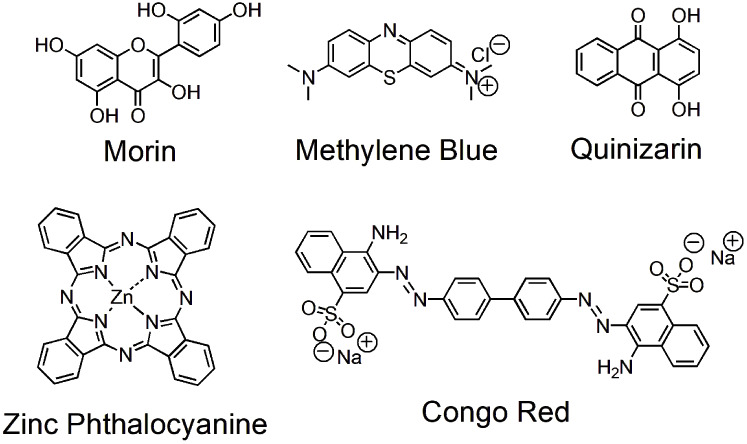 Figure 12
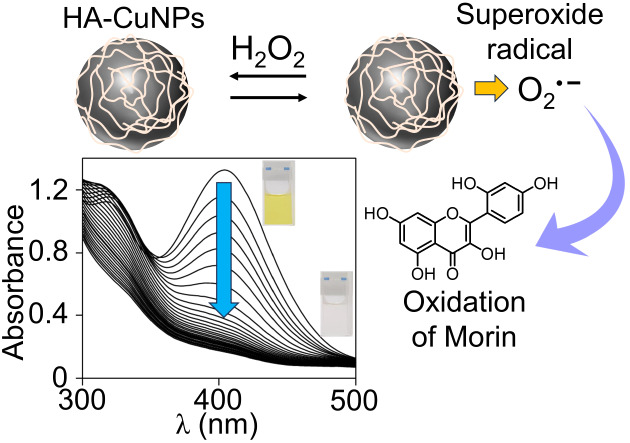 Figure 13
 Figure 14
 Figure 15
Peer Reviews
No public reviews on file for this paper yet. If you reviewed it on a platform where reviews are public (OpenReview, ICLR, NeurIPS, ICML), you can paste yours below so the community can read it here.
Videos
No videos yet. Explain this paper in a talk, walkthrough, or lecture? Add one.
Taxonomy
TopicsAdvanced Nanomaterials in Catalysis · Nanomaterials for catalytic reactions · Nanoplatforms for cancer theranostics