Do not Forget to Measure the Head: Hydrocephalus Can Phenotypically Mimic Developmental Coordination Disorder
Martinica Garofalo, Jelte Helfferich, Reina W. Kloet, Deborah A. Sival, Kirsten R. Heineman

TL;DR
This paper reports a case where hydrocephalus was mistaken for developmental coordination disorder, highlighting the importance of checking for treatable causes before diagnosing DCD.
Contribution
The paper emphasizes the value of longitudinal head circumference measurements in identifying treatable neurological conditions mimicking DCD.
Findings
A patient initially diagnosed with DCD was later found to have acquired hydrocephalus.
Secondary macrocephaly was a key indicator of an underlying neurological condition.
Longitudinal head measurements can help detect treatable causes of DCD-like symptoms.
Abstract
Developmental Coordination Disorder (DCD) is a neurodevelopmental condition presenting with poor motor skill development and impaired coordination at a young age. To diagnose DCD, neurologic conditions explanatory for the phenotype, including structural brain abnormalities like hydrocephalus, must be first ruled out. However, these neurologic conditions may phenotypically mimic DCD, which can hamper their distinction. In this article, we report a patient in whom the initial diagnosis of DCD was withdrawn after the identification of acquired hydrocephalus. An important cue in this case was secondary macrocephaly (from +0.00 to +2.25 standard deviations over approximately 6 years’ time). This case illustrates that, in children whose phenotypes seemingly fulfill the DCD criteria, it is important to rule out an underlying, treatable etiology before making the diagnosis of DCD. Since few…
Genes, proteins, chemicals, diseases, species, mutations and cell lines named across the full text — each resolved to its canonical identifier and authoritative record.
Click any figure to enlarge with its caption.
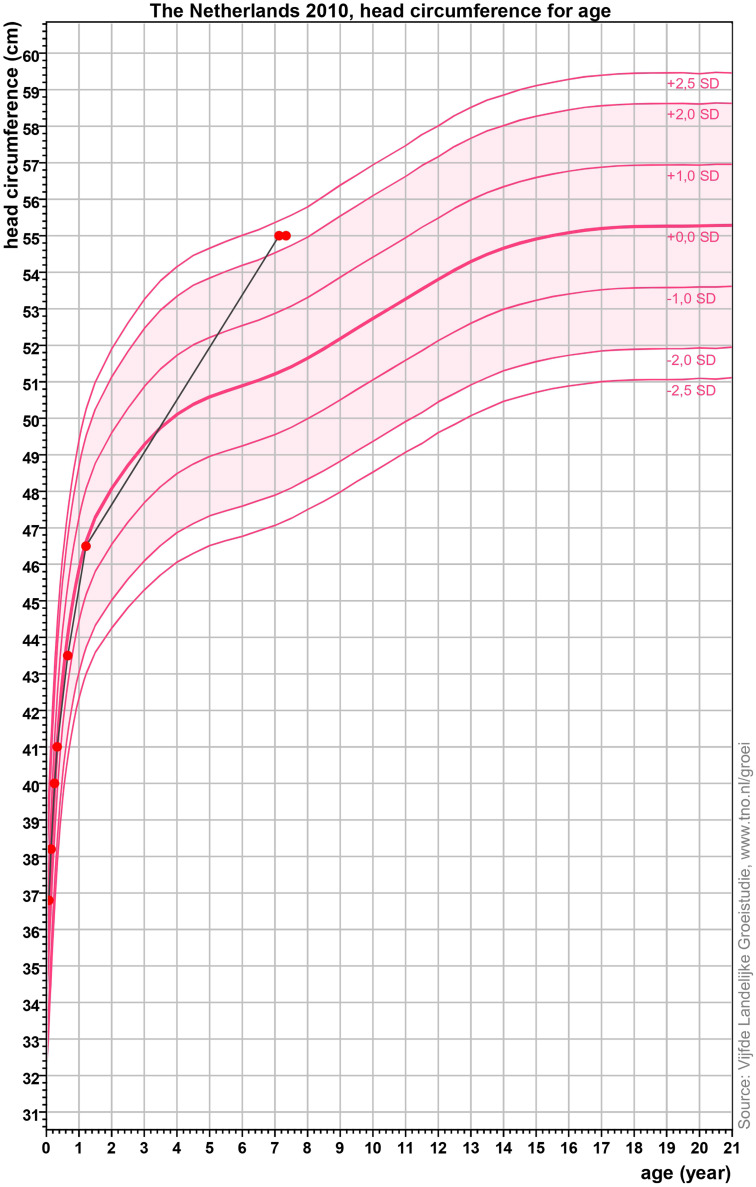 Figure 1
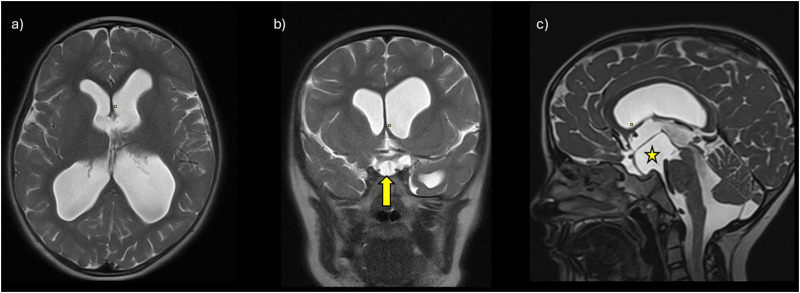 Figure 2
Peer Reviews
No public reviews on file for this paper yet. If you reviewed it on a platform where reviews are public (OpenReview, ICLR, NeurIPS, ICML), you can paste yours below so the community can read it here.
Videos
No videos yet. Explain this paper in a talk, walkthrough, or lecture? Add one.
Taxonomy
TopicsChildren's Physical and Motor Development · Infant Development and Preterm Care · Congenital heart defects research