Safety and efficacy of the feed additives trans‐anethole and eugenol for use in all avian species (ADISSEO, ADM, AGOLIN (Ireland) Ltd, Cargill, DSM Nutritional Products Ltd., LABORATORIES PHODE, Norel S.A.)
Roberto Edoardo Villa, Giovanna Azimonti, Eleftherios Bonos, Henrik Christensen, Mojca Durjava, Birgit Dusemund, Ronette Gehring, Boet Glandorf, Maryline Kouba, Marta López‐Alonso, Francesca Marcon, Carlo Nebbia, Alena Pechová, Miguel Prieto‐Maradona, Ilen Röhe

TL;DR
This paper evaluates the safety and effectiveness of trans-anethole and eugenol as feed additives for birds, concluding they are safe for animals and consumers but may pose risks to users.
Contribution
The study provides a comprehensive safety assessment of trans-anethole and eugenol for avian species, including consumer and environmental safety.
Findings
Trans-anethole and eugenol are safe for chickens, turkeys, and laying hens at up to 25 mg/kg feed.
The additives are not harmful to consumers of animal products but may irritate users' skin and eyes.
No further efficacy testing is needed due to their established use in food flavoring.
Abstract
Following a request from the European Commission, EFSA was asked to deliver a scientific opinion on the safety and efficacy of 1‐methoxy‐4‐(prop‐1‐(trans)‐enyl)benzene (trans‐anethole) and eugenol as sensory feed additives for all avian species. The additives are already authorised for use in all animal species except fish and poultry. The additives under assessment, trans‐anethole (from either chemical synthesis or natural origin) and eugenol of natural origin, are considered of no safety concern for species (chickens and turkeys) for fattening and of being very unlikely to induce adverse effects in long‐living and reproductive animals (laying hens) up to the maximum proposed use levels of 25 mg/kg complete feed. These conclusions are extrapolated to physiologically‐related minor species. No safety concern would be expected for the consumer of animal products from the use of…
Genes, proteins, chemicals, diseases, species, mutations and cell lines named across the full text — each resolved to its canonical identifier and authoritative record.
Click any figure to enlarge with its caption.
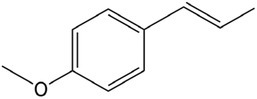 Figure 1
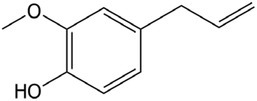 Figure 2
|
| |
|---|---|
| Eu Register name | 1‐Methoxy‐4‐(prop‐1‐( |
| IUPAC name | 1‐Methoxy‐4‐(prop‐1‐en‐1‐yl)benzene; 1‐methoxy‐4‐[ |
| Synonyms |
|
| Identification number | 2b04010 |
| CAS No | 4180‐23‐8 |
| EU No | 224‐052‐0 |
| FLAVIS No | 04.010 |
| Structural formula |
|
| Chemical formula | C10H12O |
| Molecular weight | 148.21 |
| Physical state | Liquid |
| Animal category | Daily feed intake (g DM/kg bw) | Maximum safe concentration (mg/kg complete feed) |
|---|---|---|
| Chickens for fattening | 79 | 33 |
| Laying hens | 53 | 50 |
| Turkeys for fattening | 59 | 45 |
| Animal category | Daily feed intake (g DM/kg bw) | Estragole intake | MOE |
|---|---|---|---|
|
| |||
| Laying hens | 53 | 1.20 | 18,264 |
|
| |||
| Chickens for fattening | 79 | 1.80 | 5570 |
| Turkeys for fattening | 59 | 1.33 | 7500 |
| Eugenol | |
|---|---|
| EU register name | Eugenol |
| IUPAC name | 2‐Methoxy‐4‐(prop‐2‐en‐1‐yl)phenol |
| Synonyms | Allylguaiacol, 1‐hydroxy‐2‐methoxy‐4‐propenylbenzene; 2‐methoxy‐4‐allylphenol |
| Identification number | 2b04003 |
| CAS No | 97‐53‐0 |
| EU No | 202‐589‐1 |
| FLAVIS No | 04.003 |
| Structural formula |
|
| Chemical formula | C10H12O2 |
| Molecular weight | 164.20 |
| Physical state | Liquid |
| Animal category | Daily feed intake (g DM/kg bw) | Maximum safe concentration (mg/kg complete feed) |
|---|---|---|
| Chickens for fattening | 79 | 33 |
| Laying hens | 53 | 50 |
| Turkeys for fattening | 59 | 45 |
| Animal category | Daily feed intake (g DM/kg bw) | Methyleugenol intake | MOE |
|---|---|---|---|
|
| |||
| Laying hens | 52 | 0.30 | 73,057 |
|
| |||
| Chickens for fattening | 79 | 0.45 | 22,278 |
| Turkeys for fattening | 59 | 0.33 | 30,000 |
Peer Reviews
No public reviews on file for this paper yet. If you reviewed it on a platform where reviews are public (OpenReview, ICLR, NeurIPS, ICML), you can paste yours below so the community can read it here.
Videos
No videos yet. Explain this paper in a talk, walkthrough, or lecture? Add one.
Taxonomy
TopicsAgricultural safety and regulations · Pesticide Residue Analysis and Safety · Animal Ecology and Behavior Studies
INTRODUCTION
1
Background and Terms of Reference
1.1
Regulation (EC) No 1831/20031 establishes the rules governing the Community authorisation of additives for use in animal nutrition. In particular, Article 4(1) of that Regulation lays down that any person seeking authorisation for a feed additive or for a new use of feed additive shall submit an application in accordance with Article 7.
The European Commission received a request from ADISSEO, ADM International, represented in the EU by Pancosma France S.A.S., Agolin SA, represented in the EU by AGOLIN (Ireland) Ltd., Cargill, DSM Nutritional Products Ltd. represented in the EU by DSM Nutritional Products Sp. z.o.o., Laboratories Phode SAS, Norel S.A.2 for the authorisation of the additives 1‐methoxy‐4‐(prop‐1‐(trans)‐enyl)benzene, trans‐anethole and eugenol, when used as feed additives for all avian species (category: sensory additives; functional group: flavourings).
According to Article 7(1) of Regulation (EC) No 1831/2003, the Commission forwarded the application to the European Food Safety Authority (EFSA) as an application under Article 4(1) (authorisation of a feed additive or new use of a feed additive). The dossier was received on 20 November 2023 and the general information and supporting documentation are available at https://open.efsa.europa.eu/questions/EFSA‐Q‐2023‐00744. The particulars and documents in support of the application were considered valid by EFSA as of 04 July 2024.
According to Article 8 of Regulation (EC) No 1831/2003, EFSA, after verifying the particulars and documents submitted by the applicant, shall undertake an assessment in order to determine whether the feed additive complies with the conditions laid down in Article 5. EFSA shall deliver an opinion on the safety for the target animals, consumer, user and the environment and on the efficacy of the feed additives 1‐methoxy‐4‐(prop‐1‐(trans)‐enyl)benzene and eugenol, when used under the proposed conditions of use (see Sections 3.1.1.4 and 3.2.1.4).
Additional information
1.2
EFSA issued an opinion on the safety and efficacy of allylhydroxybenzenes: eugenol, 1‐methoxy‐4‐(prop‐1‐(trans)‐enyl)benzene (trans‐anethole), 4‐allyl‐2,6‐dimethoxyphenol and eugenyl acetate (chemical group 18) when used as flavourings in feed for all animal species (EFSA FEEDAP Panel, 2011).
The two additives are currently authorised as sensory additives (flavourings compounds) for use in all animal species except poultry and fish:3 eugenol (2b04003) ‘produced by chemical synthesis or by extraction from cloves or cloves oil’ and 1‐methoxy‐4‐(prop‐1‐(trans)‐enyl)benzene (2b04010) ‘produced by chemical synthesis or by extraction from pine oil’.
DATA AND METHODOLOGIES
2
Data
2.1
The present assessment is based on data submitted by the applicant in the form of a technical dossier4 in support of the authorisation request for the use of trans‐anethole (1‐methoxy‐4‐(prop‐1‐(trans)‐enyl)benzene) and eugenol as feed additives.
The confidential version of the technical dossier was subject to a target consultation of the interested Member States from 10 July 2024 to 10 October 2024; the comments received were considered for the assessment.
In accordance with Article 38 of the Regulation (EC) No 178/20025 and taking into account the protection of confidential information and of personal data in accordance with Articles 39 to 39e of the same Regulation, and of the Decision of EFSA's Executive Director laying down practical arrangements concerning transparency and confidentiality,6 a non‐confidential version of the dossier has been published on Open.EFSA.
According to Article 32c(2) of Regulation (EC) No 178/2002 and to the Decision of EFSA's Executive Director laying down the practical arrangements on pre‐submission phase and public consultations, EFSA carried out a public consultation on the non‐confidential version of the technical dossier from 12 February to 05 March 2025 for which no comments were received.
The FEEDAP Panel used the data provided by the applicant together with data from other sources, such as previous risk assessments by EFSA or other expert bodies, peer‐reviewed scientific papers, other scientific reports and experts' knowledge, to deliver the present output.
The European Union Reference Laboratory (EURL) considered that the conclusions and recommendations reached in the previous assessment regarding the methods used for the control of the active substances in animal feed are valid and applicable for the current application.7
Methodologies
2.2
The approach followed by the FEEDAP Panel to assess the safety and the efficacy of trans‐anethole (1‐methoxy‐4‐(prop‐1‐(trans)‐enyl)benzene) and eugenol is in line with the principles laid down in Regulation (EC) No 429/20088 and the relevant guidance documents: Guidance on the identity, characterisation and conditions of use of feed additives (EFSA FEEDAP Panel, 2017a), Guidance on the assessment of the safety of feed additives for the target species (EFSA FEEDAP Panel, 2017b), Guidance on the assessment of the safety of feed additives for the consumer (EFSA FEEDAP Panel, 2017c), Guidance on the assessment of the efficacy of feed additives (EFSA FEEDAP Panel, 2024), Guidance on the assessment of the safety of feed additives for the environment (EFSA FEEDAP Panel, 2019), Guidance on the assessment of the safety of feed additives for the users (EFSA FEEDAP Panel, 2023a), General approach to assess the safety for the target species of botanical preparations which contain compounds that are genotoxic and/or carcinogenic (EFSA FEEDAP Panel, 2021).
ASSESSMENT
3
1‐Methoxy‐4‐(prop‐1‐(trans)‐enyl)benzene (herein referred to as trans‐anethole) and eugenol are currently authorised as sensory feed additives (functional group: flavourings compounds) for all animal species except fish and poultry. The applicant is now requesting an additional authorisation of the use of the additives in all avian species.
trans‐Anethole
3.1
Characterisation of trans‐anethole
3.1.1
The chemical structure, the Chemical Abstracts Service (CAS) number, the EU Flavour Information System (FLAVIS) number of the additive trans‐anethole under application are shown in Table 1.
trans‐Anethole may be produced by chemical synthesis, e.g. via the esterification of p‐cresol with methanol and subsequent condensation or by extraction from pine oil (EFSA FEEDAP Panel, 2011). In the current application, trans‐anethole of plant origin is extracted from leaves or fruit of star anise (Illicium verum Hook.f) by using steam distillation followed by fractional distillation or rectification, possibly combined with other separation techniques such as freezing, centrifugation, refining or filtration. The applicant provided information from the literature on the manufacturing processes of the additive trans‐anethole and flow‐charts from the different manufacturers.
trans‐Anethole produced by chemical synthesis or by extraction from pine oil is authorised for the use in feed for all animal species except poultry and fish with a purity > 99%, in line with the specification set by the Joint FAO/WHO Expert Committee on Food Additives (JECFA) (FAO, 2006) for food flavourings. For the current application in all avian species, the applicant proposed the same specification for trans‐anethole (purity > 99%) produced by chemical synthesis or of natural origin.
Data were provided on the batch‐to‐batch variation for 26 batches of *trans‐*anethole (from three companies and five different suppliers, 19 derived from natural sources and 7 produced by chemical synthesis).9 The content of trans‐anethole was on average 99.7% (range: 99.5%–99.9%) and showed compliance with the specifications in all batches.
Impurities
3.1.1.1
** trans‐Anethole produced by chemical synthesis**
Low percentages of cis‐anethole (0.02%–0.04%) were detected in all the batches produced by chemical synthesis. Residual solvents were not detected in the gas chromatography–mass spectrometry (GC–MS) chromatogram.
** trans‐Anethole of natural origin**
For 15 out of the 19 batches of natural origin, the applicant provided analytical data on occurrence of minor components present in the essential oil from which the additive is extracted. The following minor components (> 0.01%) were identified and quantified: cis‐anethole (0.063%; 0.024%–0.090%), p‐anisaldehyde (0.122%; 0.114%–0.136%), β‐caryophyllene (0.083%; 0.073%–0.097%), trans‐α‐bergamotene (0.097%; 0.088%–0.115%). Estragole (0.064%; 0.052%–0.08%) was quantified in three batches of *trans‐*anethole.10 In the other batches, estragole was below the limit of detection (LOD).11
Four batches of *trans‐*anethole of natural origin were analysed for impurities.12 Cadmium, lead, mercury and arsenic levels were below their respective limit of quantification (LOQ). Pesticides were not detected in a multi‐residue analysis. The analysis of mycotoxins (aflatoxins B1, B2, G1 and G2, ochratoxin A, deoxynivalenol, zearalenone and fumonisins B1, B2 and B3) showed values below the LOQ.
Polychlorinated dibenzo‐p‐dioxins (PCDDs), polychlorinated dibenzofurans (PCDFs) and dioxin‐like polychlorinated biphenyls (DL‐PCBs) were analysed in the same batches. The sum of PCDD/Fs ranged between 0.048 and 0.065 ng WHO_2005_‐TEQ/kg, and the sum of PCDD/Fs and DL‐PCBs ranged between 0.085 and 0.102 ng WHO_2005_‐TEQ/kg. The sum of non‐DL‐PCBs was 6 μg/kg.13 Solvents are not used in the manufacturing of *trans‐*anethole of natural origin.
In the same four batches of natural origin, microbiological contamination was investigated for the determination of total aerobic bacterial count, yeasts, filamentous fungi, Enterobacteriaceae, total coliforms, Escherichia coli, Bacillus cereus, anaerobic spore‐forming bacteria, all with values of < 10 CFU/g. Salmonella spp. was not detected in 25 g.14
The FEEDAP Panel considers that the microbial contamination and the amounts of the detected impurities do not raise safety concerns for trans‐anethole produced by chemical synthesis and of natural origin.
Physical properties of the additive
3.1.1.2
trans‐Anethole appears as white crystals or as a colourless to faintly yellow liquid (melting point: 20–21°C). According to the specifications of all suppliers, trans‐anethole under assessment is liquid. It has a strong odour of anise oil and a sweet taste. The compound is slightly soluble in water (0.111–0.148 g/L at 25°C, Yalkowsky et al., 2010), soluble in ethanol, chloroform and ether. For 23 out of the 26 batches provided,15 the density was 990 kg/m^3^ (at 20°C) and the refractive index 1.56. The boiling point of trans‐anethole is 234–239.5°C (at 760 mm Hg), log K_ow_ is 3.39.
Shelf‐life
3.1.1.3
The minimum shelf‐life of *trans‐*anethole [04.010] is claimed to be 24 months, when stored in closed containers under recommended conditions.16 However, no data supporting this statement were provided.
Conditions of use
3.1.1.4
*trans‐*Anethole is intended for use in feed for all avian species without a withdrawal period at a proposed maximum use level of 25 mg/kg complete feed.
Safety of trans‐anethole
3.1.2
The assessment of safety of the additive is based on the maximum use levels proposed by the applicant (25 mg/kg complete feed).
trans‐Anethole has been already evaluated by the FEEDAP Panel in an opinion on chemical group (CG) 18 (EFSA FEEDAP Panel, 2011). In its previous assessment, the FEEDAP Panel concluded that the proposed range of use levels 5–25 mg trans‐anethole/kg feed is safe for all animal species except fish, with a margin of safety in the range of 2 to 6. The FEEDAP Panel considered that the use of trans‐anethole as a flavour in mammals up to the highest use levels proposed in feed is safe for the consumer. The lack of data on metabolism and residues in poultry precluded an assessment of consumer exposure from this source. No data relevant to an assessment of user safety was made available. Based on the Safety Data Sheet provided by the applicant, trans‐anethole was considered as a potential skin sensitiser. The additive was considered safe for the environment under the proposed conditions of use.
To address the safety for the consumers, the applicant carried out a structured database search to identify data related to the metabolism of trans‐anethole in poultry.17 The search covered the period 2017–2020 using the following databases: TOXNET, ECHA, IPCS, INCHEM, Science Direct, Google Scholar, PubMed, AGRICOLA and AGRIS. The search terms and the inclusion/exclusion criteria were provided. A total of 46 hits were considered for the screening and after applying the exclusion criteria and deduplication, a total of 2 hits (EFSA opinions) were considered eligible and relevant by the applicant. In addition, seven studies in laboratory animals were considered relevant to elucidate the metabolic pathways involved in the biotransformation of trans‐anethole and eugenol. The FEEDAP Panel assessed all the papers and those considered relevant are referenced in the specific sections.
trans‐Anethole of natural origin may contain estragole (0.052%–0.08%, see Section 3.1.1.1). For the absorption, distribution, metabolism and excretion (ADME) and the toxicology of estragole, reference is made to the safety evaluation made by the FEEDAP Panel in the EFSA opinion on a zootechnical feed additive containing star anise oil (EFSA FEEDAP Panel, 2023b).
Absorption, distribution, metabolism, excretion and residues
3.1.2.1
** trans‐Anethole**
In its previous assessment, the FEEDAP Panel concluded that the efficient metabolism of trans‐anethole in mammals and the subsequent rapid excretion of the metabolites precluded their accumulation in tissues and transfer to products. However, the lack of data on metabolism and residues in poultry precluded an assessment of consumer exposure from this source (EFSA FEEDAP Panel, 2011).
The literature search identified evidence which showed that the principal biotransformation pathways through oxidation (O‐demethylation and epoxidation) followed by conjugation with glucuronic acid, sulfate, gluththione, ornithine and glycine have been reported for birds (Pan & Fouts, 1978). Evidence from the literature indicated that Phase I (CYP450 families, epoxide hydrolases) and Phase II enzymes (uridine‐diphospho‐glucuronyl‐, sulfo‐ and glutathione‐S‐transferases) involved in the biotransformation of several classes of compounds are also expressed in birds (Pan & Fouts, 1978). Therefore, birds can also be assumed to have the ability to metabolise and excrete trans‐anethole.
The applicant provided residue data from tolerance studies in chickens for fattening and laying hens performed with a zootechnical feed additive, a preparation consisting of essential oils of thyme and star anise,18 and quillaja bark powder, and containing 40–50 mg/g of trans‐anethole, which was assessed by the FEEDAP Panel in 2016. The analyses of meat and liver samples from six chickens fed the additive for 5 weeks at the maximum recommended concentration (150 mg/kg feed) and 10‐fold the maximum concentration (1500 mg/kg feed) did not detect any trans‐anethole residues (LOD 0.1 μg/g) (EFSA FEEDAP Panel, 2016). trans‐Anethole was not detected in egg samples (10 eggs/treatment) taken from laying hens used in the tolerance studies (LOD 2.1 μg/g) (EFSA FEEDAP Panel, 2023b).
There is no evidence that the compound or its metabolites would accumulate in tissues.
Estragole
The available data on the ADME of estragole in laboratory animals and humans indicate that when administered at low doses, estragole is absorbed, metabolised and rapidly excreted and is not expected to accumulate in animal tissues and products. A similar biotransformation profile was observed in rats, mice and humans following oral exposure to low doses of estragole (EFSA FEEDAP Panel, 2023b).
The results of in vitro kinetic studies in the target species combined with physiologically‐based kinetic (PBK) modelling indicated that the carry‐over of estragole and its metabolite 1′‐hydroxyestragole to tissues and products (e.g. eggs) is negligible due to rapid elimination and a decline in concentrations in edible tissues (Noorlander et al., 2024).
Toxicity studies
3.1.2.2
The applicant provided the toxicity studies evaluated in the assessment of CG 18 (EFSA FEEDAP Panel, 2011). The literature search (see Section 3.1.2) identified some additional publications. In particular, the applicant provided a publication by the Research Institute of Fragrance Materials (RIFM) on the safety assessments of trans‐anethole (Api et al., 2022).
** trans‐Anethole**
For trans‐anethole a no observed adverse effect level (NOAEL) of 300 mg/kg bw per day was derived from a 90‐day study in rats (Minnema, 1997, unpublished report as reported in WHO, 2000b) based on elevated serum γ‐glutamyl transferases at the highest two doses (600 and 900 mg/kg bw per day).
The safety assessment made by RIFM reports a NOAEL of 121 mg/kg bw per day for trans‐anethole based on a 117‐week study in rats as the lowest NOAEL for repeated dose toxicity (Api et al., 2022). The FEEDAP Panel notes that the study ( RIFM, 1985 as referenced in Api et al., 2022) was considered by JECFA in its evaluation in 1990. Based on the results of this study (the tumorigenic effects observed in the liver of female rats), JECFA reduced the temporary acceptable daily intake (ADI) of 2.5 mg/kg bw per day to 1.2 and subsequently to 0.6 mg/kg bw per day, pending the completion of the recommended studies (WHO, 1990). Based on the new 90‐day studies in rats and mice resulting in a NOAEL of 300 mg/kg bw per day (Minnema, 1997, unpublished report), in 1998 JECFA established the current ADI of 2 mg/kg bw per day for trans‐anethole (WHO, 2000b).
The FEEDAP Panel considers that there is no new information that would require a change in the reference point of 300 mg/kg bw per day selected for trans‐anethole in its previous assessment (EFSA FEEDAP Panel, 2011).
Estragole
For estragole and the other compounds belonging to the group of *p‐*allylalkoxybenzenes, the FEEDAP Panel identified a reference point for neoplastic endpoints derived from a carcinogenicity study with methyleugenol in rat (NTP, 2000) by applying the benchmark dose (BMD) approach with model averaging. Dose–response modelling using hepatocellular carcinomas in male rats19 as a response yielded a BMD lower confidence limit for a benchmark response of 10% (BMDL_10_) of 22.2 mg/kg bw per day (Suparmi et al., 2019). This BMDL_10_ value was selected as reference point for the assessment group of *p‐*allylalkoxybenzenes irrespective of their relative potency (EFSA FEEDAP Panel, 2022b) and in the current assessment is applied to estragole.
The FEEDAP Panel also identified a NOAEL of 10 mg/kg bw per day for non‐neoplastic lesions (changes in organ weight20 and function, including effects on liver21 and the glandular stomach22) from a 90‐day study in mice with methyleugenol (EFSA FEEDAP Panel, 2023c; NTP, 2000). This NOAEL value was selected as reference point for the assessment group of p‐allylalkoxybenzenes and in the current assessment is applied to estragole.
Safety for the target species
3.1.2.3
The applicant provided the same toxicological dataset already used by the FEEDAP Panel in the evaluation of trans‐anethole (EFSA FEEDAP Panel, 2011), and two tolerance studies in chickens for fattening already evaluated by the FEEDAP Panel (EFSA FEEDAP Panel, 2016) to support the safety for the target animals.
** trans‐Anethole**
In a previous opinion on CG 18 (EFSA FEEDAP Panel, 2011), the FEEDAP Panel concluded that the proposed range of use levels between 5–25 mg trans‐anethole/kg feed is safe for all animal species except fish, with a margin of safety in the range of 2 to 6. The conclusions were based on a NOAEL of 300 mg/kg bw per day for trans‐anethole (WHO, 2000b) (see Section 3.1.2.2).
In the current assessment, the FEEDAP Panel recalculated the maximum safe concentrations of trans‐anethole in feed for the target species considering the NOAEL of 300 mg/kg bw per day as the reference point. Following the EFSA Guidance on the safety of feed additives for the target species (EFSA FEEDAP Panel, 2017b), an uncertainty factor (UF) of 100 was applied to the reference point. The calculated maximum safe feed concentrations in feed for the target species considering only trans‐anethole (i.e. not taking into account estragole) are shown in Table 2.
For trans‐anethole, the maximum proposed use level of 25 mg/kg complete feed is considered safe for chickens for fattening, turkeys for fattening and laying hens. These conclusions are extrapolated to physiologically‐related minor species and ornamental birds.
To further support the safe use of trans‐anethole in the target species, the applicant submitted tolerance studies in chickens for fattening and laying hens performed with a zootechnical additive containing star anise oil. The studies were already evaluated by the FEEDAP Panel (EFSA FEEDAP Panel, 2016, 2023b). The FEEDAP Panel notes that the concentration of trans‐anethole (present in the zootechnical additive up to 50 mg/g additive) resulting from the use of the zootechnical additive at 150 mg/kg complete feed would be about 7.5 mg/kg complete feed, which is lower than the proposed conditions of use.
Estragole
Estragole belongs to the group of p‐allylalkoxybenzenes and are genotoxic carcinogens. According to the General approach to assess the safety for the target species of botanical preparations which contain compounds that are genotoxic and/or carcinogenic (EFSA FEEDAP Panel, 2021), different reference points and a different magnitude of the margin of exposure (MOE) are applied for long‐living and reproductive animals (including those animals reared for laying/breeding/reproduction) and for short‐living animals. Short‐living animals are defined as those animals raised for fattening whose lifespan under farming conditions makes it very unlikely that they develop cancer as a result of the exposure to genotoxic and/or carcinogenic substances in the diet.
For long‐living and reproductive animals, a MOE with a magnitude > 10,000 when comparing estimated exposure to genotoxic and/or carcinogenic substances with a BMDL_10_ from a rodent carcinogenicity study is considered indicative of low concern. The FEEDAP Panel identified the BMDL_10_ of 22.2 mg/kg bw per day derived from rodent carcinogenicity studies with methyleugenol (NTP, 2000; Suparmi et al., 2019), as the reference point for the entire group of p‐allylalkoxybenzenes (EFSA FEEDAP Panel, 2022b).
For short‐living animals, genotoxicity and carcinogenicity endpoints are not considered biologically relevant, therefore a lower magnitude of the MOE (> 100) when comparing estimated exposure with a reference point based on non‐neoplastic endpoints is considered adequate (EFSA FEEDAP Panel, 2021). The FEEDAP Panel identified a NOAEL of 10 mg/kg bw per day for non‐neoplastic lesions from a 90‐day study in mice with methyleugenol (EFSA FEEDAP Panel, 2023c; NTP, 2000).
Estragole (up to 0.08%) was present in some batches of trans‐anethole of natural origin. The highest daily intake of estragole was calculated considering the maximum proposed use level of the additives in feed for the different animal categories (25 mg/kg complete feed) and the highest analysed concentration in the additive. The intake values for the target animal categories are reported in Table 3, together with the corresponding MOE values calculated considering the relevant reference points for long‐living and reproductive animals and for species for fattening.
When the estimated exposures for long‐living and reproductive animals to estragole are compared to the BMDL_10_ of 22.2 mg methyleugenol/kg bw per day (Suparmi et al., 2019),23 a MOET > 10,000 is obtained for laying hens (Table 3). In accordance with the EFSA Statement on the Margin of Exposure (EFSA Scientific Committee, 2012), the use of an additive in feed is considered of low concern for long‐living and reproductive animals if the MOE is > 10,000. Consequently, the FEEDAP Panel considers it very unlikely that the use of that feed additive will induce adverse effects during their lifetime.
For short‐living animals (species for fattening), the magnitude of the MOE is > 100 and is of no safety concern, when comparing the exposure to the reference point of 10 mg methyleugenol/kg bw per day for non‐neoplastic endpoints.
Conclusions on safety for the target species
The additive under assessment, trans‐anethole, is considered of no safety concern for poultry species for fattening and of being very unlikely to induce adverse effects in long‐living and reproductive animals (laying birds and ornamental birds) up to the maximum proposed use level of 25 mg/kg complete feed.
Safety for the consumer
3.1.2.4
The safety for the consumer of trans‐anethole in CG 18 used as food flavour has been already assessed by JECFA (WHO, 2000a, 2000b). The compound is presently authorised as a food flavouring without limitations.
The ADME data for trans‐anethole indicate that the compound is absorbed, metabolised and rapidly excreted and is not expected to accumulate in animal tissues and products (see Section 3.1.2.1). trans‐Anethole was not detected (LOD 0.1 μg/g) in meat and liver samples from six chickens fed a zootechnical additive containing up to 50 mg/g of trans‐anethole for 5 weeks at the maximum recommended level (150 mg/kg feed) and 10‐fold the maximum level (1500 mg/kg feed) (EFSA FEEDAP Panel, 2016).
For estragole, the available ADME data in laboratory animals indicate that it is absorbed, metabolised and excreted and is not expected to accumulate in tissues and products considering the levels present in the additive (see Section 3.1.2.1).
The FEEDAP Panel considers that it is unlikely that consumption of products from animals given the additives at the proposed maximum use level would substantially increase human background exposure. No safety concern would be expected for the consumer of animal products from the use of trans‐anethole up to the maximum proposed use level in feed.
Safety for the user
3.1.2.5
No specific studies done with the additive under assessment were made available. Instead, a literature search (2017–2022) aimed at retrieving studies related to the safety of trans‐anethole for users was provided.24 Four cumulative databases (LIVIVO, NCBI, OVID and ToxInfo), 13 single databases including PubMed and Web of Science and 12 publishers' search facilities including Elsevier, Ingenta, Springer and Wiley were used. The search terms and the inclusion/exclusion criteria were provided. The literature search identified three publications, none of which was considered relevant by the FEEDAP Panel. In addition, the applicant provided a publication by RIFM on the safety assessments of trans‐anethole. Based on the limited available evidence, trans‐anethole was considered as a weak skin sensitiser (Api et al., 2022).
The applicant also provided an evaluation made by the National Industrial Chemicals Notification and Assessment Scheme (NICNAS) now Australian Industrial Chemicals Introduction Scheme (AICIS).25 trans‐Anethole was not irritant to skin (OECD 404) and eyes (OECD 405) in female New Zealand white rabbits but was a skin sensitiser based on the positive results seen in a guinea pig maximisation test (OECD 406) and a local lymph node assay (OECD 442B).26 The additive has low acute toxicity in animal tests following inhalation exposure. The results are reflected in the safety data sheet for trans‐anethole.27
trans‐Anethole is not irritant to skin and eyes but is a dermal and respiratory sensitiser. Any exposure is considered a risk. When handling trans‐anethole, exposure of unprotected users to estragole may occur. Therefore, to reduce the risk, the exposure of the users should be minimised.
Safety for the environment
3.1.2.6
The additions of naturally occurring substances that will not result in a substantial increase in the concentration in the environment are exempt from further assessment. Examination of the published literature shows that this applies to trans‐anethole,28 which occur in the plants at levels above the expected concentration in the environment produced using the additive at the supported dose of 25 mg/kg feed.
Efficacy of trans‐anethole
3.1.3
Since trans‐anethole is used in food as a flavouring, and its function in feed is essentially the same as that in food, no further demonstration of efficacy is necessary.
Eugenol
3.2
Characterisation of eugenol
3.2.1
The chemical structure, the CAS number and the FLAVIS number of the additive eugenol under application are shown in Table 4.
Eugenol may be produced by chemical synthesis, e.g. by reaction of guaiacol with allyl chloride. Eugenol of plant origin is extracted from dried clove leaves (Eugenia caryophyllata Thunberg) by steam distillation. The resulting clove leaf oil (containing min. 70% eugenol) is extracted using alkali solution (aqueous sodium or potassium hydroxide) to form phenolic alkali salts. After removal of the non‐phenolic insoluble fraction, the alkali solution is acidified at low temperature and crude eugenol is purified by fractional distillation to obtain pure eugenol (min. 99%). The applicant provided information from the literature on the manufacturing processes of the additive and flow‐charts from the different manufacturers.
Eugenol produced by chemical synthesis or by extraction from cloves or cloves oil is authorised for the use in feed in all animal species except poultry and fish with a purity > 98%, in line with the specification set by JECFA (FAO, 2006) for food flavourings. For the current application for use in all avian species, the applicant proposed the same specification for eugenol (purity > 98%) produced by chemical synthesis or of natural origin.
Data were provided on the batch‐to‐batch variation for 40 batches of eugenol (from four companies and six different suppliers) all derived from natural sources.29 The content of the eugenol was on average 99.74% (range: 99.2%–100%) and showed compliance with the proposed specification in all batches. No data were provided on the batch‐to‐batch variation of eugenol of chemical synthesis. According to the applicant, eugenol of natural origin is the main product available on the market. However, it cannot be excluded that the use of eugenol of chemical synthesis could be used.
In the absence of data, eugenol of chemical origin is excluded from the assessment.
Impurities
3.2.1.1
For 11 out of the 40 batches of eugenol of natural origin, the applicant provided analytical data on occurrence of minor components present in the essential oil from which the additive is extracted. The following minor components (> 0.01%) were identified and quantified: cis‐isoeugenol (average 0.012%; range 0.007%–0.020%) and β‐caryophyllene (0.068%, range: 0.06%–0.09%). Methyleugenol (0.02%) was quantified in four batches of eugenol.30 In the other batches, methyleugenol was not detected.31
Two batches of eugenol of natural origin were analysed for impurities.32 Cadmium, lead, mercury and arsenic levels were below their respective LOQ. Pesticides were not detected in a multi‐residue analysis. The analysis of mycotoxins (aflatoxins B1, B2, G1 and G2, ochratoxin A, deoxynivalenol, zearalenone and fumonisins B1, B2 and B3) showed values below the LOQ. In the two batches, the sum of PCDD/Fs ranged between 0.057 and 0.107 ng WHO_2005_‐TEQ/kg, and the sum of PCDD/Fs and DL‐PCBs between 0.095 and 0.147 ng WHO_2005_‐TEQ/kg. The sum of non‐DL‐PCBs was 6 μg/kg.33 Residual solvents are not used in the manufacturing of eugenol of natural origin.
Microbiological contamination was investigated for the determination of total aerobic bacterial count, yeasts, filamentous fungi, Enterobacteriaceae, total coliforms, E. coli, Bacillus cereus, anaerobic spore‐forming bacteria, all with values of < 10 CFU/g. Salmonella spp. was not detected in 25 g.34
The FEEDAP Panel considers that the microbial contamination and the amounts of the detected impurities do not raise safety concerns.
Physical properties of the additive
3.2.1.2
Eugenol appears as colourless to pale yellow oily liquid with a strong odour of cloves and a spicy pungent taste. The compound is slightly soluble in water (2463 mg/L at 25°C, Yalkowsky et al., 2010), and soluble in ethanol and most other organic solvents. For 37 out of the 40 the batches provided,35 the density was on average 1120 kg/m^3^ (1030–1540 kg/m^3^, 20°C) and the refractive index 1.54 (in 28 batches). The boiling point of eugenol is 256°C (760 mm Hg), the logK_ow_ 2.27.
Shelf‐life
3.2.1.3
The minimum shelf‐life of eugenol is claimed to be 24 months, when stored in closed containers under recommended conditions.36 However, no data supporting this statement were provided.
Conditions of use
3.2.1.4
Eugenol is intended for use in feed for all avian species without a withdrawal period at a proposed maximum use level of 25 mg/kg complete feed.
Safety of eugenol
3.2.2
The assessment of safety of the additive is based on the maximum use levels proposed by the applicant (25 mg/kg complete feed).
Eugenol has been evaluated by the FEEDAP Panel in an opinion on chemical group (CG) 18 (EFSA FEEDAP Panel, 2011). In its previous assessment, the FEEDAP Panel concluded that ‘the proposed range of use levels 5–25 mg eugenol/kg feed is safe for all animal species except fish, with a margin of safety in the range of 2 to 6’. The FEEDAP Panel considered that the use of eugenol ‘as flavour in mammals up to the highest use levels proposed in feed is safe for the consumer. The lack of data on metabolism and residues in poultry precluded an assessment of consumer exposure from this source’. No data relevant to an assessment of user safety was made available. Based on the Safety Data Sheet provided by the applicant, eugenol was considered to be a possible skin, eyes and respiratory irritant, and as a skin and respiratory sensitiser. The additive was considered safe for the environment under the proposed conditions of use.
To address the safety for the consumers, the applicant carried out a structured database search to identify data related to the metabolism of eugenol in poultry.37 The search covered the period 2017–2020 using the following databases: TOXNET, ECHA, IPCS, INCHEM, Science Direct, Google Scholar, Pubmed, AGRICOLA and AGRIS. The search terms and the inclusion/exclusion criteria were provided. A total of 31 hits were considered for the screening and after applying the exclusion criteria and deduplication, a total of 3 hits (including two EFSA opinions) were considered eligible and relevant by the applicant. In addition, seven studies in laboratory animals were considered relevant to elucidate the metabolic pathways involved in the biotransformation of trans‐anethole and eugenol. The FEEDAP Panel assessed all the papers and those considered relevant are referenced in the specific sections.
Eugenol of natural origin may contain methyleugenol (0.02%, see Section 3.2.1.1). For the ADME and the toxicology of methyleugenol, reference is made to the safety evaluation made by the FEEDAP Panel in the EFSA opinion on cinnamon oils (EFSA FEEDAP Panel, 2022a).
Absorption distribution, metabolism, excretion and residues
3.2.2.1
Eugenol
In its previous assessment, the FEEDAP Panel concluded that the efficient metabolism of eugenol in mammals and the subsequent rapid excretion of the metabolites precluded their accumulation in tissues and transfer to products. However, the lack of data on metabolism and residues in poultry precluded an assessment of consumer exposure from this source (EFSA FEEDAP Panel, 2011).
The literature search identified evidence which showed that the principal biotransformation pathways through oxidation (O‐demethylation and epoxidation) followed by conjugation with glucuronic acid, sulfate, gluththione, ornithine and glycine have been reported for birds (Pan & Fouts, 1978).
The literature search also retrieved an abstract (Vila et al., 2014), investigating the metabolism of eugenol in chickens for fattening following oral administration. A single dose of 246 mg/kg bw eugenol dissolved in sunflower oil was administered by gavage to the experimental group (n = 3). Control groups were also included in the study. Excreta samples were collected at 4, 24, 29 and 48 h. Plasma, liver, kidney, muscle and fat (skin and fat) samples were collected at 48 h. All samples were analysed by GC–MS with and without enzymatic hydrolysis. The results of the analyses showed that the compound was excreted mainly as conjugated eugenol (99.6%). No metabolites were detected in chicken tissues of the treated animals (LOD: 0.02 to 0.12 mg/kg). The excretion of eugenol was fast, 98% of the excreted eugenol appearing in excreta in the first 24 h after oral administration. After 48 h of the administration, no free or conjugated eugenol was detected in plasma, kidney, muscle and fat of treated chickens.
Evidence from the literature indicated that Phase I (CYP450 families, epoxide hydrolases) and Phase II enzymes (uridine‐diphospho‐glucuronyl‐, sulfo‐ and glutathione‐S‐transferases) involved in the biotransformation of several classes of compounds are also expressed in birds (Pan & Fouts, 1978). Therefore, birds can also be assumed to have the ability to metabolise and excrete eugenol. There is no evidence that the compound or its metabolites would accumulate in tissues.
Methyleugenol
Similar metabolic pathways as for estragole (see Section 3.1.2.1) have been described for the other p‐allylalkoxybenzenes, such as methyleugenol (EFSA FEEDAP Panel, 2022a).
The results of in vitro kinetic studies in the target species combined with PBK modelling indicated that the carry‐over of methyleugenol and its metabolite 1′‐hydroxymethyleugenol to tissues and product (e.g. eggs) is negligible due to rapid elimination and a decline in concentrations in edible tissues (Noorlander et al., 2024).
Toxicity studies
3.2.2.2
Eugenol
The applicant provided the same toxicity studies evaluated in the assessment of CG 18 (EFSA FEEDAP Panel, 2011). The literature search (see Section 3.2.2) identified some additional publications. In particular, the applicant provided a publication by the RIFM on the safety assessments of eugenol (Api et al., 2016).
For eugenol, a NOAEL of 300 mg/kg bw per day has been derived from a 103‐week study in rats (NTP, 1983) based on reduction of body weight in females at higher levels (WHO, 2006 FAS 56; EFSA, 2009). This NOAEL has been repeatedly applied by the FEEDAP Panel in its assessments of eugenol as chemically defined flavouring and in the assessment of botanical feed additives, i.e. essential oils containing eugenol. In particular, the applicant referred to the safety assessment of cinnamon leaf oil, an essential oil which contains up to 85% eugenol by specification and intended for use in all animal species (ranging from 25 to 50 mg/kg complete feed) (EFSA FEEDAP Panel, 2022a). In that assessment, the main component eugenol and its ester eugenyl acetate were grouped together in the same assessment group and the same NOAEL of 300 mg/kg bw per day (NTP, 1983) was applied.
The FEEDAP Panel notes that there is a joint evaluation of the active substance eugenol by EFSA and the European Chemicals Agency (ECHA) in the context of the renewal (re‐approval) of eugenol as plant protection product according to Regulation (EC) No 1107/200938 and of the proposal for Harmonised Classification and Labelling (CLH) according to Regulation (EC) No 1272/2008.39 The ECHA Committee for Risk Assessment (RAC) opinion has been published (ECHA, 2024) while the EFSA Pesticides Peer Review is ongoing. Developmental studies with eugenol in rats and rabbits have been described in the ECHA opinion (ECHA, 2024). These studies were not made available to the FEEDAP Panel. A NOAEL of 250 mg/kg bw per day has been identified for developmental toxicity and a NOAEL of 100 mg/kg bw per day for maternal toxicity.
The FEEDAP Panel notes that the NOAEL for developmental toxicity is comparable to the NOAELs from subchronic and long‐term toxicity used by JECFA to establish an ADI of 2.5 mg/kg bw per day. The FEEDAP Panel considers that the maternal toxicity observed was due to acute effects resulting from gavage application of eugenol and is of limited relevance for the assessment of the safety for the target species. Therefore, the FEEDAP Panel retains the NOAEL of 300 mg/kg bw per day as the reference point for the current assessment.
Methyleugenol
For methyleugenol, the FEEDAP Panel identified a reference point for neoplastic endpoints derived from a carcinogenicity study in rat (NTP, 2000) by applying the BMD approach with model averaging. Dose–response modelling using hepatocellular carcinomas40 in male rats as a response yielded a BMDL_10_ of 22.2 mg/kg bw per day (Suparmi et al., 2019). This BMDL_10_ value was selected as reference point for the assessment group of *p‐*allylalkoxybenzenes irrespective of their relative potency (EFSA FEEDAP Panel, 2022b) and in the current assessment is applied to methyleugenol.
The FEEDAP Panel also identified a NOAEL of 10 mg/kg bw per day for non‐neoplastic lesions (changes in organ weight41 and function, including effects on liver42 and the glandular stomach43) from a 90‐day study in mice with methyleugenol (EFSA FEEDAP Panel, 2023c; NTP, 2000). This NOAEL value was selected as reference point for the assessment group of p‐allylalkoxybenzenes and in the current assessment is applied to methyleugenol.
Safety for the target species
3.2.2.3
Eugenol
The applicant provided the same toxicological data set already used by the FEEDAP Panel in the evaluation of eugenol (EFSA FEEDAP Panel, 2011).
In a previous opinion on CG 18 (EFSA FEEDAP Panel, 2011), the FEEDAP Panel concluded that the proposed range of use levels between 5 and 25 mg eugenol/kg feed is safe for all animal species except fish, with a margin of safety in the range of 2 to 6. The conclusions were based on a NOAEL of 300 mg/kg bw per day for eugenol (EFSA, 2009; WHO, 2006) (see Section 3.2.2.2).
In the current assessment, the FEEDAP Panel recalculated the maximum safe concentrations of eugenol in feed for the target species considering the NOAEL of 300 mg/kg bw per day as the reference point. Following the EFSA Guidance on the safety of feed additives for the target species (EFSA FEEDAP Panel, 2017b), an UF of 100 was applied to the reference point. The calculated maximum safe feed concentrations in feed for the target species considering only eugenol (i.e. not taking into account methyleugenol) are shown in Table 5.
For eugenol, the maximum proposed use level of 25 mg/kg complete feed is considered safe for chickens for fattening, turkeys for fattening and laying hens. These conclusions are extrapolated to physiologically‐related minor species and ornamental birds.
Methyleugenol
Methyleugenol belongs to the group of p‐allylalkoxybenzenes and are genotoxic carcinogens. The approach applied to the assessment of methyleugenol is the same as described in Section 3.1.2.3 for estragole.
Methyleugenol was detected in some batches of eugenol of natural origin. The highest daily intake of methyleugenol was calculated considering the maximum proposed use level of the additive in feed for the different animal categories (25 mg/kg complete feed) and the highest analysed concentration in the additive (0.02%). The intake values for the target animal categories are reported in Table 6, together with the corresponding MOE values calculated considering the relevant reference points for long‐living and reproductive animals and for species for fattening.
When the estimated exposures for long‐living and reproductive animals to methyleugenol are compared to the BMDL_10_ of 22.2 mg methyleugenol/kg bw per day (Suparmi et al., 2019), a MOET > 10,000 is obtained for laying hens (Table 6). In accordance with the EFSA Statement on the Margin of Exposure (EFSA Scientific Committee, 2012), the use of an additive in feed is considered of low concern for long‐living and reproductive animals if the MOE is > 10,000. Consequently, the FEEDAP Panel considers it very unlikely that the use of that feed additive will induce adverse effects during their lifetime.
For short‐living animals (species for fattening), the magnitude of the MOE is > 100 and is of no safety concern, when comparing the exposure to the reference point of 10 mg methyleugenol/kg bw per day for non‐neoplastic endpoints.
Conclusions on safety for the target species
The additive under assessment, eugenol, is considered of no safety concern for poultry species for fattening and of being very unlikely to induce adverse effects in long‐living and reproductive animals (laying birds and ornamental birds) up to the maximum proposed use level of 25 mg/kg complete feed.
Safety for the consumer
3.2.2.4
The safety for the consumer of eugenol in CG 18 used as food flavours has been already assessed by JECFA (WHO, 2006) and by EFSA (2009). The compound is presently authorised as food flavouring without limitations.
The ADME data for eugenol indicate that it is absorbed, metabolised and rapidly excreted and is not expected to accumulate in animal tissues and products (see Section 3.2.2.1). Similarly, for methyleugenol the available ADME data in laboratory animals indicate that it is absorbed, metabolised and excreted and is not expected to accumulate in tissues and products considering the levels present in the additive (see Section 3.2.2.1).
The FEEDAP Panel considers that it is unlikely that consumption of products from animals given the additive at the proposed maximum use level would substantially increase human background exposure. No safety concern would be expected for the consumer of animal products from the use of eugenol up to the maximum proposed use level in feed.
Safety for the user
3.2.2.5
No specific studies done with the additive under assessment were made available. Instead, a literature search (2017–2022) aimed at retrieving studies related to the safety of eugenol for users was provided.44 Four cumulative databases (LIVIVO, NCBI, OVID and ToxInfo), 13 single databases including PubMed and Web of Science and 12 publishers' search facilities including Elsevier, Ingenta, Springer and Wiley were used. The search terms and the inclusion/exclusion criteria were provided. The literature search identified 19 publications, which were considered eligible and relevant by the applicant. None of these was considered relevant by the FEEDAP Panel. In addition, the applicant provided a publication by RIFM on the safety assessments of eugenol. Based on the limited available evidence, eugenol was considered as a weak skin sensitiser (Api et al., 2016).
The applicant also provided an evaluation made by the National Industrial Chemicals Notification and Assessment Scheme (NICNAS) now Australian Industrial Chemicals Introduction Scheme (AICIS).45 Eugenol was a slight skin irritant (OECD 404) and an eye irritant in New Zealand white rabbits (OECD 405), and a skin sensitiser based on human data and on positive results seen in a guinea pig maximisation test (OECD 406) and a local lymph node assay (OECD 429) 46. The results are reflected in the safety data sheet for eugenol.47
The FEEDAP Panel notes that a proposal for harmonised classification has been submitted for eugenol.48 The ECHA RAC concluded that eugenol does not warrant classification for skin irritation 2 and that eugenol cannot be classified for eye irritation/damage properties due to inconclusive data (ECHA, 2024). The hazard for skin sensitisation will be addressed in another RAC opinion.
Eugenol is not irritant to skin but is irritant to eyes and is a dermal and respiratory sensitiser. Any exposure is considered a risk. When handling eugenol, exposure of unprotected users to methyleugenol may occur. Therefore, to reduce the risk, the exposure of the users should be minimised.
Safety for the environment
3.2.2.6
The additions of naturally occurring substances that will not result in a substantial increase in the concentration in the environment are exempt from further assessment. Examination of the published literature shows that this applies to eugenol,49 which occur in the plants at levels above expected concentration in environment due to the use of the additive at 25 mg/kg feed.
Efficacy of eugenol
3.2.3
Since eugenol is used in food as flavourings, and its function in feed is essentially the same as that in food, no further demonstration of efficacy is necessary.
CONCLUSIONS
4
trans‐Anethole and eugenol may be produced by chemical synthesis and/or extraction from plant material, resulting in additives with different impurities. In the absence of data on its characterisation, eugenol produced by chemical origin is excluded from the current assessment.
Therefore, the following conclusions apply to:
- trans‐anethole from chemical synthesis;
- trans‐anethole of natural origin, which contains ≤ 0.08% estragole and is extracted, e.g. from leaves or fruit of star anise (Illicium verum Hook.f) by using steam distillation;
- eugenol of natural origin, which contains ≤ 0.02% methyleugenol and is extracted, e.g. from dried clove leaves (Eugenia caryophyllata Thunberg) by steam distillation;
trans‐Anethole and eugenol are considered of no safety concern for poultry species for fattening and of being very unlikely to induce adverse effects in long‐living and reproductive animals (poultry reared for laying/breeding, laying/breeding hens and ornamental birds) up to the maximum proposed use level of 25 mg/kg complete feed.
The use of trans‐anethole and eugenol in feed for all avian species under the proposed conditions of use is considered safe for the consumer and the environment.
When handling trans‐anethole and eugenol, exposure of unprotected users to estragole and to methyleugenol, respectively, may occur. Therefore, to reduce the risk, the exposure of the users should be minimised.
trans‐Anethole and eugenol are not irritant to skin but are dermal and respiratory sensitiser. Eugenol is an eye irritant, but trans‐anethole is not. Any exposure to these additives is considered a risk. When handling trans‐anethole and eugenol, exposure of unprotected users to estragole and to methyleugenol, respectively, may occur. Therefore, to reduce the risk, the exposure of the users should be minimised.
Since trans‐anethole and eugenol are used in food as flavourings, and their function in feed is essentially the same as that in food, no further demonstration of efficacy is necessary.
RECOMMENDATIONS
5
For trans‐anethole the specification should ensure that the estragole concentration should be as low as possible and should not exceed 0.08% of the additive.
For eugenol the specification should ensure that the methyleugenol concentration should be as low as possible and should not exceed 0.02% of the additive.
ABBREVIATIONSADIacceptable daily intakeADMEabsorption, distribution, metabolism, excretionAICISAustralian Industrial Chemicals Introduction SchemeBMDbenchmark doseBMDL_10_ BMD lower confidence limit for a benchmark response of 10% ()BWbody weightCASChemical Abstracts ServiceCDGchemically defined groupCEFEFSA Scientific Panel on Food Contact Materials, Enzymes, Flavourings and Processing AidsCFUcolony forming unitCGchemical groupDL‐PCBsdioxin‐like polychlorinated biphenylsDMdry matterECHAEuropean Chemicals AgencyEINECSEuropean Inventory of Existing Chemical SubstancesEMAEuropean Medicines AgencyEURLEuropean Union Reference LaboratoryFAOFood Agricultural OrganizationFEEDAPEFSA Scientific Panel on Additives and Products or Substances used in Animal FeedFGEfood group evaluationFLAVISThe EU Flavour Information SystemFL‐noFLAVIS numberGC–MSgas chromatography–mass spectrometryIUPACInternational Union of Pure and Applied ChemistryJECFAThe Joint FAO/WHO Expert Committee on Food AdditivesLODlimit of detectionLog Kowlogarithm of octanol–water partition coefficientLOQlimit of quantificationMOEmargin of exposureNICNASNational Industrial Chemicals Notification and Assessment SchemeNOAELno observed adverse effect levelNTPNational Toxicology ProgramOECDOrganisation for Economic Co‐operation and DevelopmentPBKphysiologically‐based kineticPCDDsPolychlorinated dibenzo‐*p‐*dioxinsPCDFspolychlorinated dibenzofuransRACECHA Committee for Risk AssessmentRIFMResearch Institute of Fragrance MaterialsUFuncertainty factorWHOWorld Health Organization
REQUESTOR
European Commission
QUESTION NUMBER
EFSA‐Q‐2023‐00744
COPYRIGHT FOR NON‐EFSA CONTENT
EFSA may include images or other content for which it does not hold copyright. In such cases, EFSA indicates the copyright holder and users should seek permission to reproduce the content from the original source.
PANEL MEMBERS
Roberto Edoardo Villa, Giovanna Azimonti, Eleftherios Bonos, Henrik Christensen, Mojca Durjava, Birgit Dusemund, Ronette Gehring, Boet Glandorf, Maryline Kouba, Marta López‐Alonso, Francesca Marcon, Carlo Nebbia, Alena Pechová, Miguel Prieto‐Maradona, Ilen Röhe and Katerina Theodoridou.
The reference list from the paper itself. Each links out to its DOI / PubMed record.
- 1Api, A. M. , Belsito, D. , Bhatia, S. , Bruze, M. , Calow, P. , Dagli, M. L. , Dekant, W. , Fryer, A. D. , Kromidas, L. , La Cava, S. , Lalko, J. F. , Lapczynski, A. , Liebler, D. C. , Miyachi, Y. , Politano, V. T. , Ritacco, G. , Salvito, D. , Schultz, T. W. , Shen, J. , … Wilcox, D. K. (2016). RIFM fragrance ingredient safety assessment, eugenol, CAS registry number 97‐53‐0. Food and Chemical Toxicology, 97, S 25–S 37. 10.1016/j.fct.2015.12.013 26702986 · doi ↗ · pubmed ↗
- 2Api, A. M. , Belsito, D. , Botelho, D. , Bruze, M. , Burton, G. A., Jr. , Cancellieri, M. A. , Chon, H. , Dagli, M. L. , Date, M. , Dekant, W. , Deodhar, C. , Fryer, A. D. , Jones, L. , Joshi, K. , Kumar, M. , Lapczynski, A. , Lavelle, M. , Lee, I. , Liebler, D. C. , … Tokura, Y. (2022). RIFM fragrance ingredient safety assessment, p‐propylanisole, CAS registry number 104‐45‐0. Food and Chemical Toxicology, 167(Suppl. 1), 113238. 10.1016/j.fct.2022.113238 35718013 · doi ↗ · pubmed ↗
- 3ECHA (European Chemicals Agency) . (2024). Committee for Risk Assessment (RAC). Opinion proposing harmonised classification and labelling at EU level of eugenol; 2‐methoxy‐4‐(prop‐2‐en‐1‐yl)phenol EC Number: 202–589‐1 CAS Number: 97–53‐0 CLH‐O‐0000007467‐65‐01/F . https://echa.europa.eu/documents/10162/969614 b 8‐6c 77‐6101‐a 7c 7‐b 1355 af 08f 05
- 4EFSA CEF Panel (EFSA Panel on Food Additives, Flavourings, Processing Aids and Materials in Contact with Food) . (2009). Scientific Opinion on Flavouring group evaluation 60 (FGE.60). Consideration of eugenol and related hydroxyallylbenzene derivatives evaluated by JECFA (65th meeting) structurally related to ring‐substituted phenolic substances evaluated by EFSA in FGE.22 (2006). EFSA Journal, 7(2), 965. 10.2903/j.efsa.2009.965 · doi ↗
- 5EFSA FEEDAP Panel (EFSA Panel on Additives and Products or Substances used in Animal Feed) . (2011). Scientific opinion on the safety and efficacy of allylhydroxybenzenes (chemical group 18) when used as flavourings for all animal species. EFSA Journal, 9(12), 2440. 10.2903/j.efsa.2011.2440 · doi ↗
- 6EFSA FEEDAP Panel (EFSA Panel on Additives and Products or Substances used in Animal Feed) . (2016). Scientific Opinion on the safety and efficacy of BIOSTRONG®510 (essential oil of thyme and star anise) for chickens and minor avian species for fattening and rearing to point of lay. EFSA Journal, 14(7), 4351. 10.2903/j.efsa.2016.4351 · doi ↗
- 7EFSA FEEDAP Panel (EFSA Panel on Additives and Products or Substances used in Animal Feed) , Rychen, G. , Aquilina, G. , Azimonti, G. , Bampidis, V. , Bastos, M. L. , Bories, G. , Chesson, A. , Cocconcelli, P. S. , Flachowsky, G. , Gropp, J. , Kolar, B. , Kouba, M. , López‐Alonso, M. , López Puente, S. , Mantovani, A. , Mayo, B. , Ramos, F. , Saarela, M. , … Innocenti, M. L. (2017 a). Guidance on the identity, characterisation and conditions of use of feed additives. EFSA Jour · doi ↗ · pubmed ↗
- 8EFSA FEEDAP Panel (EFSA Panel on Additives and Products or Substances used in Animal Feed) , Rychen, G. , Aquilina, G. , Azimonti, G. , Bampidis, V. , Bastos, M. L. , Bories, G. , Chesson, A. , Cocconcelli, P. S. , Flachowsky, G. , Gropp, J. , Kolar, B. , Kouba, M. , López‐Alonso, M. , López Puente, S. , Mantovani, A. , Mayo, B. , Ramos, F. , Bastos, M. L. , … Martino, L. (2017 b). Guidance on the assessment of the safety of feed additives for the target species. EFSA Journal, · doi ↗ · pubmed ↗