Genetic Differentiation of Chinese Fir Populations From Mainland China and Taiwan as Revealed by Genotyping‐By‐Sequencing Analysis, With Implication for Taxonomic Position of the Species
Yajing Zhang, Yangyang Sun, Minchen Zhong, Fenglin Chen, Yaning Wang, Mulualem Tigabu, XiangQing Ma, Ming Li

TL;DR
This study uses genetic analysis to show that Chinese fir populations in mainland China and Taiwan are closely related, with minimal genetic differences and significant gene flow, suggesting they are the same species.
Contribution
The study provides new genetic evidence supporting the classification of C. konishii as an ecotype of C. lanceolata.
Findings
The Taiwan population showed the highest genetic diversity, indicating it was a glacial refugium.
Significant gene flow from mainland China to Taiwan was observed, with low genetic differentiation between the two populations.
C. konishii is classified as an ecotype of C. lanceolata, shaped by environmental factors and incomplete isolation.
Abstract
Climate change and strait isolation during the glacial period had a profound effect on the differentiation of gymnosperms on both sides of the Taiwan Strait. The taxonomic status and population structure of Cunninghamia konishii (Taiwan) and C. lanceolata (mainland China) remain contentious due to conflicting morphological and molecular evidence. Thus, we sampled 92 accessions from seven natural populations, six from mainland China and one from Taiwan, and conducted high‐throughput genotyping‐by‐sequencing (GBS) analysis. The northern marginal population exhibited the lowest genetic diversity (θπ = 4.828 × 10⁻³), while the Taiwan population had the highest (θπ = 5.821 × 10⁻³), reflecting its role as a glacial refugium, while mainland populations retained lower diversity due to post‐glacial bottlenecks. There was little difference in Tajima's D values of selection pressure between…
Genes, proteins, chemicals, diseases, species, mutations and cell lines named across the full text — each resolved to its canonical identifier and authoritative record.
Click any figure to enlarge with its caption.
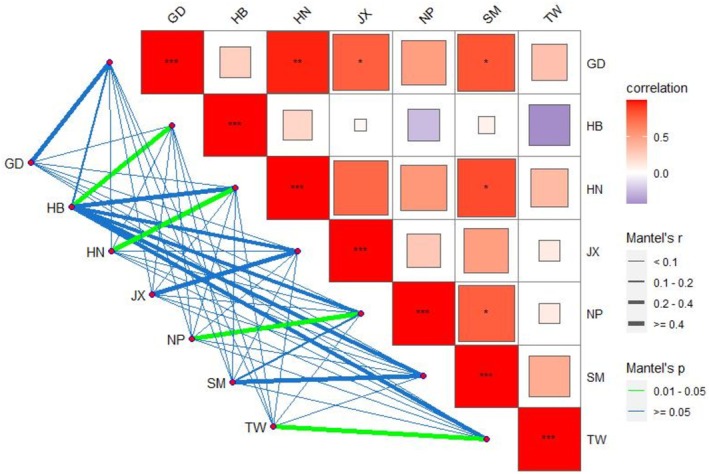 Figure 1
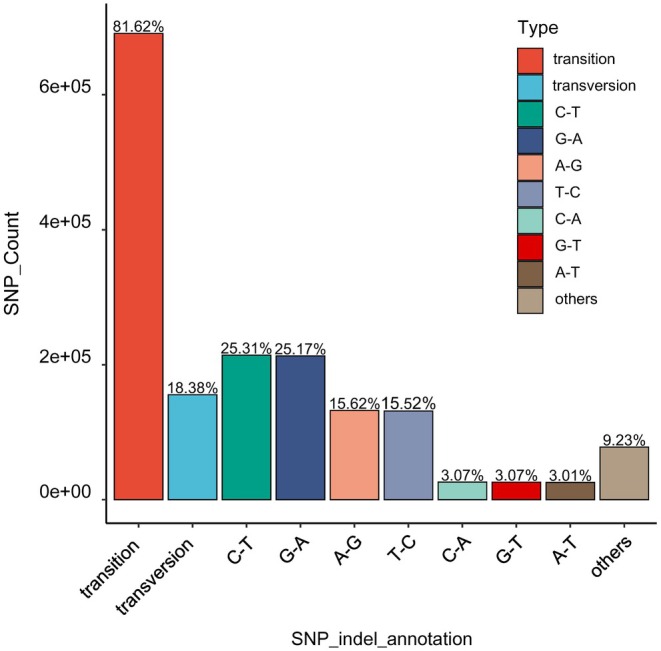 Figure 2
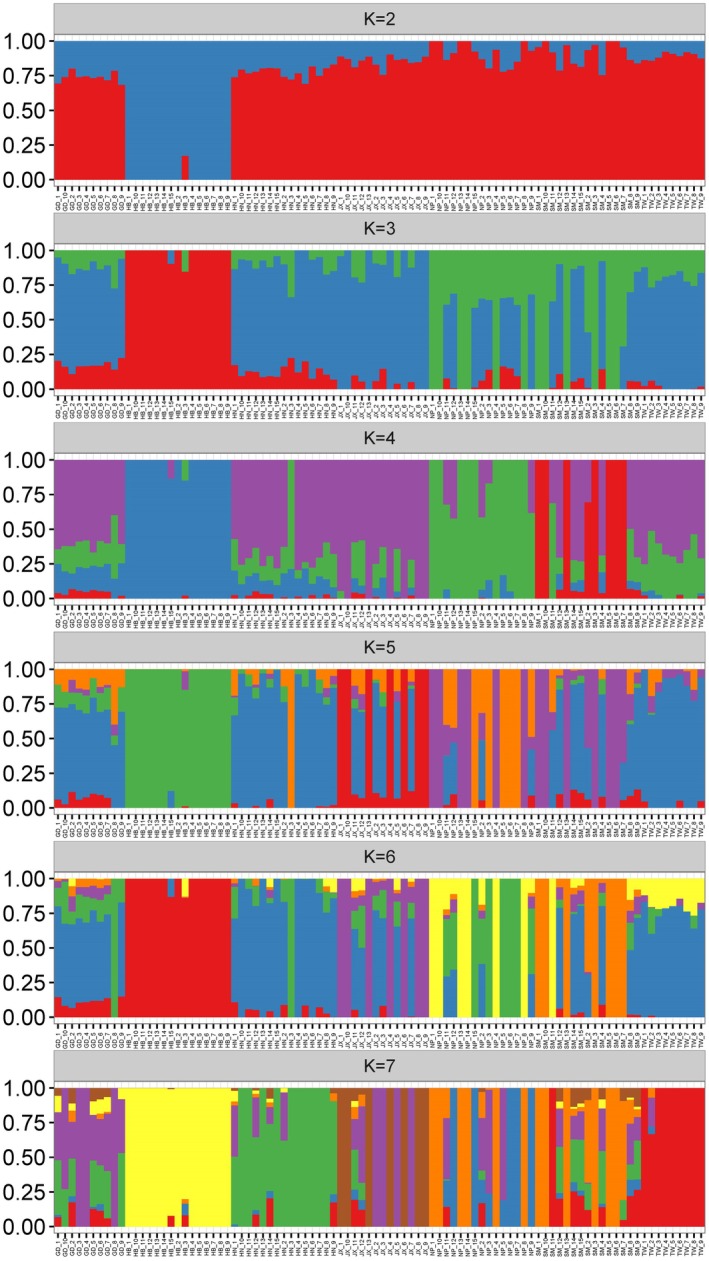 Figure 3
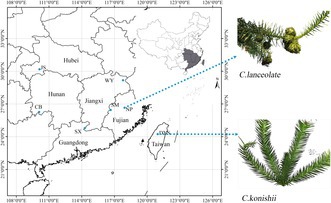 Figure 4
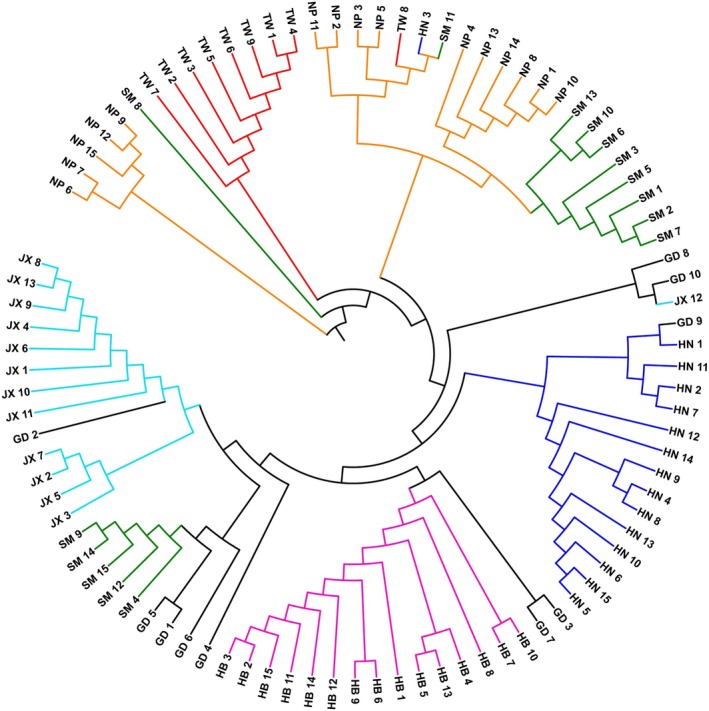 Figure 5
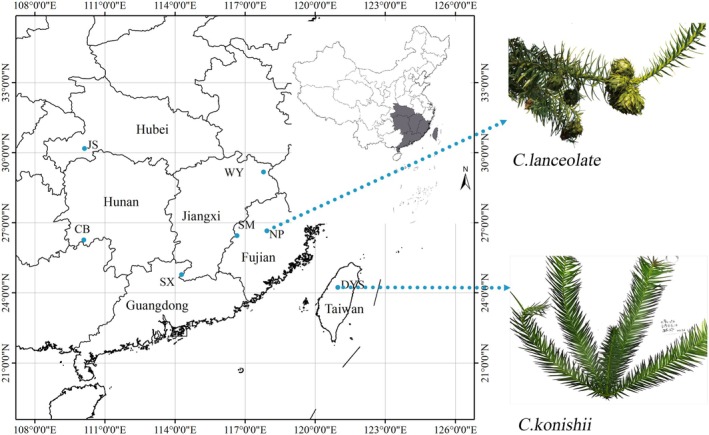 Figure 6
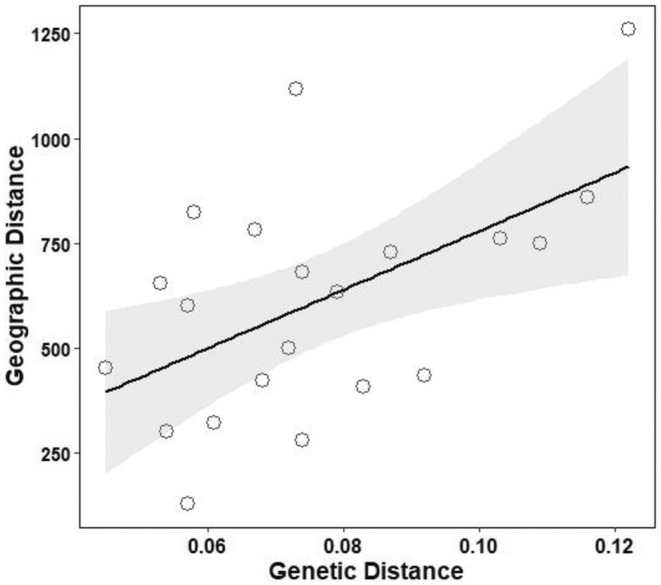 Figure 7
Peer Reviews
No public reviews on file for this paper yet. If you reviewed it on a platform where reviews are public (OpenReview, ICLR, NeurIPS, ICML), you can paste yours below so the community can read it here.
Videos
No videos yet. Explain this paper in a talk, walkthrough, or lecture? Add one.
Taxonomy
TopicsPlant Physiology and Cultivation Studies · Plant Gene Expression Analysis · Plant biochemistry and biosynthesis