Classics in abdominal radiology: the jumping deer sign
Samantha Elliott, Trent Taros, Adam Lustig

TL;DR
The jumping deer sign is an ultrasound pattern that helps identify liver anatomy and distinguish it from disease, improving diagnostic accuracy.
Contribution
Introduces the jumping deer sign as a novel ultrasound technique for liver anatomy identification and pathology differentiation.
Findings
The sign uses the portal vein, gallbladder, and IVC to distinguish normal anatomy from pathology.
It improves diagnostic accuracy, especially for clinicians with limited ultrasound experience.
Helps differentiate portal veins from intrahepatic ducts, aiding in diagnosing portal hypertension.
Abstract
The “jumping deer sign” is an ultrasonographic pattern that aids in identifying normal liver anatomy and distinguishing it from pathology. It includes the portal vein (deer’s head and body), the gallbladder or cystic duct (tail), and the inferior vena cava (obstacle). This sign helps differentiate portal veins from intrahepatic ducts, crucial for diagnosing conditions like portal hypertension. It also assists in identifying gallbladder pathologies and assessing the IVC for hydration status. The jumping deer sign provides a clear reference for clinicians, improving diagnostic accuracy, especially for those with limited ultrasound experience.
Genes, proteins, chemicals, diseases, species, mutations and cell lines named across the full text — each resolved to its canonical identifier and authoritative record.
Click any figure to enlarge with its caption.
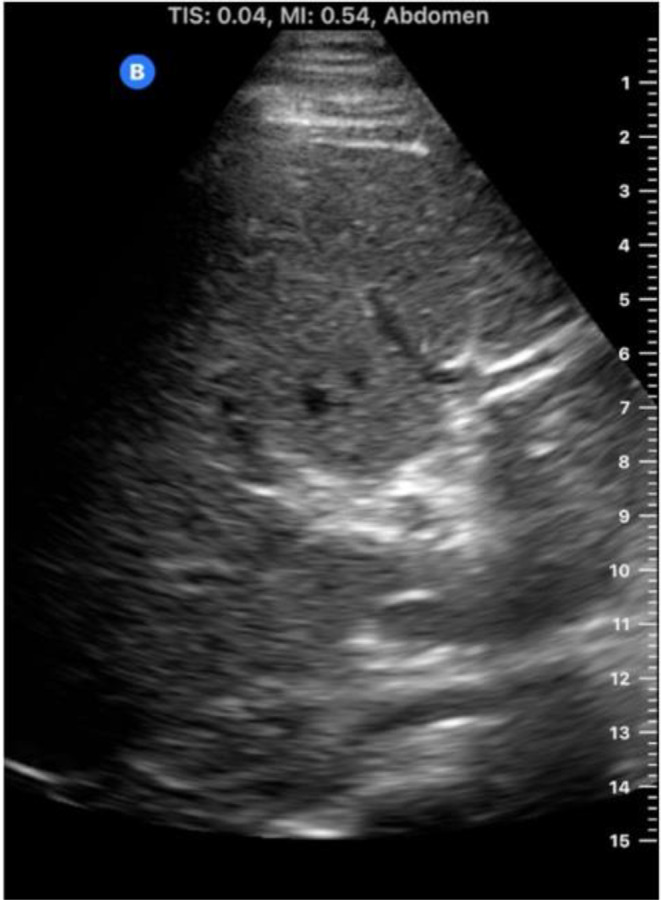 Figure 1
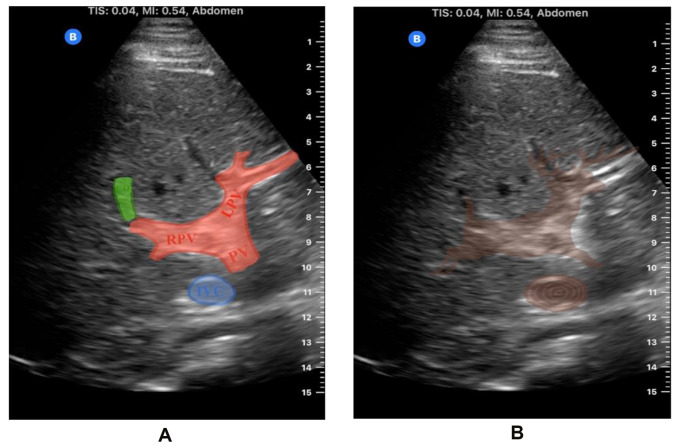 Figure 2
Peer Reviews
No public reviews on file for this paper yet. If you reviewed it on a platform where reviews are public (OpenReview, ICLR, NeurIPS, ICML), you can paste yours below so the community can read it here.
Videos
No videos yet. Explain this paper in a talk, walkthrough, or lecture? Add one.
Taxonomy
TopicsLiver Disease Diagnosis and Treatment · Gallbladder and Bile Duct Disorders · Abdominal Trauma and Injuries