Correlation Between Propulsive Velocity, Maximum Velocity, and Power and the 2D:4D Ratio in Paralympic Powerlifting Athletes
Álvaro Fontes da Silva Neto, Felipe J. Aidar, Ângelo de Almeida Paz, Jymmys L. Santos, Raphael Fabricio de Souza, Paulo Francisco de Almeida-Neto, Koulla Parpa, Breno Guilherme de Araújo Tinoco Cabral, Anderson Carlos Marçal, Georgian Badicu

TL;DR
This study explores how finger length ratios relate to strength performance in Paralympic powerlifting athletes.
Contribution
The study identifies moderate correlations between 2D:4D ratios and dynamic strength indicators in Paralympic powerlifting.
Findings
Moderate correlations were found between MPV 45% and 4D (r = 0.551, p = 0.027).
Power 80% showed moderate correlations with L2 (r = 0.542, p = 0.030).
No overall correlation was found between 2D:4D ratios and dynamic strength indicators.
Abstract
Background: Among the strength sports we have Paralympic powerlifting, and the factors that influence strength have been investigated; among them is the relationship between strength and the ratio of the size of the second and fourth fingers of the hand (2D:4D). Objectives: The study is aimed at evaluating the relationship between the 2D:4D finger length ratio and the dynamic strength indicators, mean propulsive velocity (MPV), maximum velocity (Vmax), and power, with loads of 45% and 80% of one repetition maximum (1RM), in Paralympic powerlifting. Methodology: Sixteen elite Paralympic powerlifting athletes were evaluated for dynamic strength indicators, MPV, Vmax, and power, with loads of 45% and 80% 1RM. The 2D:4D proportions and correlations between the indicators were evaluated of 2D:2D ratios and dynamic strength indicators. Results: Moderate correlations were found between MPV…
Genes, proteins, chemicals, diseases, species, mutations and cell lines named across the full text — each resolved to its canonical identifier and authoritative record.
Click any figure to enlarge with its caption.
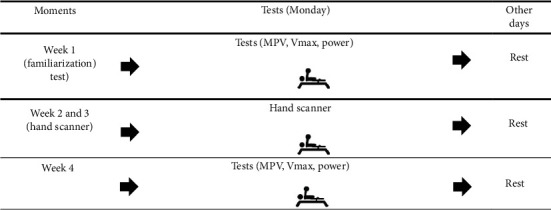 Figure 1
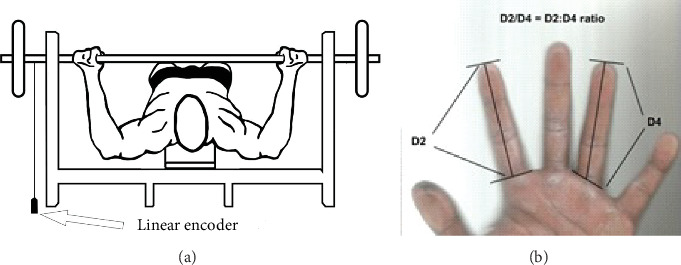 Figure 2
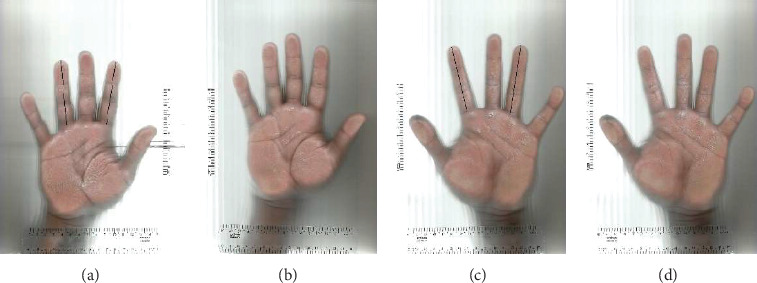 Figure 3
Peer Reviews
No public reviews on file for this paper yet. If you reviewed it on a platform where reviews are public (OpenReview, ICLR, NeurIPS, ICML), you can paste yours below so the community can read it here.
Videos
No videos yet. Explain this paper in a talk, walkthrough, or lecture? Add one.
Taxonomy
TopicsSexual Differentiation and Disorders · Sperm and Testicular Function · Genetic and Clinical Aspects of Sex Determination and Chromosomal Abnormalities