Assessing the Safety of Combined Therapy, Croton membranaceus and Tamsulosin, in the Self-Prescribed Treatment Protocol for Benign Prostatic Hyperplasia
Cosmos Gborsong, George A. Asare, Robert A. Ngala, Christian Obirikorang, Josephine Ablakwa, Bernice Asiedu, Samuel Adjei, Osei Afriyie, Daniel Afriyie, Mokbul Hossain, Munmun Pervin, Md. Mahmudul Alam, Mst. Antora Akter, Mohammed Habibur Rahman

TL;DR
This study tested the safety of combining a herbal extract and a drug for prostate enlargement in rats, finding no extra benefit from the combination.
Contribution
The study evaluates the safety and efficacy of combining Croton membranaceus and tamsulosin for BPH treatment in an animal model.
Findings
The combination of low-dose CM and tamsulosin reduced PSA levels compared to the control group.
Higher doses of CM combined with tamsulosin caused structural changes in prostate acini with reduced activity.
Relative organ weights were found to be a better evaluation metric than total organ weights for BPH treatment assessment.
Abstract
Background: The safety of combining tamsulosin (an allopathic drug) and Croton membranaceus aqueous extract, a medicinal plant for managing benign prostatic hyperplasia (BPH), was investigated. Methods: The roots of CM were used and processed into a water extract by maceration and decoction. Thirty-five Sprague Dawley rats were divided into seven groups of five rats each. Groups 2–7 were orchidectomy/testosterone injections BPH-induced. Group 1 was designated as the control group. Group 2 was designated as the model group (untreated). Group 3 was treated with 0.03 mg/kg b.wt. of tamsulosin. Group 4 received 30 mg/kg b.wt. of CM (low dose [LD]). Group 5 received 300 mg/kg b.wt. of CM (high dose [HD]); Group 6 received 0.03 mg/kg b.wt. of tamsulosin plus 30 mg/kg b.wt. of CM. Group 7 received 0.03 mg/kg b.wt. plus 300 mg/kg b.wt. of CM. Tamsulosin and CM were administered by oral gavage…
Genes, proteins, chemicals, diseases, species, mutations and cell lines named across the full text — each resolved to its canonical identifier and authoritative record.
Click any figure to enlarge with its caption.
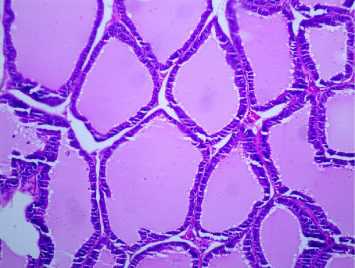 Figure 1
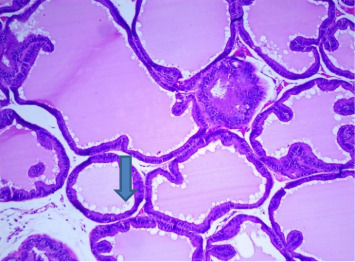 Figure 2
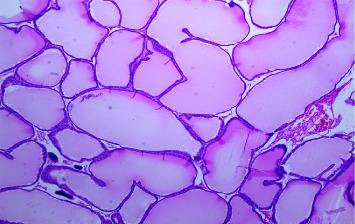 Figure 3
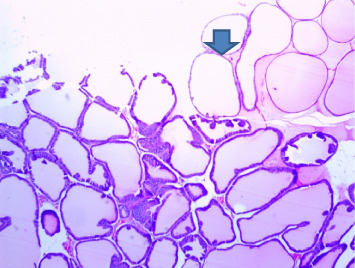 Figure 4
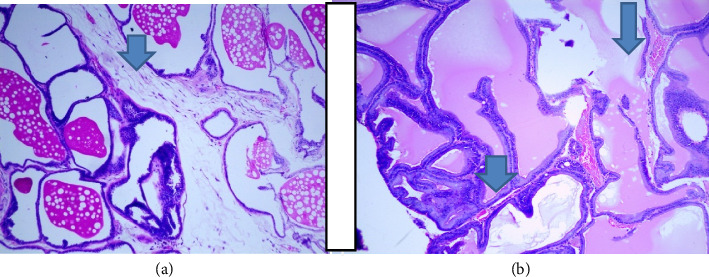 Figure 5
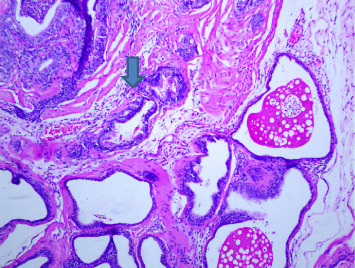 Figure 6
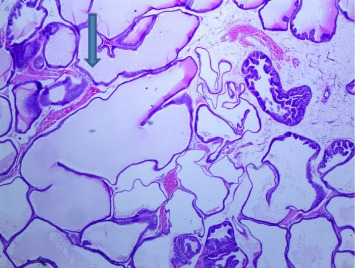 Figure 7
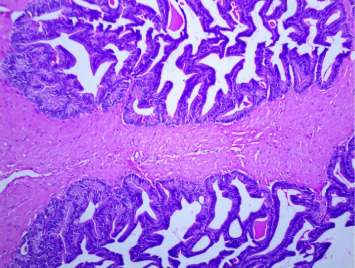 Figure 8
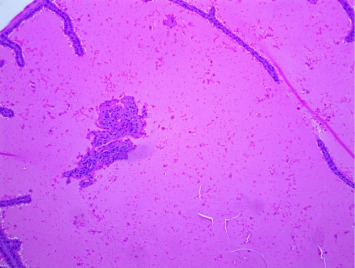 Figure 9
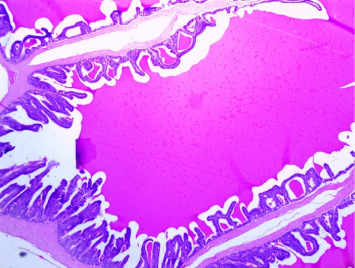 Figure 10
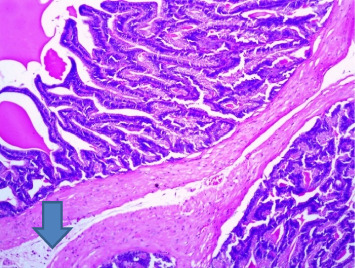 Figure 11
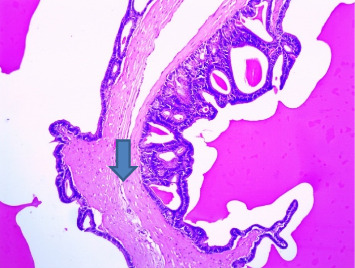 Figure 12
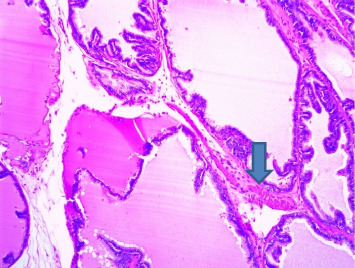 Figure 13
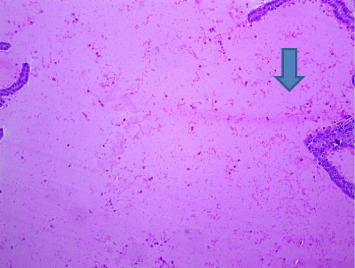 Figure 14
Peer Reviews
No public reviews on file for this paper yet. If you reviewed it on a platform where reviews are public (OpenReview, ICLR, NeurIPS, ICML), you can paste yours below so the community can read it here.
Videos
No videos yet. Explain this paper in a talk, walkthrough, or lecture? Add one.
Taxonomy
TopicsUrinary Bladder and Prostate Research · Plant Toxicity and Pharmacological Properties · Healthcare and Venom Research