Analysis of Gene Regulatory Networks of Taro (Colocasia esculenta (L.) Schott.) Soluble Starch Synthase Based on DeGN and KASP Marker Development
Lu Jiang, Jianmei Yin, Li Wang, Xiaoyong Han, Peitong Zhang

TL;DR
This study identifies key genes and a new marker for starch synthesis in taro, which can help breed high-starch varieties.
Contribution
The study develops a KASP marker for starch content and identifies CeSS II and CeMyb108 as key genes in taro starch synthesis.
Findings
CeSS II is likely the key gene for soluble starch synthesis in taro corms.
CeMyb108 may negatively regulate starch synthesis.
The CeSS II-SNP KASP marker effectively distinguishes high- and low-starch taro varieties.
Abstract
Taro (Colocasia esculenta (L.) Schott.) is an important edible and economically valuable crop that is also a source of high-quality starch. Its quality is determined by the content and proportion of amylopectin. Based on transcriptome sequencing of corms at different growth stages (T1–T6), 34,603 transcripts and 1727 novel genes with functional annotation were obtained. In total, 11,865 differentially expressed genes (DEGs) were identified among six development stages, with 3836 and 3404 DEGs in T2 versus T3 and T3 versus T4, respectively. The regulatory network of taro starch synthesis was constructed on the DeGNServer. Among three cloned soluble starch synthase (SS) genes, CeSS II might be the key gene responsible for soluble starch synthesis in taro corm. The putative transcription factor CeMyb108 might play a negative role in starch synthesis. Sanger sequencing CeSS II gene revealed…
Genes, proteins, chemicals, diseases, species, mutations and cell lines named across the full text — each resolved to its canonical identifier and authoritative record.
Click any figure to enlarge with its caption.
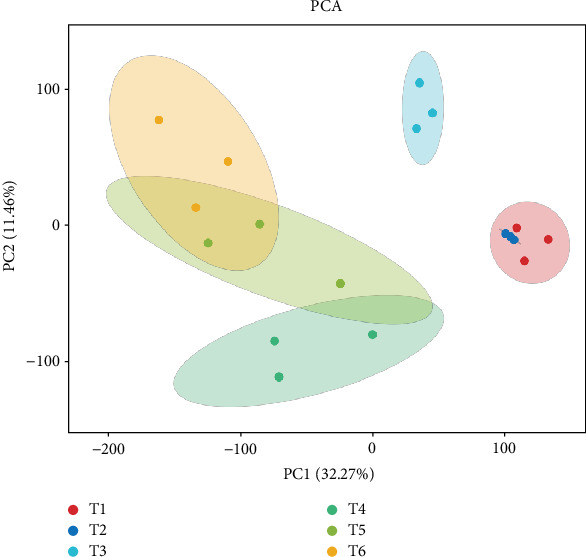 Figure 1
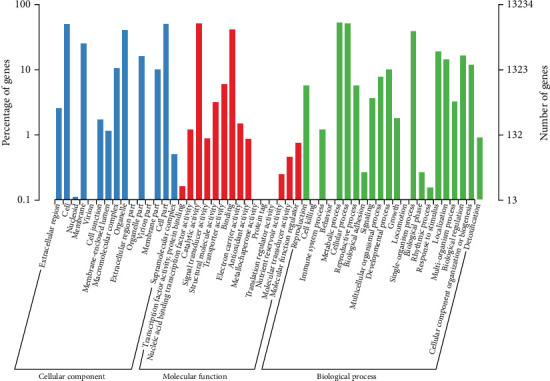 Figure 2
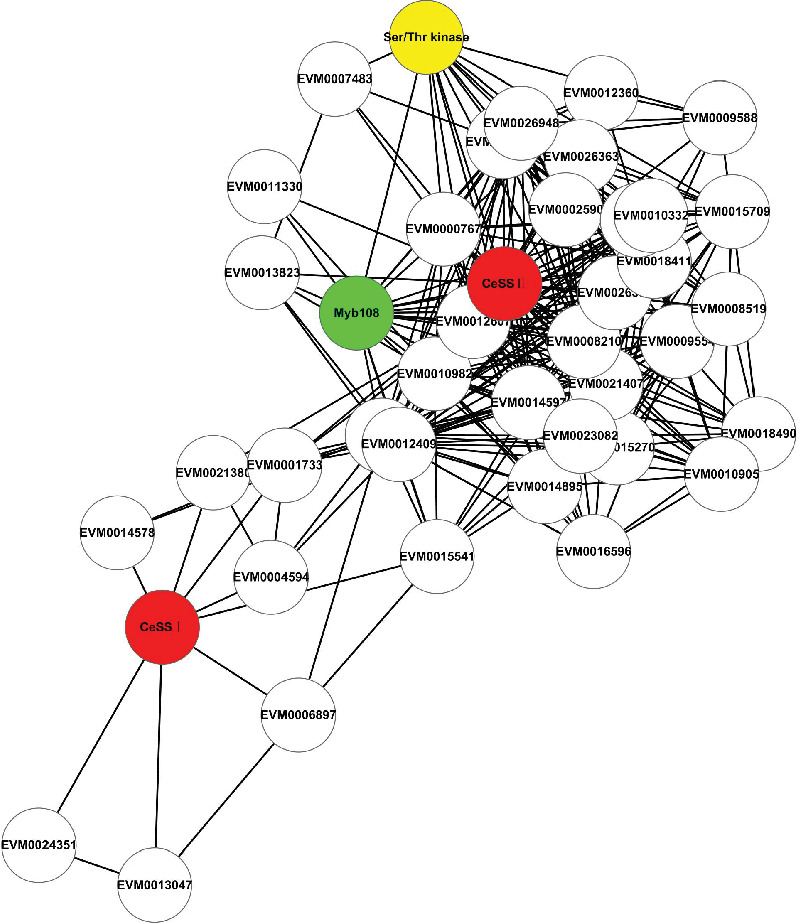 Figure 3
 Figure 4
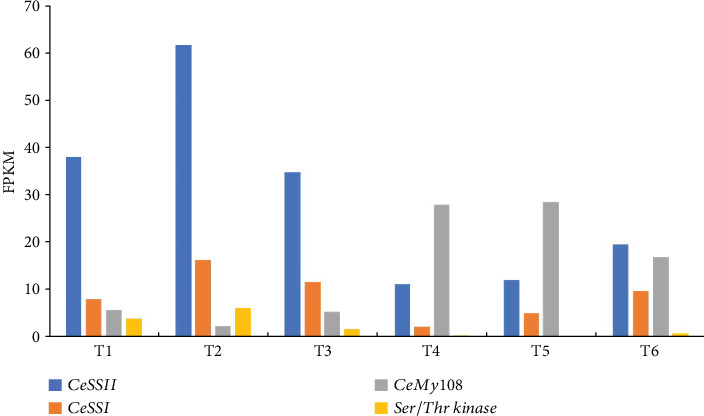 Figure 5
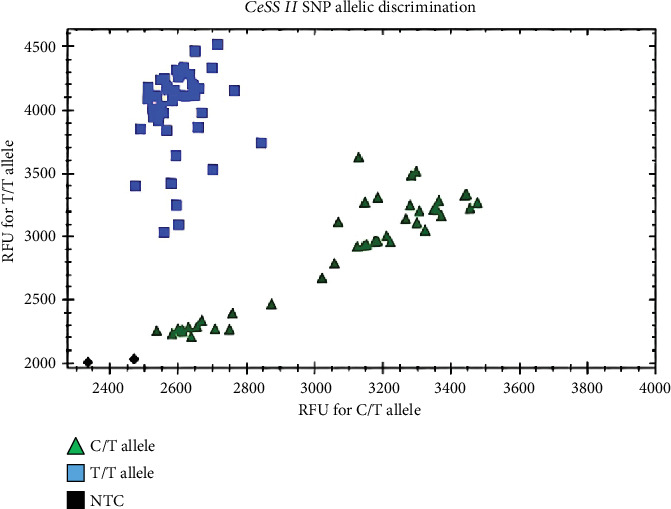 Figure 6
Peer Reviews
No public reviews on file for this paper yet. If you reviewed it on a platform where reviews are public (OpenReview, ICLR, NeurIPS, ICML), you can paste yours below so the community can read it here.
Videos
No videos yet. Explain this paper in a talk, walkthrough, or lecture? Add one.
Taxonomy
TopicsPacific and Southeast Asian Studies · Cassava research and cyanide · Food composition and properties