Improving fishing ground estimation with weak supervision and meta-learning
Kazuki Takasan, Masaaki Iiyama, Lei Chu, Lei Chu, Lei Chu, Lei Chu

TL;DR
This paper improves fishing ground estimation by combining weak supervision and meta-learning to overcome limited catch data.
Contribution
A novel training strategy using weak supervision and meta-learning for fishing ground estimation with limited labeled data.
Findings
Using trajectory data with weak supervision improved model performance significantly.
Meta-learning helped reduce label noise during pre-training, enhancing overall accuracy.
The proposed method achieved a 64% improvement in F1-score over the baseline.
Abstract
Estimating fishing grounds is an important task in the fishing industry. This study modeled the fisher’s decision-making process based on sea surface temperature patterns as a pattern recognition task. We used a deep learning-based keypoint detector to estimate fishing ground locations from these patterns. However, training the model required catch data for annotation, the amount of which was limited. To address this, we proposed a training strategy that combines weak supervision and meta-learning to estimate fishing grounds. Weak supervision involves using partially annotated or noisy data, where the labels are incomplete or imprecise. In our case, catch data cover only a subset of fishing grounds, and trajectory data, which are readily available and larger in volume than catch data, provide imprecise representations of fishing grounds. Meta-learning helps the model adapt to the noise…
Genes, proteins, chemicals, diseases, species, mutations and cell lines named across the full text — each resolved to its canonical identifier and authoritative record.
Click any figure to enlarge with its caption.
 Figure 1
 Figure 2
 Figure 3
 Figure 4
 Figure 5
 Figure 6
 Figure 7
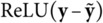 Figure 8
 Figure 9
 Figure 10
 Figure 11
 Figure 12
 Figure 13
 Figure 14
 Figure 15
 Figure 16
 Figure 17
 Figure 18
 Figure 19
 Figure 20
 Figure 21
 Figure 22
 Figure 23
 Figure 24
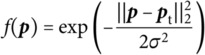 Figure 25
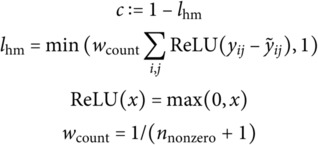 Figure 26
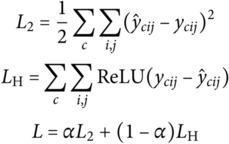 Figure 27
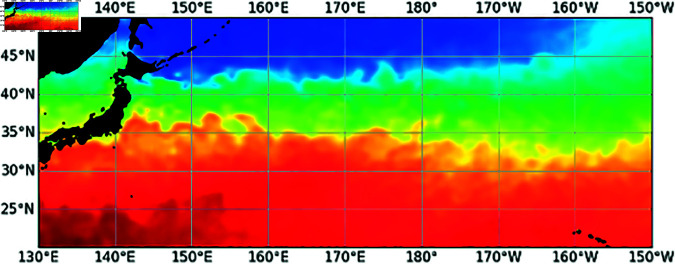 Figure 28
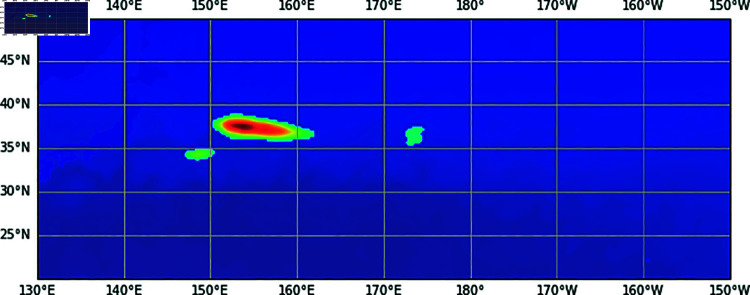 Figure 29
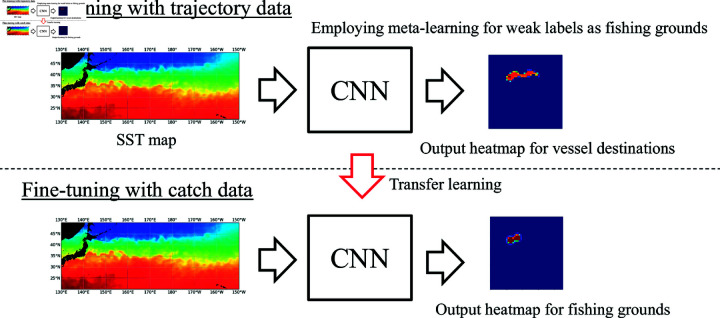 Figure 30
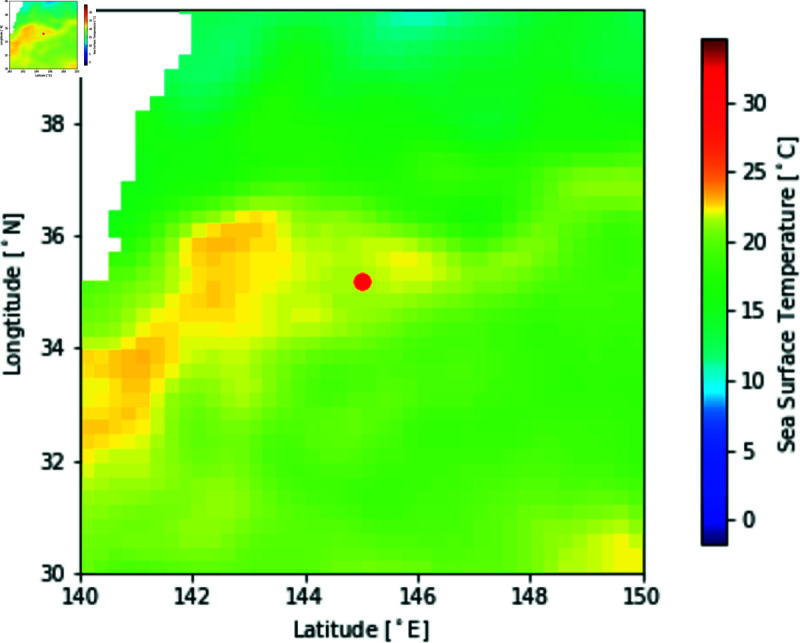 Figure 31
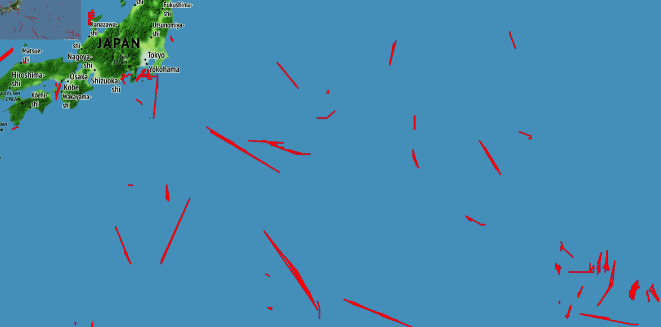 Figure 32
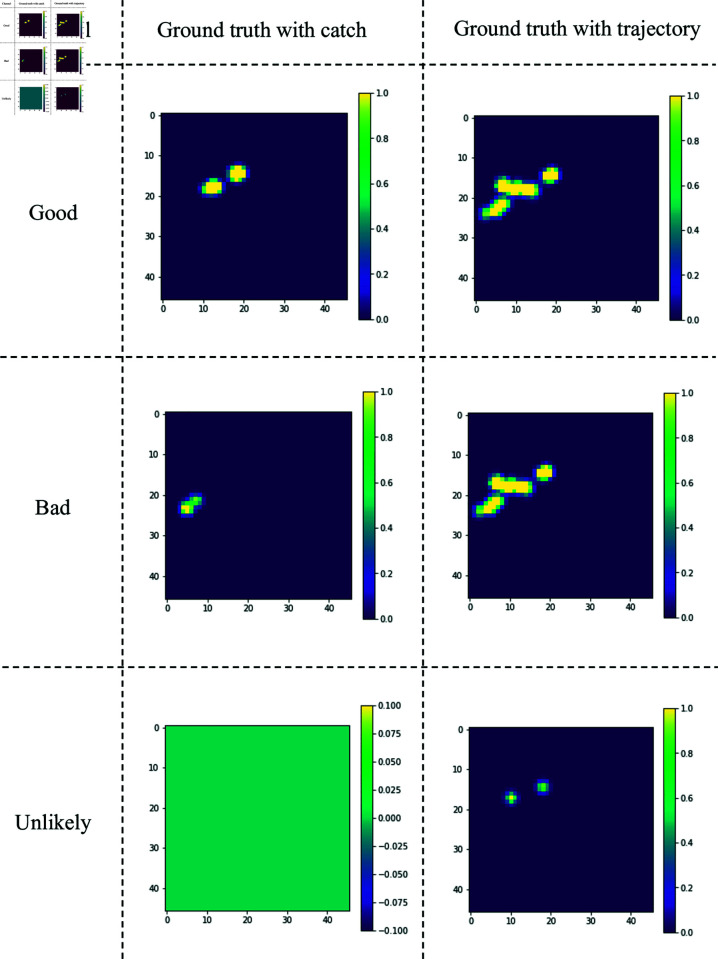 Figure 33
 Figure 34
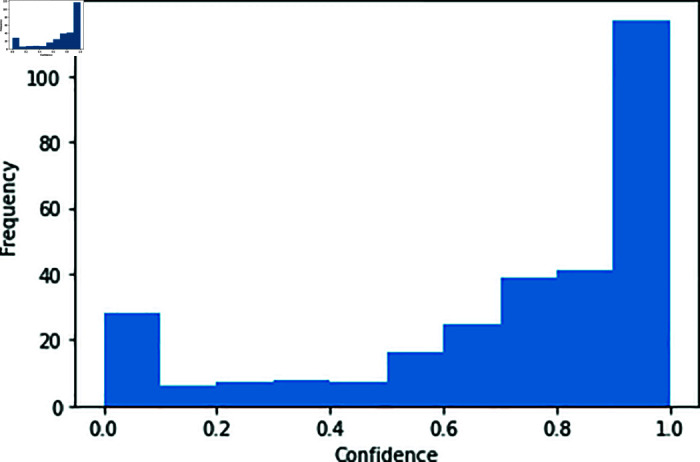 Figure 35
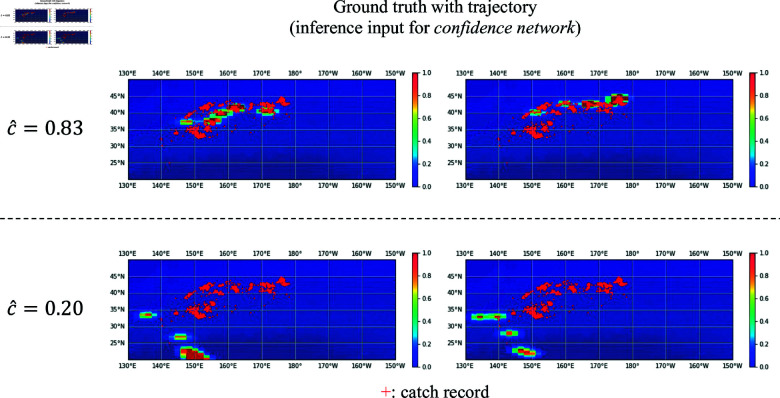 Figure 36
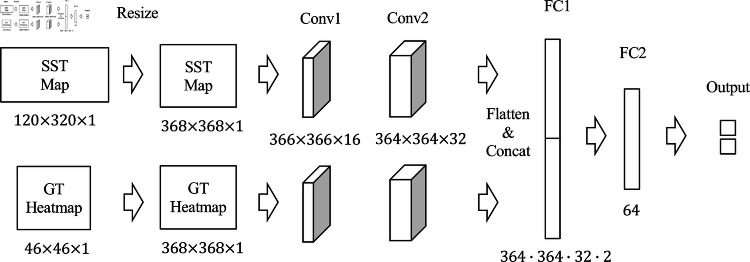 Figure 37
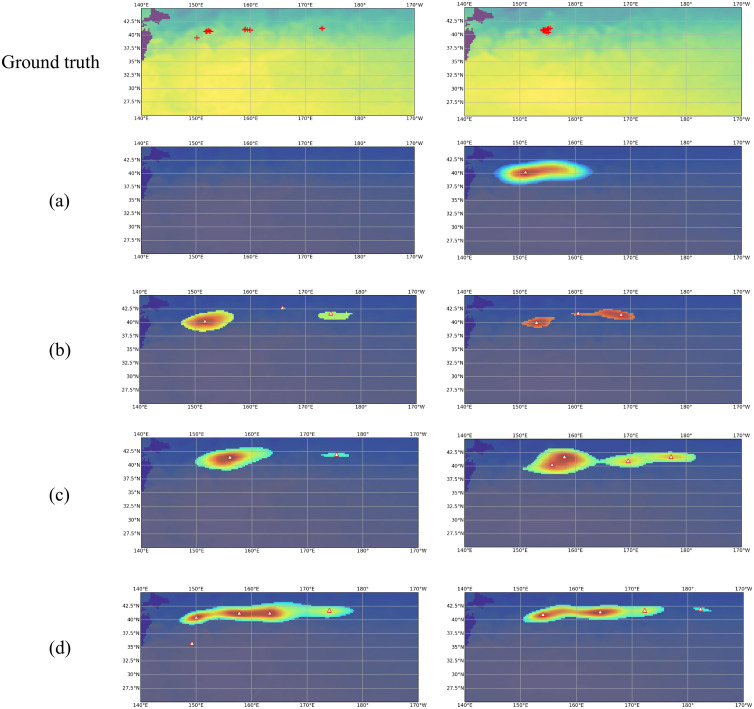 Figure 38
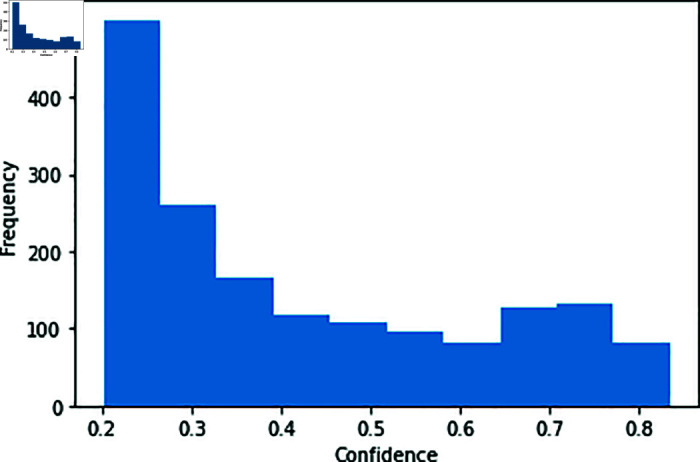 Figure 39
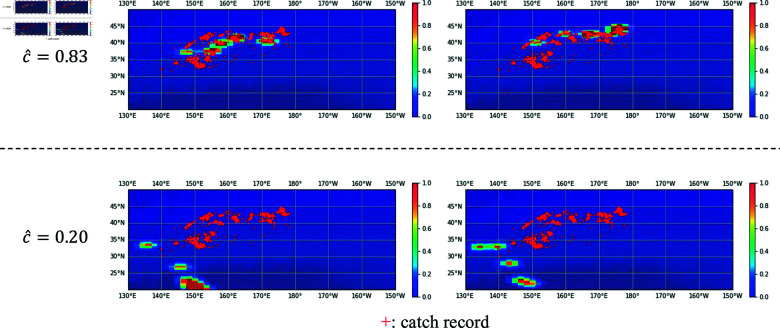 Figure 40
 Figure 41
 Figure 42
 Figure 43
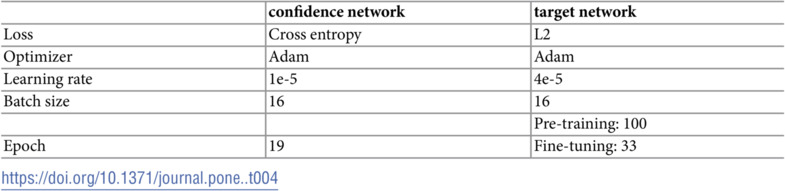 Figure 44
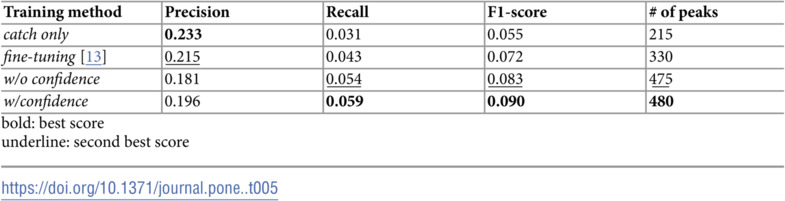 Figure 45
 Figure 46
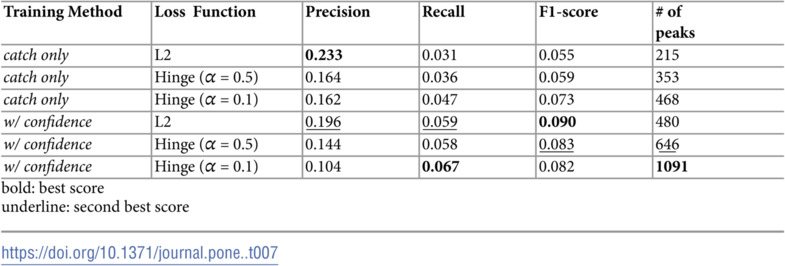 Figure 47
Peer Reviews
No public reviews on file for this paper yet. If you reviewed it on a platform where reviews are public (OpenReview, ICLR, NeurIPS, ICML), you can paste yours below so the community can read it here.
Videos
No videos yet. Explain this paper in a talk, walkthrough, or lecture? Add one.
Taxonomy
TopicsMarine and fisheries research · Marine animal studies overview · Coral and Marine Ecosystems Studies