Advanced Phosphorus–Protein Hybrid Coatings for Fire Safety of Cotton Fabrics, Developed Through the Layer-by-Layer Assembly Technique
Xuqi Yang, Xiaolu Li, Wenwen Guo, Abbas Mohammadi, Marjan Enetezar Shabestari, Rui Li, Shuyi Zhang, Ehsan Naderi Kalali

TL;DR
Researchers developed an eco-friendly, bio-based flame retardant coating for cotton fabrics using a layer-by-layer method, significantly improving fire safety and reducing smoke and heat release.
Contribution
A novel phosphorus–protein hybrid coating is introduced for sustainable fire protection of cotton fabrics.
Findings
The phosphorus–protein coating forms a crosslinked network that enhances thermal stability and fire resistance.
Flame-retarded cotton showed 25% lower peak heat release rate, 54% lower total heat release, and 72% lower total smoke production.
The coating results in higher char residue, improving overall flame-retardant performance.
Abstract
An advanced, eco-friendly, and fully bio-based flame retardant (FR) system has been created and applied to the cellulose structure of the cotton fabric through a layer-by-layer coating method. This study examines the flame-retardant mechanism of protein-based and phosphorus-containing coatings to improve fire resistance. During combustion, the phosphate groups (−PO₄2−) in phosphorus containing flame retardant layers interact with the amino groups (–NH2) of protein, forming ester bonds, which results in the generation of a crosslinked network between the amino groups and the phosphate groups. This structure greatly enhances the thermal stability of the residual char, hence improving fire resistance. Cone calorimeter and flammability tests show significant improvements in fire safety, including lower peak heat release rates, reduced smoke production, and higher char residue, all…
Genes, proteins, chemicals, diseases, species, mutations and cell lines named across the full text — each resolved to its canonical identifier and authoritative record.
Click any figure to enlarge with its caption.
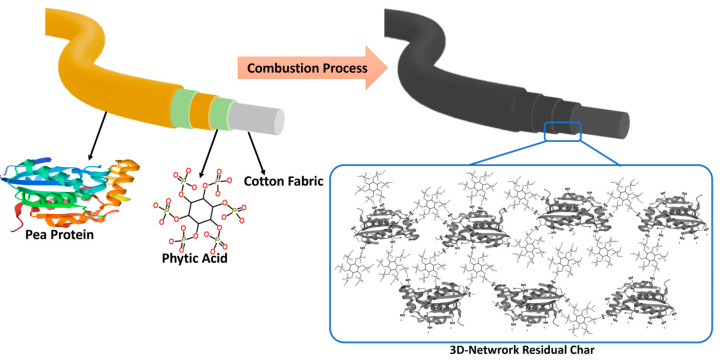 Figure 1
 Figure 2
 Figure 3
 Figure 4
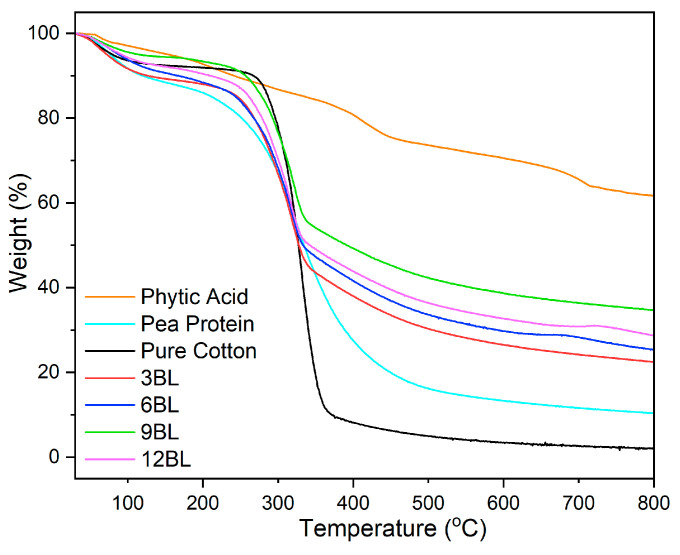 Figure 5
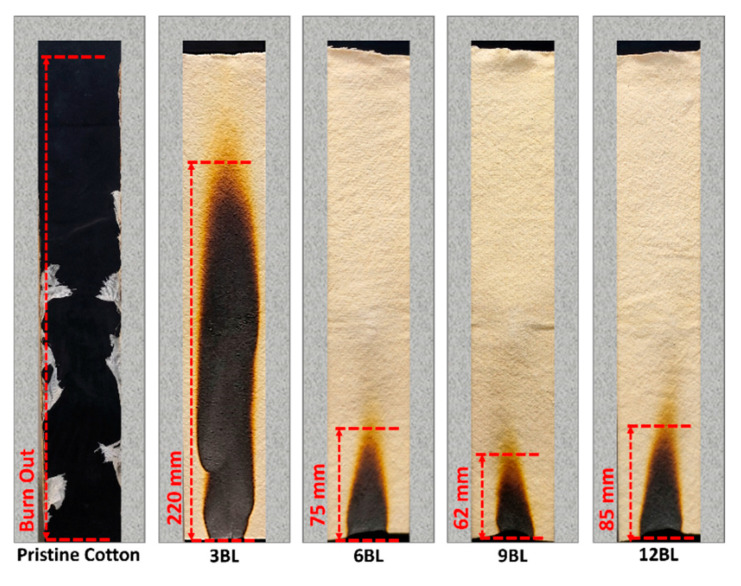 Figure 6
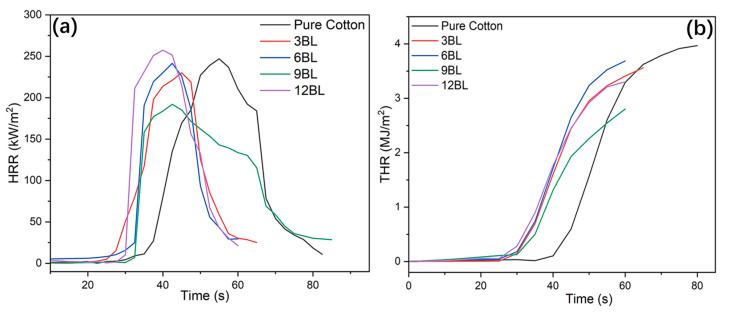 Figure 7
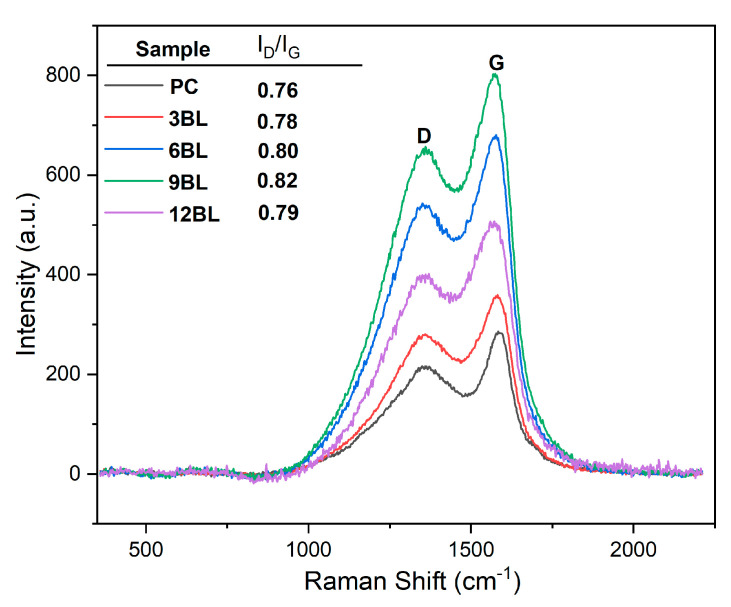 Figure 8
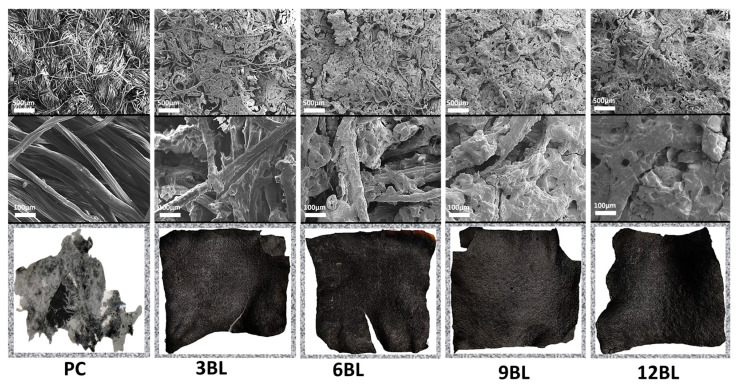 Figure 9
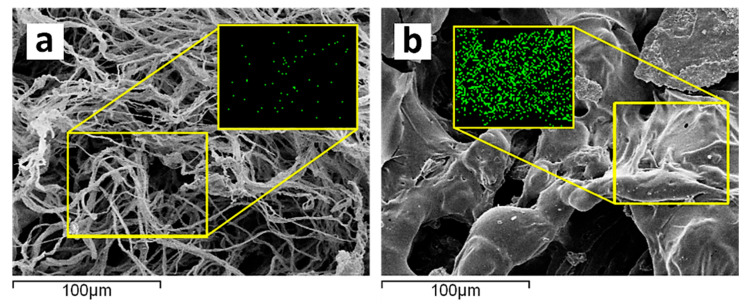 Figure 10
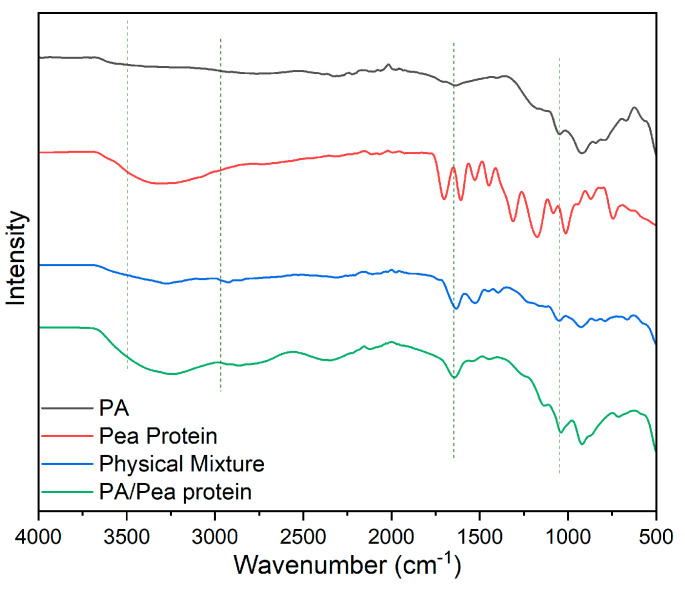 Figure 11
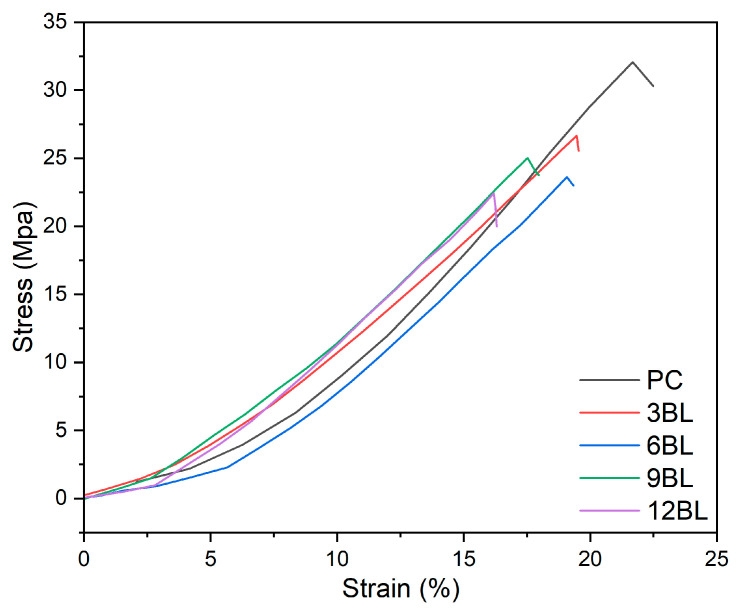 Figure 12
Peer Reviews
No public reviews on file for this paper yet. If you reviewed it on a platform where reviews are public (OpenReview, ICLR, NeurIPS, ICML), you can paste yours below so the community can read it here.
Videos
No videos yet. Explain this paper in a talk, walkthrough, or lecture? Add one.
Taxonomy
TopicsFlame retardant materials and properties · Fiber-reinforced polymer composites · Surface Modification and Superhydrophobicity