Real-Time Identification Algorithm of Daylight Space Debris Laser Ranging Data Based on Observation Data Distribution Model
Yang Liu, Xue Dong, Jian Gao, Bowen Guan, Yanning Zheng, Zhipeng Liang, Xingwei Han, He Dong

TL;DR
A new algorithm identifies space debris laser signals in daylight by analyzing statistical patterns, enabling real-time tracking in high-noise conditions.
Contribution
Proposes a statistical distribution-based method for real-time identification of weak laser echo signals in daylight.
Findings
The algorithm detects signals as low as 0.09 photons per pulse in high-noise conditions.
It achieves real-time identification within 1 second using a statistical distribution model.
The method outperforms traditional intensity threshold techniques.
Abstract
What are the main findings? A statistical distribution-based algorithm is proposed to distinguish weak echo signals from intense daylight background noise, achieving real-time identification of space debris laser ranging data within 1 s.The method successfully detects echo signals with intensities as low as 0.09 photons per pulse under high-noise conditions (background noise rate: 2 × 10⁷ photons/s), surpassing the traditional intensity threshold constraints. A statistical distribution-based algorithm is proposed to distinguish weak echo signals from intense daylight background noise, achieving real-time identification of space debris laser ranging data within 1 s. The method successfully detects echo signals with intensities as low as 0.09 photons per pulse under high-noise conditions (background noise rate: 2 × 10⁷ photons/s), surpassing the traditional intensity threshold…
Genes, proteins, chemicals, diseases, species, mutations and cell lines named across the full text — each resolved to its canonical identifier and authoritative record.
Click any figure to enlarge with its caption.
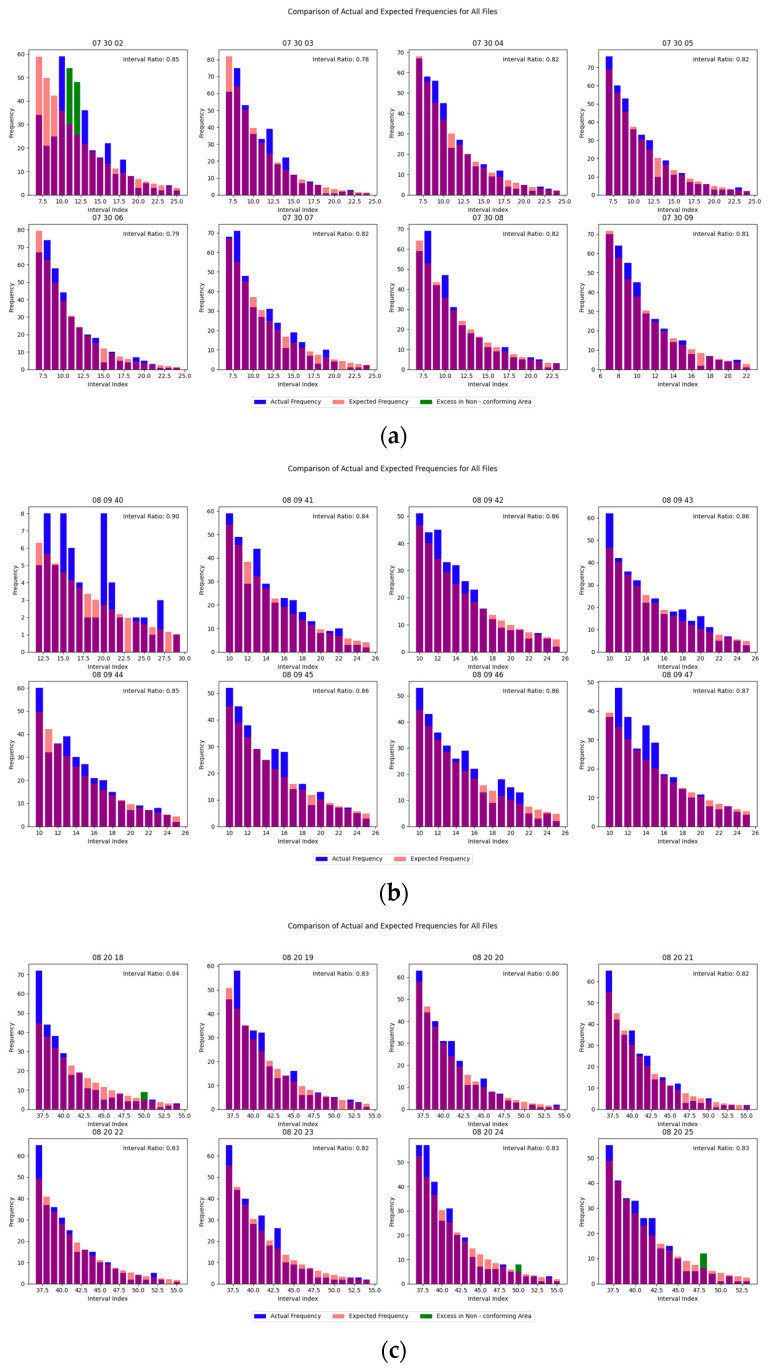 Figure 1
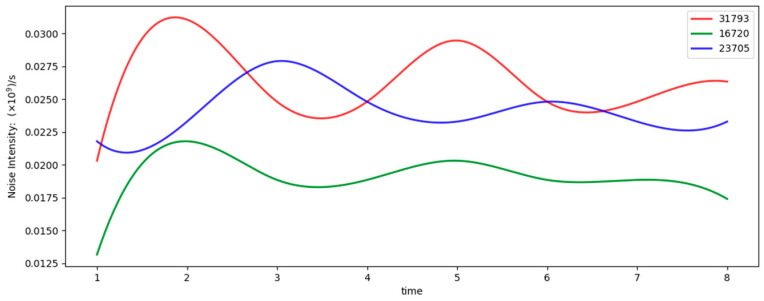 Figure 2
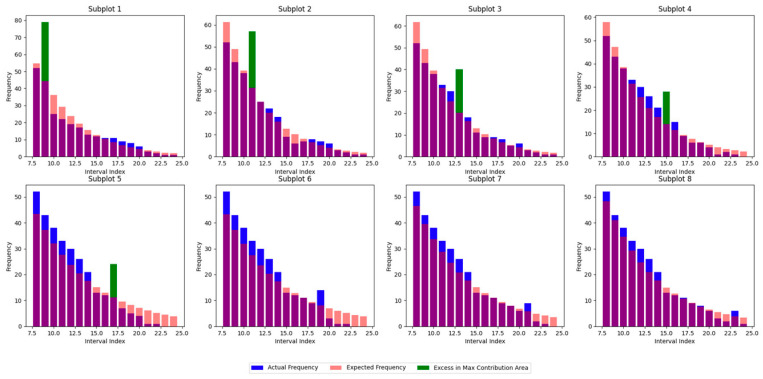 Figure 3
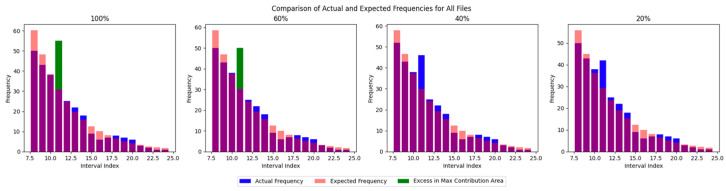 Figure 4
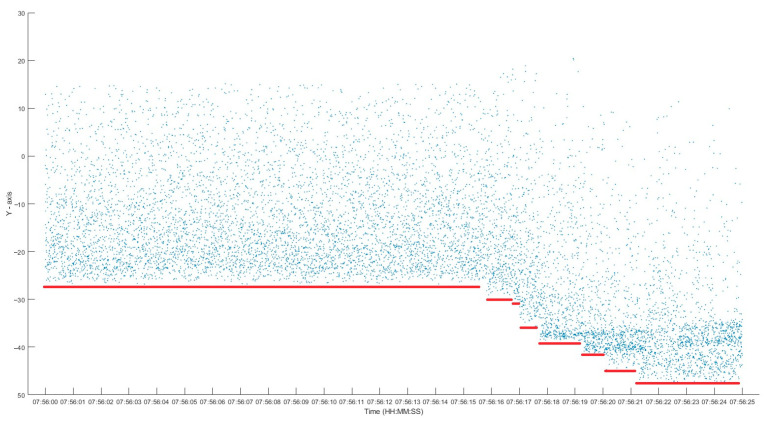 Figure 5
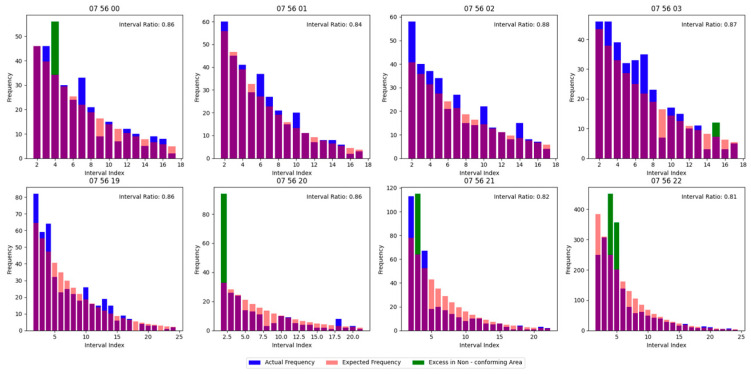 Figure 6
 Figure 7
Peer Reviews
No public reviews on file for this paper yet. If you reviewed it on a platform where reviews are public (OpenReview, ICLR, NeurIPS, ICML), you can paste yours below so the community can read it here.
Videos
No videos yet. Explain this paper in a talk, walkthrough, or lecture? Add one.
Taxonomy
TopicsOcular and Laser Science Research · Advanced Optical Sensing Technologies · Optical Systems and Laser Technology