Surface-Driven Phase Segregation in Conducting Polymer Thin Films Enables High Selectivity and Storage Stability of Chemiresistive Sensors in Humid Air
Jianan Weng, Wei Wu, Minghao Qian, Jiarui Zhang, Shuhua Zhang, Zhi Geng, Bo Zhu

TL;DR
Scientists improved chemiresistive sensors by making them more resistant to water vapor while keeping their sensitivity to harmful chemicals like organophosphates.
Contribution
A surface-driven phase-segregation strategy was developed to decouple water resistance and organophosphate sensitivity in conducting polymer sensors.
Findings
Increasing alkyl chain length improved water resistance but reduced organophosphate sensitivity.
Surface-driven phase segregation enriched alkyl chains on the surface and preserved HFIP groups underneath.
The optimized sensor showed 657 times higher response to DMMP than to water vapor and improved storage stability.
Abstract
Chemiresistive sensors integrated with functionalized conductive polymers have emerged as promising candidates for wearable applications, offering adequate protection against highly toxic and widely prevalent organophosphate compounds, due to their high sensitivity, room-temperature operation, and straightforward fabrication process. However, these chemiresistive sensors exhibit poor resistance to water vapor due to the intrinsic properties of these conducting polymers, likely leading to false sensor alarms. In this study, we engineered a series of water-vapor-resistant, yet organophosphate-sensitive, conducting polymers by electro-copolymerizing hexafluoroisopropanol (HFIP)-grafted 3,4-ethylenedioxythiophene (EDOT-HFIP) with EDOT comonomers bearing hydrophobic alkyl groups of varying lengths (ethyl, butyl, and hexyl). The typical results indicated that increasing the alkyl length and…
Genes, proteins, chemicals, diseases, species, mutations and cell lines named across the full text — each resolved to its canonical identifier and authoritative record.
Click any figure to enlarge with its caption.
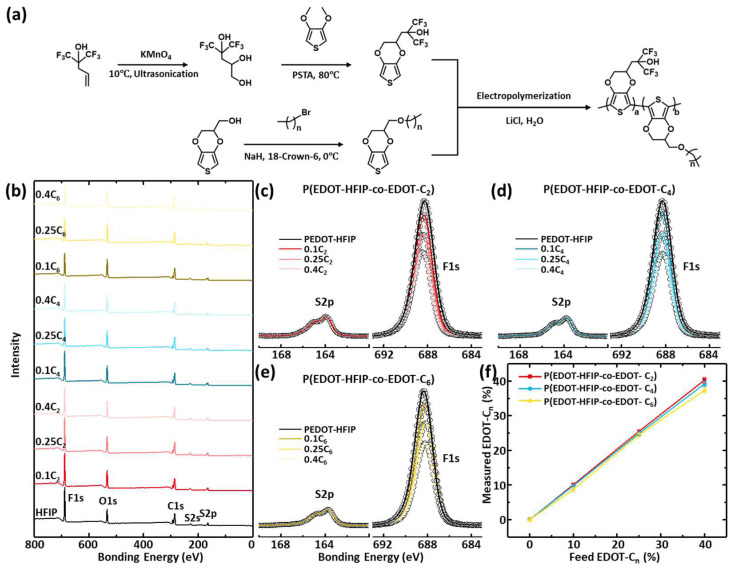 Figure 1
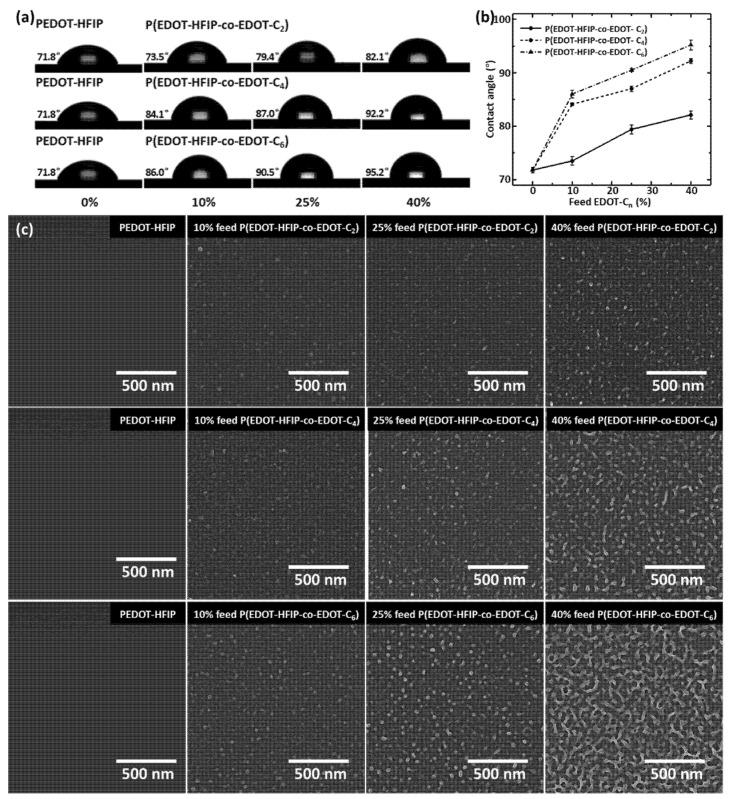 Figure 2
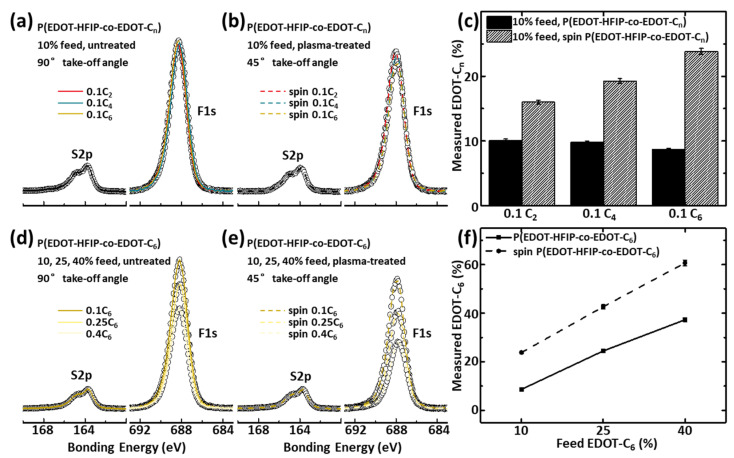 Figure 3
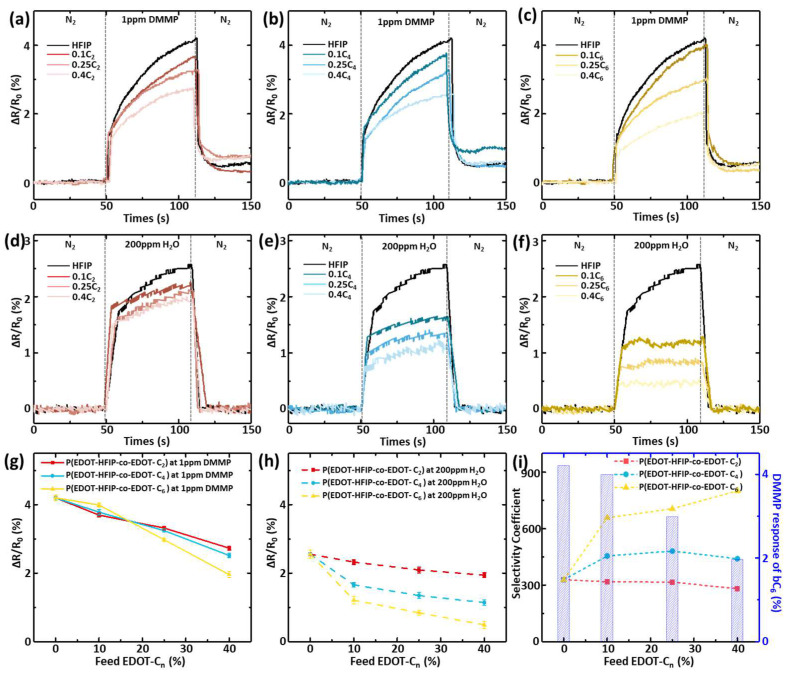 Figure 4
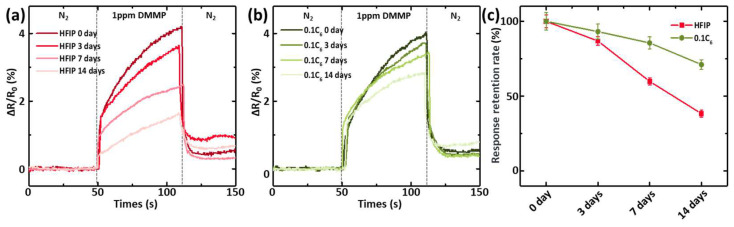 Figure 5
Peer Reviews
No public reviews on file for this paper yet. If you reviewed it on a platform where reviews are public (OpenReview, ICLR, NeurIPS, ICML), you can paste yours below so the community can read it here.
Videos
No videos yet. Explain this paper in a talk, walkthrough, or lecture? Add one.
Taxonomy
TopicsConducting polymers and applications · Analytical Chemistry and Sensors · Advanced Sensor and Energy Harvesting Materials