Improving Presentation Attack Detection Classification Accuracy: Novel Approaches Incorporating Facial Expressions, Backdrops, and Data Augmentation
Tayyaba Riaz, Adeel Anjum, Madiha Haider Syed, Semeen Rehman

TL;DR
This paper introduces a new teacher–student learning framework to improve the detection of presentation attacks in face recognition systems by incorporating facial expressions, backdrops, and data augmentation.
Contribution
A novel teacher–student framework is proposed to enhance PAD classification accuracy using minimalist attack data and enriched training techniques.
Findings
The proposed model outperforms existing PAD solutions in classification accuracy.
The framework demonstrates flexibility and effectiveness in novel attack scenarios.
Incorporating facial expressions and dynamic backgrounds improves detection performance.
Abstract
In the evolving landscape of biometric authentication, the integrity of face recognition systems against sophisticated presentation attacks (PAD) is paramount. This study set out to elevate the detection capabilities of PAD systems by ingeniously integrating a teacher–student learning framework with cutting-edge PAD methodologies. Our approach is anchored in the realization that conventional PAD models, while effective to a degree, falter in the face of novel, unseen attack vectors and complex variations. As a solution, we suggest a novel architecture where a teacher network, trained on a comprehensive dataset embodying a broad spectrum of attacks and genuine instances, distills knowledge to a student network. The student network, specifically focusing on the nuanced detection of genuine samples in target domains, leverages minimalist yet representative attack data. This methodology is…
Genes, proteins, chemicals, diseases, species, mutations and cell lines named across the full text — each resolved to its canonical identifier and authoritative record.
Click any figure to enlarge with its caption.
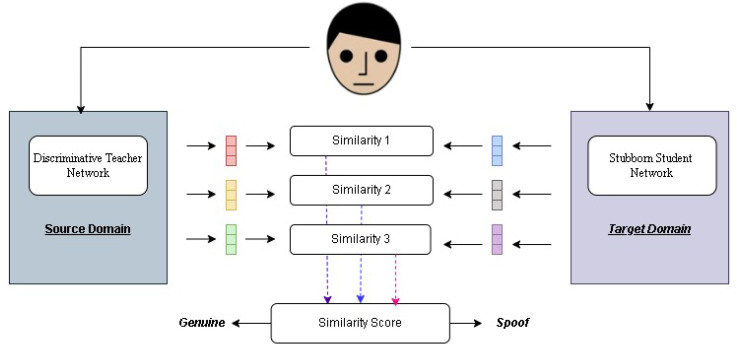 Figure 1
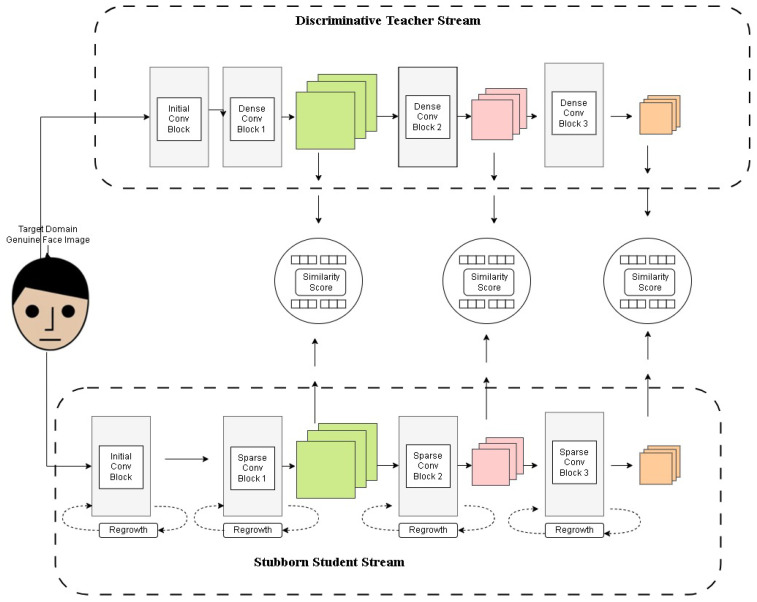 Figure 2
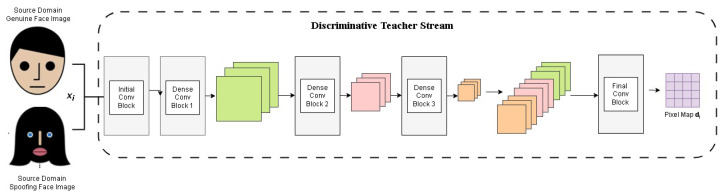 Figure 3
 Figure 4
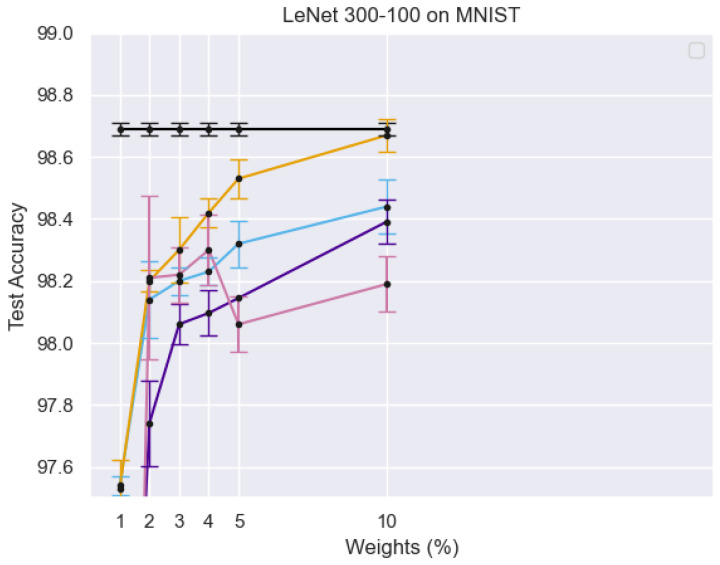 Figure 5
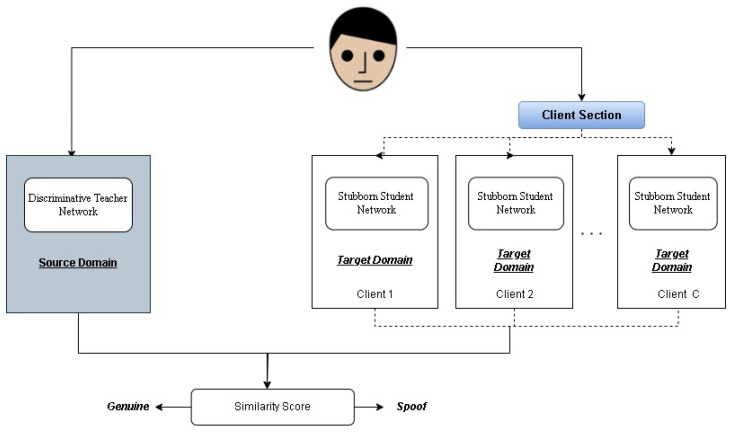 Figure 6
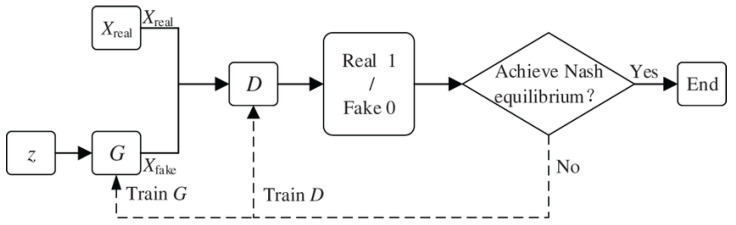 Figure 7
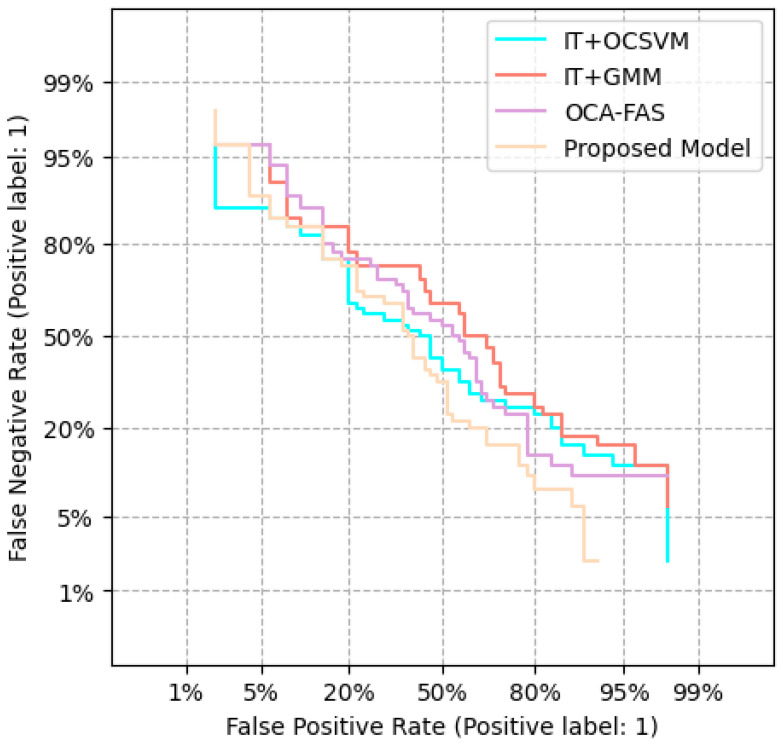 Figure 8
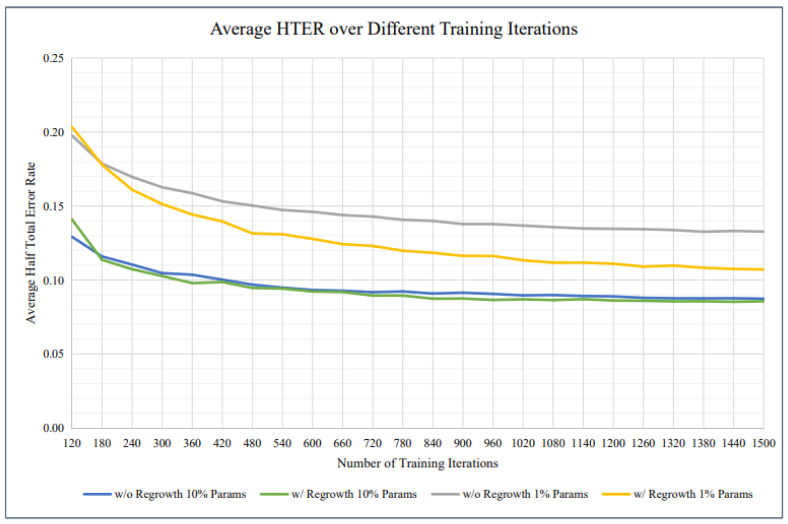 Figure 9
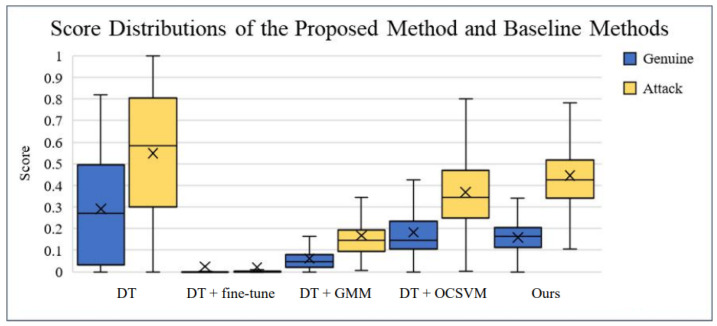 Figure 10
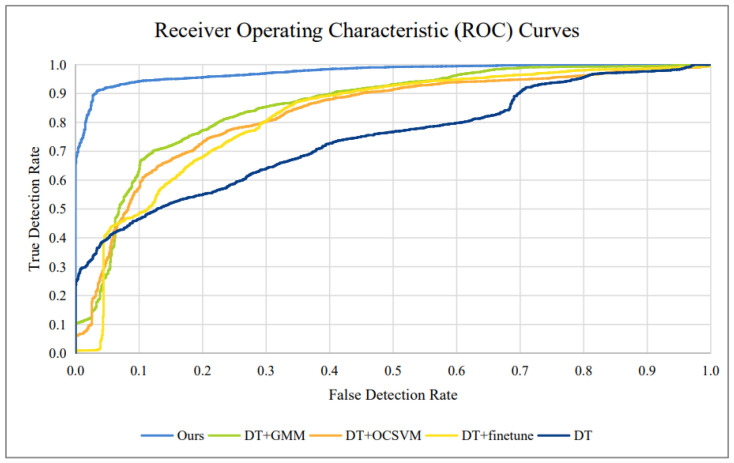 Figure 11
Peer Reviews
No public reviews on file for this paper yet. If you reviewed it on a platform where reviews are public (OpenReview, ICLR, NeurIPS, ICML), you can paste yours below so the community can read it here.
Videos
No videos yet. Explain this paper in a talk, walkthrough, or lecture? Add one.
Taxonomy
TopicsDigital Media Forensic Detection · Anomaly Detection Techniques and Applications · Advanced Malware Detection Techniques