Quantitative Assessment of Voids’ Impact on Mechanical Properties of Standard Dogbone Model Versus End-User Component in Non-Linear Geometry
Yasaman Mohseni, Sinduja Suresh, Marie-Luise Wille, Prasad K. D. V. Yarlagadda, J. Paige Little

TL;DR
This study shows how voids in 3D-printed objects affect their strength differently depending on the object's shape.
Contribution
The paper quantitatively compares void effects on mechanical properties in linear and non-linear 3D-printed geometries.
Findings
Void reduction in non-linear geometries improved mechanical response threefold.
Dogbone samples showed only a 1.5 times improvement in elastic modulus with similar void reduction.
Void distribution in complex geometries impacts structural integrity more than in linear models.
Abstract
Additive manufacturing (AM) offers advantages such as design flexibility and reduced production times, but defects like voids impact mechanical performance and limit its broader adoption. This study quantitatively examines the relationship between void characteristics (volume fraction, distribution, and size) and mechanical properties in both linear and non-linear geometries, represented by a dogbone model and an end-use component, respectively. Samples were produced using Fused Filament Fabrication (FFF) with varying overlap levels to control void content. As the overlap increased from 0% to 99%, voids transitioned from large linear gaps to smaller point-shaped voids. In non-linear geometry, void reduction from 12% to 2% led to a threefold improvement in mechanical response, while in dogbone samples, voids decreased from 12% to nearly 0%, improving the elastic modulus by only 1.5…
Genes, proteins, chemicals, diseases, species, mutations and cell lines named across the full text — each resolved to its canonical identifier and authoritative record.
Click any figure to enlarge with its caption.
 Figure 1
 Figure 2
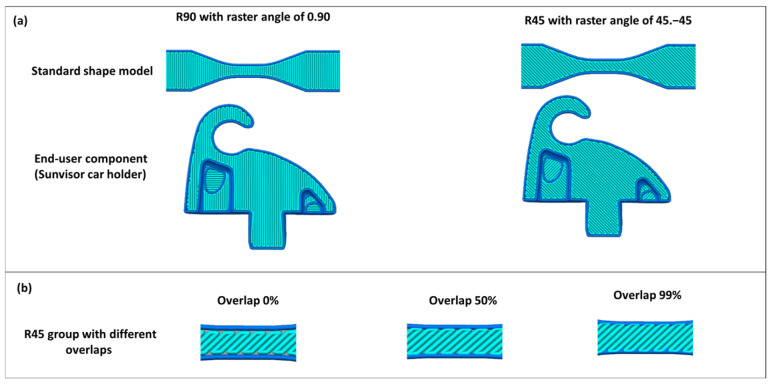 Figure 3
 Figure 4
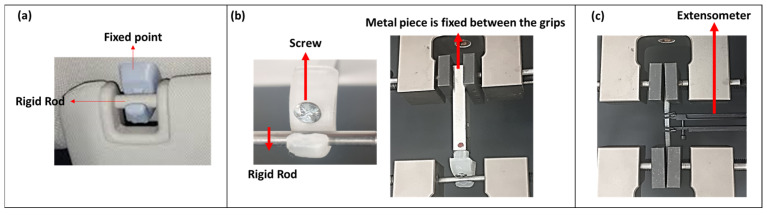 Figure 5
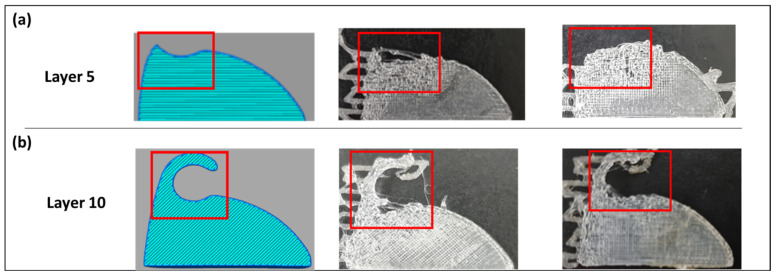 Figure 6
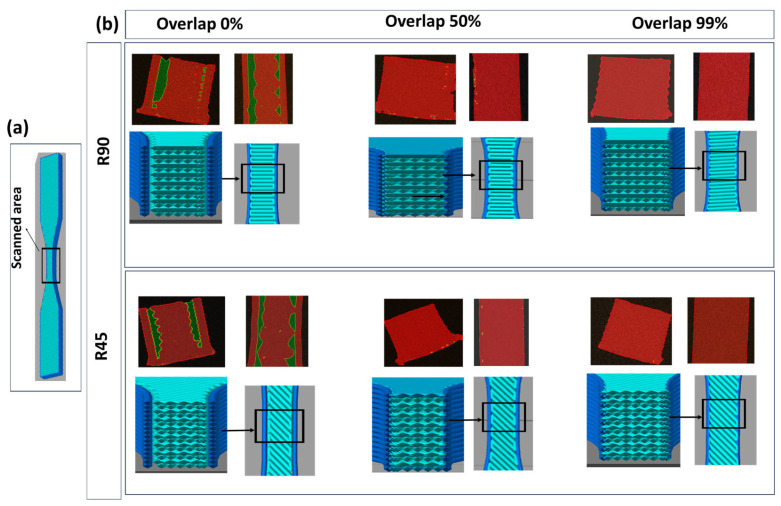 Figure 7
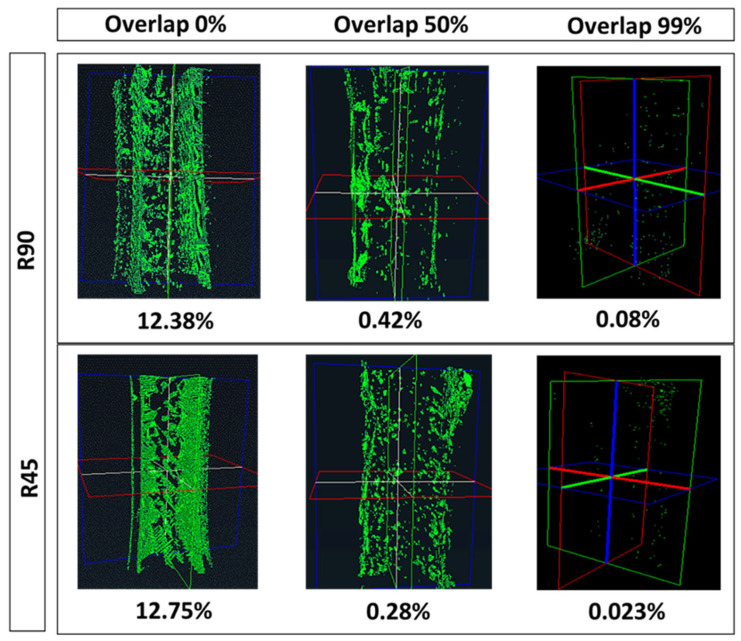 Figure 8
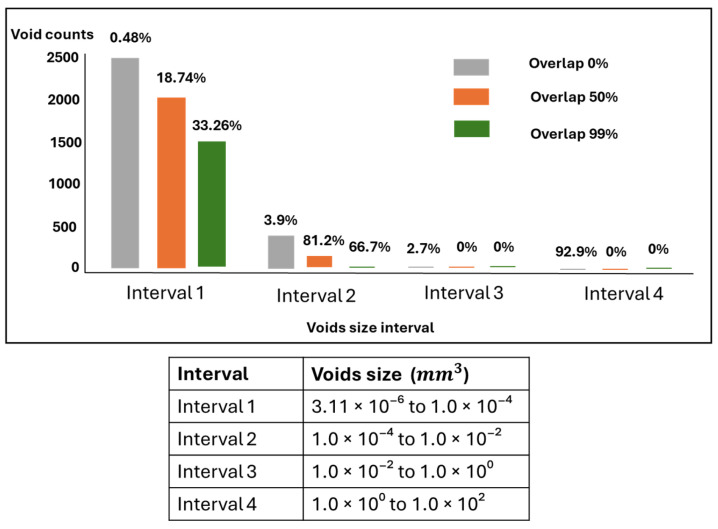 Figure 9
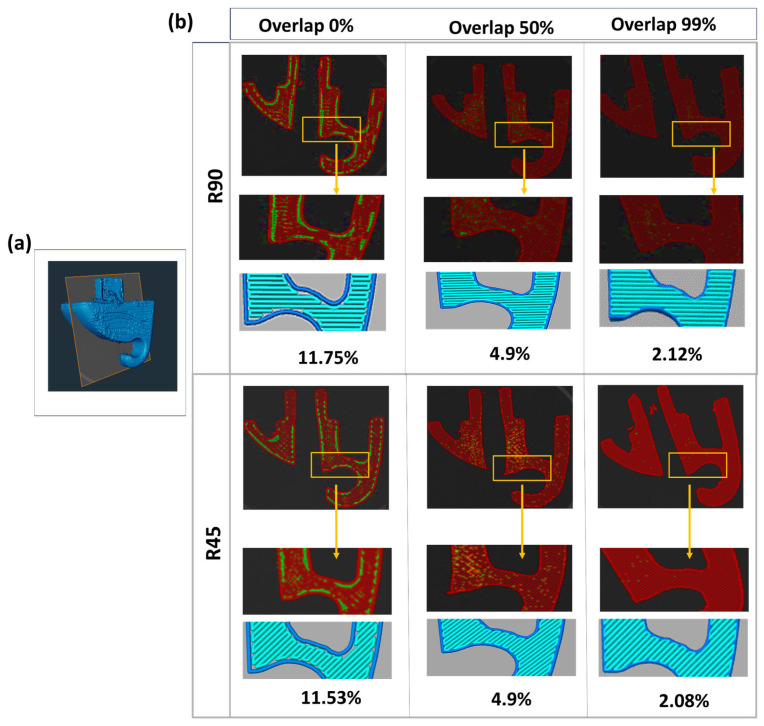 Figure 10
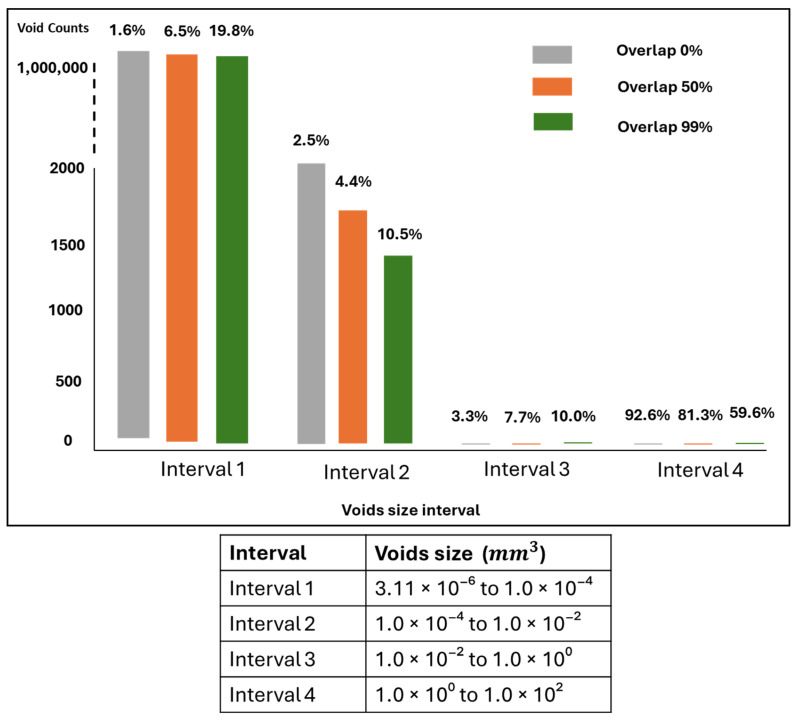 Figure 11
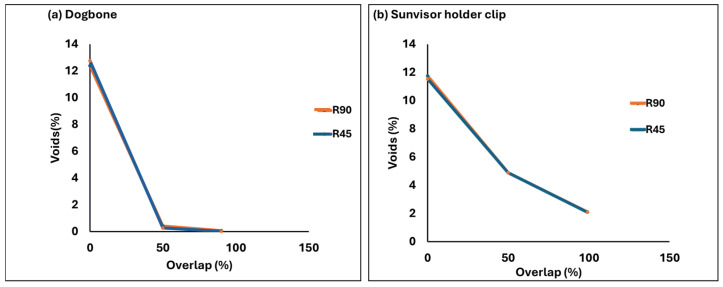 Figure 12
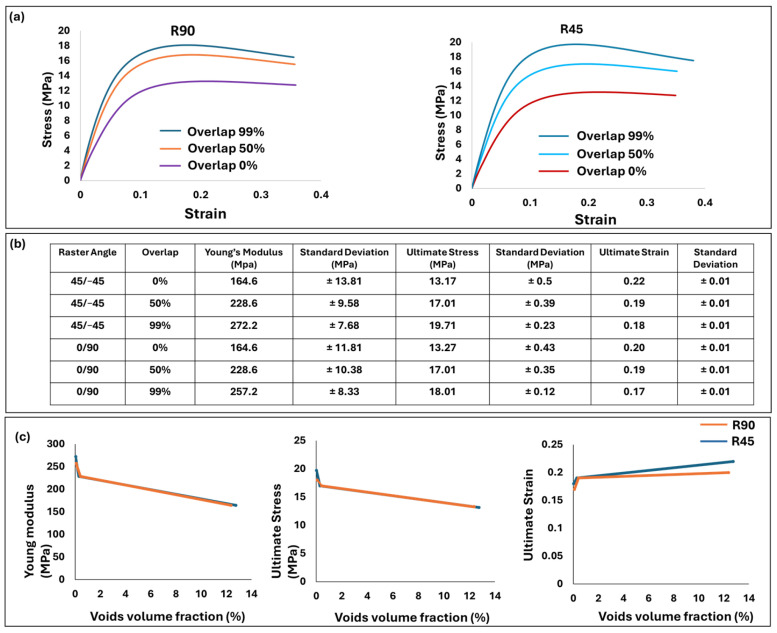 Figure 13
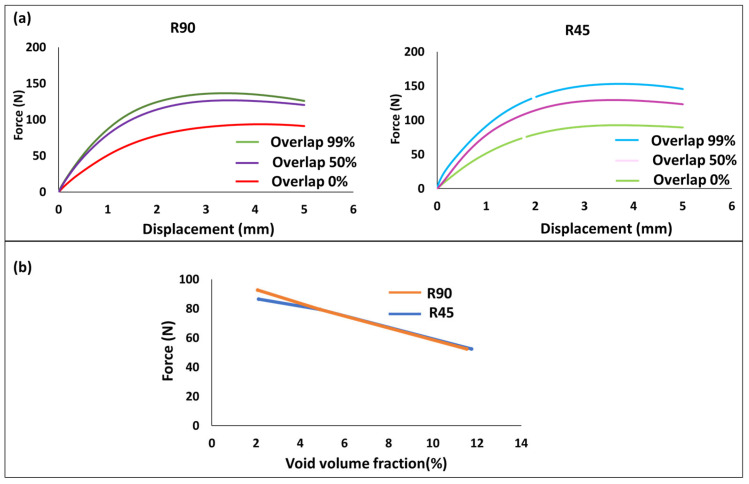 Figure 14
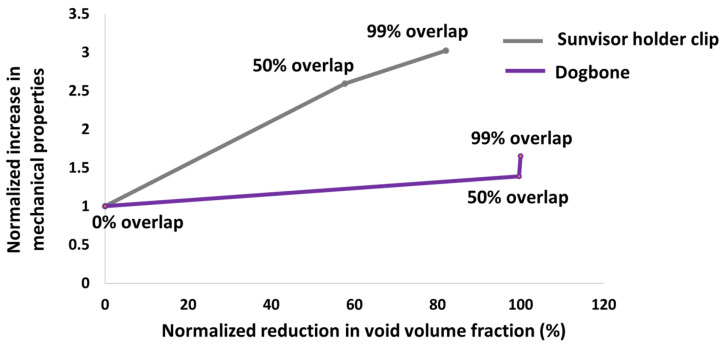 Figure 15
Peer Reviews
No public reviews on file for this paper yet. If you reviewed it on a platform where reviews are public (OpenReview, ICLR, NeurIPS, ICML), you can paste yours below so the community can read it here.
Videos
No videos yet. Explain this paper in a talk, walkthrough, or lecture? Add one.
Taxonomy
TopicsAdditive Manufacturing and 3D Printing Technologies · Manufacturing Process and Optimization · Robot Manipulation and Learning