Influence of Plant Part Selection and Drying Technique: Exploration and Optimization of Antioxidant and Antibacterial Activities of New Guinea Impatiens Extracts
Fabián Delgado Rodríguez, Gabriela Azofeifa, Silvia Quesada, Nien Tzu Weng Huang, Arlene Loría Gutiérrez, María Fernanda Morales Rojas

TL;DR
This study explores how different plant parts and drying methods affect the antioxidant and antibacterial properties of New Guinea Impatiens extracts.
Contribution
The study identifies quercetin and rutin as key bioactive compounds and recommends freeze-dried leaves and flowers for optimal activity.
Findings
Freeze-dried leaves and flowers of I. hawkeri show the highest antioxidant and antibacterial potential.
Phenolic compounds are major contributors to the observed antioxidant and antibacterial activities.
Quercetin and rutin are tentatively identified as key chemical markers in the extracts.
Abstract
Impatiens L. plants are sources of polyphenols with antioxidant and antimicrobial activities. There are scarce data about these effects in the case of Impatiens hawkeri W. Bull, a relevant species in ornamental plant industry with ethnobotanical backgrounds. The aim of this study is to provide information regarding the antioxidant and the antibacterial properties of the ethanol extracts of I. hawkeri to support new applications. HPTLC was used to estimate the concentration of seven known bioactive metabolites reported among Impatiens plants. Total phenolics, flavonoids, and monomeric anthocyanins were also measured. An orthogonal platform with chemical and biological in vitro assays was used to evaluate the antioxidant activity of the extracts. Antibacterial activity was determined by broth microdilution assay on human pathogenic bacteria. The results were integrated by correlation and…
Genes, proteins, chemicals, diseases, species, mutations and cell lines named across the full text — each resolved to its canonical identifier and authoritative record.
Click any figure to enlarge with its caption.
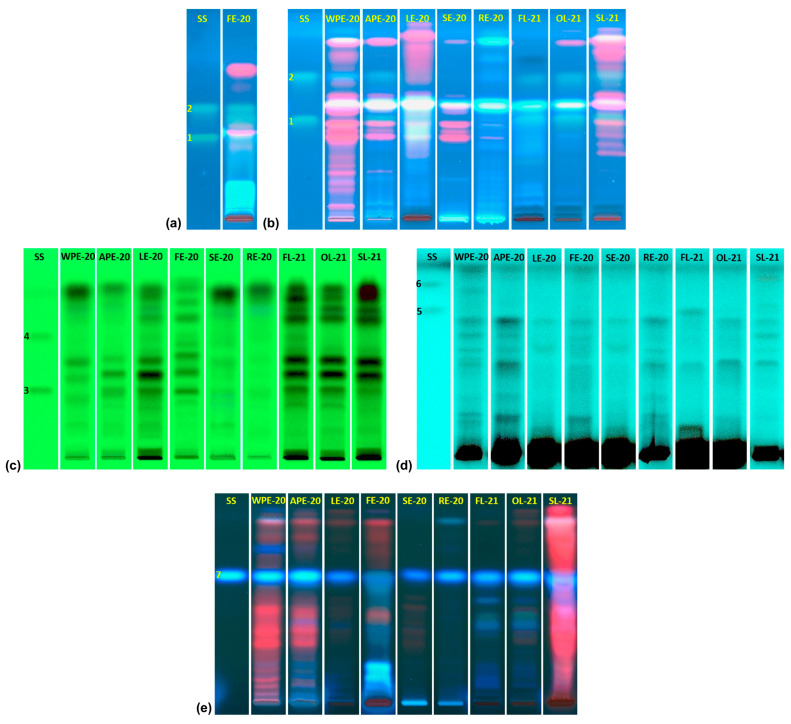 Figure 1
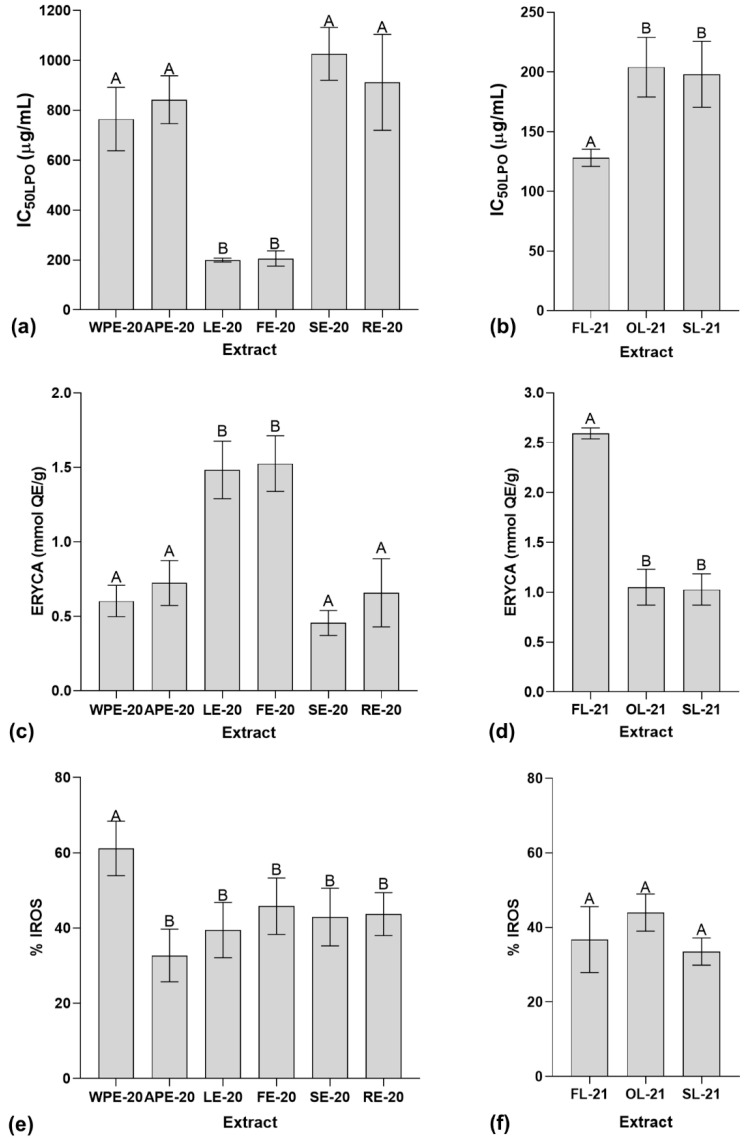 Figure 2
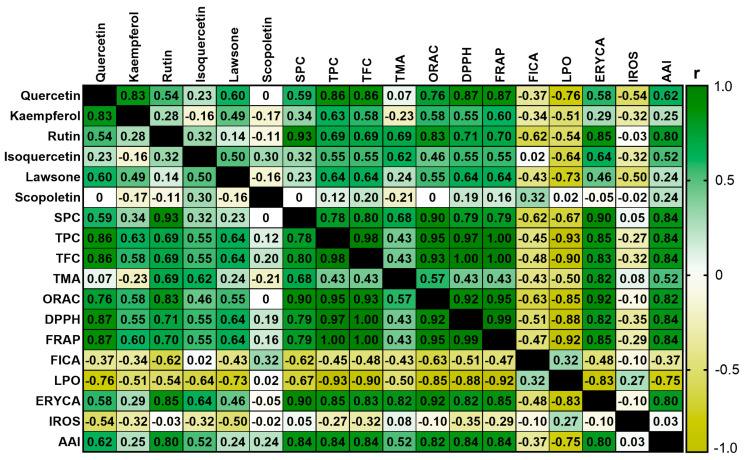 Figure 3
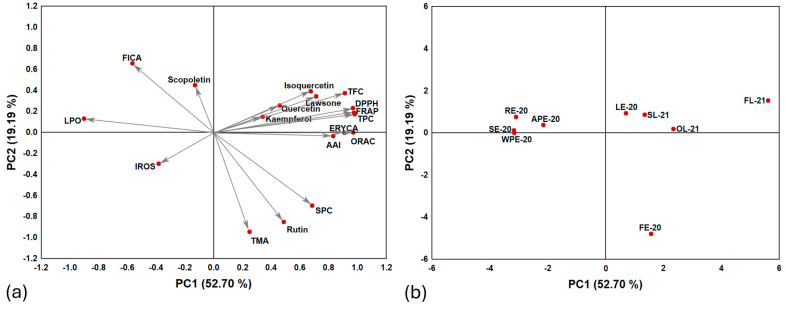 Figure 4
Peer Reviews
No public reviews on file for this paper yet. If you reviewed it on a platform where reviews are public (OpenReview, ICLR, NeurIPS, ICML), you can paste yours below so the community can read it here.
Videos
No videos yet. Explain this paper in a talk, walkthrough, or lecture? Add one.
Taxonomy
TopicsPhytochemicals and Antioxidant Activities · Phytochemistry and Biological Activities · Essential Oils and Antimicrobial Activity