How Molar Mass, Acid Type, and Coagulation Bath Composition Influence Coagulation Kinetics, Mechanical Properties, and Swelling Behavior of Chitosan Filaments: A Full Factorial Approach
Henrique Nunes da Silva, Milena Costa da Silva Barbosa, Matheus Ferreira de Souza, Athirson Mikael de Sousa Lima, Rafaella Resende de Almeida Duarte, Rômulo Feitosa Navarro, Suédina Maria de Lima Silva, Marcus Vinícius Lia Fook

TL;DR
This study explores how factors like chitosan molar mass and acid type affect filament properties, showing that processing conditions are crucial for optimizing biomedical applications.
Contribution
The paper introduces a full factorial experimental design to systematically analyze the influence of multiple variables on chitosan filament properties.
Findings
Higher chitosan molar mass reduces coagulation rate and increases filament diameter without proportional tensile strength.
Acetic acid dissolution and ethanol coagulation enhance crystallinity and surface homogeneity of filaments.
Lactic acid induces structural disorder, while methanol coagulation results in rougher filament surfaces.
Abstract
In this study, a full multilevel factorial design (21 × 31 × 21) × 2 was conducted to investigate the effects of molar mass of chitosan (CS), the type of acid used for dissolution, and the composition of the coagulation bath on the coagulation, mechanical properties, and swelling of the filaments. The results showed the statistical significance of the factors in the characteristics of these filaments. The coagulation followed Fick’s second law of diffusion, with an increase in the chitosan molar mass reducing the coagulation rate, as did the use of acetic acid instead of lactic acid. CS with higher molar mass produced filaments with larger diameters, but without a proportional increase in tensile strength. Swelling was influenced by the acid and composition of the coagulation bath. The interaction of CS with acid and the CS molar mass factor were the terms of greatest statistical…
Genes, proteins, chemicals, diseases, species, mutations and cell lines named across the full text — each resolved to its canonical identifier and authoritative record.
Click any figure to enlarge with its caption.
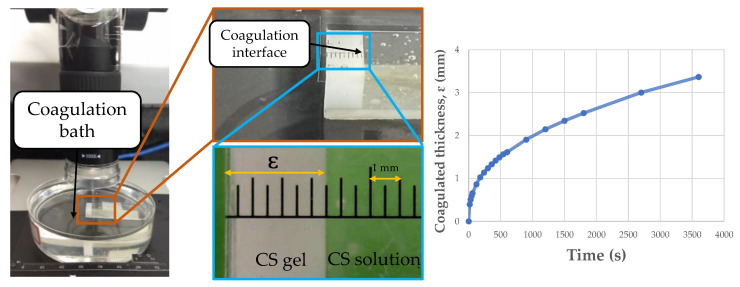 Figure 1
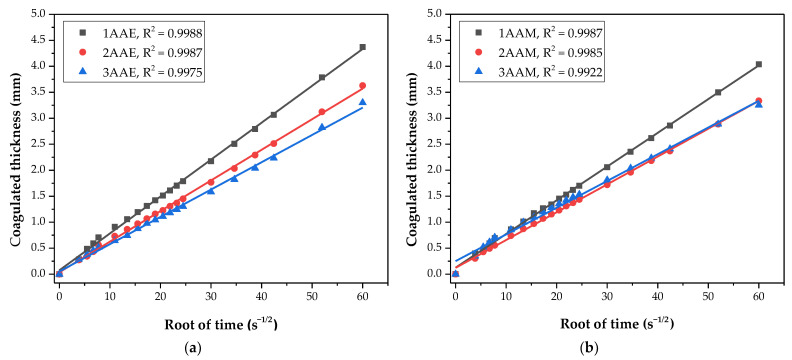 Figure 2
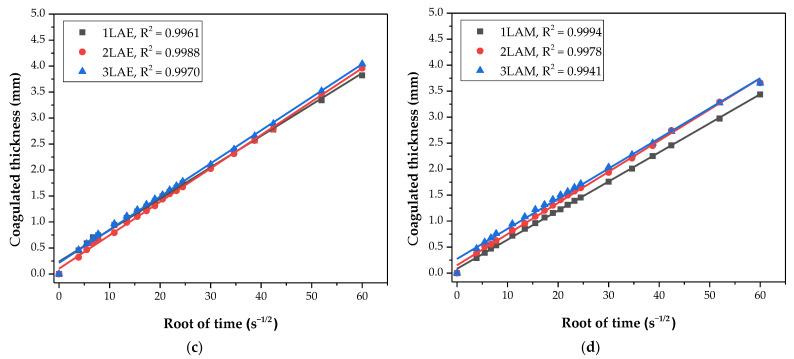 Figure 3
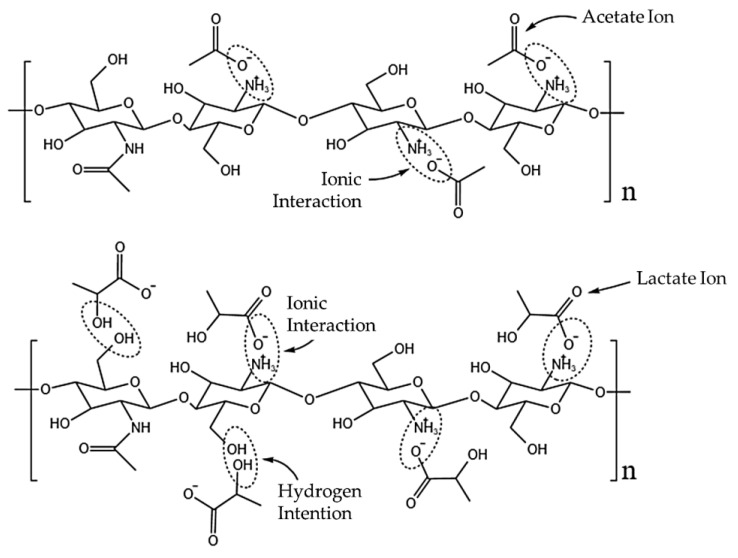 Figure 4
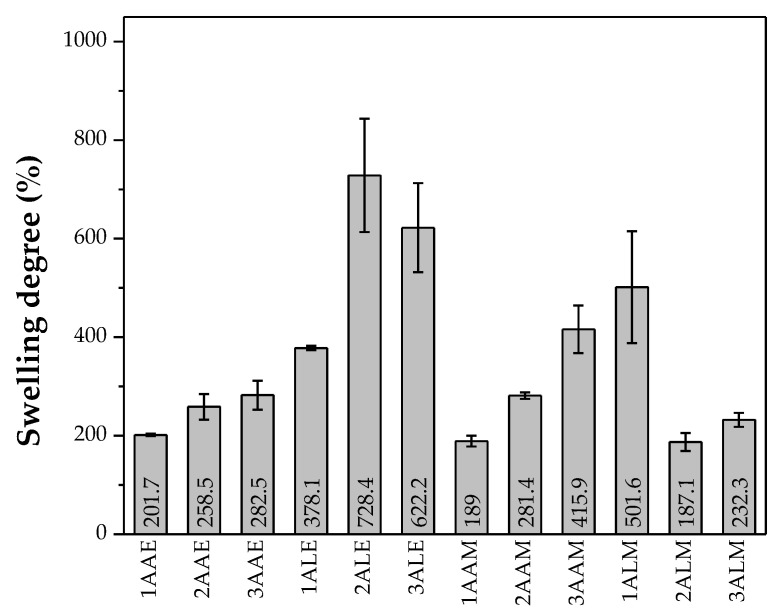 Figure 5
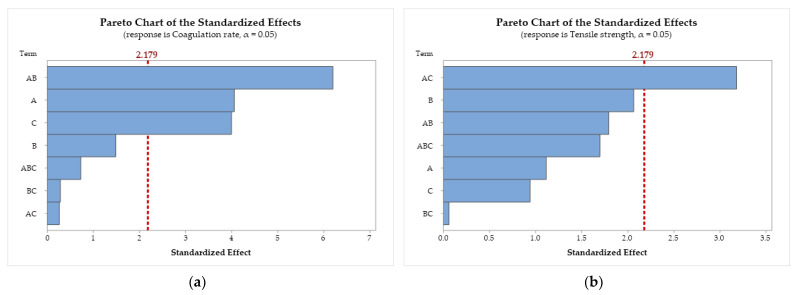 Figure 6
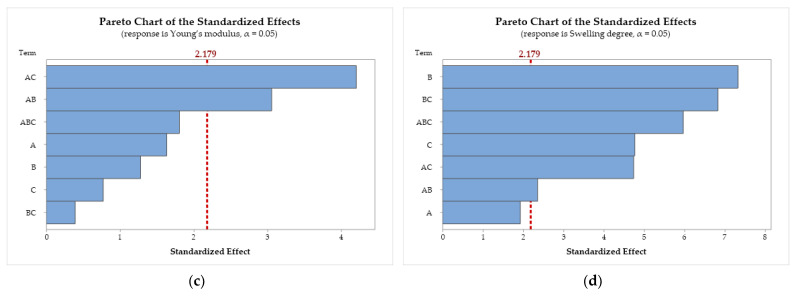 Figure 7
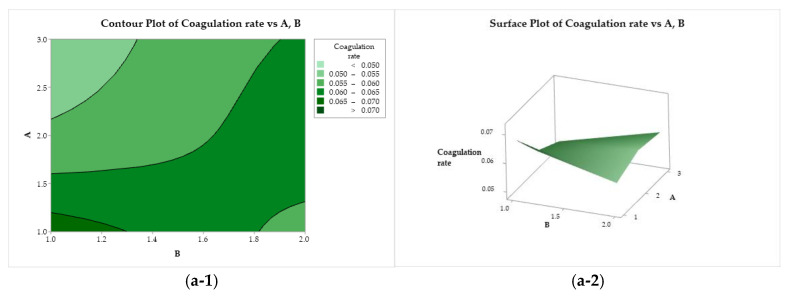 Figure 8
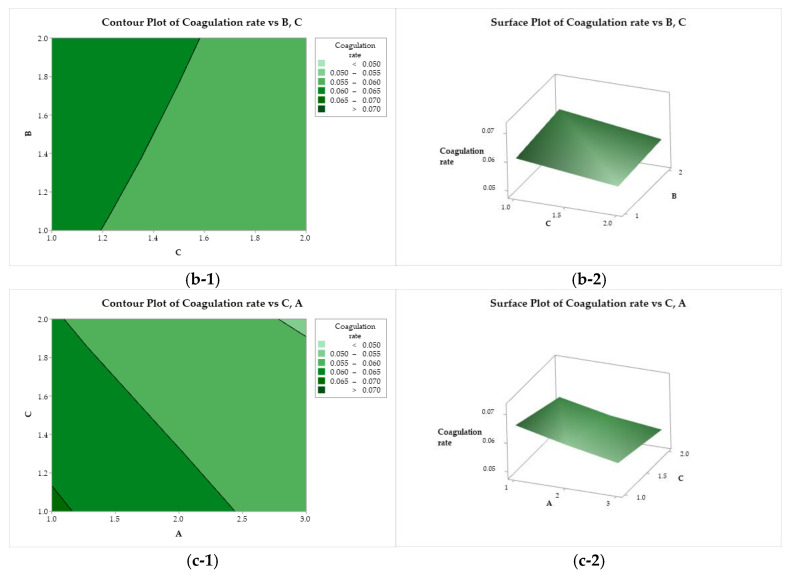 Figure 9
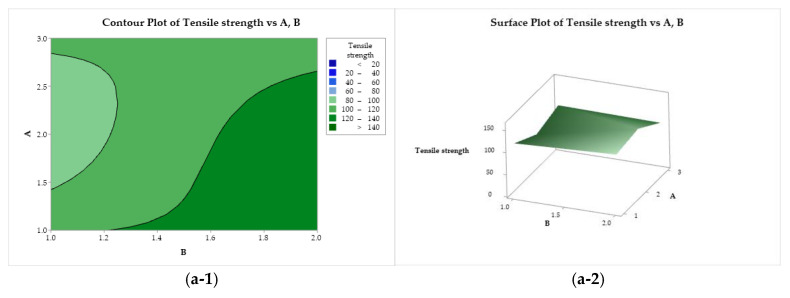 Figure 10
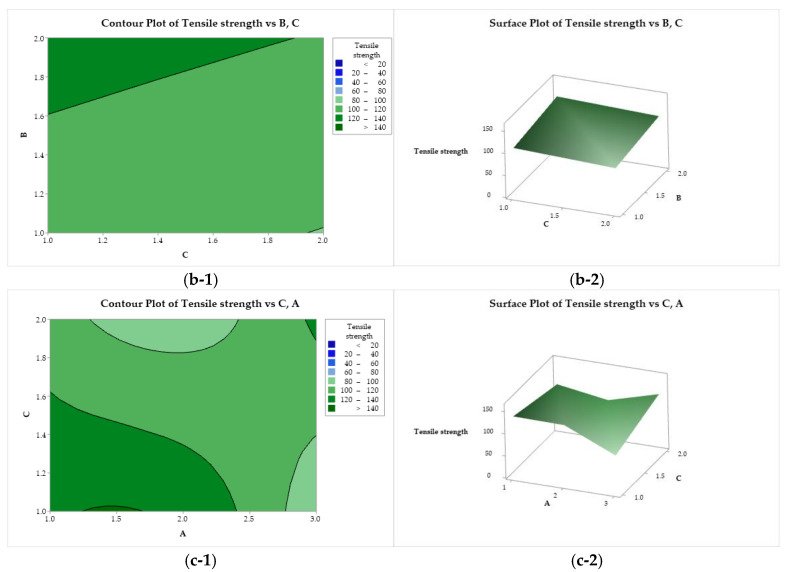 Figure 11
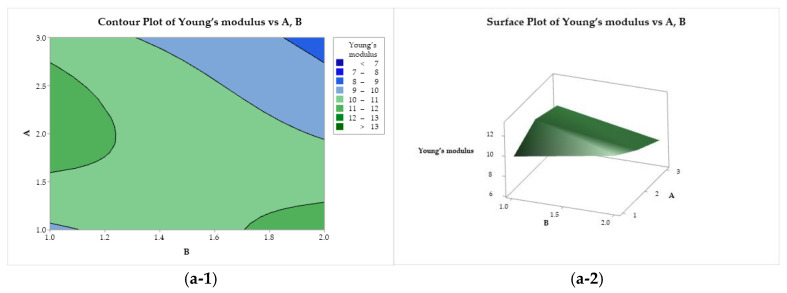 Figure 12
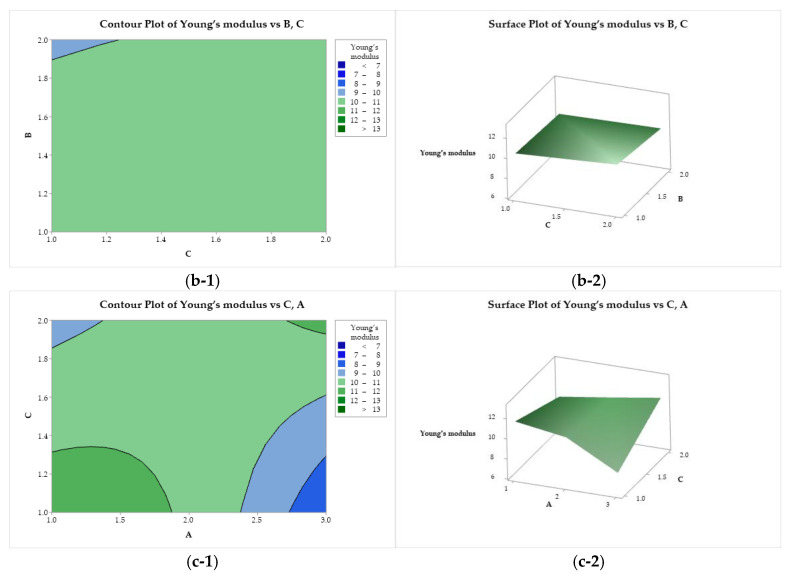 Figure 13
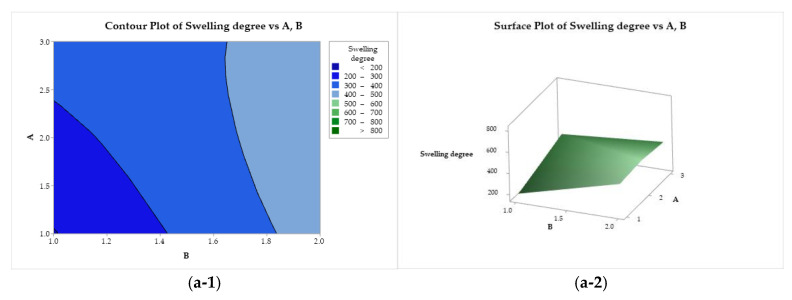 Figure 14
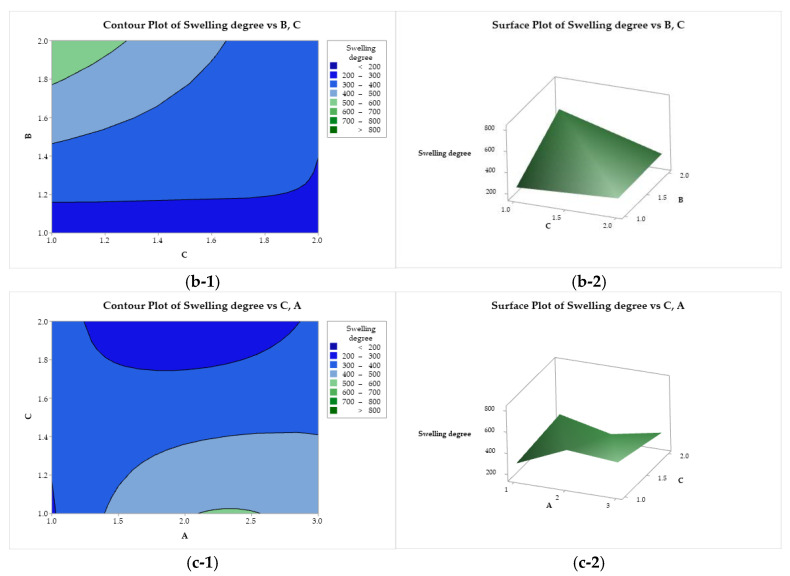 Figure 15
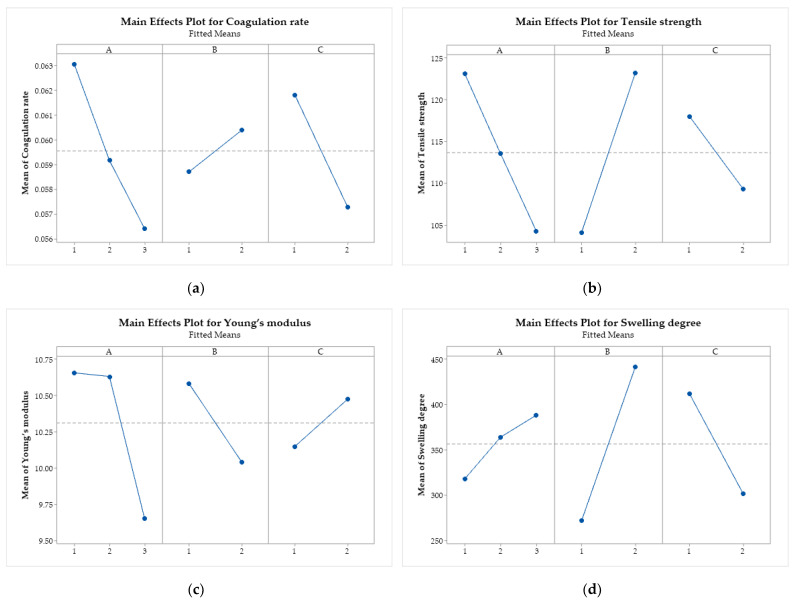 Figure 16
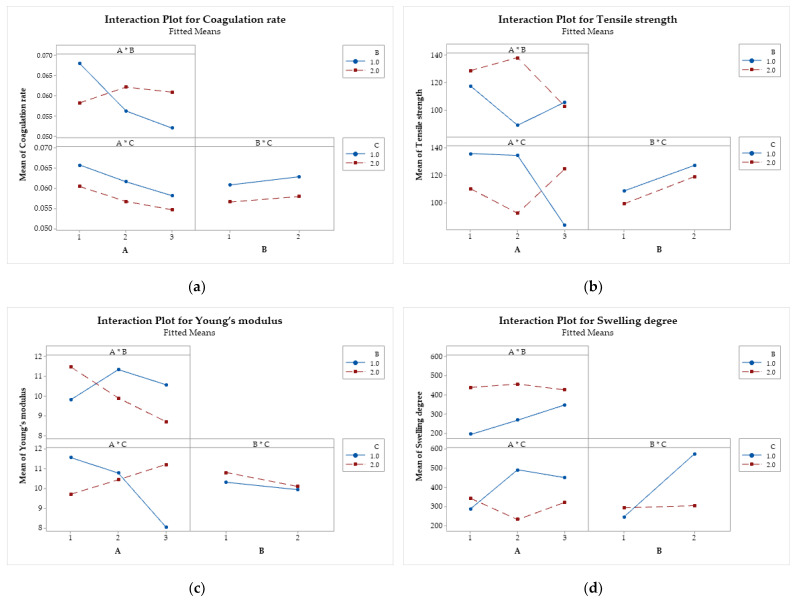 Figure 17
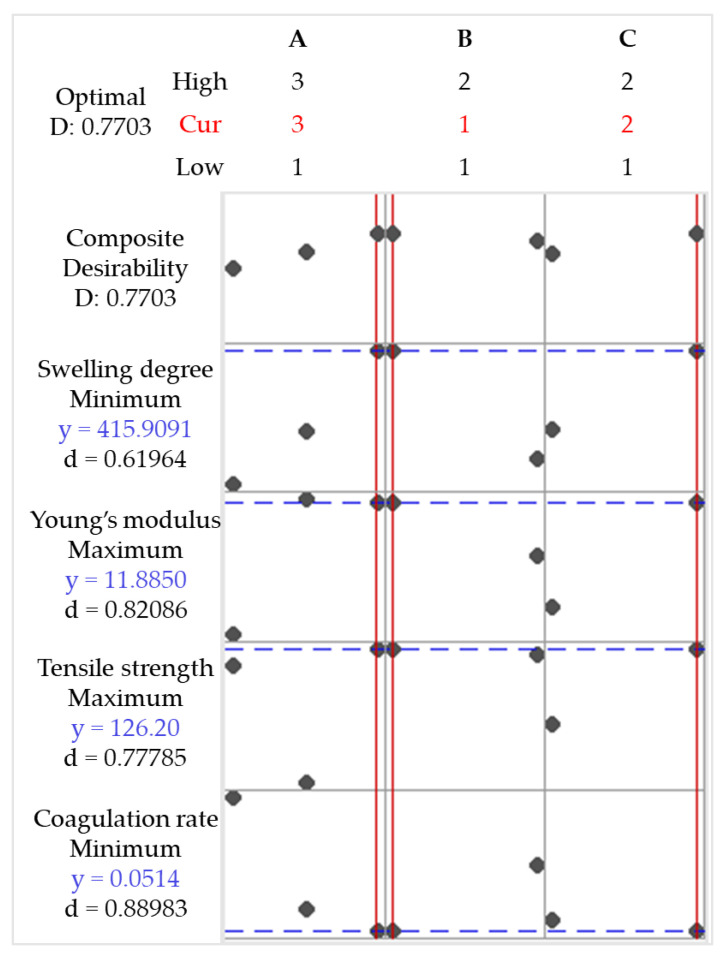 Figure 18
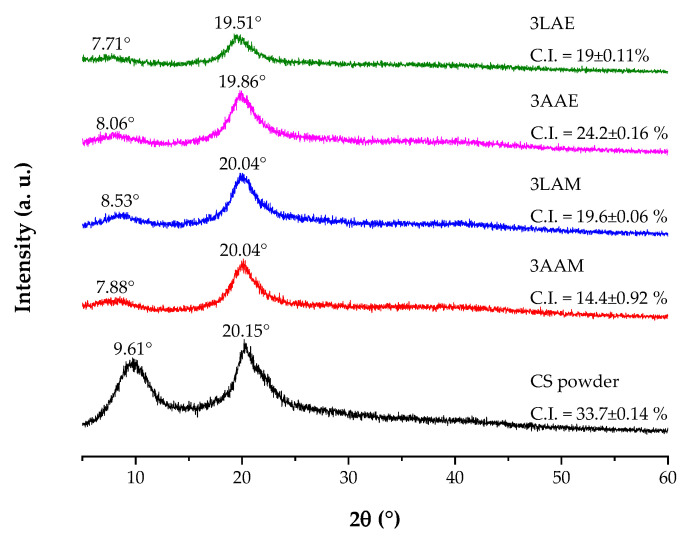 Figure 19
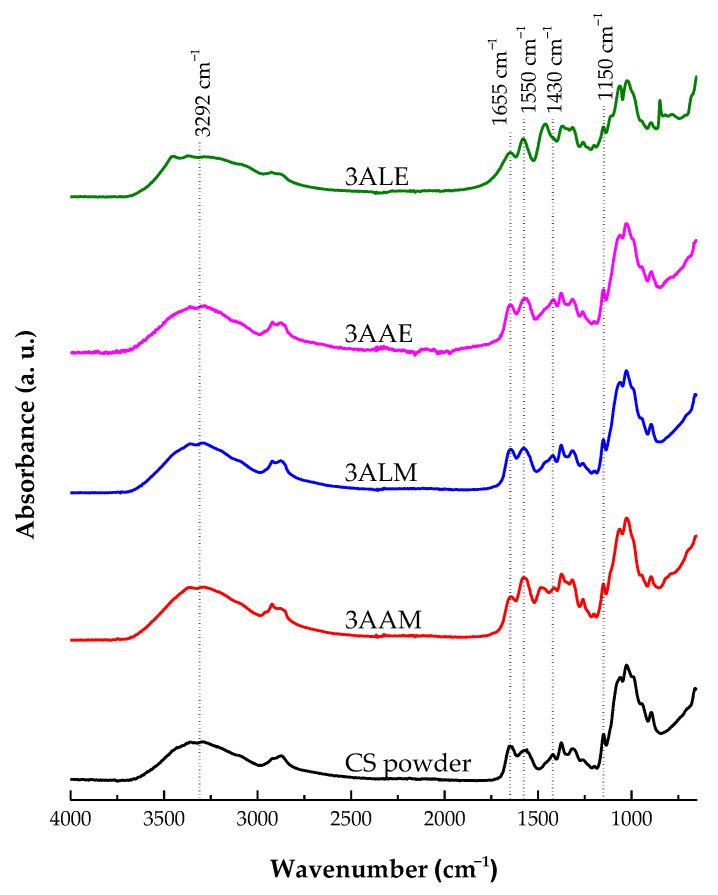 Figure 20
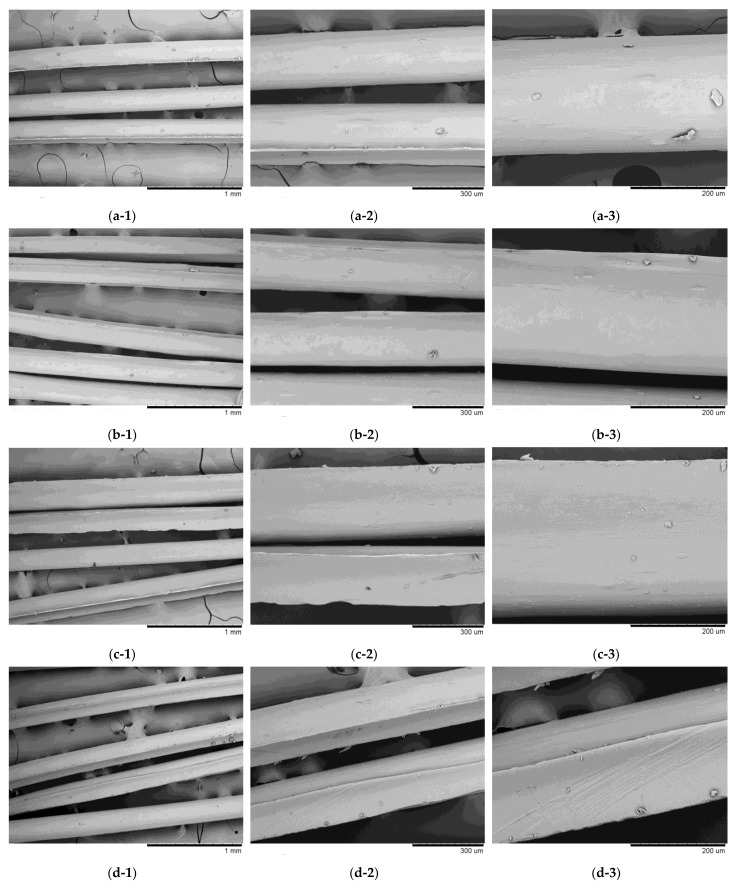 Figure 21
Peer Reviews
No public reviews on file for this paper yet. If you reviewed it on a platform where reviews are public (OpenReview, ICLR, NeurIPS, ICML), you can paste yours below so the community can read it here.
Videos
No videos yet. Explain this paper in a talk, walkthrough, or lecture? Add one.
Taxonomy
TopicsNanocomposite Films for Food Packaging · Surfactants and Colloidal Systems · Coagulation and Flocculation Studies