Iridium-Catalyzed Hydrocarboxylation of Olefins with CO2 and H2
Yang Li, Ying Wang, Longbo Zhang, Yanru Zhang, Jia Guo, Yanyan Wang, Chenglong Yu, Jun He, Zhenpeng Wang, Juanjuan Han, Qian Li, Tianbin Wu, Qingli Qian, Buxing Han

TL;DR
This paper introduces a new iridium-based catalyst that efficiently converts CO2 and H2 with olefins into carboxylic acids, offering a sustainable chemical production method.
Contribution
The development of an efficient iridium-based catalyst for hydrocarboxylation of olefins using CO2 and H2 is presented.
Findings
An iridium-based catalyst efficiently produces C2+ carboxylic acids from olefins, CO2, and H2 at 170 °C.
The catalytic system works with various olefin substrates, showing broad applicability.
Control experiments helped elucidate the catalytic mechanism involved in the reaction.
Abstract
CO2 is a greenhouse gas and a nontoxic, easily available and renewable C1 feedstock. H2 is a clean and cheap reductant that can be obtained from renewable energy. Olefins are platform chemicals that can be produced from a variety of raw materials such as petroleum, coal and renewable biomass. The production of carboxylic acids by combining olefins, CO2 and H2 is a sustainable and very promising protocol. However, only a few advances in this topic have been achieved because novel catalysts need to be developed. In this work, we demonstrate that a simple iridium-based catalyst could efficiently promote the synthesis of C2+ carboxylic acids via the reaction of olefins with CO2 and H2. The reaction was effectively accelerated by a simple iridium-based catalytic system at 170 °C, which may be applied to various olefin substrates. The catalytic mechanism was studied through a series of…
Genes, proteins, chemicals, diseases, species, mutations and cell lines named across the full text — each resolved to its canonical identifier and authoritative record.
Click any figure to enlarge with its caption.
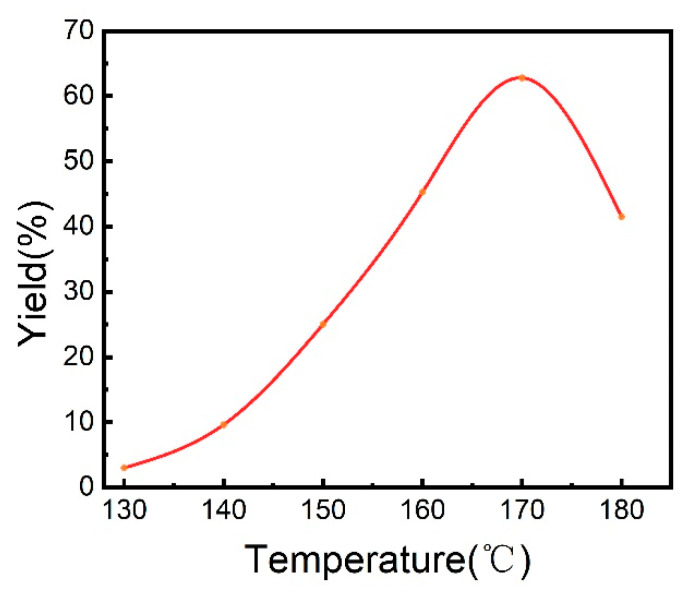 Figure 1
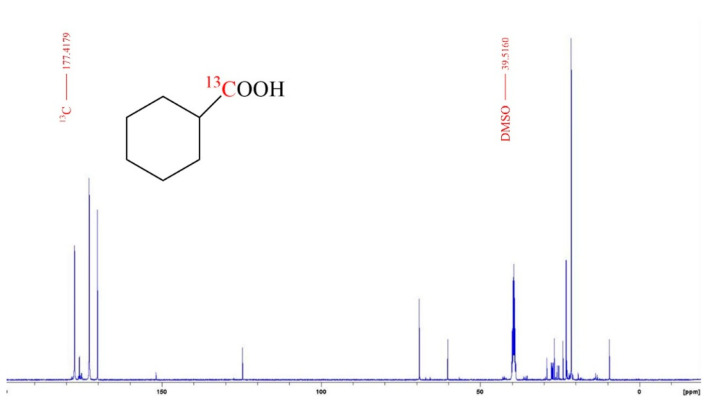 Figure 2
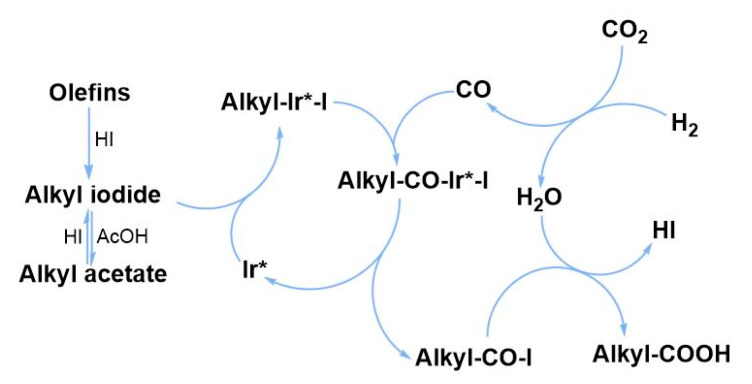 Figure 3
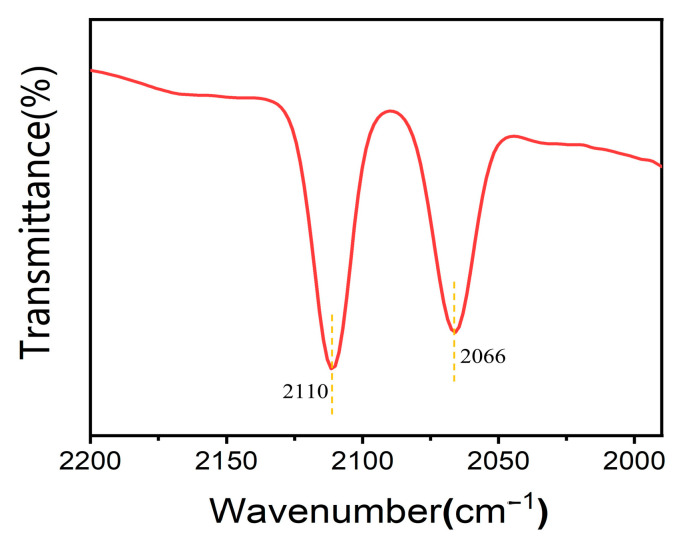 Figure 4
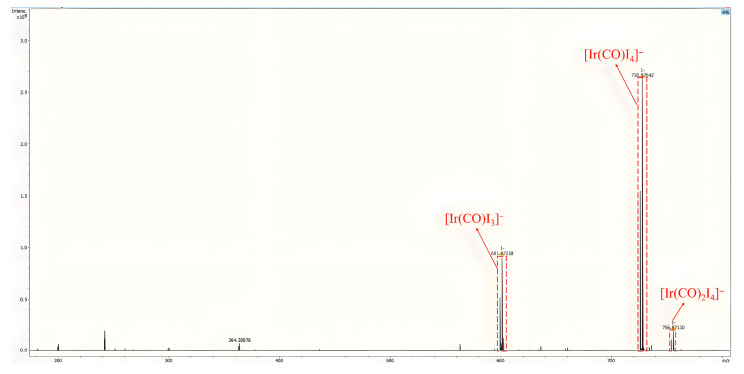 Figure 5
 Figure 6
 Figure 7
 Figure 8
 Figure 9
 Figure 10
 Figure 11
 Figure 12
 Figure 13
 Figure 14
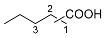 Figure 15
 Figure 16
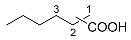 Figure 17
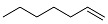 Figure 18
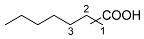 Figure 19
 Figure 20
 Figure 21
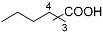 Figure 22
 Figure 23
 Figure 24
- —National Key Research and Development Program of China
- —National Science Foundation of China
- —Science and Technology Bureau of Tai’an City
Peer Reviews
No public reviews on file for this paper yet. If you reviewed it on a platform where reviews are public (OpenReview, ICLR, NeurIPS, ICML), you can paste yours below so the community can read it here.
Videos
No videos yet. Explain this paper in a talk, walkthrough, or lecture? Add one.
Taxonomy
TopicsCarbon dioxide utilization in catalysis · Asymmetric Hydrogenation and Catalysis · CO2 Reduction Techniques and Catalysts
1. Introduction
Carbon dioxide is a major greenhouse gas and a renewable C_1_ resource. The conversion of CO_2_ into value-added products is an important aspect of carbon neutrality. Currently, significant developments have been accomplished in the synthesis of various chemicals utilizing CO_2_ as the feedstock [1,2,3,4,5,6,7,8,9,10,11,12,13]. CO_2_ is the final product of the combustion of organics, where the C is in the highest oxidation state, and reduction is usually required in case of CO_2_ utilization. As for the carboxylic acid products, at the present stage, formic acid can be readily produced from CO_2_ and H_2_, which has been extensively investigated, and great advances have been made [14,15,16,17,18]. Currently, the fabrication of C_2+_ carboxylic acids using CO_2_ usually requires expensive or air/water-sensitive substrates and/or reductants. [19,20,21,22,23,24,25,26,27,28,29,30]. For example, the substrates with C-B, C-Br or even C-Zn bonds were extensively studied to react with CO_2_, where C_1_-elongating carboxylic acids could be produced. Furthermore, many examples of C_2+_ carboxylic acids syntheses were realized by coupling reactions between CO_2_ and unsaturated organics such as alkynes, dienes, allenes or olefins with Pd, Ni or Fe catalysts, where metal-based reducing agents such as Mn/Zn powder, ZnR_2_, AlR_3_ and silanes were required.
H_2_ is a clean and cheap reductant, which can be used to reduce CO_2_ when the target products are CO, hydrocarbons, alcohols, etc. [3,4,5,6,7]. However, only sporadic reports on the production of higher carboxylic acids using CO_2_ and H_2_ can be found. In a pioneering work, higher carboxylic acids were successfully synthesized by a reaction of olefins with CO_2_ and H_2_ using a four-component catalytic system containing a [RhCl(CO)2]2 catalyst, PPh_3_ ligand, CH_3_I promoter and p-TsOH·H_2_O as an acidic additive [31]. Later, some other routes to fabricate C_2+_ carboxylic acids were developed, where CO_2_ and H_2_ reacted with various oxygenates, including alcohols, polyols, ethers, ketones, aldehydes, epoxides and saccharides [32,33,34,35,36,37,38,39]. Olefins are a type of easily available and widely used platform chemicals that can be obtained from various sources such as petroleum, coal and renewable biomass. H_2_ can be manufactured from the electrolysis of water with renewable electricity. Without a doubt, the synthesis of C_2+_ carboxylic acids from olefins, CO_2_ and H_2_ is a very promising route, and more research on this topic is still highly desirable. However, new catalysts in these reactions have seldom been reported so far. Iridium catalysts are common alternatives to drive the formation of carboxylic acids by carbonylation [34,35,36,40]. Herein, we report a new and simpler Ir catalytic system to accelerate this kind of reaction.
2. Results and Discussion
2.1. The Catalytic System
To screen the catalytic systems, we selected the hydrocarboxylation of cyclohexene with CO_2_ and H_2_ as a model reaction (Table 1). The cyclohexanecarboxylic acid (ChA) generated in the reaction is much more expensive than the cyclohexene feedstock (Table S1).
The reaction can be effectively accelerated by the catalytic system consisting of an Ir(acac)(CO)2 catalyst and LiI promoter in the solvent of acetic acid at 170 °C (Table 1, entry 1). In this condition, cyclohexene was completely consumed, and the yields of ChA could reach 62.8% (Figure S1). The rest of the cyclohexene was turned into cyclohexane (Figure S2). The gaseous byproducts were CO and CH_4_ generated from CO_2_ and H_2_ (Figure S3). The iridium catalyst is necessary, and no carboxylic acid was detected without it. Some other iridium compounds could also catalyze the reaction, but with lower reaction yields, such as Ir(OAc)3, IrI_4_, Ir_4_(CO)12, Ir(acac)3 and IrCl_3_ (Table 1, entries 2–6). The target reaction did not occur when the IrO_2_·2H_2_O or IrCl(CO)(PPh_3_)2) were used (Table 1, entries 7 and 8). We also tested other transition metal (Fe, Co, Ni, Rh, Pd) iodides, and they could not accelerate the reaction either (Table S2). Thus, Ir(acac)(CO)2 was the suitable catalyst of the reaction.
The promoter is also a necessary catalytic component of the reaction. The reaction did not take place when iodine (I_2_) was used instead of LiI, which confirmed that I^−^ plays an important role in this reaction (Table 1, entry 9). To understand the effect of I^−^, we used LiCl and LiBr as promoters, respectively, but they did not work at all (Table 1, entries 10 and 11). This may be ascribed to the stronger nucleophilicity of I^−^ that helps to promote the C-C bond formation; moreover, as a soft base, I^−^ may form a more stable active center with the Ir cation than other halide anions [41]. To seek a possible better cation of the promoter, we substituted the Li^+^ of the promoter with Na^+^ and K^+,^ respectively (Table 1, entries 12 and 13). NaI as a promoter may operate at lower efficiency, while the KI did not operate at all. Thus, smaller Li^+^ cation is more effective in combination with the I^−^. This may be ascribed to the stronger Lewis acidity of Li^+^. The methyl iodide (CH_3_I) was also tested, but the results were unsatisfactory (Table 1, entry 14). Therefore, LiI was the appropriate promoter of the reaction.
The solvent also has an important effect on the reaction. When propionic acid was used as solvent instead of acetic acid, the reaction could also proceed but with a lower reaction yield (Table 1, entry 15). The pKa acidities of acetic acid (4.76) and propionic acid (4.88) are similar, while the acetic acid has better solubility for the catalytic components, especially LiI. Various other organic solvents, inorganic solvents and their mixtures were screened to give a deeper understanding of the solvent effects, and the results are displayed in Table S3. When water and some common organics (H_2_O, DMSO, DMI, NMP) were applied as solvents instead of acetic acid, the aimed reaction could not take place in them. No ChA was detected when aqueous sulfuric acid or a hydrochloric acid solution was used as the reaction solvent. We further tried the acidic mixed solvents such as HCl(aq)/NMP and CF_3_COOH/H_2_O. Before the reaction, we tested the acidities of acetic acid and the mixed solvents using the pH indicator paper. The HCl(aq)/NMP has a similar acidity with acetic acid, while the acidity of CF_3_COOH/H_2_O is much stronger than that of acetic acid. However, only a small amount of ChA was generated when the two mixed solvents were used in the reaction (Table S3, entries 7 and 8). These findings suggest that the reaction yield was simultaneously affected by the organic structure and acidity of the solvent. The organic environment could help to dissolve the olefin substrate and reaction intermediates, while the acidic condition could facilitate the catalytic process.
The impact of reaction temperature was appraised, and the results are shown in Figure 1. The reaction started to occur at 130 °C, and a small amount of ChA was detected. The yield of product increased with rising temperature and reached maximum at 170 °C. Further enhancing the temperature may cause the severe conversion of cyclohexene to cyclohexane before the desired transformation. The dosages of catalyst and promoter may also influence the results of the reaction (Table S4 and S5). The yield of ChA rose with the increasing dosages of the Ir(acac)(CO)2 and LiI, but excessive usage of them may cause an opposite effect. The suitable volume of the reaction solvent was 0.6 mL acetic acid, which could engender the optimal environment for the reaction (Table S6). We also investigated the impact of the pressures of CO_2_ and H_2_ (Table S7). Both CO_2_ and H_2_ are necessary for the reaction, and the desired product could not form without anyone of them. The relative pressures of the reactant gases exerted a remarkable role on the yield of the reaction, and 5 MPa CO_2_ and 1 MPa H_2_ were fit for the reaction. As anticipated, the yield of ChA continued to rise with time, but it became unobvious when the time was longer than 14 h (Table S8). In short, the superior and economic reaction result was engendered at the conditions in entry 1 of Table 1.
2.2. The Mechanistic Study
To study the intermediates of the reaction, we analyzed the liquid sample after 1h of the reaction, where iodocyclohexane and cyclohexyl acetate derived from cyclohexene were observed (Figure S4). Obvious CO was generated via a Reverse Water Gas Shift Reaction (CO_2_ + H_2_ ⇌ CO + H_2_O, RWGS) when we analyzed the gaseous products at the same time (Figure S5). To unravel the further action of these intermediates during the reaction, some additional control experiments were implemented. When CO of different pressures was used instead of CO_2_ and H_2_ to react with cyclohexene, high yields of ChA could be obtained (Table 2). The lower pressure of CO at 0.5 MPa or 1 MPs was similar to the partial pressure of CO in the hydrocarboxylation reaction, which was in situ generated from CO_2_ and H_2_ by an rWGS reaction. We also carried out the mutual reactions of cyclohexyl acetate and iodocyclohexane with CO_2_/H_2_ or CO, respectively (Table 3). The results further showed that CO, iodocyclohexane and cyclohexyl acetate were all reactive intermediates of the desired reaction.
To uncover more about the reaction path, we performed a series of isotope tracer studies. The ^13^CO_2_ labeling test was carried out, and the solution after the reaction was analyzed by ^13^C-NMR and GC-MS. The GC-MS result showed that the C atom of the CO_2_ entered the ChA molecule (Figure S6). The ^13^C-NMR analysis further confirmed that the C atom of the CO_2_ partook in the carboxyl group of the ChA (Figure 2). We added a small amount of H_2_^18^O to carry out the experiment, and the result showed that -OH from the H_2_O solvent was involved in the construction of carboxyl groups, which is in agreement with the characteristics of a carbonylation step (Figure S7). Significant H-D exchange was observed on the carbon chain in the D_2_ labeling tests (Figure S8), which is similar to the Fischer–Tropsch (FT) synthesis.
Based on the above results and our former experience [34], we proposed a possible pathway of the reaction, as depicted in Figure 3. Olefins as substrates can form alkyl iodide directly with in situ generated HI. In the acetic acid solvent, mutual transformation of alkyl iodide and alkyl acetate was observed in the control experiment. After the oxidative addition of alkyl iodide to the active Ir center (Ir*), the CO produced through the RWGS reaction is inserted to form the alkyl-CO-Ir*-I. Then, the alkyl-CO-I was formed by reductive elimination from the alkyl-CO-Ir*-I, which was further converted to C_1_-elongated carboxylic acid with the participation of water generated in situ. The FTIR spectra of the solution after the reaction showed two ν(CO) peaks at 2066 cm^−1^ and 2110 cm^−1^ (Figure 4), which demonstrated the formation of cis-[Ir(CO)2_I_4]^−^ as the possible major active species [40]. During the HR-ESI(-)-MS test of reaction solution, other notable Ir species, i.e., [Ir(CO)I_x_]^−^ (x = 3–4), were also detected, which should be generated from fragmentation of the cis-[Ir(CO)2_I_4]^−^ during the analysis (Figure 5).
2.3. The Extension of the Olefin Feedstocks
The iridium-based catalytic system had displayed good performance in the synthesis of ChA with cyclohexene as a substrate. To make certain whether it may apply to other cyclic or linear olefins, we carried out extended reactions (Table 4). The results suggested that moderate yields of different carboxylic acids could be obtained when cyclic, linear or even diene were adopted as the feedstocks. When internal linear olefin was used as the substrate (2-pentene), the terminal carboxylic acid still occupied the highest portion among the acid products (entry 3). This indicated the catalyst possesses strong capability of olefin isomerization during the reaction [39]. The substituents on the olefin substrates may significantly affect the reaction results. We tested a tri-substituted alkene, 2-methyl-2-butene, which is a monomer of 2-pentene. The yield of C_6_ carboxylic acids from 2-methyl-2-butene was 17.0%, which is much lower than that from 2-pentene (49.8%) (entries 3 and 7). In addition, the distributions of the carboxylic acids from 2-methyl-2-butene and 2-pentene were significantly different. We also tried other olefin substrates with different functional groups, such as phenyl or amide groups. When styrene was applied as a substrate, only a little target carboxylic was observed (<1%). Moreover, when some different enecarbamates were utilized, no desired carboxylic acid was observed, and remarkable decomposition of the substrates occurred.
3. Materials and Methods
3.1. Chemicals and Reagents
Cyclohexene (≥99.5%), heptanoic acid (>98.0%), 2-methylhexanoic acid (>98.0%), hexanoic acid (>99.5%), 2-methylvaleric acid (>98.0%), lithium iodide (LiI, 99.99%), succinic acid (99.5%), 1-iodocyclohexane (stabilized with copper chip, >97.0%), 1,3-dimethyl-2-imidazolidinone (DMI, ≥99.0%) and 1-methyl-2-pyrrolidone (NMP, 99%) were provided by Aladdin. Iridium(IV) iodide (IrI_4_, 99.95% (metals basis), Ir ≥ 27.0%), iridium (III) 2,4-pentanedionate (Ir(acac)3, Ir 37.5% min), iridium (III) chloride (IrCl_3_, anhydrous, 99.99% (metals basis)), iridium(IV) oxide dihydrate (IrO_2_·2H_2_O, 99.99% (metals basis)), carbonylchlorobis(triphenylphosphine)iridium (Ir(CO)(PPh_3_)2_Cl), nickel(II) iodide (NiI_2, 99.5% (metals basis)), cobalt(II) iodide (CoI_2_, 99.5% (metals basis), anhydrous) and iron(II) iodide (FeI_2_, 97% (metals basis), anhydrous) were obtained from Alfa Aesar China Co., Ltd. (Ward Hill, MA, USA). Trifluoroacetic acid (99%) was provided by J&K Scientific Ltd. (Beijing, China), and lithium chloride (LiCl, 98%) and methyl iodide (CH_3_I, >99.5%) were bought from TCI Shanghai Co., Ltd. (Shanghai, China). Tetrairidium dodecacabonyl (Ir_4_(CO)12, 98%) was bought from Sigma-Aldrich Co, LLC. (St. Louis, MO, USA). Palladium(II) iodide (PdI_2_, 99.99%, Pd: 29%) and lithium bromide (LiBr, 99%) were purchased from Beijing InnoChem Science & Technology Co., Ltd. (Beijing, China). Iridium(III) acetate (Ir(OAc)3, >97%, Ir ≥ 48.0%) and dicarbonyl(acetylacetonato)iridium(I) (Ir(acac)(CO)2, >99%) were purchased from Shanghai Haohong Biomedical Technology Co., Ltd. (Shanghai, China). Sulfuric acid (H_2_SO_4_, 95–98%) and propionic acid (CH_3_CH_2_COOH, ≥99.5%) were obtained from Sinopharm Chemical Reagent Co., Ltd. (Shanghai, China). Acetic acid(≥99.5%) was bought from Concord Technology (Tianjin) Co., Ltd. (Tianjin, China). 2-Ethylpentanoic acid(95%) was purchased from Bide Pharmatech Ltd. (Shanghai, China). CO_2_ (99.99%), H_2_ (99.99%) and CO (99.99%) were provided by Beijing Analytical Instrument Company (Beijing, China). Deuterium gas (D_2_, 99.999%) was offered by Zhengzhou Xingdao Chemical Technology Co., Ltd. (Zhengzhou, China). Carbon dioxide-^13^C (^13^CO_2_, 99% ^13^C) was obtained from Beijing Gaisi Chemical Gases Center (Beijing, China).
3.2. The Catalytic Reaction
The reaction was executed in a stainless steel reactor of 16 mL inner volume and 18 mm inner diameter, which was lined with PTFE and equipped with a magnetic stirrer. In a typical experiment, appropriate amounts of Ir(acac)(CO)2 catalyst, LiI promoter, acetic acid solvent and cyclohexene substrate were put one by one into the reactor. The reactor was closed and purged two times with 0.5 MPa CO_2_, and then specific pressures of CO_2_ and H_2_ were sequentially charged into the reactor at room temperature. The temperature of the reactor was enhanced to and maintained at a desired value, stirring at 800 rpm. When the specified reaction time was over, the reactor was quenched in an ice-water bath. The residual gas in the reactor was slowly released and collected in a gas bag for GC analysis. Then, the reactor was opened, and liquid sample was directly taken out to analyze the liquid products and intermediates generated during the reaction. We would like to mention that at the optimized condition, 5.3 MPa CO_2_ and 1 MPa H_2_ were charged to the reactor at room temperature, which inflated to 12.3 MPa at 170 °C. So, these high-pressure experiments should be conducted with extreme caution.
3.3. Analysis Methods
The products and intermediates generated during the reactions were identified by GC-MS (Shimadzu GCMS-QP2010, Shimadzu, Kyoto, Japan) with a Rtx-WAX column (30 m in length, 0.32 mm in diameter, 0.25 μm of membrane), which were in contrast to the standards in the LC or GC traces. The gas products were analyzed by a gas chromatograph (Agilent 7890B, Agilent Technologies, Santa Clara, CA, USA) with a packed column (TDX-01, 3 mm in diameter, 1 m in length) and a TCD detector (Shimadzu, Kyoto, Japan), where argon was used as carrier gas. The amount of carboxylic acids in the reaction liquid was tested by a liquid chromatography (LC-10AT, Shimadzu) with a carbohydrate column BP-800H + (Benson polymer, Delhi, India, S/N 23757) and a refractive index detector (RID). The column was kept at 50 °C. The column was eluted with 5 mmol/L H_2_SO_4_ solution at a flow rate of 0.4 mL/min or 0.8 mL/min. Before LC analysis, the reaction solution was diluted with 5 mL of 1/1 AcOH/H_2_O, where succinic acid was utilized as the internal standard. A small amount of this liquid mixture was filtered by a syringe filter with a hydrophilic PTFE membrane (Green Mall, Taizhou, China), and the obtained filtrate was directly injected into the LC. The ^13^C NMR characterization of the reaction liquids was conducted on an NMR spectrometer (Bruker Avance III 400 HD, Bruker, Billerica, MA, USA). High-resolution electrospray ionization mass spectrometry (HR-ESI-MS) was carried out on a Bruker FT-ICR-MS (Solarix 9.4 t). Infrared (IR) spectra were obtained by a Bruker Invenio-S spectrometer (Bruker, Billerica, MA, USA).
4. Conclusions
In summary, we developed a new catalyst to produce C_2+_ carboxylic acids via the hydrocarboxylation of olefins with CO_2_ and H_2_. The catalytic system consisting of Ir(acac)(CO)2 and LiI could efficiently promote the reaction at 170 °C in an acetic acid solvent. The catalytic system was not only effective for cyclic and linear olefins but also effective for terminal and internal olefins; in addition, it could transform diene to corresponding carboxylic acids. The catalytic system may simultaneously activate the olefin substrates and accelerate the RWGS reaction of CO_2_ and H_2_ to generate CO; subsequently, the organic iodides derived from olefins react with CO via carbonylation to produce the desired carboxylic acids. This paper offers a new protocol for CO_2_ valorization and carboxylic acid fabrication.
The reference list from the paper itself. Each links out to its DOI / PubMed record.
- 1Leclerc H.O. Erythropel H.C. Backhaus A. Lee D.S. Judd D.R. Paulsen M.M. Ishii M. Long A. Ratjen L. Bertho G.G. The CO 2 Tree: The Potential for Carbon Dioxide Utilization Pathways ACS Sustain. Chem. Eng.202513529
- 2Gulati S. Vijayan S. Mansi Kumar S. Harikumar B. Trivedi M. Varma R.S. Recent advances in the application of metal-organic frameworks (MO Fs)-based nanocatalysts for direct conversion of carbon dioxide (CO 2) to value-added chemicals Coord. Chem. Rev.2023474214853
- 3Liu Q. Wu L. Jackstell R. Beller M. Using carbon dioxide as a building block in organic synthesis Nat. Commun.2015659332560068310.1038/ncomms 6933 · doi ↗ · pubmed ↗
- 4Aresta M. Dibenedetto A. Angelini A. Catalysis for the valorization of exhaust carbon: From CO 2 to chemicals, materials, and fuels. technological use of CO 2Chem. Rev.2014114170917422431330610.1021/cr 4002758 · doi ↗ · pubmed ↗
- 5Qian Q. Han B. Transformation of CO 2 and H 2 to C 2+ chemicals and fuels Natl. Sci. Rev.202310 nwad 1603756520210.1093/nsr/nwad 160PMC 10411664 · doi ↗ · pubmed ↗
- 6Sordakis K. Tang C. Vogt L.K. Junge H. Dyson P.J. Beller M. Laurenczy G. Homogeneous Catalysis for Sustainable Hydrogen Storage in Formic Acid and Alcohols Chem. Rev.20181183724332898504810.1021/acs.chemrev.7b 00182 · doi ↗ · pubmed ↗
- 7He Z. Cui M. Qian Q. Zhang J. Liu H. Han B. Synthesis of liquid fuel via direct hydrogenation of CO 2Proc. Natl. Acad. Sci. USA 201911612654126593118259810.1073/pnas.1821231116 PMC 6600929 · doi ↗ · pubmed ↗
- 8Al-Rowaili F.N. Zahid U. Onaizi S. Khaled M. Jamal A. AL-Mutairi E.M. A review for Metal-Organic Frameworks (MO Fs) utilization in capture and conversion of carbon dioxide into valuable products J. CO 2 Util.202153101715